Artwork
Peter Raising Tabitha
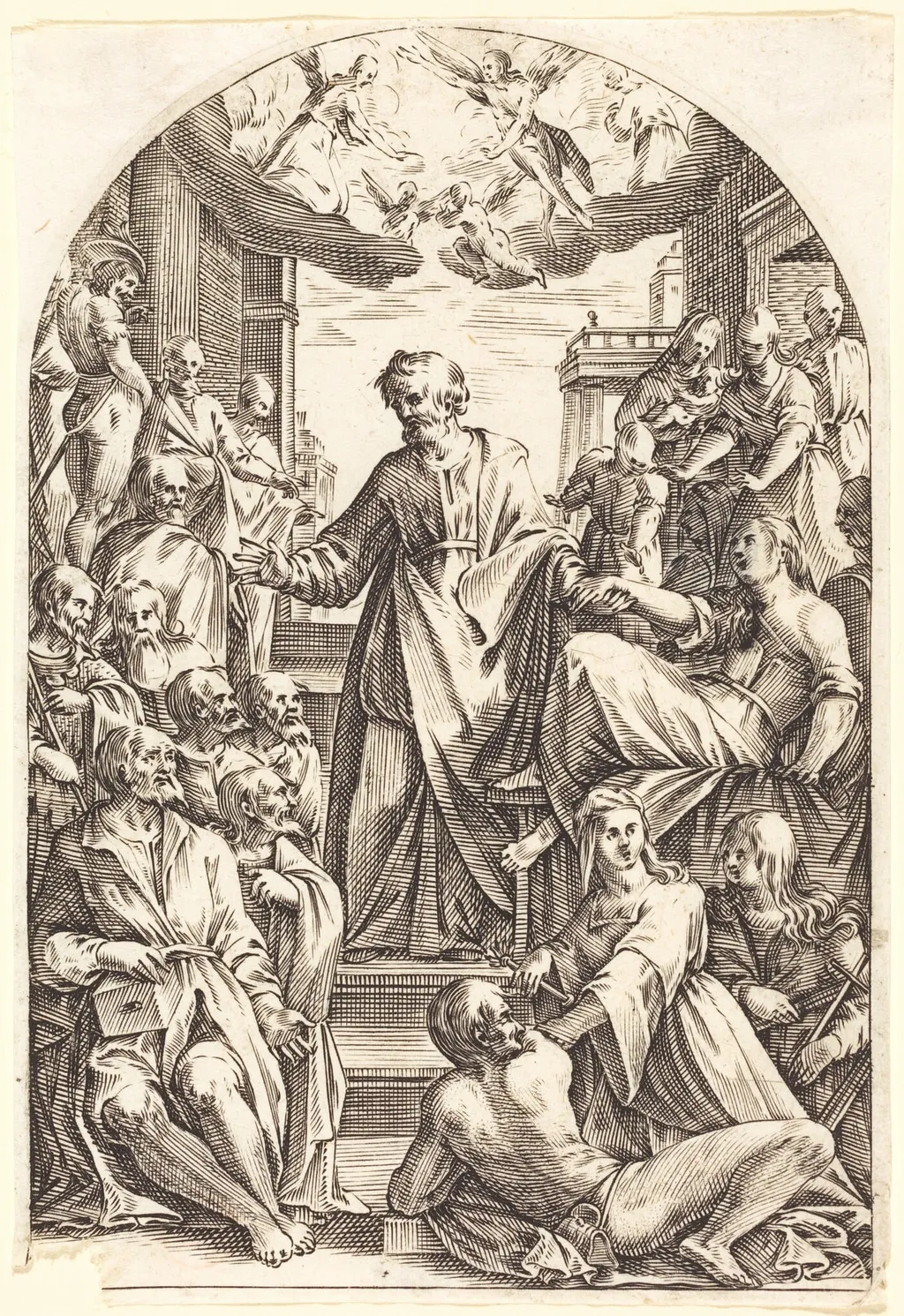
Peter Raising Tabitha is an ink print by the Baroque artist Jacques Callot. It dates from 1610 and is held in the collection of the National Gallery of Art.
About this work
Overview
Created in 1610 by the French Baroque printmaker Jacques Callot, this work is an engraving executed on laid paper. It belongs to the corpus of old‑master prints that combine narrative complexity with meticulous line work, reflecting Callot’s prolific output of more than a thousand images that span religious, military, and everyday subjects.
Subject & Meaning
The composition depicts a densely populated scene in which a standing man hovers over a prone woman, while a crowd of onlookers kneels or stands nearby, their gazes fixed on the central drama. Above the figures, ethereal angels drift, juxtaposing earthly concern with a celestial presence and suggesting a meditation on mortality and divine intervention.
Technique & Style
Callot employs an intricate network of fine lines to model volume and texture, a hallmark of early‑17th‑century engraving. The use of cross‑hatching creates subtle gradations of tone, giving the scene a layered, atmospheric quality. The precision of the line work and the careful rendering of both human figures and heavenly beings exemplify the detailed printmaking practices of the period.
History & Provenance
Originating in the Duchy of Lorraine, the print reflects Callot’s engagement with religious iconography, a recurrent theme throughout his career. While the specific ownership trail of this particular impression is not documented here, it forms part of the larger body of Callot’s prints that circulated widely in Europe, influencing subsequent generations of printmakers.
Artist & collection
Artist
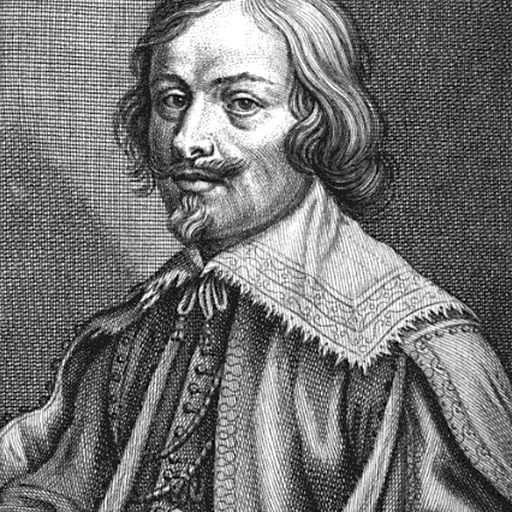
Jacques Callot was a baroque printmaker and draftsman from the Duchy of Lorraine.

 Holy Family at supper
 Restoration of the Aqueduct at Pisa
 Restoration of the Aqueduct at Pisa
 Square in Paris with Many Figures
 Square in Paris with Many Figures
 Horsemen Attacked by Robbers
 HOW WILL A COVERED PART BE CORRECTED?HOW WIKA A COVERED HEART DEED CORRECTED?
![Christ Walking on the Water [second plate], by Jacques Callot](https://artifactworldgallery.com/img/jacques-callot--christ-walking-on-the-water-second-plate--2069f3bfe4cb2126-w320.webp) Christ Walking on the Water [second plate]
Christ Walking on the Water [second plate]
 Domenico
 Christ Taking Leave of His Mother
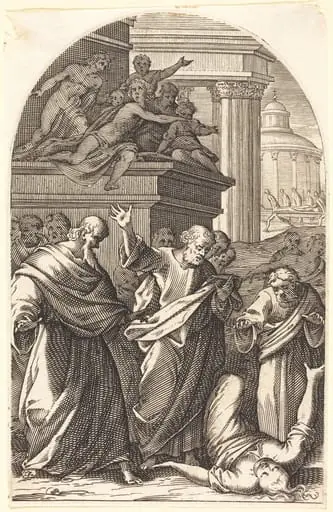 Sapphira Punished by Death
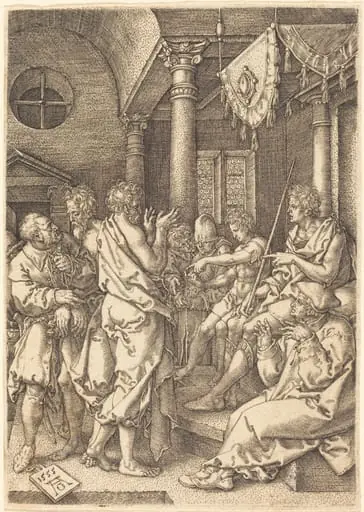 The Two Elders Convicted by the Testimony of Daniel
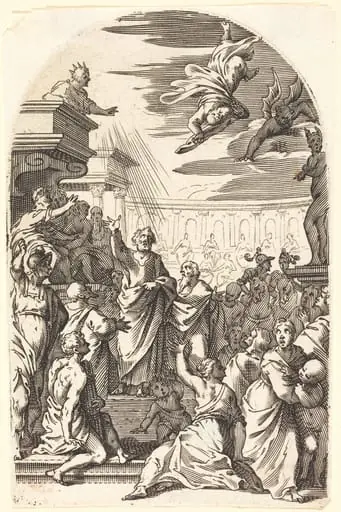 Fall of Simon the Magician
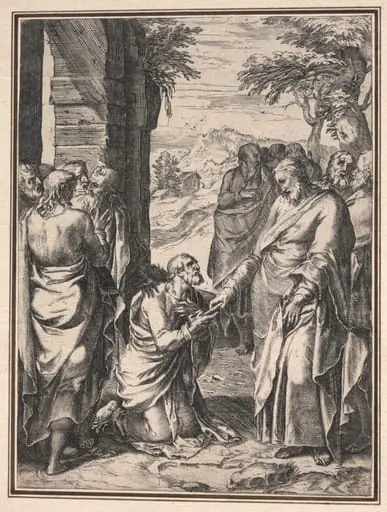 Copy of Cornelis Cort: Christ Giving the Key of the Church to Saint Peter
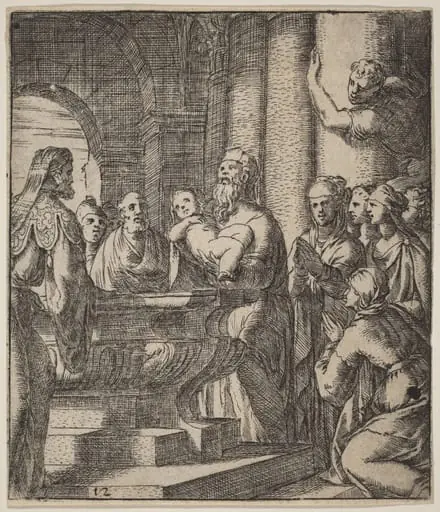 The Baptism of Christ
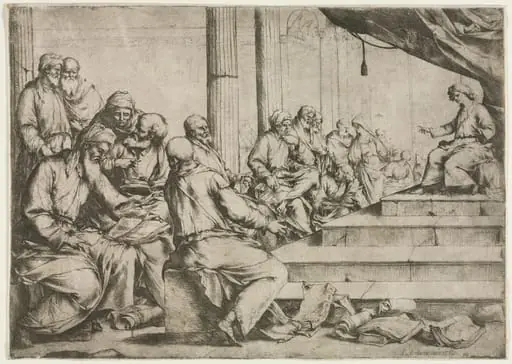 The Young Christ Teaching in the Temple
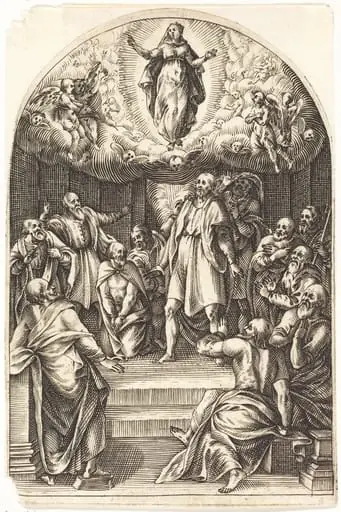 The Assumption
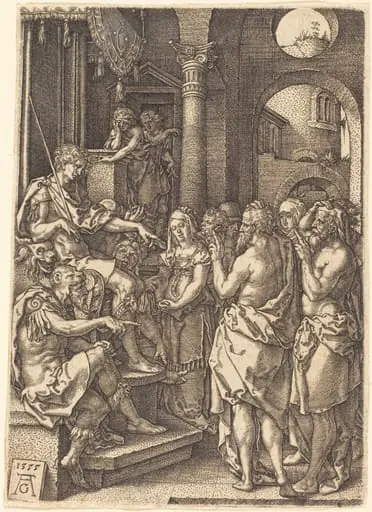 The Two Elders Before the Judge
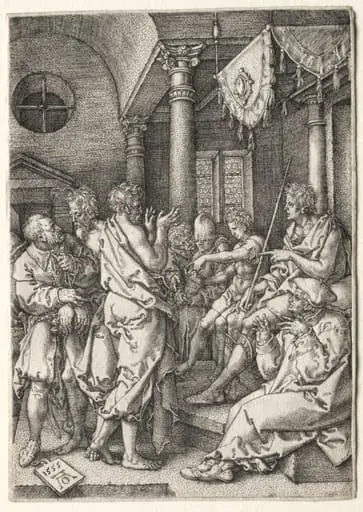 The Story of Susanna: Daniel Cross-Examining the Elders
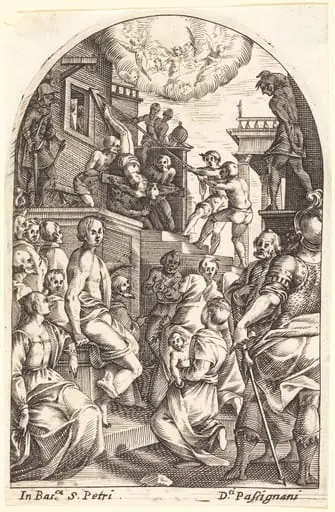 The Martyrdom of Saint Peter