Artwork
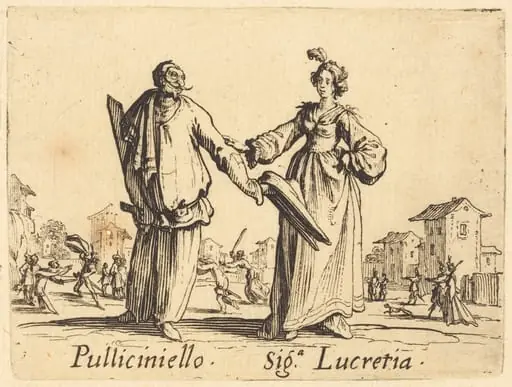
Pulliciniello and Siga. Lucretia
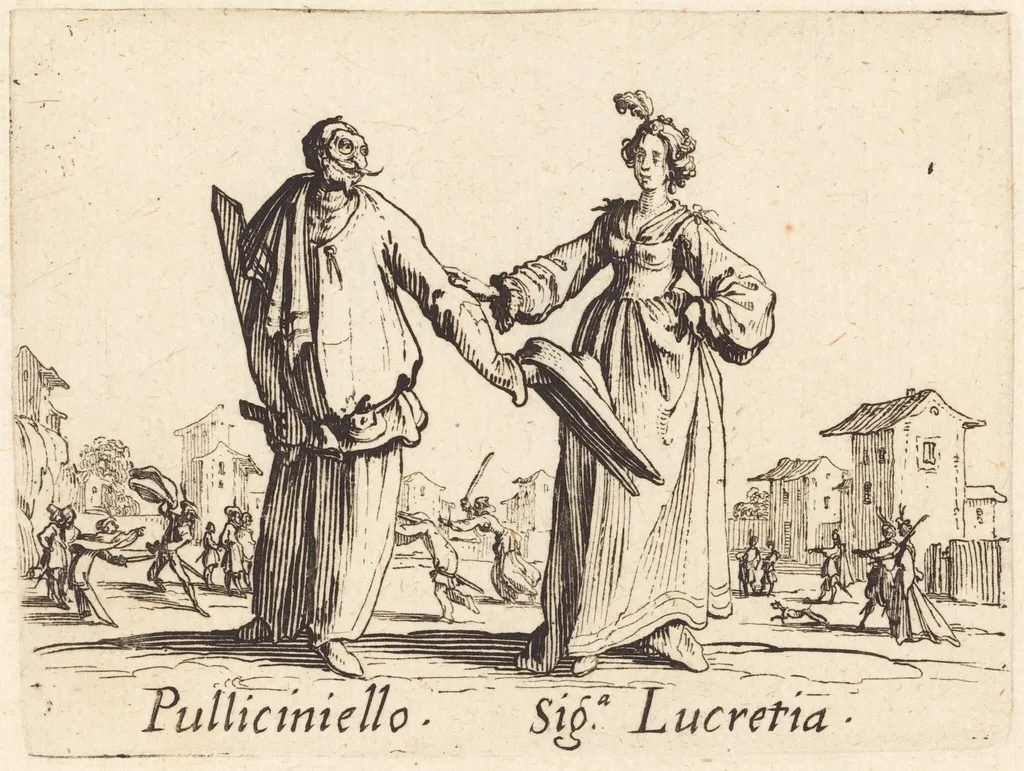
Pulliciniello and Siga. Lucretia is an ink print by the Baroque artist Jacques Callot. It dates from 1622 and is held in the collection of the National Gallery of Art.
About this work
Overview
Created circa 1622, this etching on laid paper depicts two costumed figures, Pulliciniello and Siga, positioned before an expansive cityscape. Both characters bear swords, and the composition includes a bustling background populated with various activities, suggesting a narrative beyond the immediate foreground.
Subject & Meaning
The protagonists are drawn from the commedia dell’arte tradition, a popular theatrical form of the period. Their juxtaposition, along with the title’s reference to Lucretia, hints at an allegorical reading that contrasts opposing moral or social forces within a public setting.
Technique & Style
Executed by Jacques Callot, the work showcases his characteristic fine line work and meticulous attention to detail. The etching on laid paper renders textures—from fabric folds to architectural elements—with a clarity that reflects Callot’s mastery of the medium and his interest in densely populated scenes.
History & Provenance
The print belongs to Callot’s prolific output of more than 1,400 etchings, which documented a wide range of contemporary subjects, from soldiers and clowns to religious and military themes. It remains a representative example of his early 17th‑century production in Lorraine.
Context
During the early Baroque era, printmakers like Callot circulated images of theatrical and everyday life, catering to a growing market for visual entertainment. The inclusion of commedia dell’arte characters aligns the work with popular culture while also engaging with the period’s moral allegories.
Artist & collection
Artist
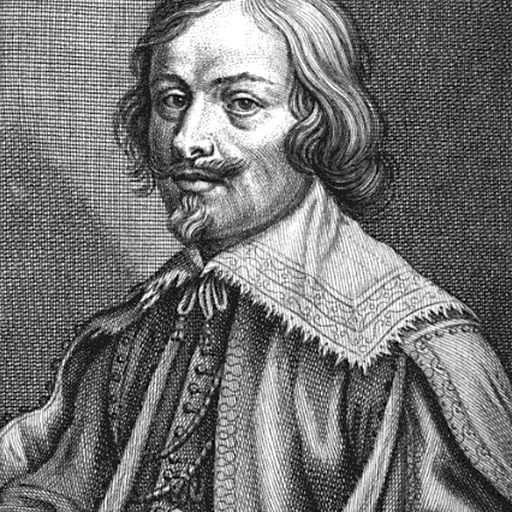
Jacques Callot was a baroque printmaker and draftsman from the Duchy of Lorraine.

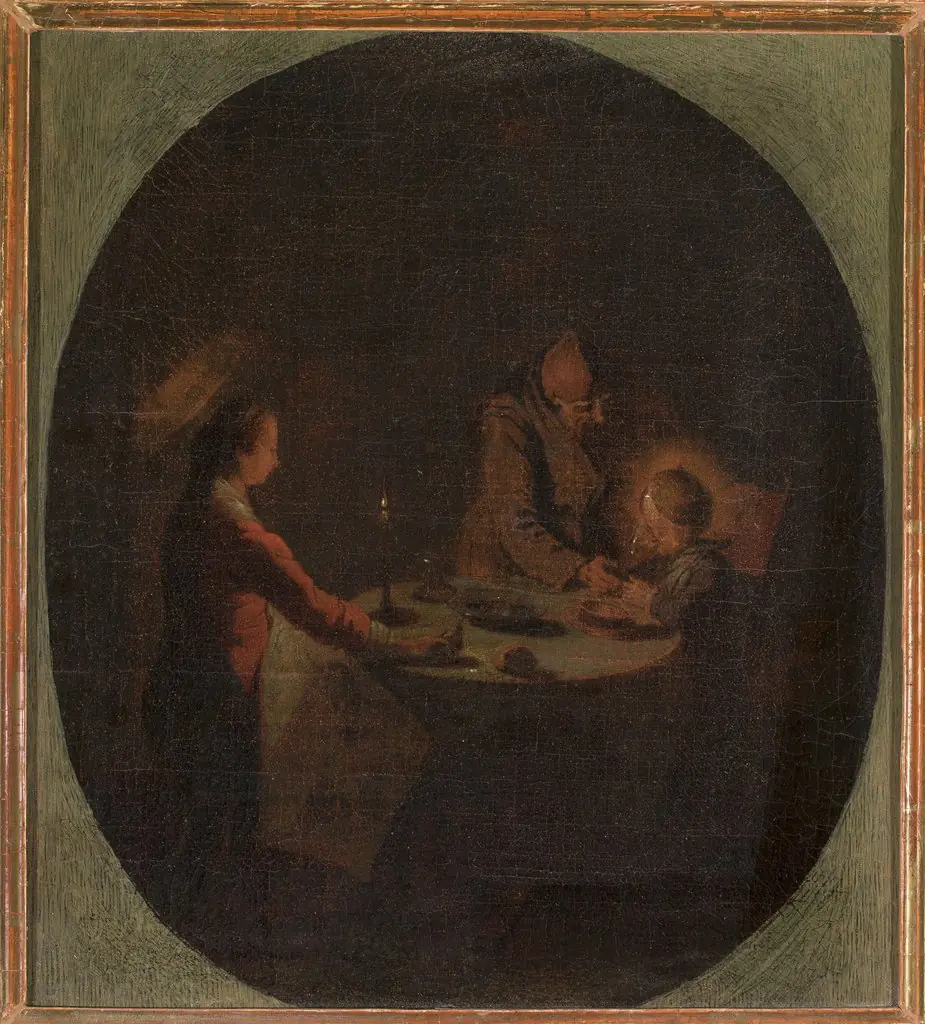 Holy Family at supper
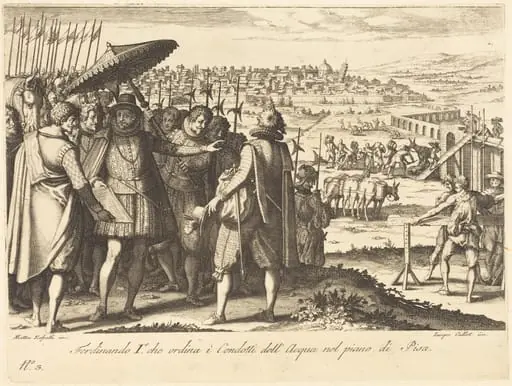 Restoration of the Aqueduct at Pisa
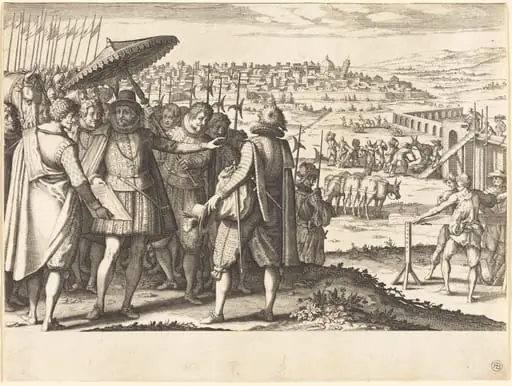 Restoration of the Aqueduct at Pisa
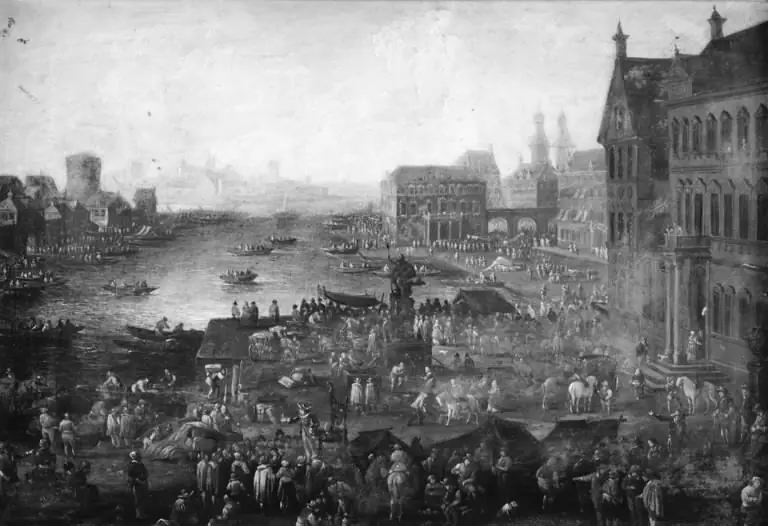 Square in Paris with Many Figures
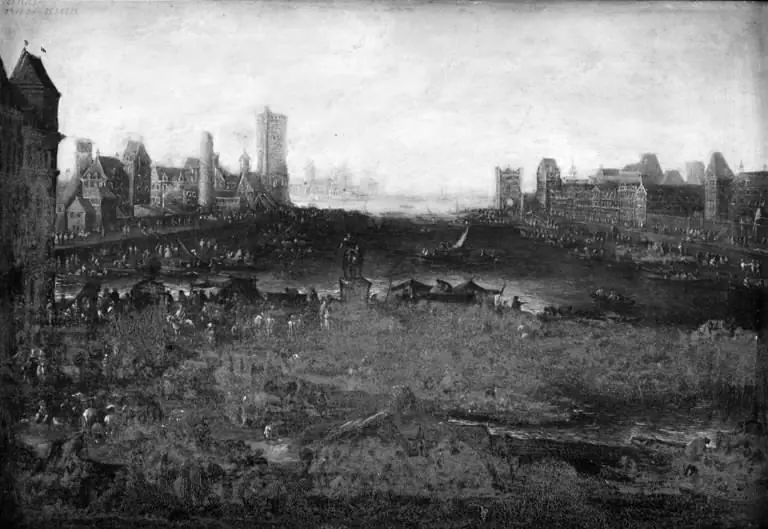 Square in Paris with Many Figures
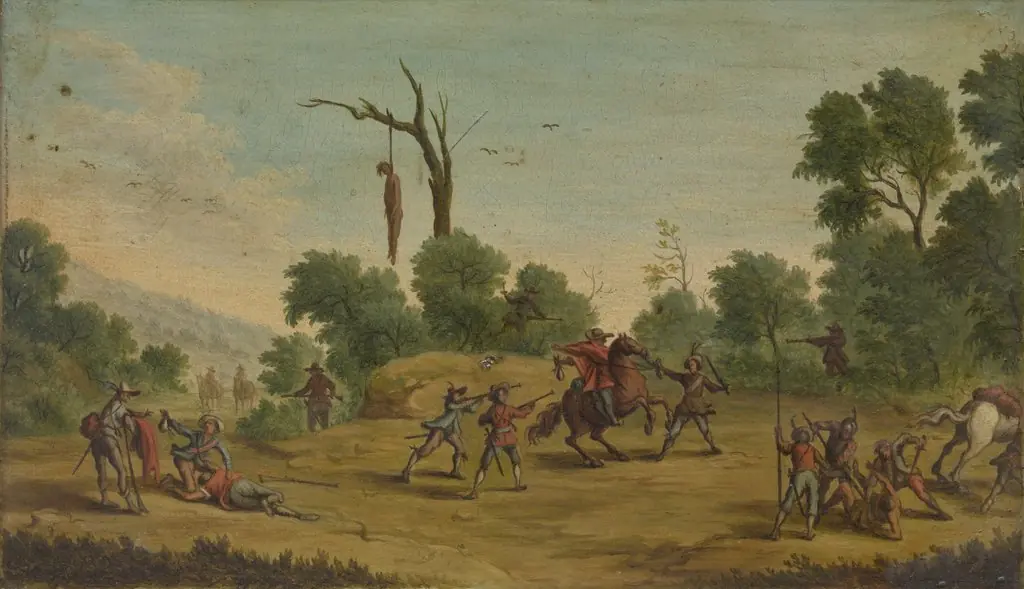 Horsemen Attacked by Robbers
 HOW WILL A COVERED PART BE CORRECTED?HOW WIKA A COVERED HEART DEED CORRECTED?
![Christ Walking on the Water [second plate], by Jacques Callot](https://artifactworldgallery.com/img/jacques-callot--christ-walking-on-the-water-second-plate--2069f3bfe4cb2126-w320.webp) Christ Walking on the Water [second plate]
Christ Walking on the Water [second plate]