Artwork
Cap. Cerimonia and Siga. Lavinia
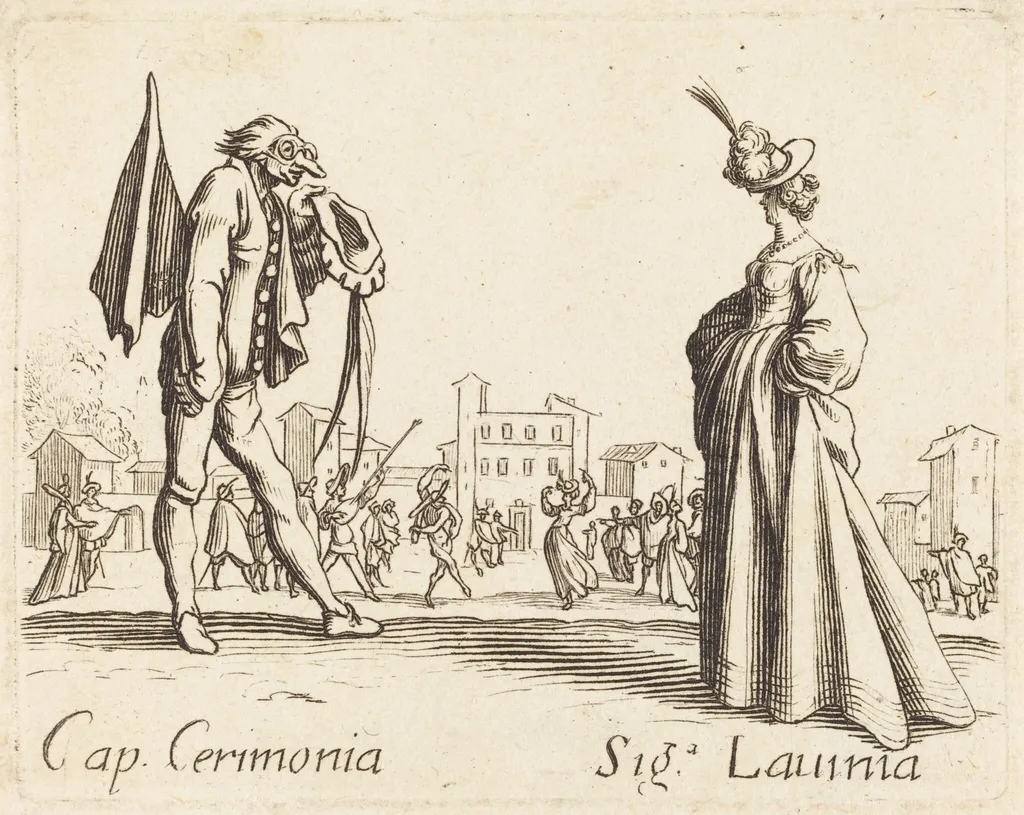
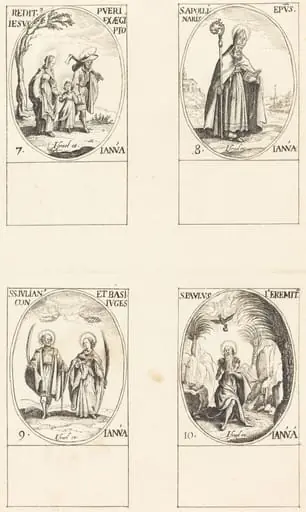
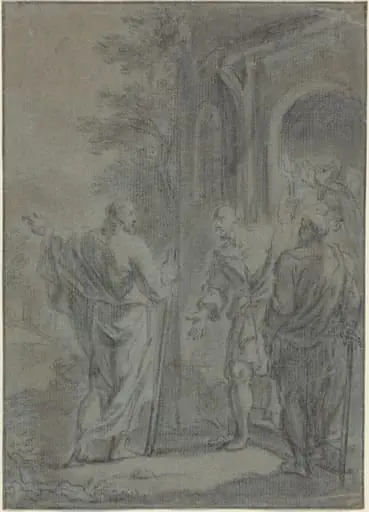
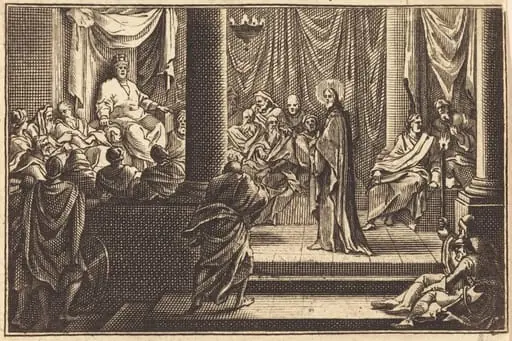
Cap. Cerimonia and Siga. Lavinia is an ink print by the Baroque artist French 17th Century. It dates from 1622 and is held in the collection of the National Gallery of Art.
About this work
Overview
The work is an etching on laid paper depicting a slender, period‑dressed male figure clutching a flag beside a woman in an elaborate gown and feathered hat.
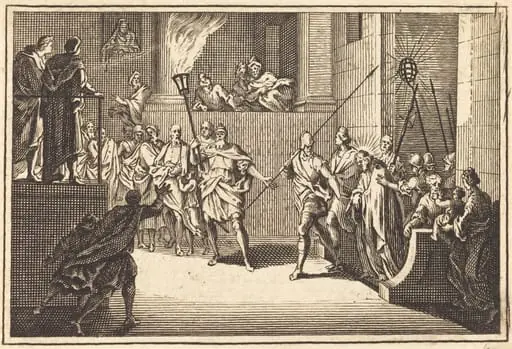
The work is an etching on laid paper depicting a slender, period‑dressed male figure clutching a flag beside a woman in an elaborate gown and feathered hat. Behind them a bustling street unfolds, populated by soldiers, children, and pedestrians moving among modest structures. The composition centers the couple while the surrounding crowd injects narrative vigor, rendered through precise line work and tonal shading.
Subject & Meaning
The central pair appears to represent a ceremonial scene, perhaps a public celebration or procession, suggested by the flag and formal attire. The woman's opulent dress and the man's traditional costume contrast with the ordinary figures in the background, highlighting social hierarchy and the communal nature of the event. The lively street activity underscores the public dimension of the ceremony.
Technique & Style
Executed in etching, the image relies on incised lines and varied hatching to model forms and suggest depth, a hallmark of the medium. The artist’s use of sharp contours delineates the figures, while cross‑hatching creates tonal gradations that separate foreground from background. The laid paper surface contributes a subtle texture that enhances the print’s visual richness.
Context
The print belongs to a tradition of 19th‑century genre scenes that document everyday urban life and public festivities. Its focus on costume and street activity reflects contemporary interest in social observation and the documentation of civic rituals. As a work on paper, it would have been reproducible, allowing broader dissemination of the depicted scene.
Artist & collection

Artist
Seventeenth-century French printmakers turned ink into story. Their tools were burin and acid, paper their stage. Look at the Beggar Woman with Rosary (1622), etched on laid paper, her hands folded around faith, or The…