Artwork
Raising of Lazarus
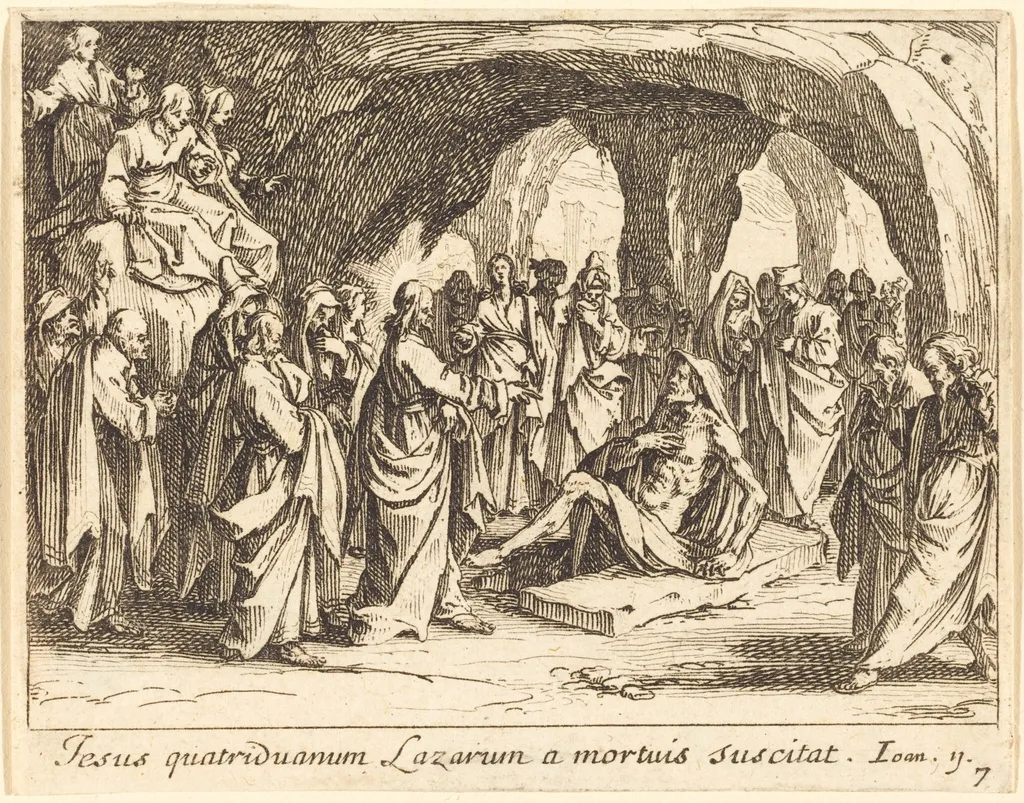
Raising of Lazarus is an ink print by the Baroque artist Jacques Callot. It dates from 1635 and is held in the collection of the National Gallery of Art.
About this work
Overview
Jacques Callot’s 1635 etching depicts the biblical miracle of Lazarus’s resurrection, rendered in fine linear detail on laid paper.
Jacques Callot’s 1635 etching depicts the biblical miracle of Lazarus’s resurrection, rendered in fine linear detail on laid paper. As one of more than 1,400 prints by the Lorraine-born artist, it exemplifies his dedication to narrative precision and his ability to convey complex scenes through the etching medium. The work belongs to a broader body of religious imagery produced during a time when printmaking served as a vital conduit for spiritual storytelling across Europe.
Subject & Meaning
The scene illustrates John 11:43–44, in which Jesus restores Lazarus to life after four days in the tomb. Figures surround the open sepulcher in varied postures of awe, prayer, and disbelief, emphasizing the miraculous nature of the event. The Latin inscription confirms the narrative, anchoring the image in scriptural authority. The dark, turbulent background contrasts with the faint luminosity near the tomb, symbolizing divine intervention breaking through death’s shadow.
Technique & Style
Callot employed fine etched lines to render dense crowds and intricate drapery, showcasing his technical command of acid-based printmaking. His use of cross-hatching and varied line weight creates depth and texture without color, relying on tonal contrast to guide the viewer’s eye. The swirling, shadowed landscape behind the figures enhances drama, while the precise rendering of gestures and garments reflects his training in observational draftsmanship and Northern Renaissance traditions.
History & Provenance
Created in 1635, the print was made during Callot’s mature period in Nancy, after years of working in Florence and Paris. It circulated widely among collectors and clergy, reflecting the demand for devotional imagery in early modern Europe. Though specific early ownership records are sparse, the print survives in multiple institutional collections, indicating its enduring presence in print portfolios of the 17th and 18th centuries.
Context
Callot produced this work amid the Counter-Reformation, when the Catholic Church encouraged visual depictions of miracles to reinforce faith. Etchings like this one were accessible alternatives to paintings, reaching broader audiences through reproduction. His focus on emotional intensity and crowded compositions aligned with contemporary religious art trends, while his technical innovations elevated printmaking’s status as a serious artistic medium.
Legacy
Callot’s *Raising of Lazarus* influenced later printmakers through its compositional density and expressive line work. His ability to convey narrative and emotion in small-scale prints set a standard for religious and genre scenes in the Baroque era. Though less celebrated than his war scenes, this etching remains a key example of how printmaking could serve both devotional and artistic ends, bridging popular piety and high craftsmanship.
Artist & collection
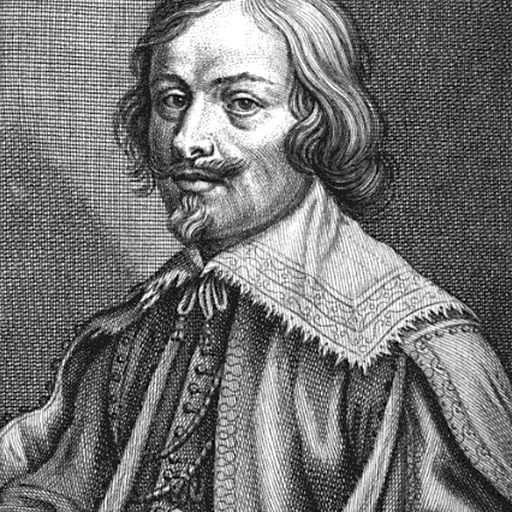
Artist
Jacques Callot was a baroque printmaker and draftsman from the Duchy of Lorraine.

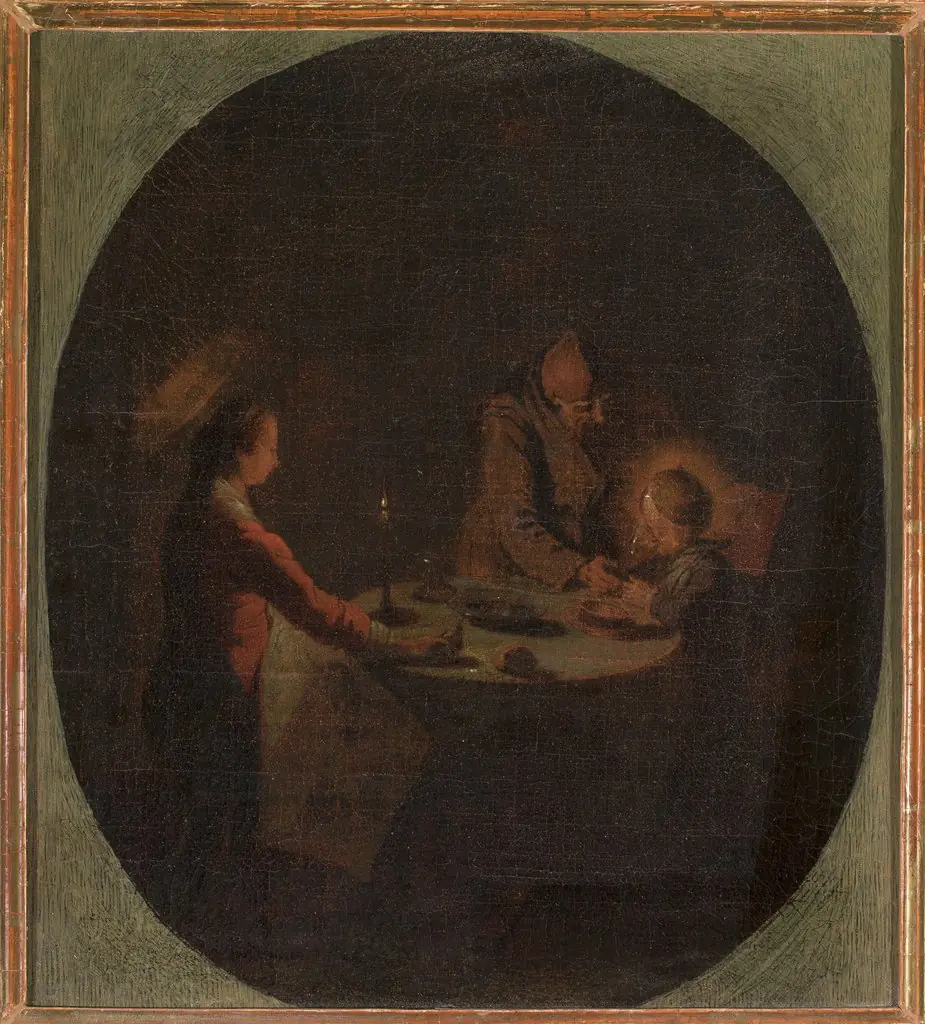 Holy Family at supper
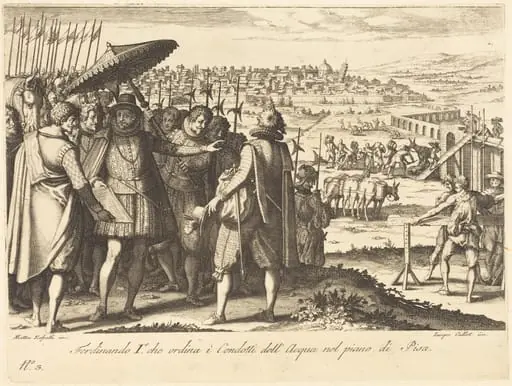 Restoration of the Aqueduct at Pisa
 Restoration of the Aqueduct at Pisa
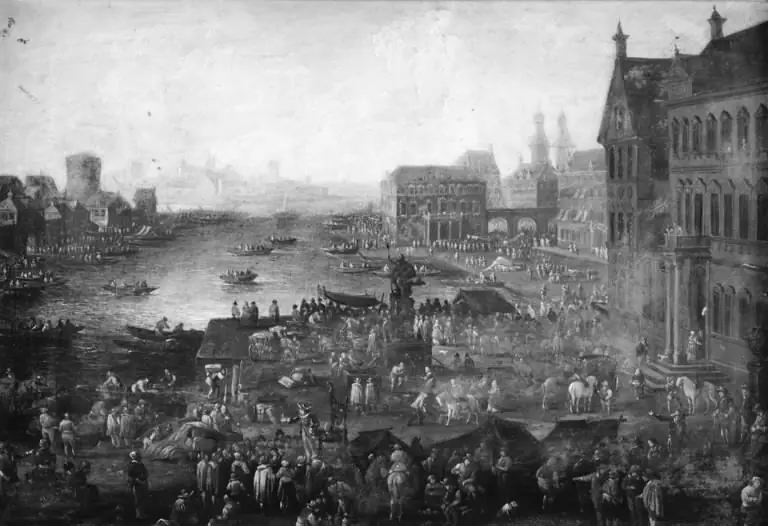 Square in Paris with Many Figures
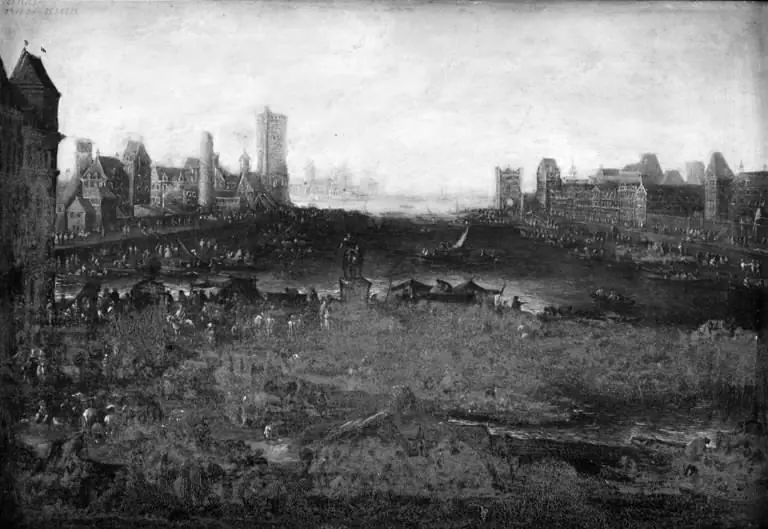 Square in Paris with Many Figures
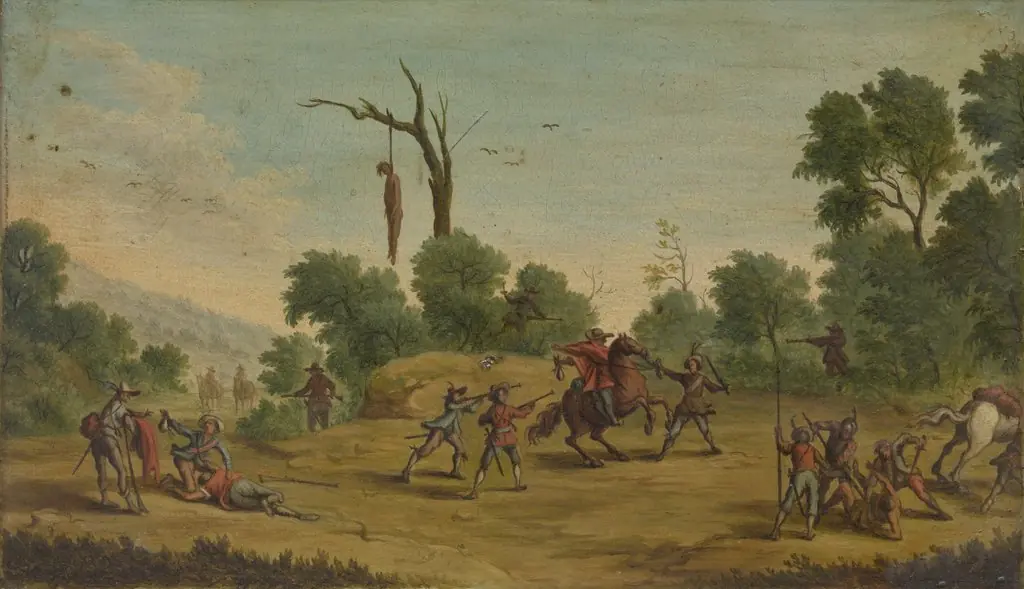 Horsemen Attacked by Robbers
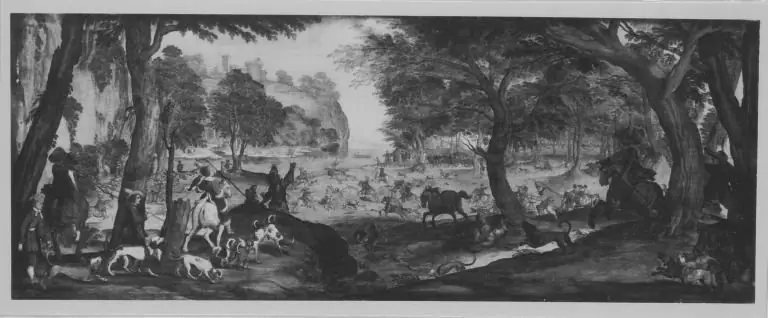 HOW WILL A COVERED PART BE CORRECTED?HOW WIKA A COVERED HEART DEED CORRECTED?
![Christ Walking on the Water [second plate], by Jacques Callot](https://artifactworldgallery.com/img/jacques-callot--christ-walking-on-the-water-second-plate--2069f3bfe4cb2126-w320.webp) Christ Walking on the Water [second plate]
Christ Walking on the Water [second plate]