Artwork
Sermon on the Mount
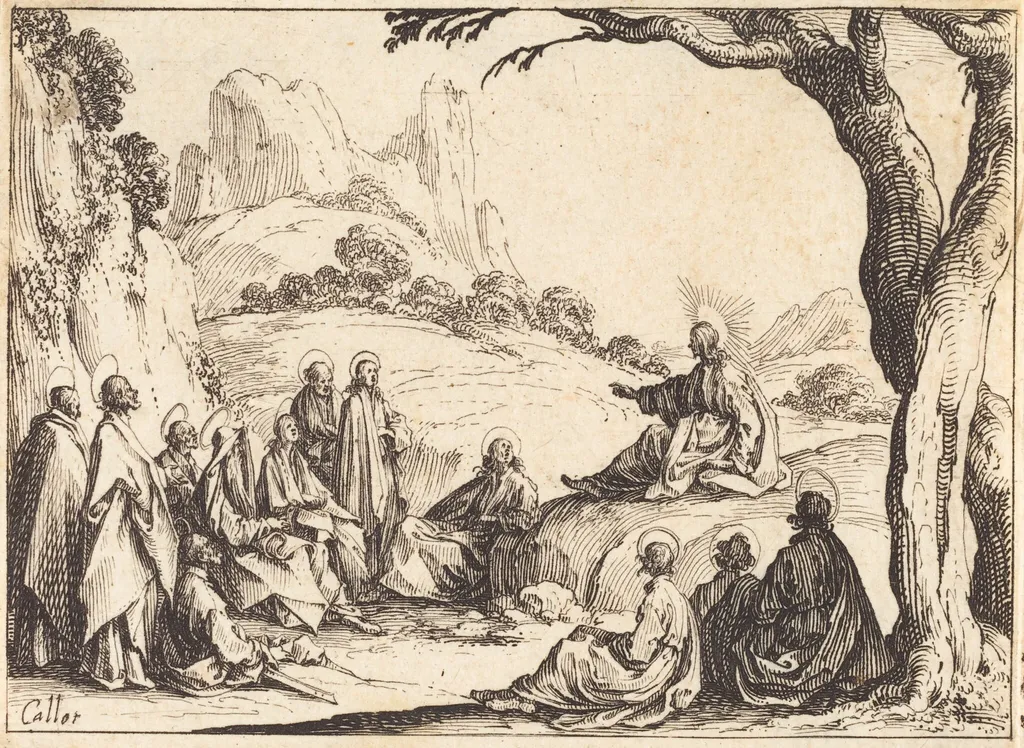
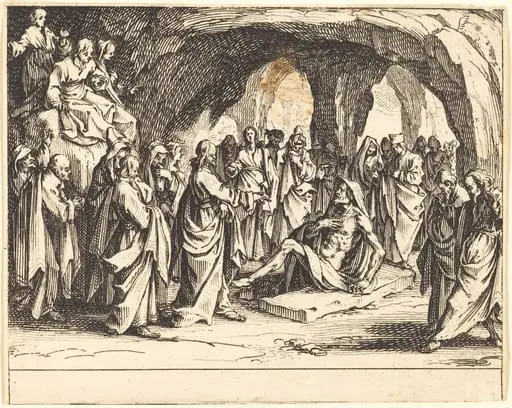
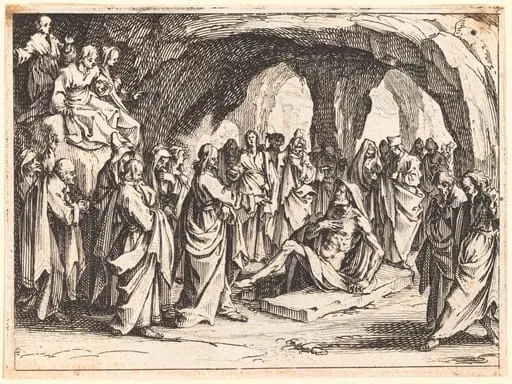
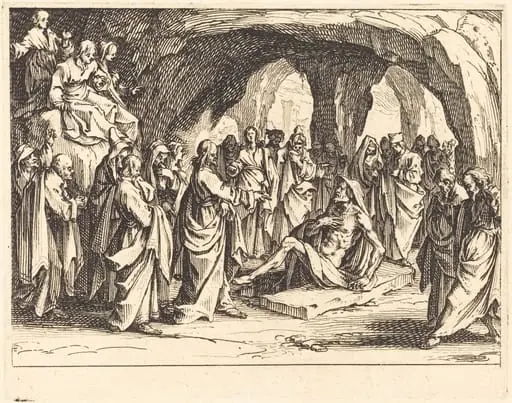
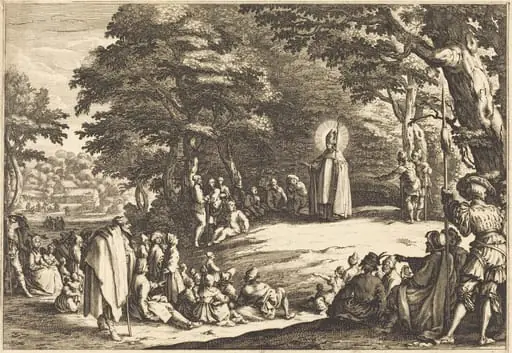
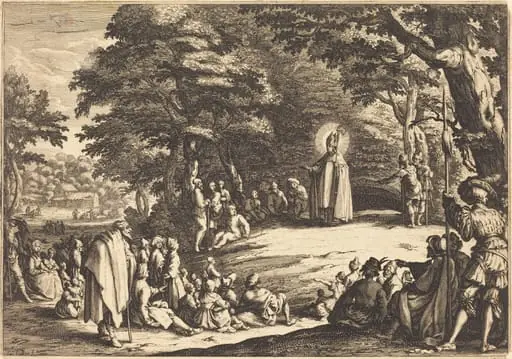
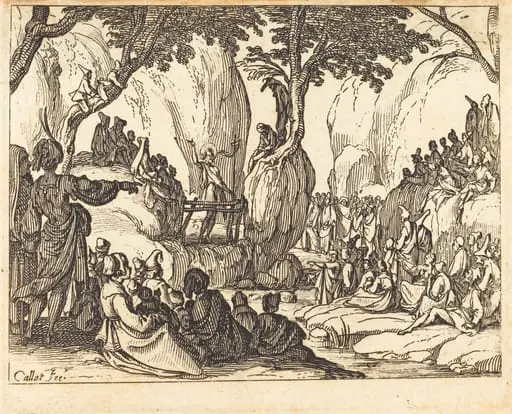
Sermon on the Mount is an ink print by the Baroque artist Jacques Callot. It dates from 1635 and is held in the collection of the National Gallery of Art.
About this work
Overview
Created in 1635, this work is an etching on laid paper by Jacques Callot, a French printmaker active in the Duchy of Lorraine. The image portrays the biblical episode of Jesus delivering the Sermon on the Mount, rendered in the detailed, narrative style for which Callot is known.
Subject & Meaning
The composition focuses on the central figure of Christ addressing a gathered crowd on a hillside, illustrating a key moment from the New Testament. By choosing this religious theme, Callot aligns the print with the devotional practices and scriptural illustration common in early‑17th‑century art.
Technique & Style
Callot employed the etching process, incising lines into a metal plate that were then transferred onto laid paper. This method allowed him to achieve fine, intricate details and to produce multiple impressions, a hallmark of his prolific output of more than a thousand prints.
History & Provenance
The print forms part of Callot’s extensive body of work, which includes depictions of contemporary life, military subjects, and religious narratives. While specific ownership records for this particular impression are scarce, it reflects the broader circulation of his prints across Europe during the Baroque period.
Context
In the early 1630s, the Baroque era emphasized dramatic storytelling and emotional engagement. Callot’s choice of a biblical sermon fits within this milieu, offering a visual meditation on moral instruction that would have resonated with both private collectors and public audiences.
Own this work as a print
Artist & collection
Artist
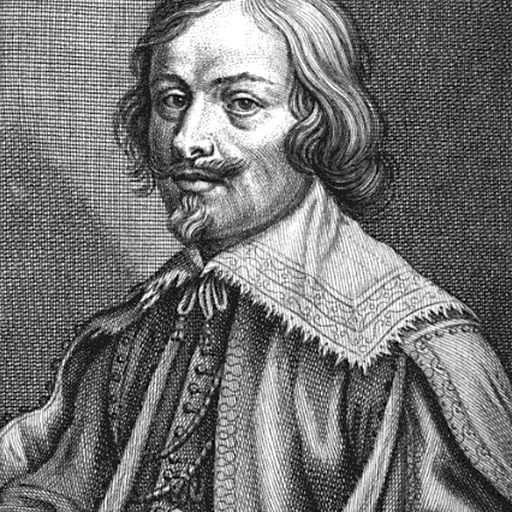
Jacques Callot was a baroque printmaker and draftsman from the Duchy of Lorraine.

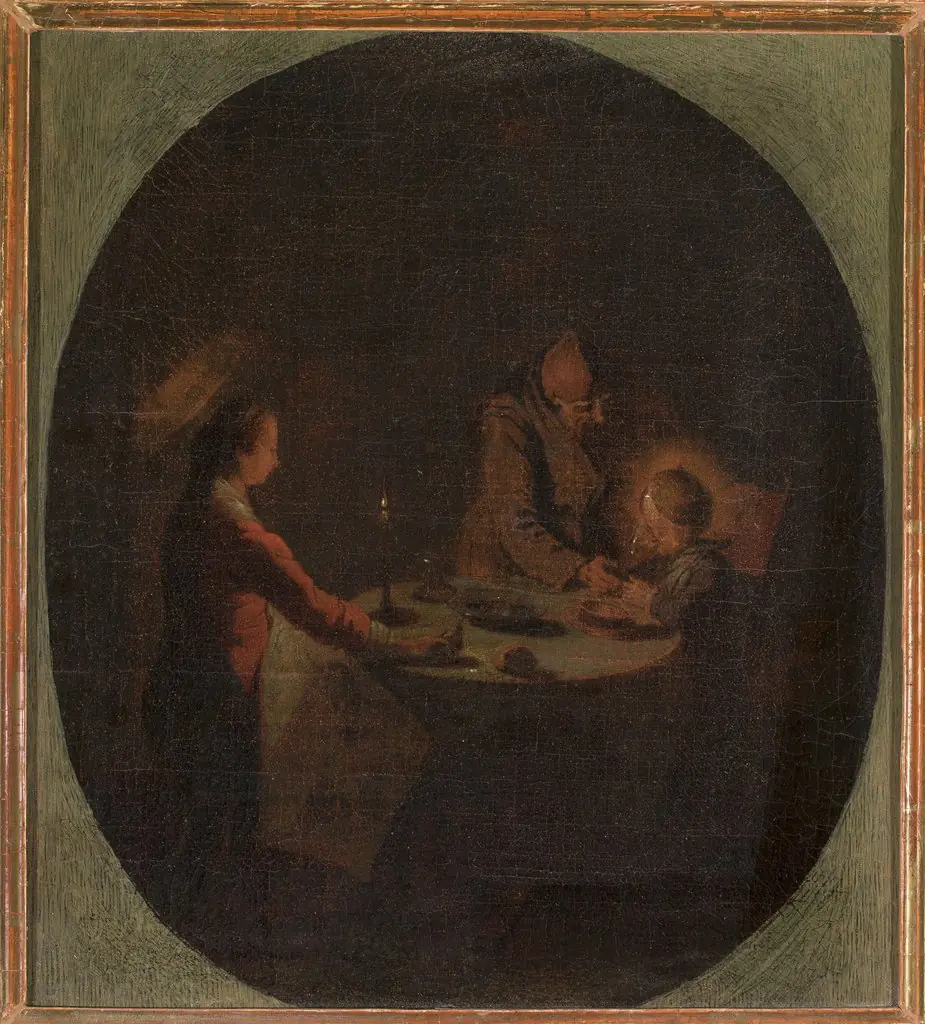 Holy Family at supper
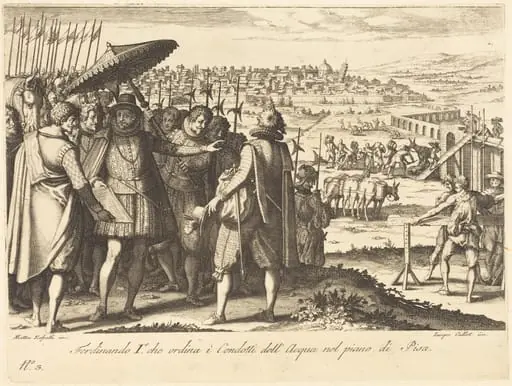 Restoration of the Aqueduct at Pisa
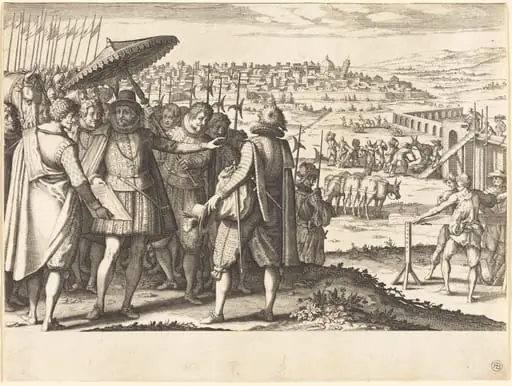 Restoration of the Aqueduct at Pisa
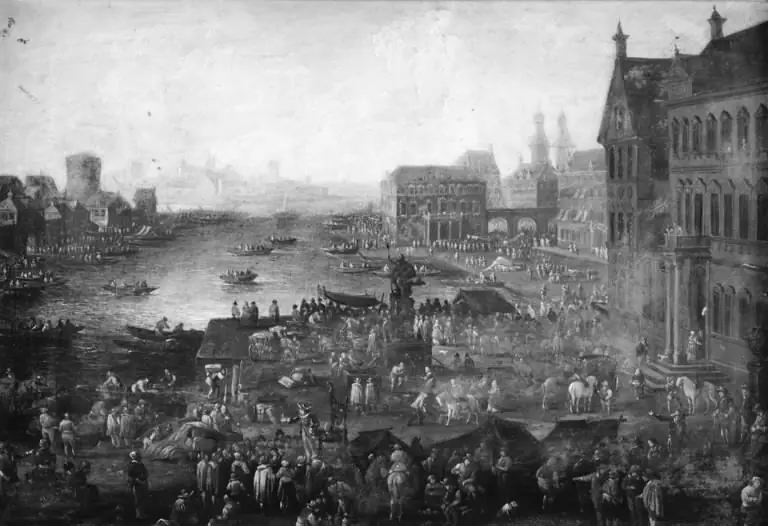 Square in Paris with Many Figures
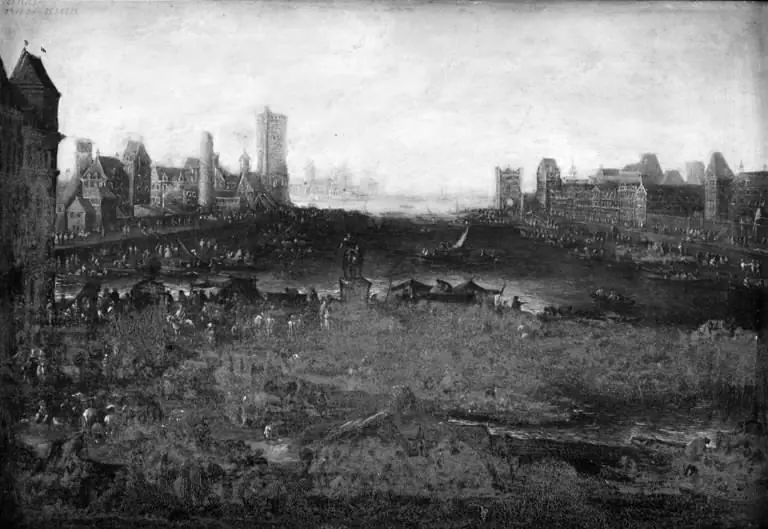 Square in Paris with Many Figures
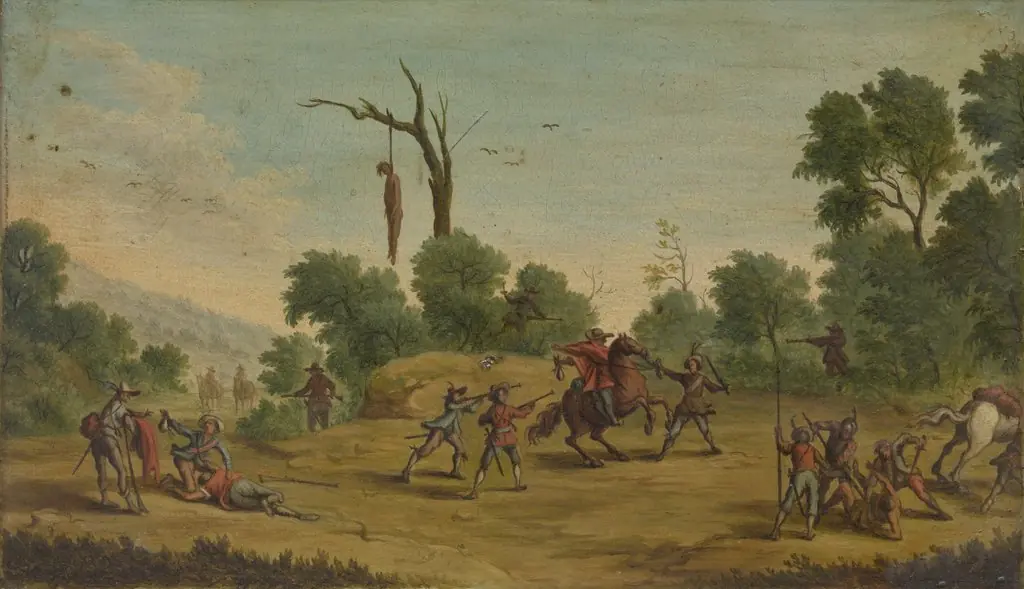 Horsemen Attacked by Robbers
 HOW WILL A COVERED PART BE CORRECTED?HOW WIKA A COVERED HEART DEED CORRECTED?
![Christ Walking on the Water [second plate], by Jacques Callot](https://artifactworldgallery.com/img/jacques-callot--christ-walking-on-the-water-second-plate--2069f3bfe4cb2126-w320.webp) Christ Walking on the Water [second plate]
Christ Walking on the Water [second plate]