Artwork
Raising of Lazarus
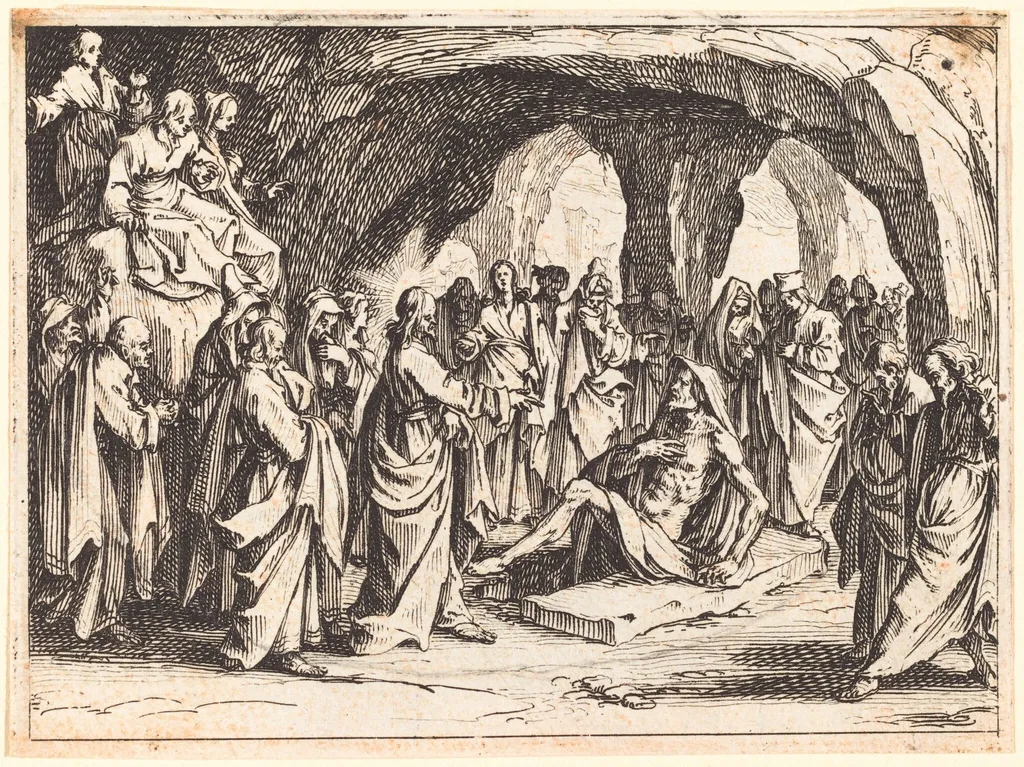
Raising of Lazarus is an ink print by the Baroque artist Jacques Callot. It dates from 1635 and is held in the collection of the National Gallery of Art.
About this work
Overview
Jacques Callot, a printmaker from the Duchy of Lorraine, produced this etching in 1635 as part of his extensive body of work spanning over 1,400 prints.
Jacques Callot, a printmaker from the Duchy of Lorraine, produced this etching in 1635 as part of his extensive body of work spanning over 1,400 prints. Executed on laid paper, the image captures a biblical moment with precision and emotional intensity. Callot’s technical mastery in etching allowed him to render complex scenes with fine, controlled lines, distinguishing his contributions to early 17th-century printmaking.
Subject & Meaning
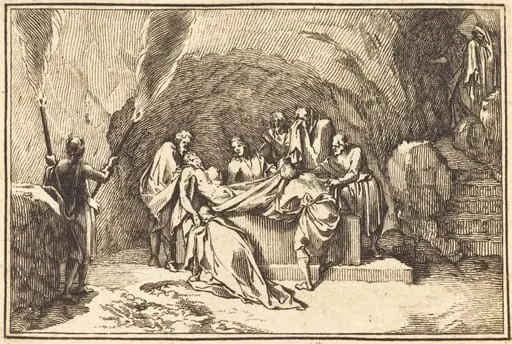
The scene depicts Christ raising Lazarus from the dead, as described in the Gospel of John. A dense assembly of figures surrounds the recumbent man, their gestures conveying awe, grief, and disbelief. Above, ambiguous forms suggest divine presence, reinforcing the miracle’s supernatural character. The composition emphasizes human reaction as much as the event itself, aligning with Counter-Reformation interests in emotionally resonant religious narratives.
Technique & Style
Callot employed fine, incised lines to build depth and movement, using dense hatching and sharp contrasts to model forms and suggest volume. The swirling background and tightly packed figures create a sense of urgency, guiding the viewer’s eye toward the central figure. His use of etching allowed for intricate detail and expressive line quality, characteristic of his refined approach to the medium.
History & Provenance
Created during Callot’s mature period, the print was likely made for a European audience familiar with biblical stories and the growing market for religious prints. Though specific early ownership records are sparse, its survival in multiple institutional collections suggests it was widely circulated and valued for its technical and narrative qualities.
Context
In the 1630s, religious imagery remained central to print culture, especially in Catholic regions. Callot’s work responded to the Counter-Reformation’s emphasis on vivid, accessible sacred stories. His detailed landscapes and crowded compositions echoed contemporary painting trends, while his etching technique offered a more affordable, reproducible alternative to painted altarpieces.
Legacy
Callot’s *Raising of Lazarus* exemplifies the potential of etching to convey complex narratives with emotional gravity. His influence extended to later printmakers who adopted his linear precision and compositional density. Though less celebrated than painters of his era, his prints helped define the visual language of religious storytelling in print form.
Artist & collection
Artist
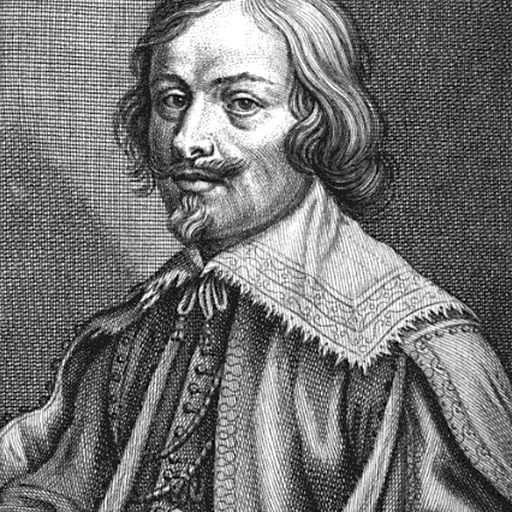
Jacques Callot was a baroque printmaker and draftsman from the Duchy of Lorraine.

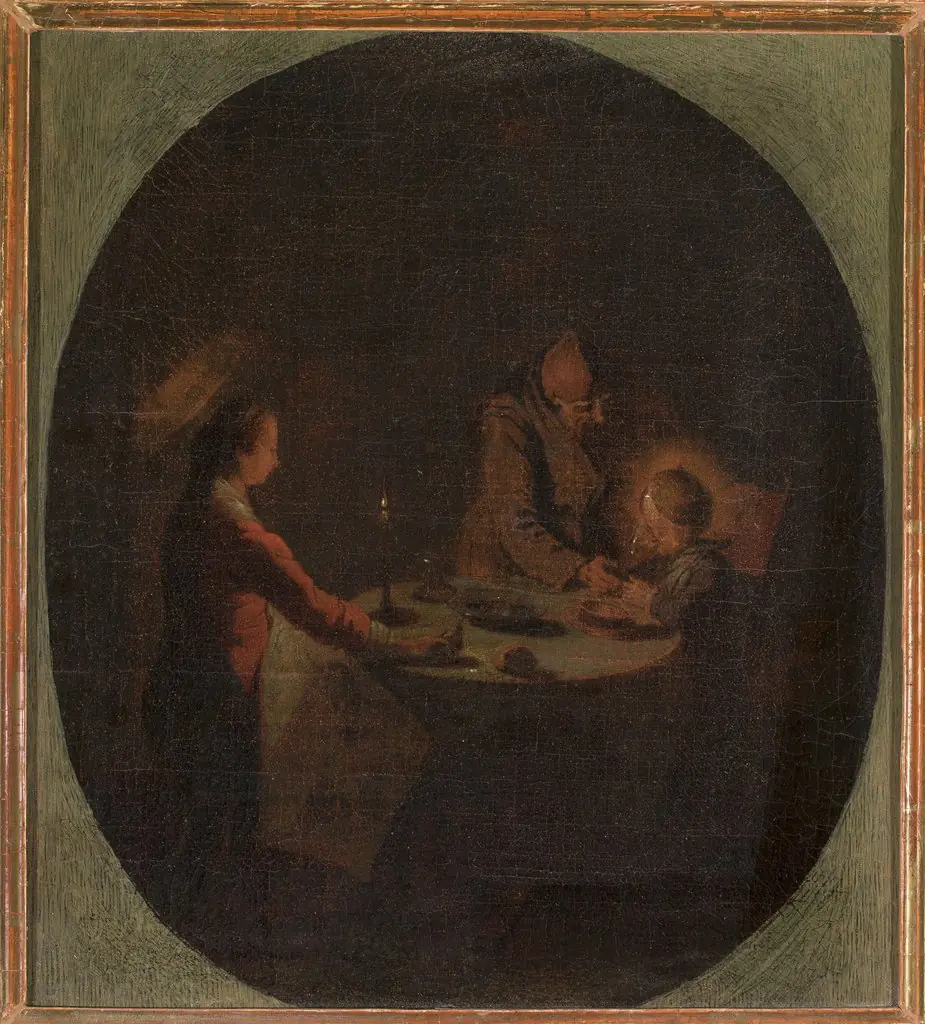 Holy Family at supper
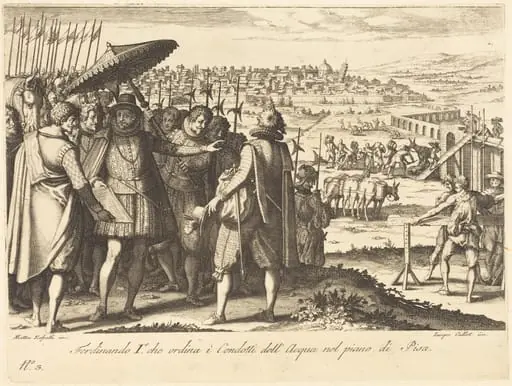 Restoration of the Aqueduct at Pisa
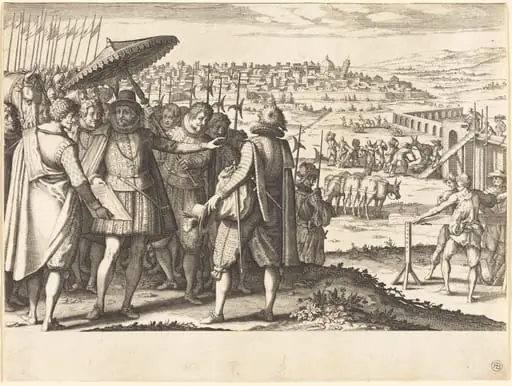 Restoration of the Aqueduct at Pisa
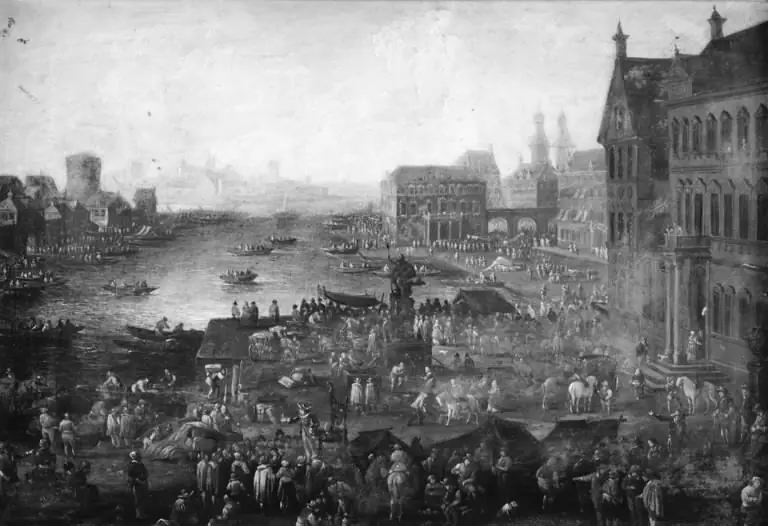 Square in Paris with Many Figures
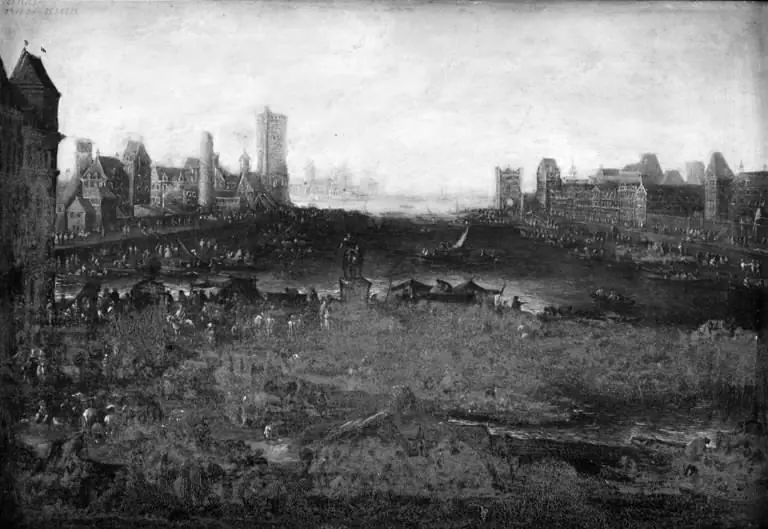 Square in Paris with Many Figures
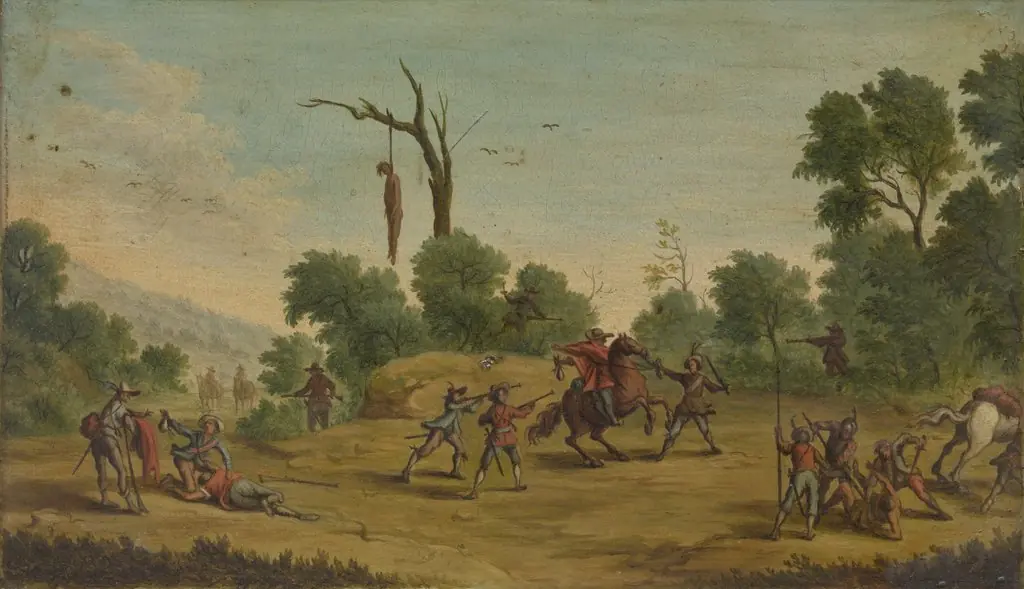 Horsemen Attacked by Robbers
 HOW WILL A COVERED PART BE CORRECTED?HOW WIKA A COVERED HEART DEED CORRECTED?
![Christ Walking on the Water [second plate], by Jacques Callot](https://artifactworldgallery.com/img/jacques-callot--christ-walking-on-the-water-second-plate--2069f3bfe4cb2126-w320.webp) Christ Walking on the Water [second plate]
Christ Walking on the Water [second plate]