Artwork
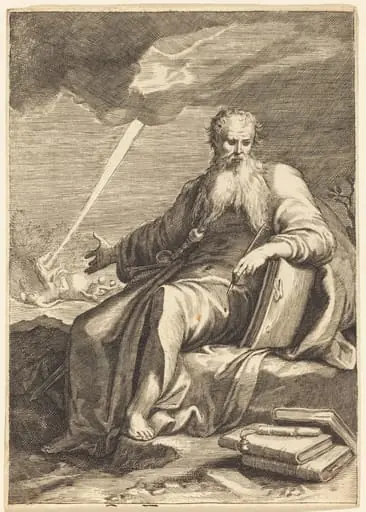
Saint Paul, Seated
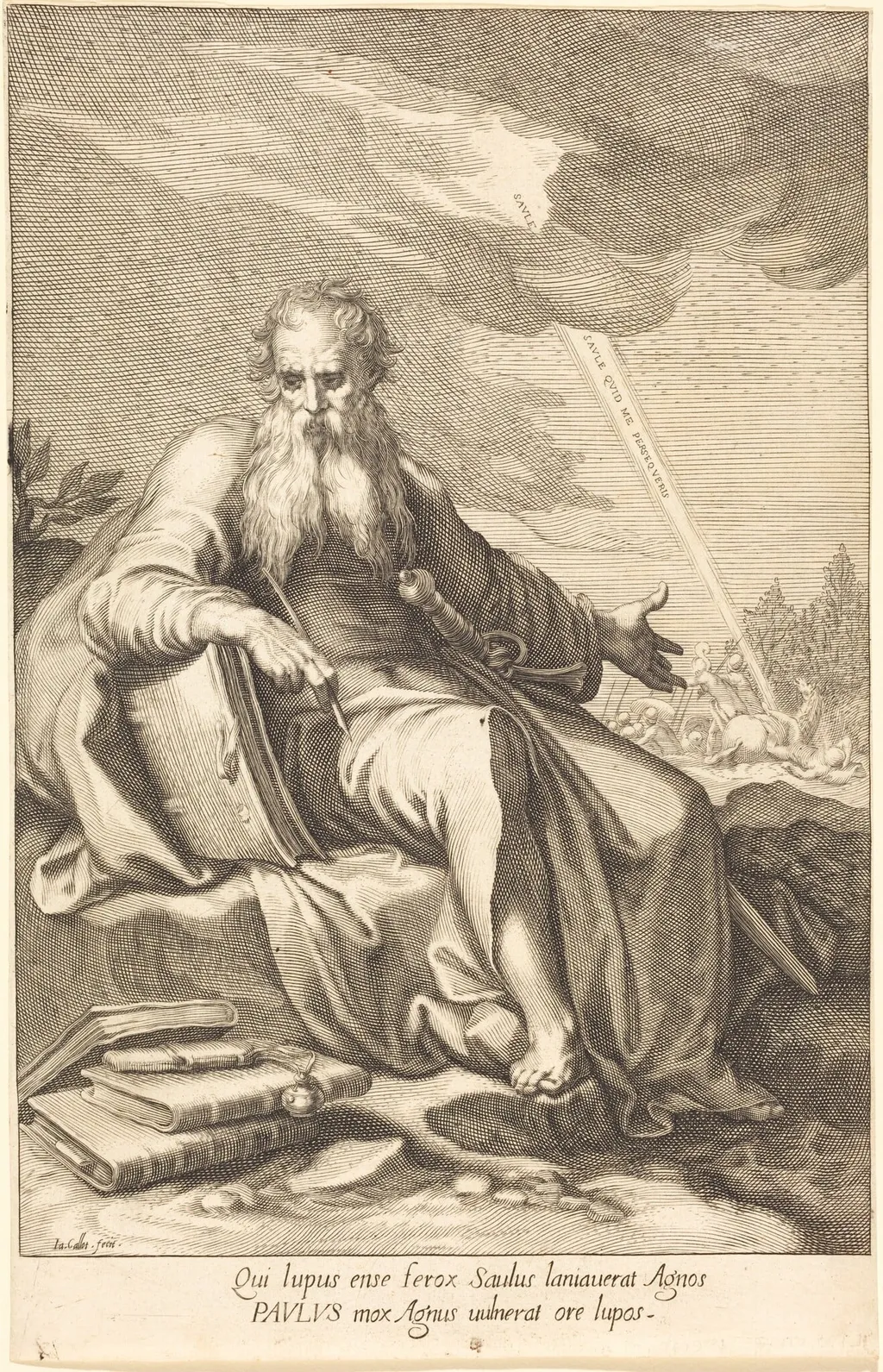
Saint Paul, Seated is an ink print by the Baroque artist Jacques Callot. It dates from 1616 and is held in the collection of the National Gallery of Art.
About this work
Overview
As a French artist from Lorraine, Callot was known for his precision in printmaking, often blending religious themes with richly rendered environments.
Created around 1616 by Jacques Callot, this engraving on laid paper depicts Saint Paul in a contemplative, seated posture. As a French artist from Lorraine, Callot was known for his precision in printmaking, often blending religious themes with richly rendered environments. This work exemplifies his skill in using fine linear detail to convey both spiritual gravity and physical presence within a compact composition.
Subject & Meaning
The figure of Saint Paul is portrayed as an elderly man with a long white beard and disheveled hair, seated on the earth with a scroll in one hand and a gesture of oration in the other. Scattered books, a staff, and a basket of fruit suggest his scholarly and ascetic life. The faint cityscape and rugged terrain behind him evoke his missionary journeys, reinforcing his role as a teacher and apostle grounded in both divine message and earthly reality.
Technique & Style
Callot employed a burin to incise fine, controlled lines into a metal plate, creating subtle gradations of tone and texture. The intricate hatching and cross-hatching model the folds of fabric, the roughness of the ground, and the volume of the saint’s form. Background elements are rendered with delicate, sparse lines, allowing the figure to dominate while still suggesting depth and spatial context through minimal means.
History & Provenance
This engraving emerged during Callot’s early career in Florence, where he absorbed Italian artistic influences while maintaining his Northern European attention to detail. Though not part of a known series, it aligns with his broader output of religious and genre prints produced for collectors and scholars. Its survival in multiple institutional collections indicates early recognition of its technical and devotional merit.
Context
In early 17th-century Europe, religious imagery remained central to print culture, even amid growing secular interests. Callot’s depiction of Saint Paul reflects Counter-Reformation ideals, emphasizing the saint’s authority and humility. His choice to place the figure in a naturalistic setting, rather than a formal ecclesiastical space, aligns with a broader trend toward humanizing sacred figures through everyday detail.
Legacy
Callot’s precise engraving technique influenced generations of printmakers across Europe, particularly in the rendering of texture and spatial depth. While *Saint Paul, Seated* is not among his most widely reproduced works, it stands as a refined example of his ability to convey spiritual intensity through meticulous draftsmanship, bridging devotional tradition with observational realism.
Artist & collection
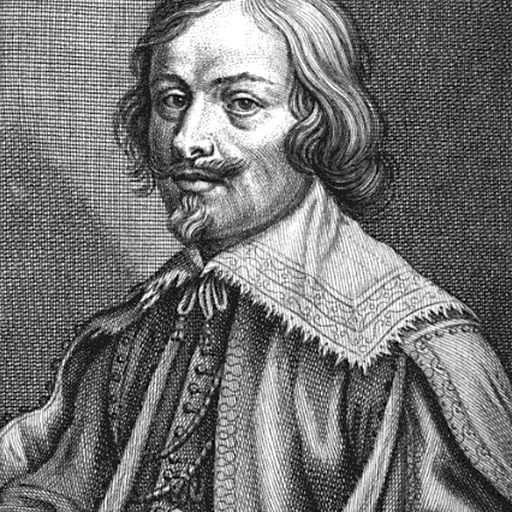
Artist
Jacques Callot was a baroque printmaker and draftsman from the Duchy of Lorraine.

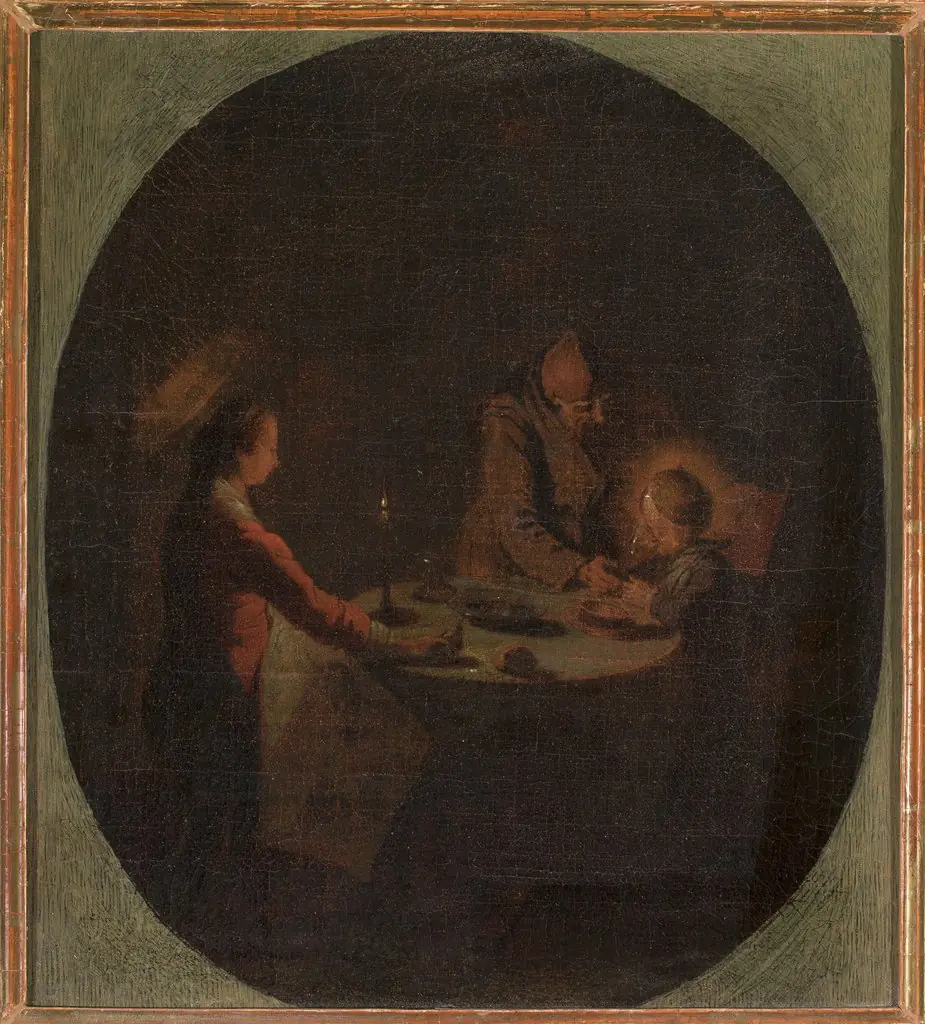 Holy Family at supper
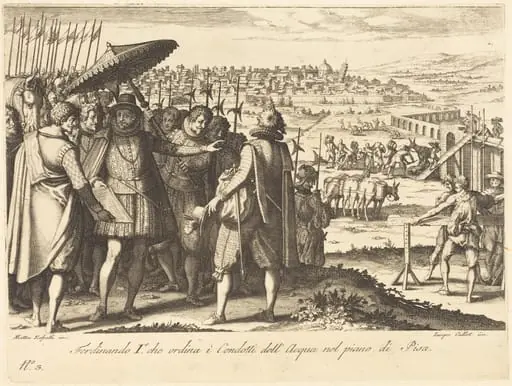 Restoration of the Aqueduct at Pisa
 Restoration of the Aqueduct at Pisa
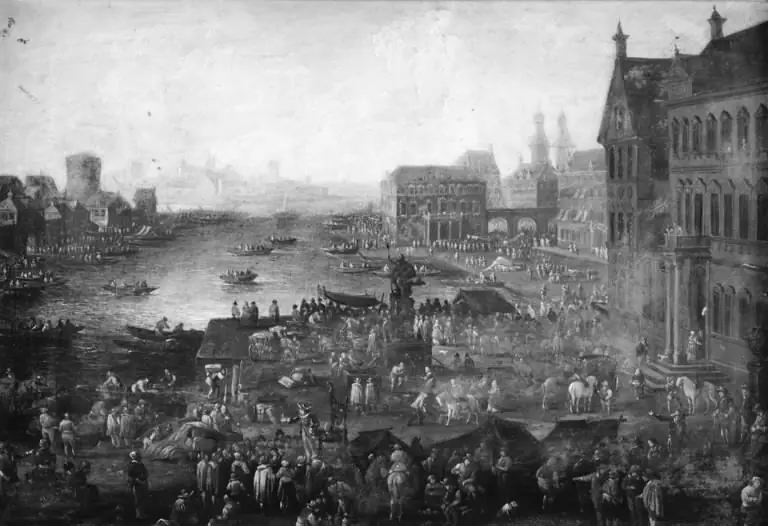 Square in Paris with Many Figures
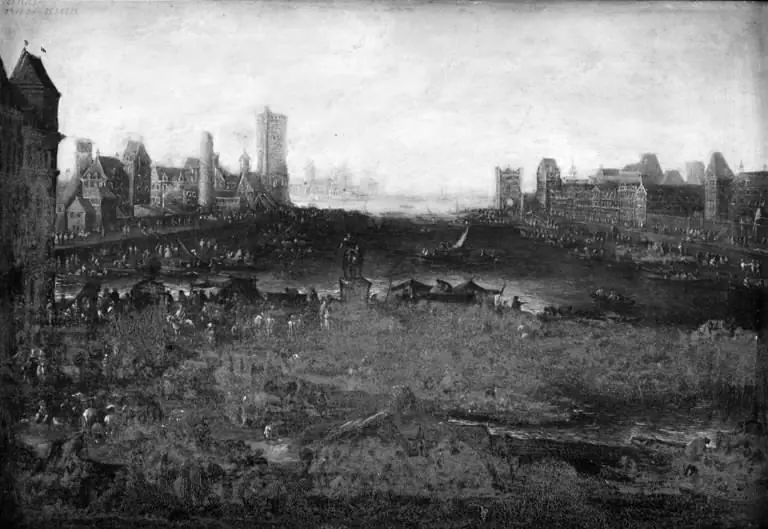 Square in Paris with Many Figures
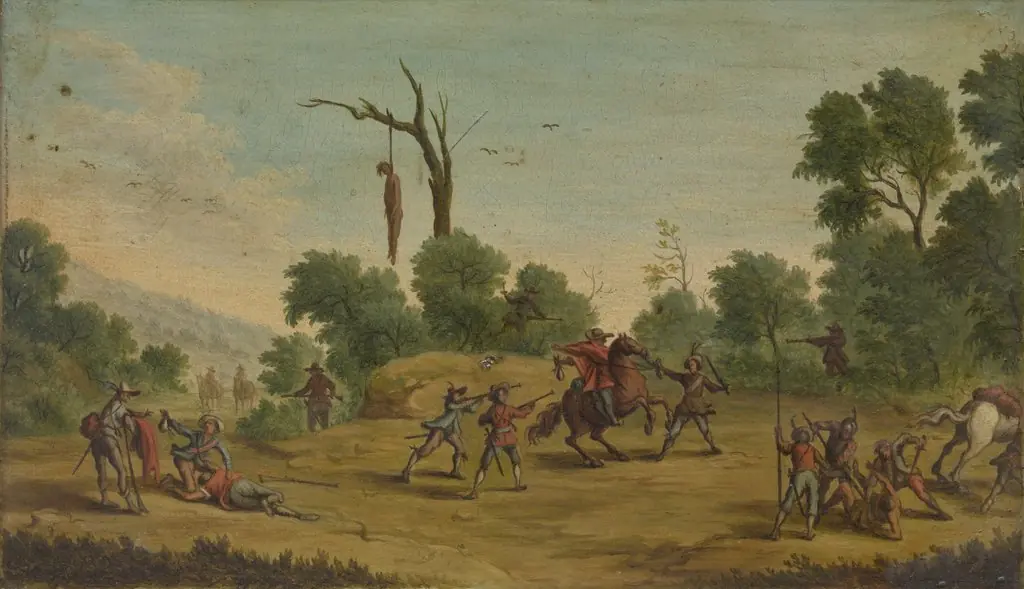 Horsemen Attacked by Robbers
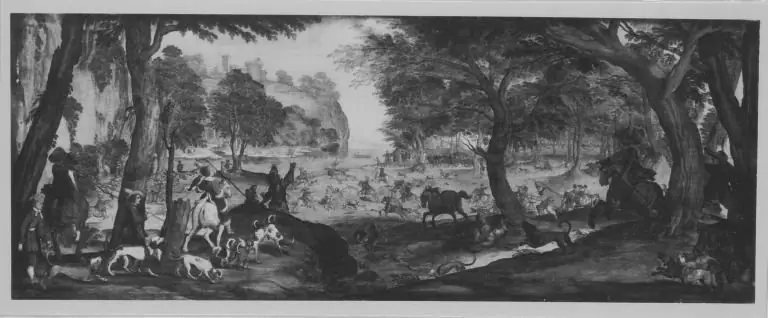 HOW WILL A COVERED PART BE CORRECTED?HOW WIKA A COVERED HEART DEED CORRECTED?
![Christ Walking on the Water [second plate], by Jacques Callot](https://artifactworldgallery.com/img/jacques-callot--christ-walking-on-the-water-second-plate--2069f3bfe4cb2126-w320.webp) Christ Walking on the Water [second plate]
Christ Walking on the Water [second plate]