Artwork
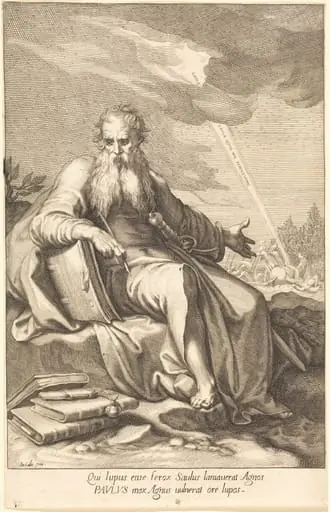
Saint Paul, Seated
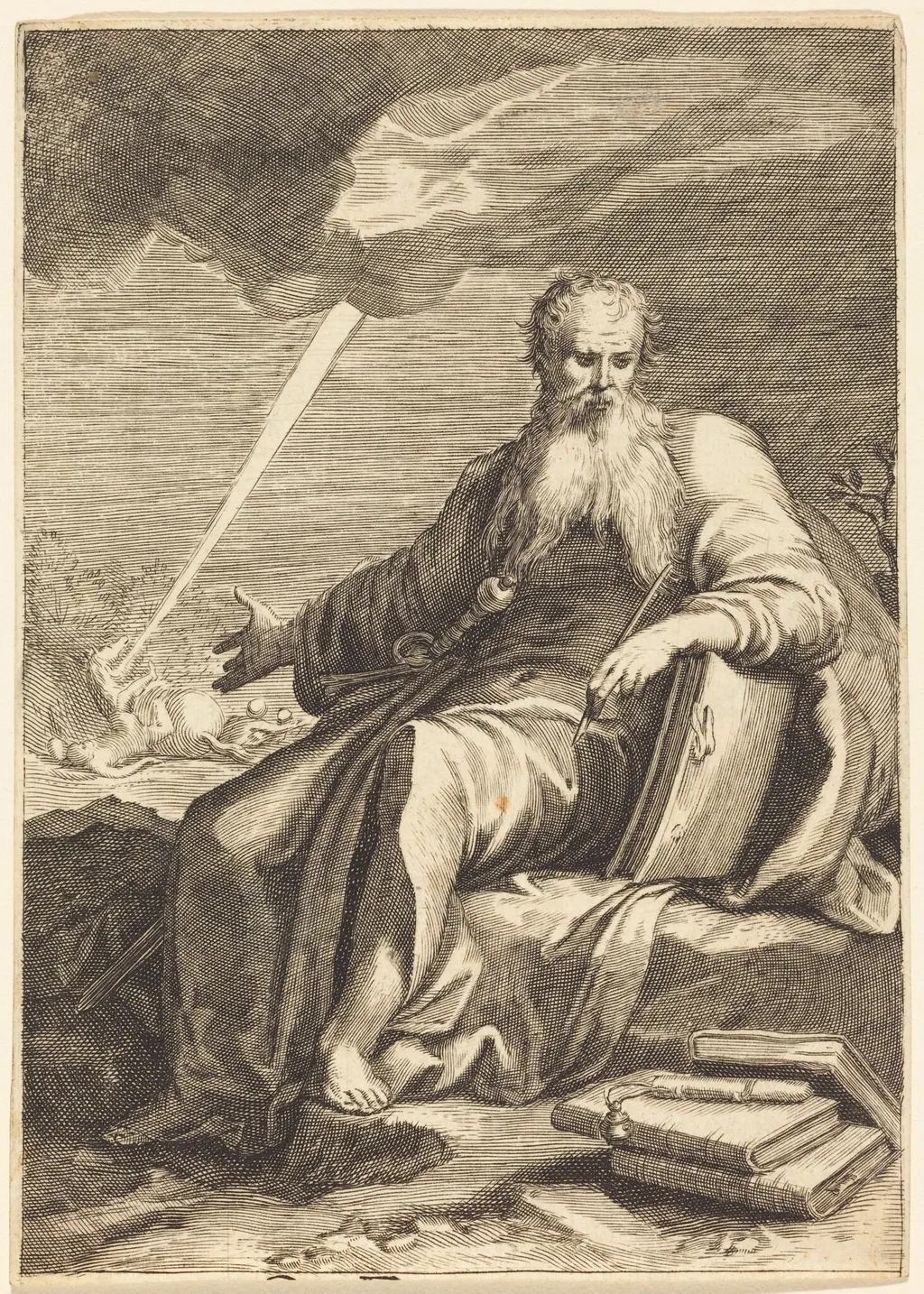
Saint Paul, Seated is an ink print by the Baroque artist French 17th Century. It dates from 1622 and is held in the collection of the National Gallery of Art. This etching depicts Saint Paul seated on a rocky outcrop, rendered in fine linear detail on laid paper.
About this work
Overview
This etching depicts Saint Paul seated on a rocky outcrop, rendered in fine linear detail on laid paper. The composition centers on the figure’s contemplative posture, with minimal background elements to direct attention to his form. The work belongs to the printmaking tradition of the early modern period, where etching allowed for intricate expression through incised lines and tonal variation.
Subject & Meaning
Saint Paul is shown as a scholar and apostle, holding a book—likely a scripture—and a staff, symbols of his theological authority and missionary journey. His bearded face and draped robe convey age and humility, aligning with traditional iconography of the saint as a thoughtful, introspective figure. The barren setting reinforces his spiritual solitude and devotion.
Technique & Style
The artist employed etching to achieve fine, controlled lines that define texture in the beard, hair, and fabric folds. The use of hatching and cross-hatching creates subtle gradations of light and shadow, giving volume without heavy shading. The paper’s laid texture subtly interacts with the ink, enhancing the tactile quality of the image while preserving a sense of spontaneity.
History & Provenance
The print’s origin is tied to the broader circulation of religious imagery in early modern Europe, where etchings served both devotional and educational purposes. Though the specific artist remains unidentified, the style aligns with Northern European printmakers active in the late 16th or early 17th century, who often reproduced biblical figures for private collections.
Context
During this period, etchings of saints were widely produced as affordable alternatives to paintings, used in homes and monastic settings. The emphasis on individual expression and quiet contemplation reflects broader Reformation-era interests in personal piety and scriptural study, shifting religious imagery toward introspective rather than ceremonial depictions.
Legacy
This work exemplifies how printmaking democratized religious imagery, allowing detailed, portable representations of sacred figures to reach wider audiences. Its restrained composition and emphasis on line influenced later generations of printmakers who valued clarity and emotional nuance over grandeur, contributing to the enduring appeal of etched portraiture.
Artist & collection

Artist
Seventeenth-century French printmakers turned ink into story. Their tools were burin and acid, paper their stage. Look at the Beggar Woman with Rosary (1622), etched on laid paper, her hands folded around faith, or The…