Artwork
Saint Paul
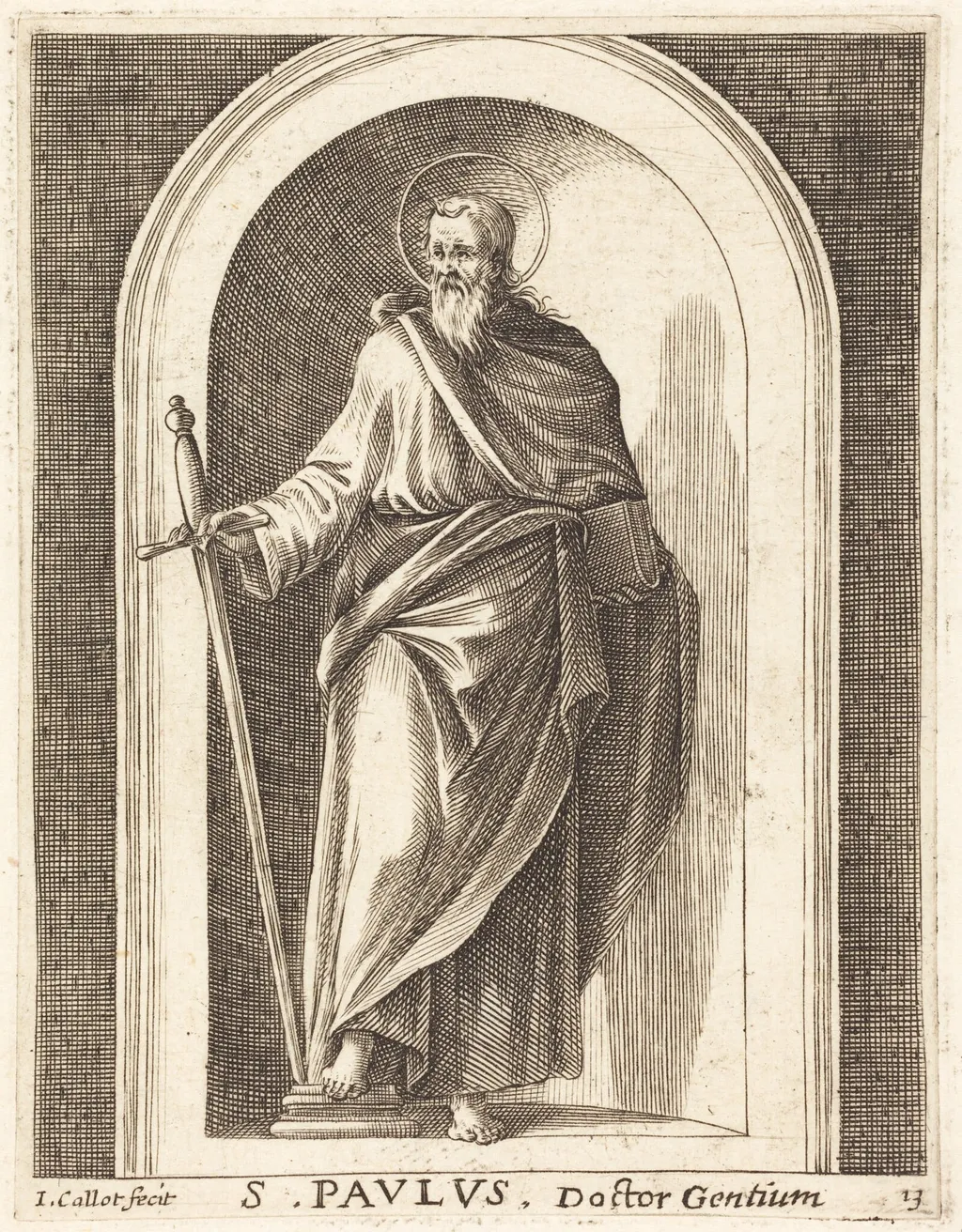
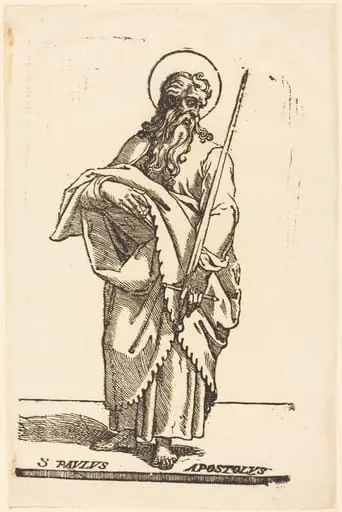
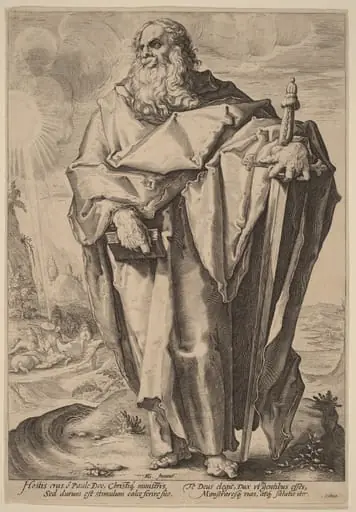
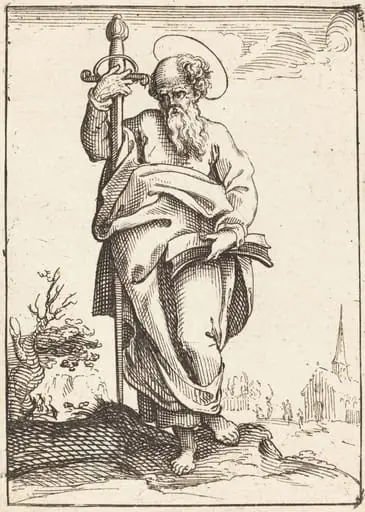
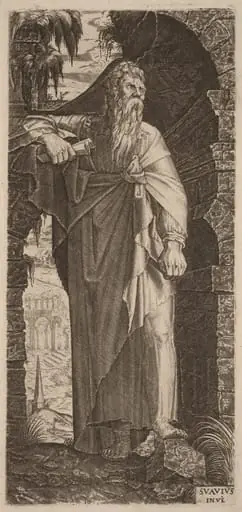
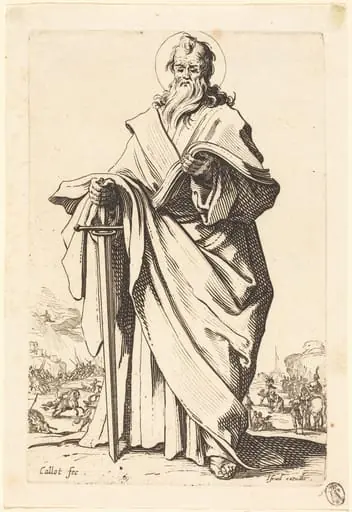
Saint Paul is an ink print by the Baroque artist Jacques Callot. It dates from 1610 and is held in the collection of the National Gallery of Art.
About this work
Overview
Callot, a Lorrainer artist renowned for his precision in printmaking, produced this work as part of a broader series of religious and secular subjects.
Created in 1610 by Jacques Callot, this engraving on laid paper portrays Saint Paul as a solitary figure within an architectural frame. Callot, a Lorrainer artist renowned for his precision in printmaking, produced this work as part of a broader series of religious and secular subjects. The image is rendered entirely in black ink, relying on fine linear techniques to define form and space without color or tone.
Subject & Meaning
The figure represents Saint Paul, identified by the Latin inscription beneath: 'S. Paulus, Doctor Gentium'—'Saint Paul, Apostle to the Gentiles.' He is depicted with a beard and flowing robes, one hand resting on his chest in contemplation, the other holding a staff, a traditional attribute symbolizing authority and spiritual guidance. The composition emphasizes his role as a teacher and missionary, grounded in quiet dignity rather than dramatic action.
Technique & Style
Callot employed fine-line engraving with dense cross-hatching to model volume and texture. The folds of Paul’s robe, the strands of his beard, and the stonework of the arch are rendered with meticulous precision. The use of closely spaced parallel lines creates subtle gradations of light and shadow, giving the figure a sculptural presence against a flat background. The clarity of line reflects Callot’s mastery of the burin and his interest in naturalistic detail.
History & Provenance
This print was made during Callot’s early career, likely in Nancy or Paris, before his move to Florence. It belongs to a group of religious engravings he produced in the first decade of the 17th century, often commissioned or circulated among scholarly and ecclesiastical circles. While its exact early ownership is undocumented, it aligns with the broader dissemination of devotional imagery in early modern Europe.
Context
In the early 1600s, religious imagery remained central to print culture, even amid growing secular interests. Callot’s depiction of Saint Paul reflects Counter-Reformation ideals, emphasizing the apostle’s intellectual and spiritual authority. The detailed landscape setting, though minimal, connects to contemporary Northern European traditions that infused sacred figures with atmospheric environments, bridging the divine and the observable world.
Legacy
Callot’s engravings, including this one, influenced later printmakers through their technical rigor and narrative restraint. His ability to convey depth and character with line alone became a benchmark for etchers and engravers across Europe. Though not widely exhibited today, this work endures in institutional collections as an example of early Baroque printmaking’s quiet precision and devotional clarity.
Artist & collection
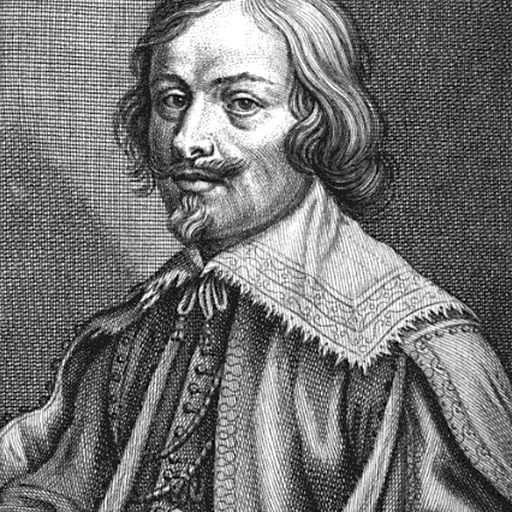
Artist
Jacques Callot was a baroque printmaker and draftsman from the Duchy of Lorraine.

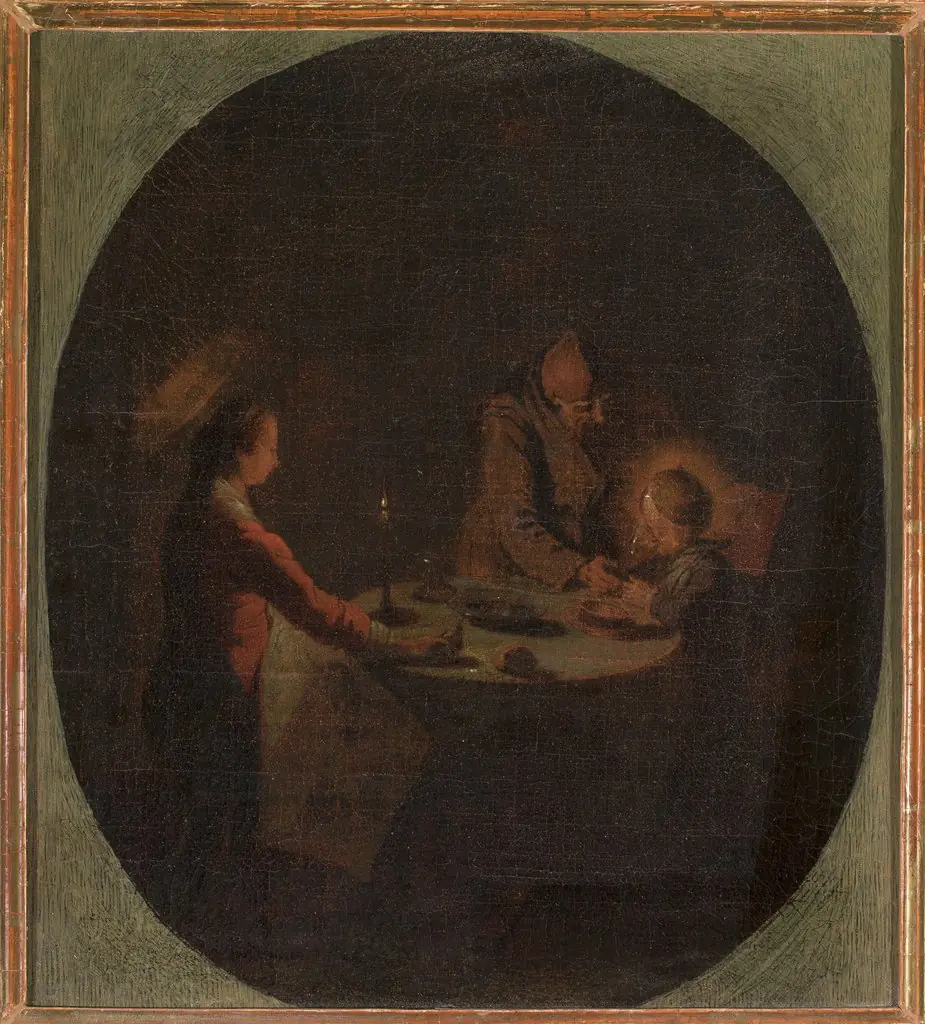 Holy Family at supper
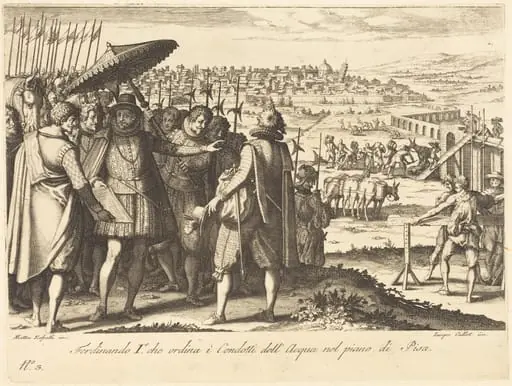 Restoration of the Aqueduct at Pisa
 Restoration of the Aqueduct at Pisa
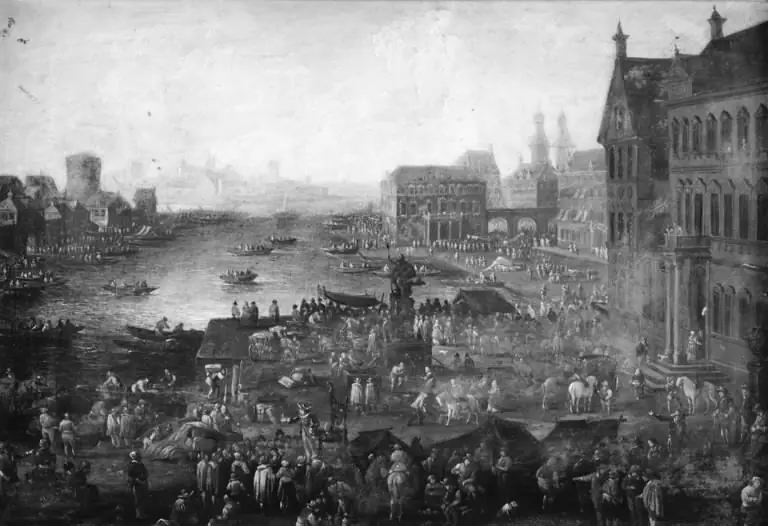 Square in Paris with Many Figures
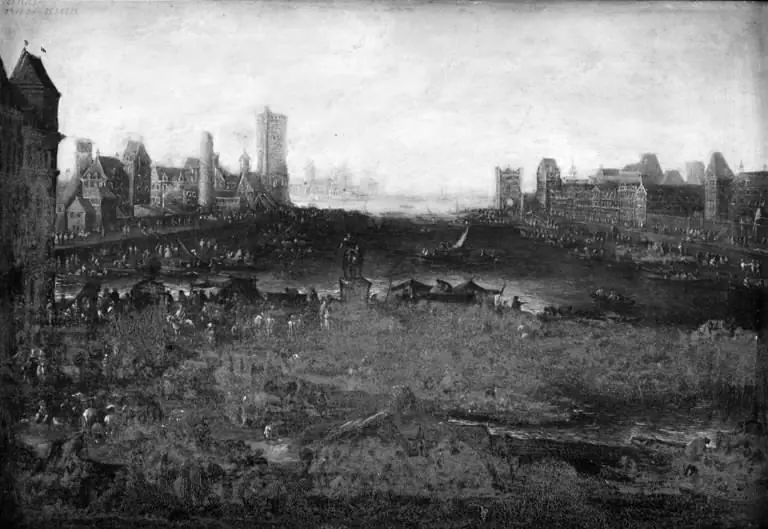 Square in Paris with Many Figures
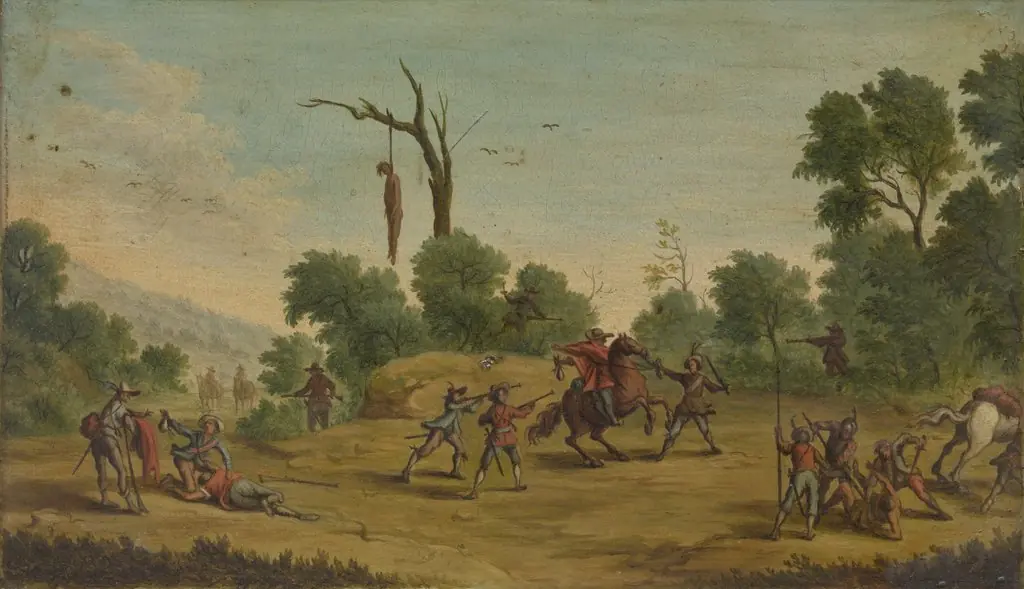 Horsemen Attacked by Robbers
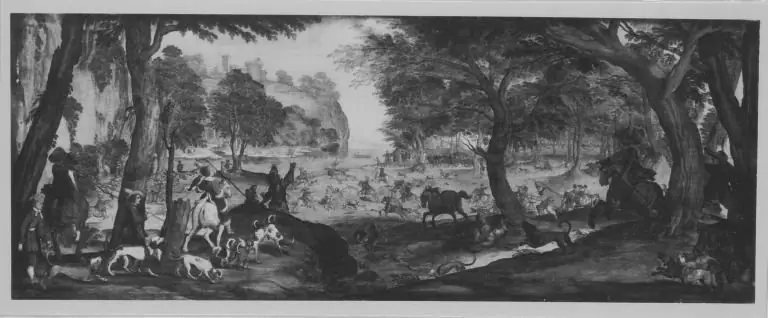 HOW WILL A COVERED PART BE CORRECTED?HOW WIKA A COVERED HEART DEED CORRECTED?
![Christ Walking on the Water [second plate], by Jacques Callot](https://artifactworldgallery.com/img/jacques-callot--christ-walking-on-the-water-second-plate--2069f3bfe4cb2126-w320.webp) Christ Walking on the Water [second plate]
Christ Walking on the Water [second plate]