Artwork
Skirmish in a Roman Circus
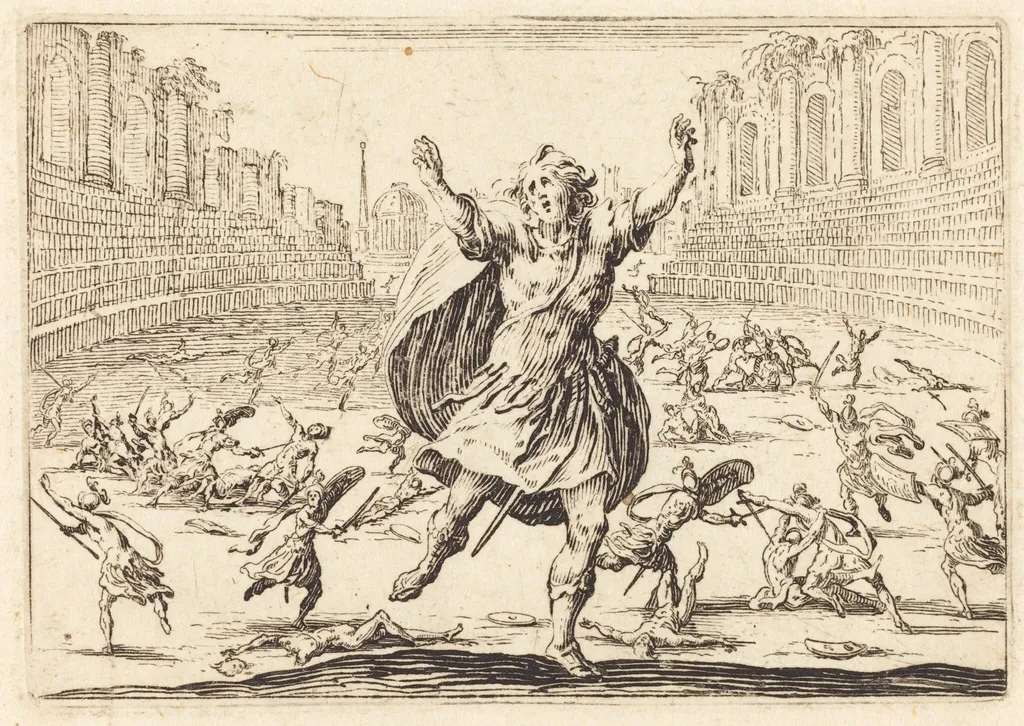
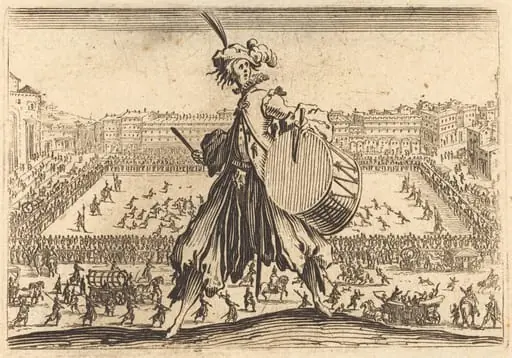
Skirmish in a Roman Circus is an ink print by the Baroque artist Jacques Callot. It dates from 1622 and is held in the collection of the National Gallery of Art.
About this work
This etching packs tiny details—soldiers on horseback, vendors hawking snacks, even a guy relieving himself in the corner.
Jacques Callot shows a chaotic Roman circus scene in 1622. Chariots race while lions snarl in cages below the stands. A crowd watches from high stone seats, some cheering, others covering their faces.
This etching packs tiny details—soldiers on horseback, vendors hawking snacks, even a guy relieving himself in the corner. Callot’s prints were famous for these sharp, lively crowds. He worked small, but every figure tells a story.
Check out more of Callot’s work at the National Gallery of Art, Washington.
Overview
Created circa 1622, *Skirmight in a Roman Circus* is an etching on laid paper by Jacques Callot, a French printmaker active in the early seventeenth century. The image captures a bustling, disorderly scene inside an ancient Roman arena, populated by charioteers, spectators, animals, and assorted figures. Callot’s composition combines architectural elements of the circus with a dense crowd, offering a vivid snapshot of public spectacle.
Subject & Meaning
The print portrays a chaotic episode within a Roman circus, where chariots race along the arena floor while lions roar from cages beneath the tiered stone seating. Spectators occupy the upper levels, some cheering, others shielding their faces, suggesting a mixture of excitement and anxiety. The inclusion of soldiers, vendors, and a lone figure relieving himself adds layers of everyday life, emphasizing the mingling of entertainment and ordinary activity.
Technique & Style
Callot employed fine etching lines on laid paper, a method that allowed him to render intricate details at a small scale. His mastery of line work creates a dense network of figures, each individually delineated, from horsemen to market sellers. The careful modulation of hatchings conveys texture in stone architecture, animal fur, and crowd clothing, demonstrating the baroque interest in movement and complexity.
History & Provenance
Part of Callot’s prolific output of more than 1,400 prints, this work reflects his early career in Lorraine before he moved to Paris. The etching entered various European collections in the eighteenth and nineteenth centuries, eventually becoming part of the holdings of the National Gallery of Art in Washington, where it is catalogued among his Roman series.
Context
During the early 1620s, Callot was renowned for documenting contemporary events, ranging from military campaigns to public entertainments. His Roman circus series draws on antiquarian interest in ancient spectacles while applying a contemporary baroque sensibility. The print aligns with a broader European fascination with classical antiquity, serving both as a historical curiosity and a commentary on the spectacle culture of his own time.
Artist & collection
Artist
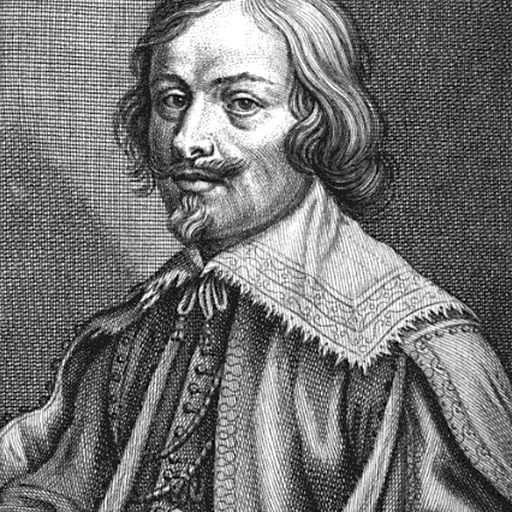
Jacques Callot was a baroque printmaker and draftsman from the Duchy of Lorraine.

 Holy Family at supper
 Restoration of the Aqueduct at Pisa
 Restoration of the Aqueduct at Pisa
 Square in Paris with Many Figures
 Square in Paris with Many Figures
 Horsemen Attacked by Robbers
 HOW WILL A COVERED PART BE CORRECTED?HOW WIKA A COVERED HEART DEED CORRECTED?
![Christ Walking on the Water [second plate], by Jacques Callot](https://artifactworldgallery.com/img/jacques-callot--christ-walking-on-the-water-second-plate--2069f3bfe4cb2126-w320.webp) Christ Walking on the Water [second plate]
Christ Walking on the Water [second plate]