Artwork
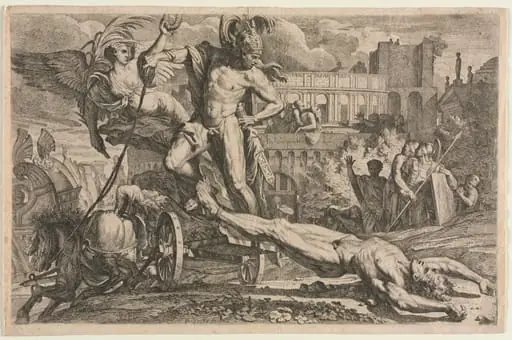
Achilles Dragging the Body of Hector
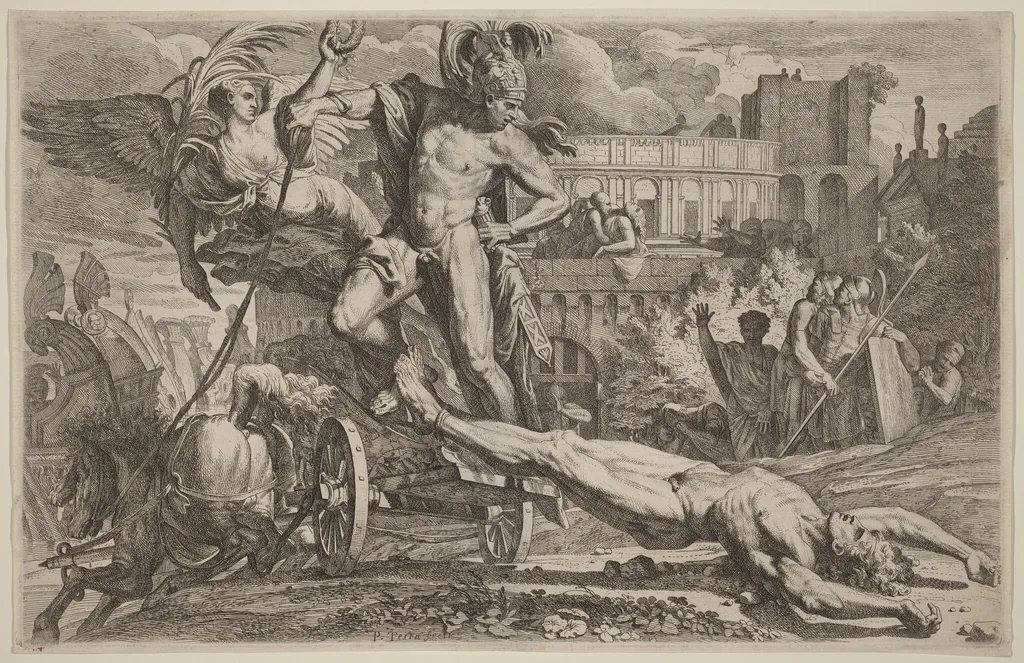
Achilles Dragging the Body of Hector is an ink print by the Baroque artist Pietro Testa. It dates from 1649 and is held in the collection of the National Gallery of Art.
About this work
Overview
Created circa 1649, this etching by Pietro Testa portrays the mythic moment when Achilles seizes the corpse of Hector. Executed in the High Baroque period, the print captures a tumultuous battlefield populated by soldiers, a fallen horse, and a distant classical architecture, all rendered in stark, energetic lines that convey both movement and stillness.
Subject & Meaning
A nude figure dragging the fallen hero’s body dominates the foreground, while a woman in flowing robes reaches upward, suggesting mourning or supplication.
The composition dramatizes the aftermath of the Trojan War’s climactic duel, emphasizing Achilles’ triumph and the tragic loss of Hector. A nude figure dragging the fallen hero’s body dominates the foreground, while a woman in flowing robes reaches upward, suggesting mourning or supplication. The juxtaposition of heroic violence and human grief reflects Baroque interests in emotional intensity and moral narrative.
Technique & Style
Testa employs fine, incisive lines typical of etching to delineate musculature, drapery, and the chaotic mass of combatants. The contrast between sharply rendered figures and the softer, atmospheric background architecture creates depth. The interplay of crisp detail and broader tonal washes heightens the dramatic tension, a hallmark of the artist’s printmaking practice.
History & Provenance
Pietro Testa, primarily known as a printmaker and draftsman, produced this work while active in Rome’s artistic circles that favored Classical ideals. Although he achieved limited recognition as a painter, his prints circulated among scholars and collectors of the period. The etching has survived in several museum collections, attesting to its continued scholarly interest.
Context
The print emerges from a Roman milieu where artists engaged with antiquarian scholarship and the revival of classical themes. Testa’s affiliation with intellectual networks informed his choice of a Homeric subject, aligning the work with contemporary efforts to reconcile ancient narratives with Baroque visual dynamism.
Artist & collection
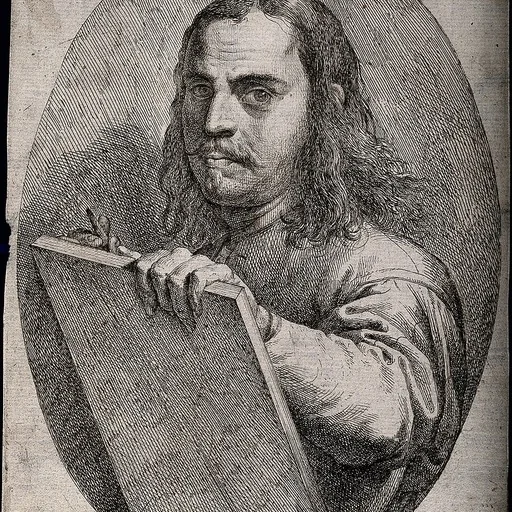
Artist
Pietro Testa (1612 – 1 March 1650) was an Italian High Baroque artist active in Rome.

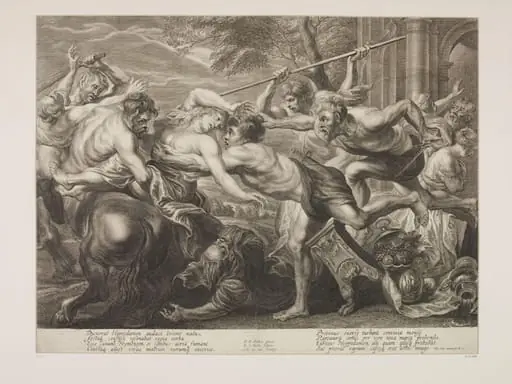 The Rape of Hippodamia
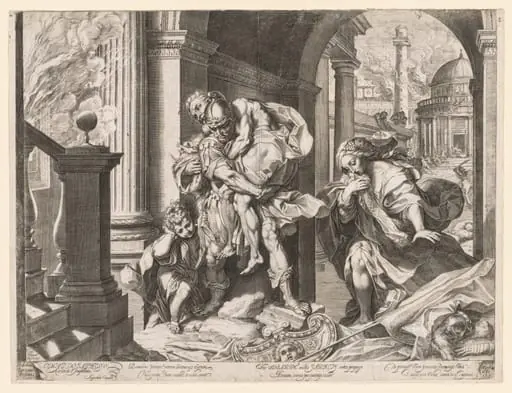 Aeneas and His Family Fleeing Troy
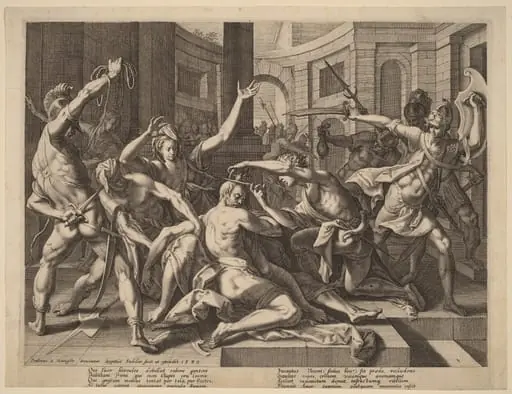 Delilah Cutting Samson's Hair
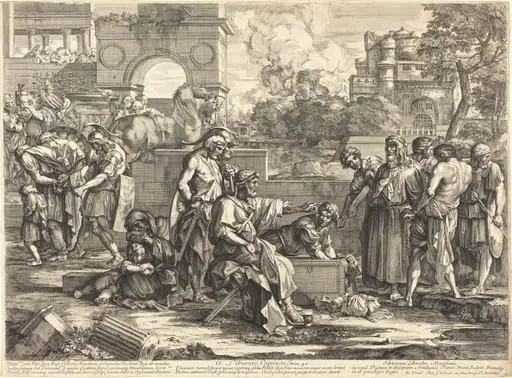 Liberare Captivos
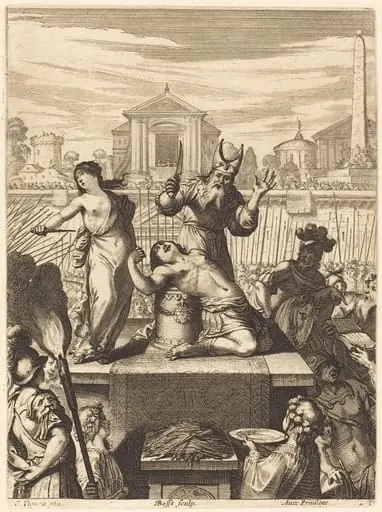 Illustration to Jean Desmarets' "L'Ariane"
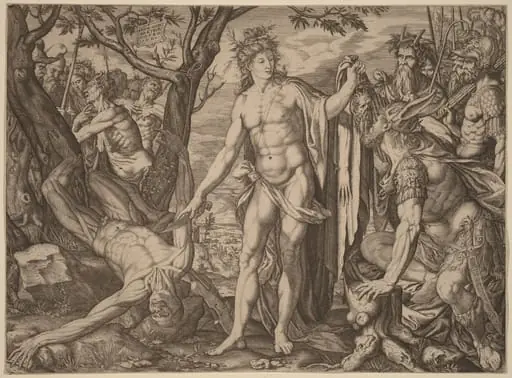 Apollo and Marsyas
 Lion Hunt
![The Martyrdom of Saints Peter and Paul [recto], by Antonio da Trento](https://artifactworldgallery.com/img/antonio-da-trento--the-martyrdom-of-saints-peter-and-paul-recto--a51e90060085a207-w320.webp) The Martyrdom of Saints Peter and Paul [recto]
The Martyrdom of Saints Peter and Paul [recto] Death of Hippolytus
 Samson and Delilah
 Moses Striking a Shepherd
 Achilles Dragging the Body of Hector