Artwork
St. Agatha; St. Dorothy; St. Romuald of Ravenna; St. Paul, Bishop of Verdun
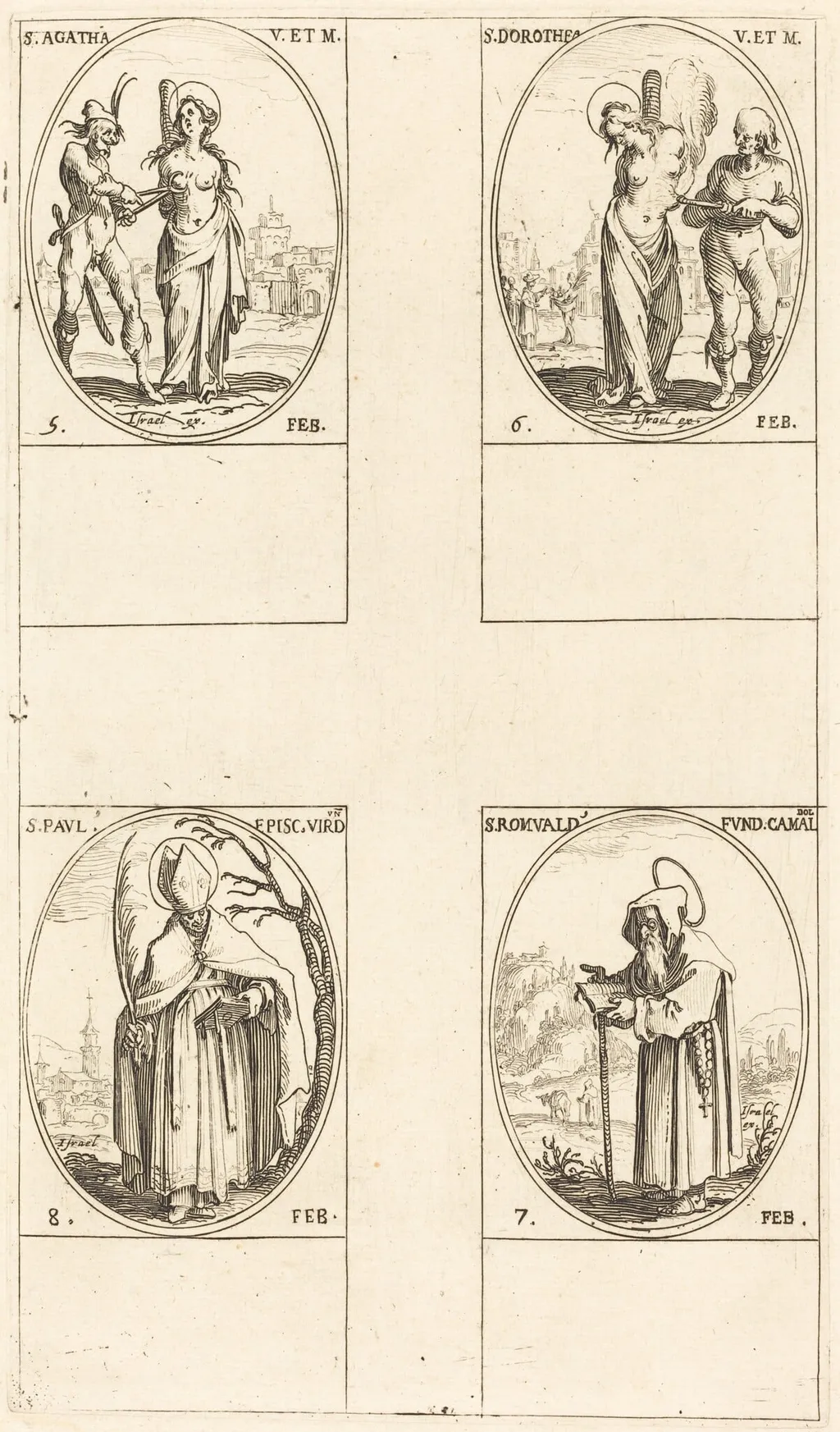
St. Agatha; St. Dorothy; St. Romuald of Ravenna; St. Paul, Bishop of Verdun is an ink print by the Baroque artist Jacques Callot. It dates from 1634 and is held in the collection of the National Gallery of Art.
About this work
Overview
Created circa 1634, this etching on laid paper presents four oval vignettes that each depict a saintly figure within a modest architectural and natural setting.
Created circa 1634, this etching on laid paper presents four oval vignettes that each depict a saintly figure within a modest architectural and natural setting. The composition groups two female saints with male companions, likely soldiers, and two male saints, each holding characteristic attributes such as a book or a staff. The work exemplifies the baroque printmaker’s skill in rendering narrative detail within a compact format.
Subject & Meaning
The four scenes identify St. Agatha, St. Dorothy, St. Romuald of Ravenna, and St. Paul, Bishop of Verdun. Traditional iconography is employed: a palm branch signals martyrdom, a book denotes learning or episcopal authority, and a staff suggests pastoral leadership. The inclusion of soldiers beside the female saints underscores their martyrdom narratives, while the serene settings invite contemplation of each saint’s virtues.
Technique & Style
Executed by etching, the image was incised into a copper plate, allowing Callot to achieve fine linear detail and nuanced chiaroscuro through varied line density. The sharp contours and deep shadows create a clear separation between figures and the background architecture, while the laid paper surface contributes a subtle texture that enhances the tonal contrasts.
History & Provenance
Jacques Callot, a prolific French printmaker from Lorraine, produced more than 1,400 etchings during his career, ranging from military subjects to religious scenes. This particular print belongs to his extensive series of devotional images, reflecting the demand for portable, reproducible religious art in the early seventeenth century. Its survival in museum collections attests to the durability of Callot’s copper plates and the continued interest in his work.
Context
In the early 1630s, the Counter‑Reformation spurred a surge in visual representations of saints, intended to reinforce Catholic identity. Callot’s prints, distributed widely across Europe, served both as instructional tools and as objects of personal piety. The baroque emphasis on drama and clear symbolism is evident in the dynamic poses and the careful selection of each saint’s attribute.
Artist & collection
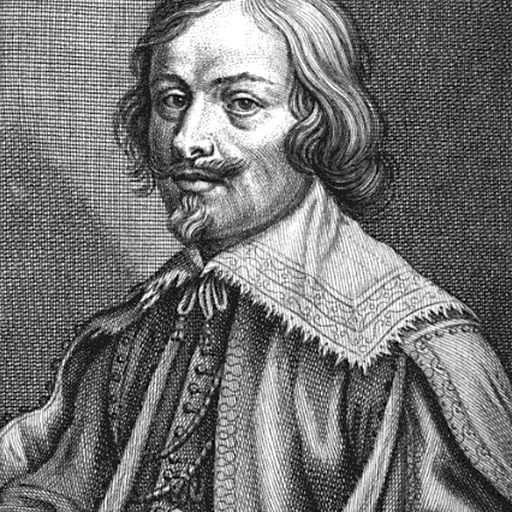
Artist
Jacques Callot was a baroque printmaker and draftsman from the Duchy of Lorraine.

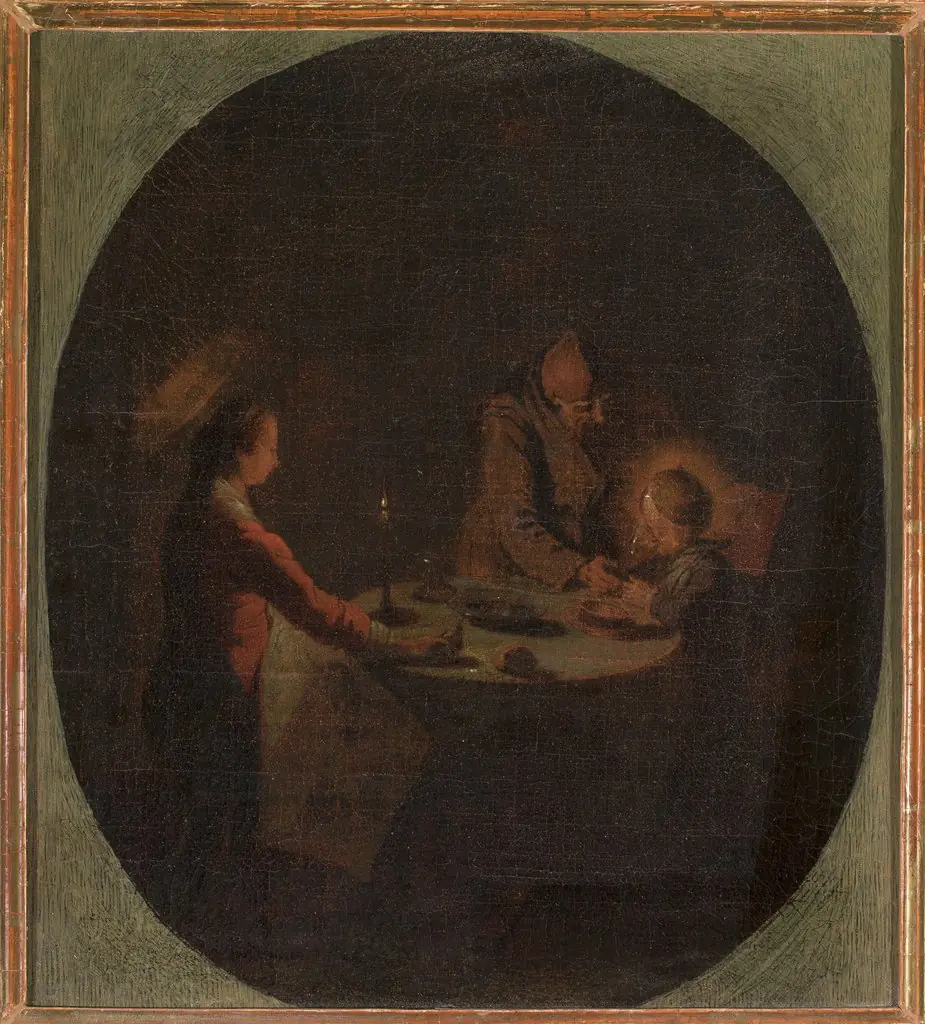 Holy Family at supper
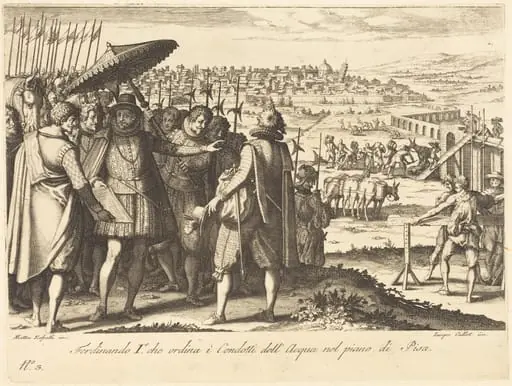 Restoration of the Aqueduct at Pisa
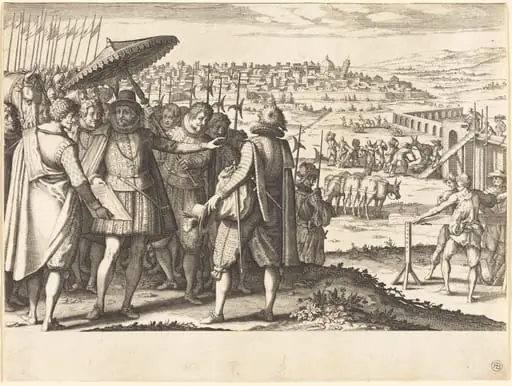 Restoration of the Aqueduct at Pisa
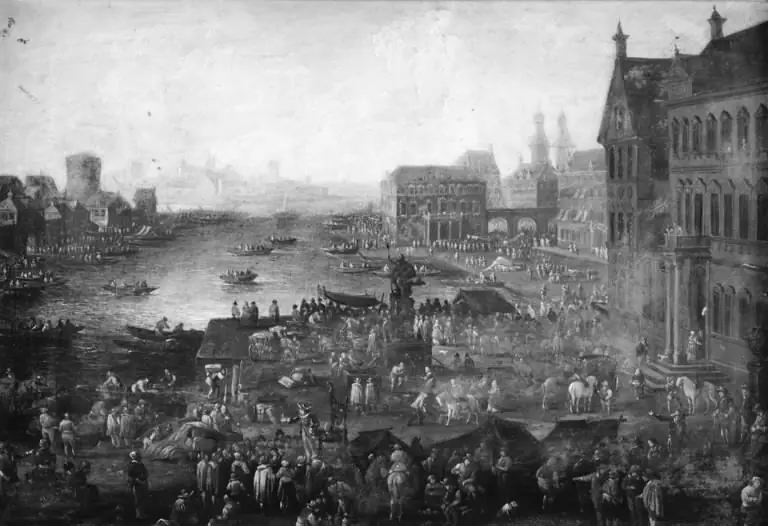 Square in Paris with Many Figures
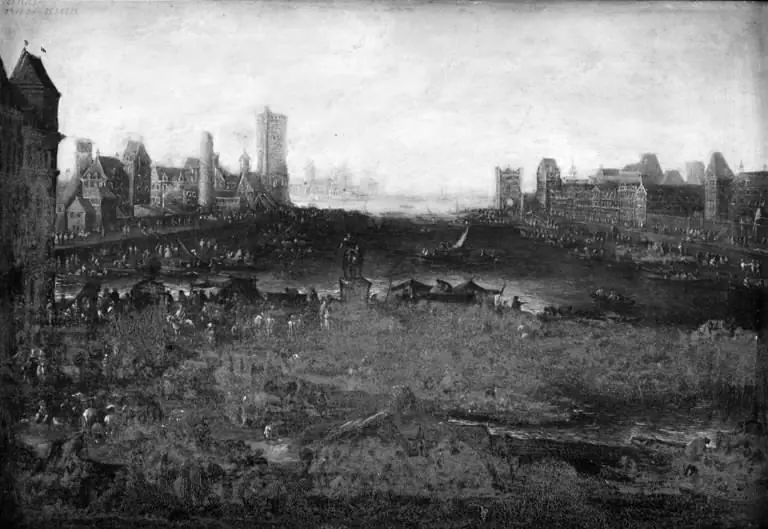 Square in Paris with Many Figures
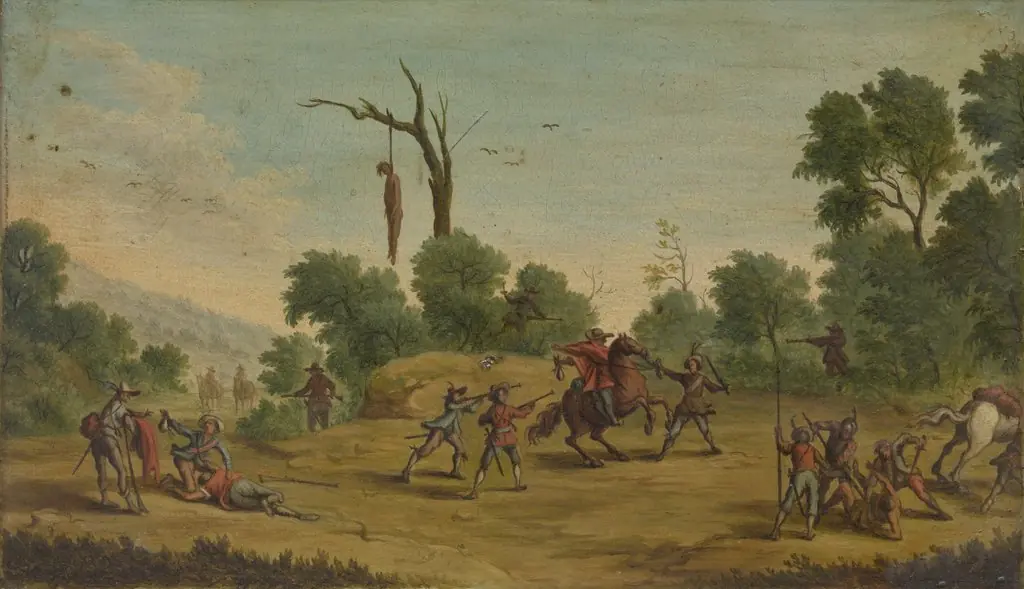 Horsemen Attacked by Robbers
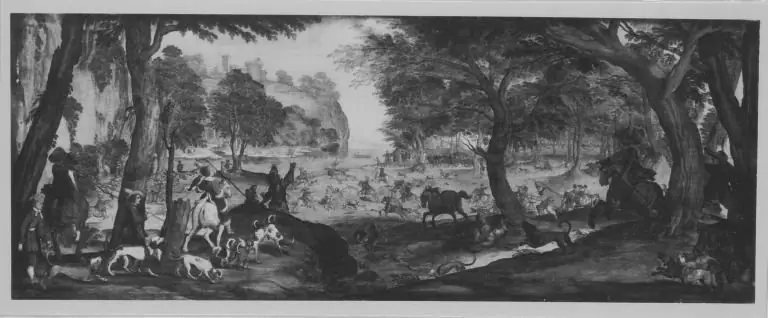 HOW WILL A COVERED PART BE CORRECTED?HOW WIKA A COVERED HEART DEED CORRECTED?
![Christ Walking on the Water [second plate], by Jacques Callot](https://artifactworldgallery.com/img/jacques-callot--christ-walking-on-the-water-second-plate--2069f3bfe4cb2126-w320.webp) Christ Walking on the Water [second plate]
Christ Walking on the Water [second plate]
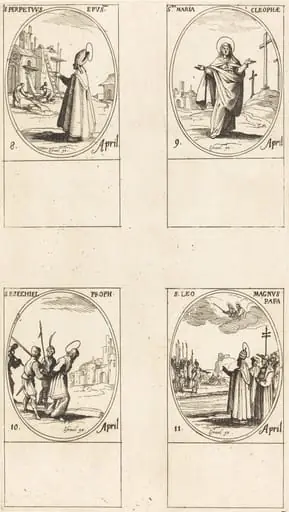 St. Perpetuus; St. Mary of Cleophas; St. Ezechiel; St. Leo the Great
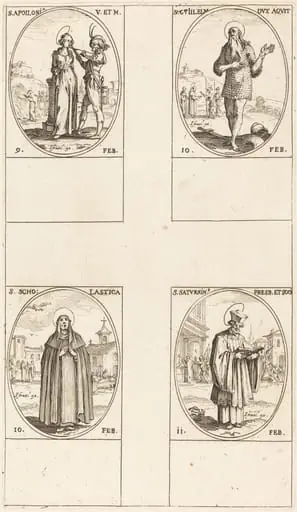 St. Apollonia; St. Guillaume; St. Scholastica; St. Saturnin
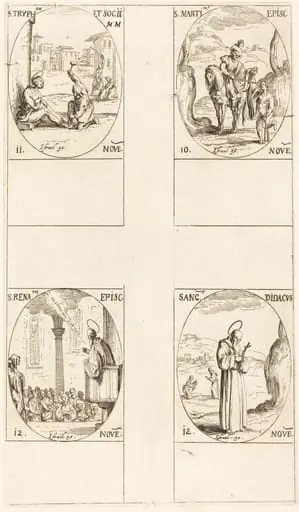 St. Martin; St. Tryphon and Companions; St. Renatus; St. Didacus
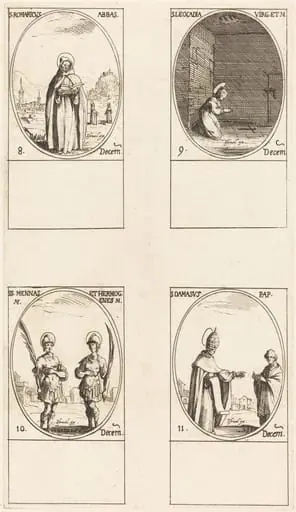 St. Romaricus; St. Leocadia; Sts. Mennas and Hermogenes; St. Damasus
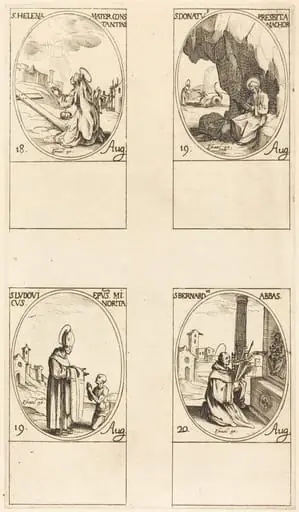 St. Helen; St. Donatus; St. Ludovicus, Bishop; St. Bernard
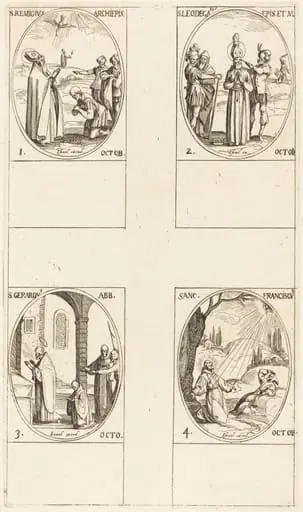 St. Remigius; St. Leodegarius; St. Gerard, Abbot; St. Francis of Assisi
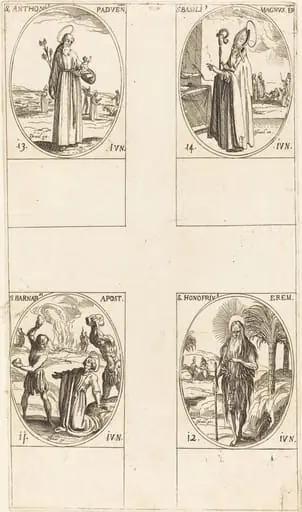 St. Barnabas, Apostle; St. Honofrius; St. Anthony of Padua; St. Basil the Great
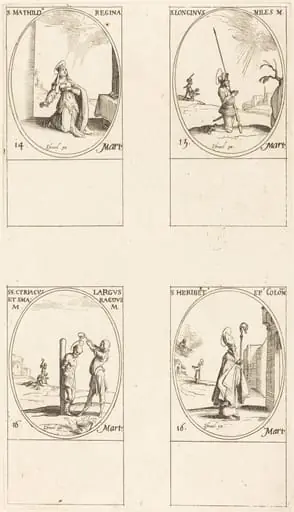 St. Matilda; St. Longinus; St. Cyriacus; St. Heribert
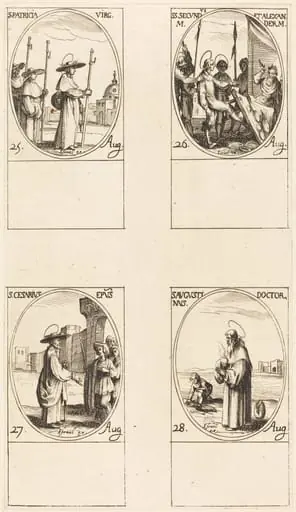 St. Patricia; Sts. Secundus and Alexander; St. Cesarius; St. Augustine