Artwork
St. Matilda; St. Longinus; St. Cyriacus; St. Heribert
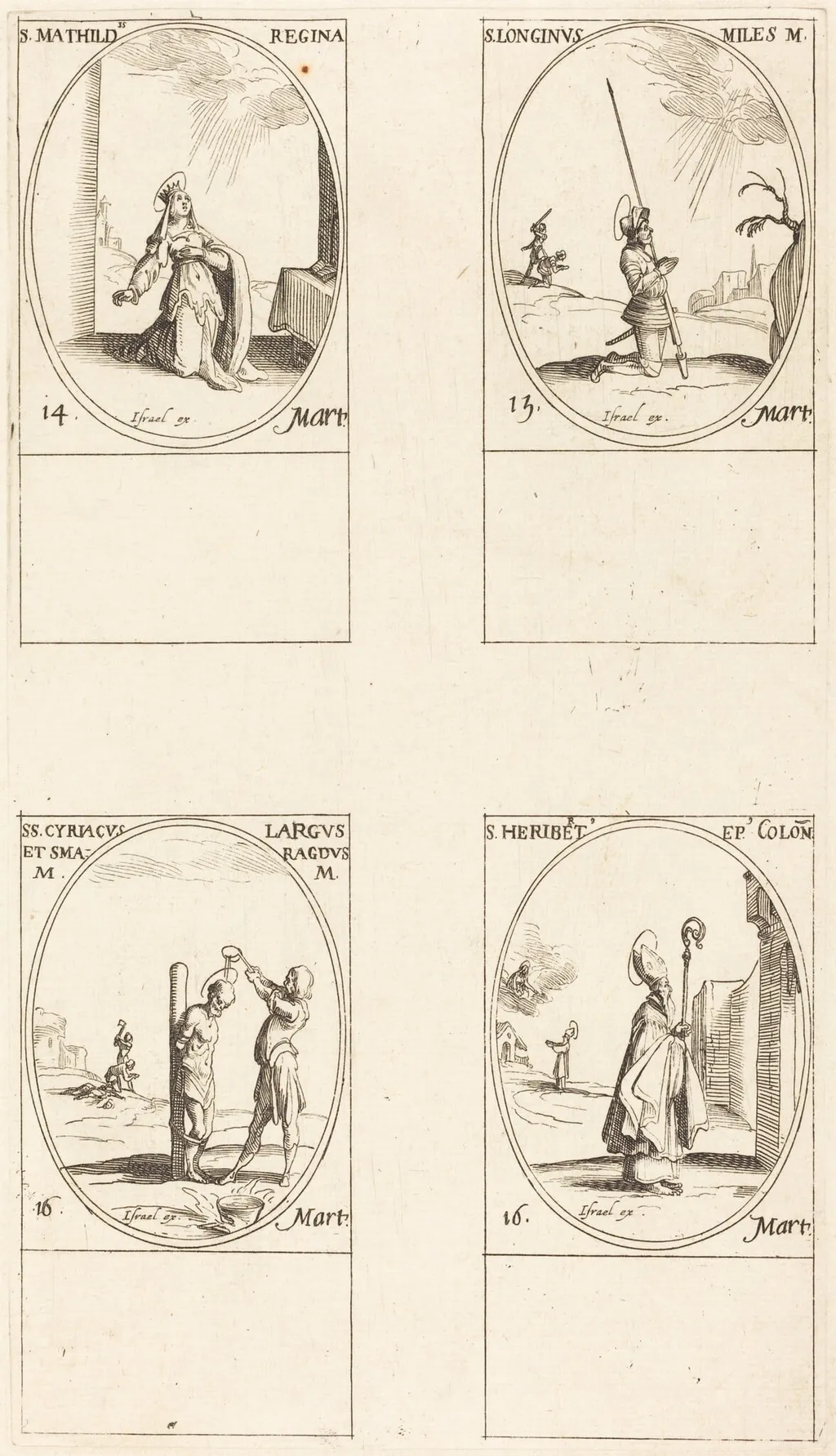
St. Matilda; St. Longinus; St. Cyriacus; St. Heribert is an ink print by the Baroque artist Jacques Callot. It dates from 1634 and is held in the collection of the National Gallery of Art.
About this work
Overview
A prolific printmaker from Lorraine, Callot produced over 1,400 etchings, often exploring religious and narrative subjects with technical precision.
Created around 1634 by Jacques Callot, this etching on laid paper presents four distinct saintly figures in separate oval frames. A prolific printmaker from Lorraine, Callot produced over 1,400 etchings, often exploring religious and narrative subjects with technical precision. This work belongs to his mature phase, showcasing his refined control of line and composition. The arrangement reflects a devotional format common in late Renaissance and Baroque print culture, where multiple sacred figures were grouped for contemplative viewing.
Subject & Meaning
Each oval depicts a different saint associated with specific martyrdoms or roles: Matilda, a royal benefactor of the Church; Longinus, the Roman soldier who pierced Christ’s side; Cyriacus, a martyr tortured for his faith; and Heribert, a bishop and patron of the poor. The scenes are not literal illustrations but symbolic vignettes, distilled to essential gestures and attributes. The inclusion of crowns, spears, lamps, and staffs serves as visual shorthand, inviting viewers to recognize each figure through traditional iconography rather than narrative detail.
Technique & Style
Callot employed fine, controlled etching lines to achieve sharp contrasts and subtle gradations of tone. The figures are rendered with minimal detail yet convey movement and emotional weight through posture and lighting. The oval frames unify the composition while isolating each scene, enhancing their meditative quality. His use of hatching and cross-hatching creates depth without heavy shading, characteristic of his ability to suggest volume and drama with economy. The paper’s laid texture subtly enhances the print’s tactile presence.
History & Provenance
This print emerged during Callot’s later years in Nancy, after his return from Florence and Paris, where he had absorbed Italian and French artistic influences. It was likely produced for private devotion or scholarly collectors, as religious prints were widely circulated among educated elites. No specific early ownership records are documented, but similar works from this period appear in major European collections, suggesting it was part of a broader series or portfolio intended for dissemination among connoisseurs of sacred imagery.
Context
In early 17th-century Europe, etching was a favored medium for religious imagery due to its reproducibility and intimacy. Callot’s work responded to Counter-Reformation demands for accessible devotional art, while retaining the humanist interest in individual expression. His depictions of saints avoided grandeur, favoring quiet, contained moments that emphasized personal faith over spectacle. This print aligns with contemporaneous practices in the Holy Roman Empire and Lorraine, where local saints were venerated alongside universal figures.
Legacy
Callot’s precision in etching influenced generations of printmakers, particularly in Northern Europe. His ability to compress complex narratives into compact, legible scenes set a standard for religious and genre prints. Though this specific group of saints is not among his most widely studied works, it exemplifies his consistent approach: dignified simplicity, technical mastery, and a focus on the individual within sacred history. The print remains a quiet testament to his role in elevating etching as a serious artistic medium.
Artist & collection
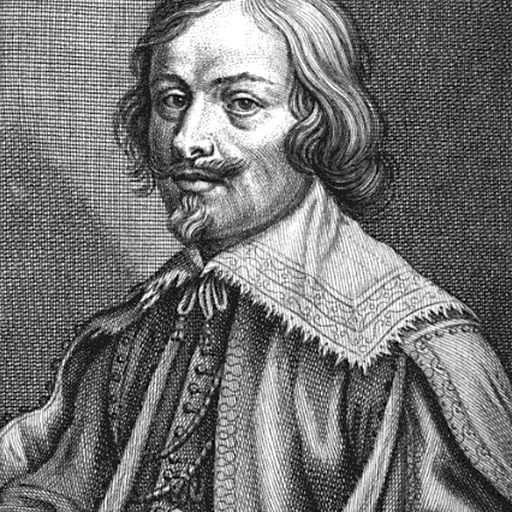
Artist
Jacques Callot was a baroque printmaker and draftsman from the Duchy of Lorraine.

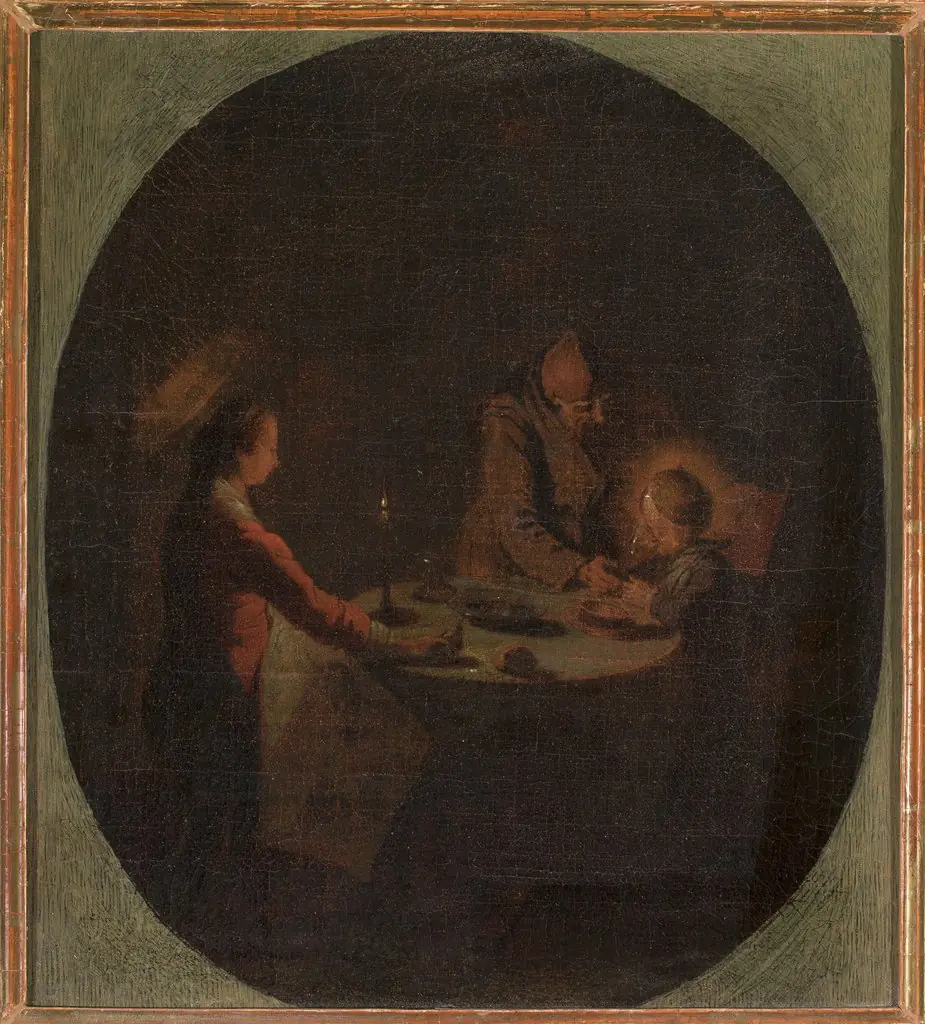 Holy Family at supper
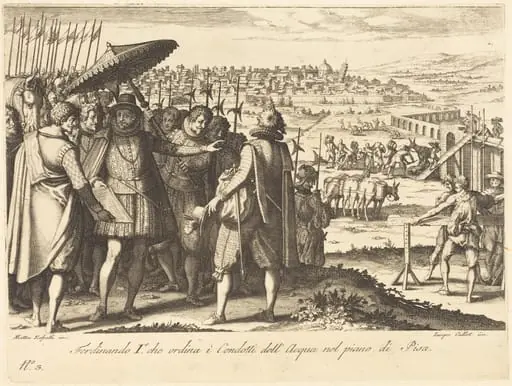 Restoration of the Aqueduct at Pisa
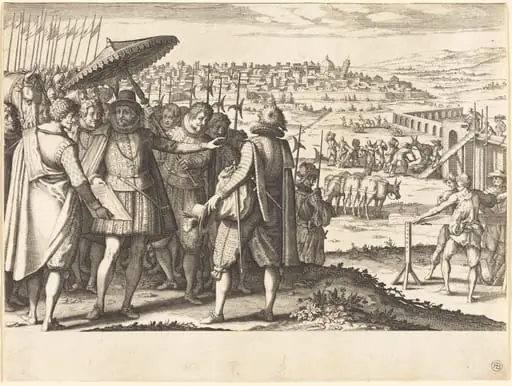 Restoration of the Aqueduct at Pisa
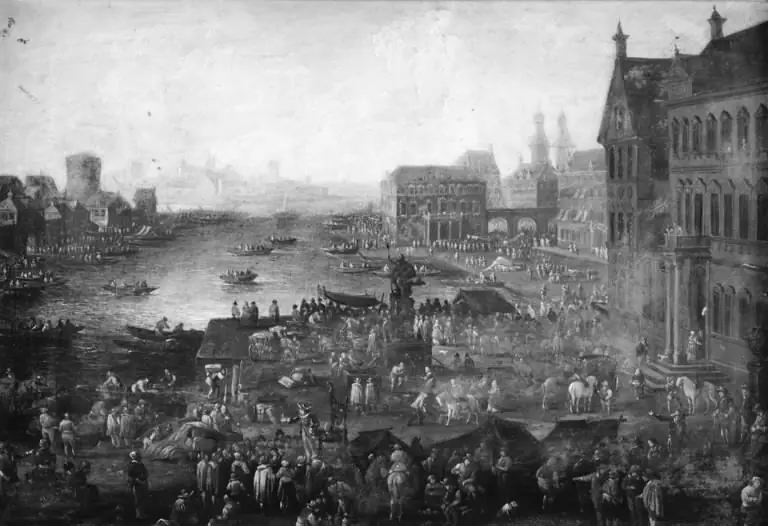 Square in Paris with Many Figures
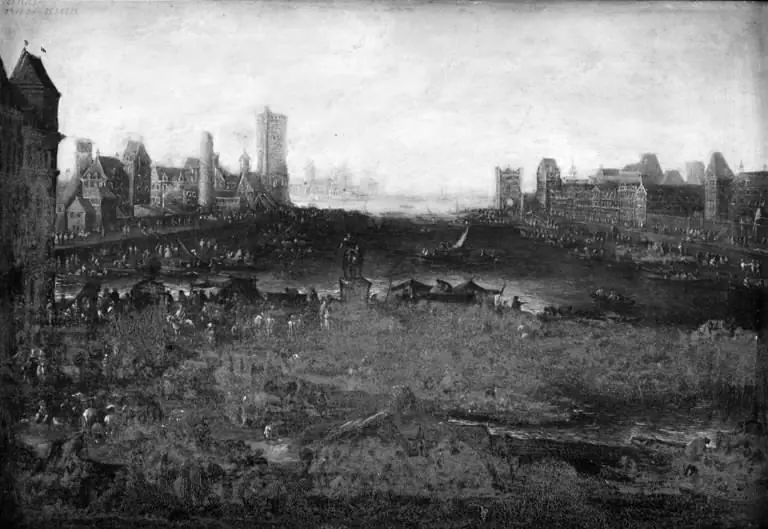 Square in Paris with Many Figures
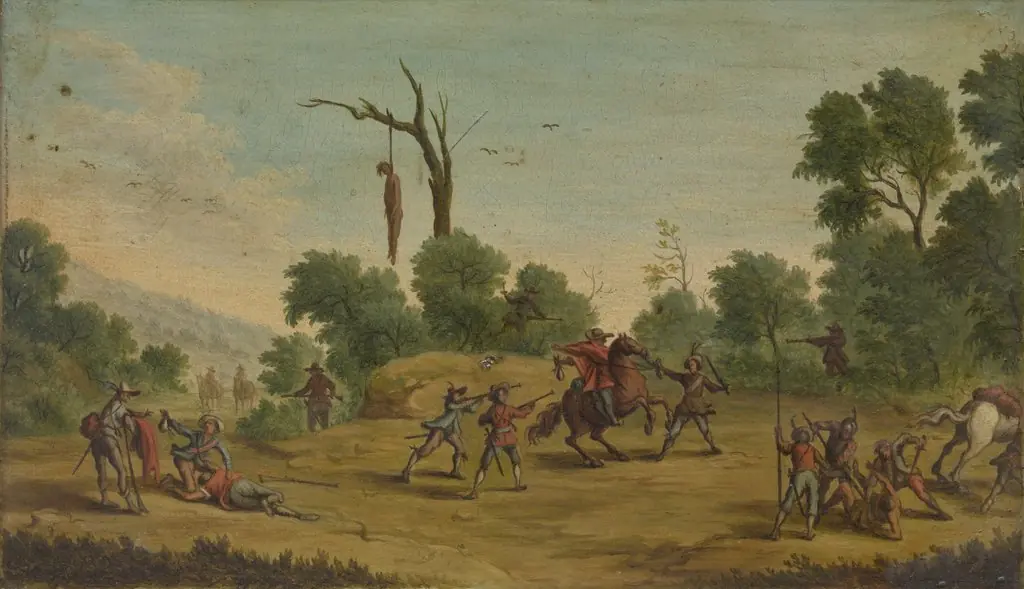 Horsemen Attacked by Robbers
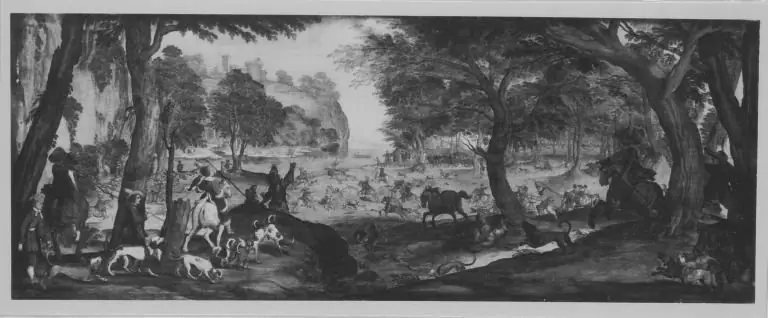 HOW WILL A COVERED PART BE CORRECTED?HOW WIKA A COVERED HEART DEED CORRECTED?
![Christ Walking on the Water [second plate], by Jacques Callot](https://artifactworldgallery.com/img/jacques-callot--christ-walking-on-the-water-second-plate--2069f3bfe4cb2126-w320.webp) Christ Walking on the Water [second plate]
Christ Walking on the Water [second plate]
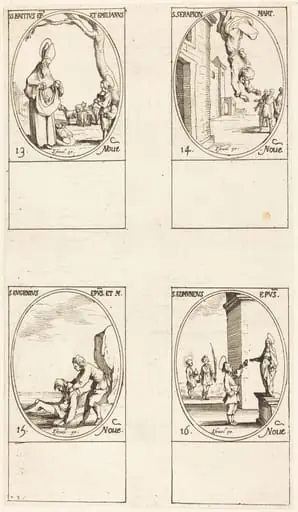 St. Brice; St. Serapion; St. Eugenius; St. Edmund
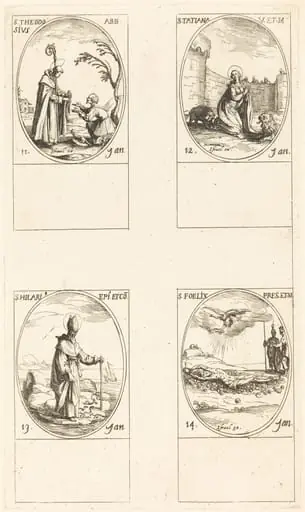 St. Theodosius; St. Tatiana; St. Hilary; St. Felix
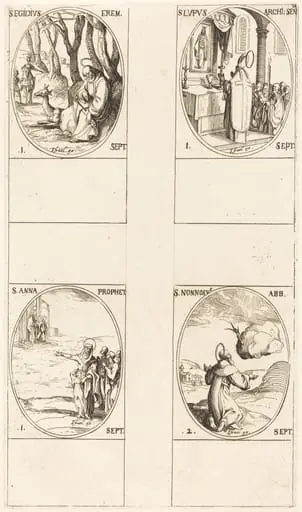 St. Giles; St. Lupus; St. Anne; St. Nonnosus
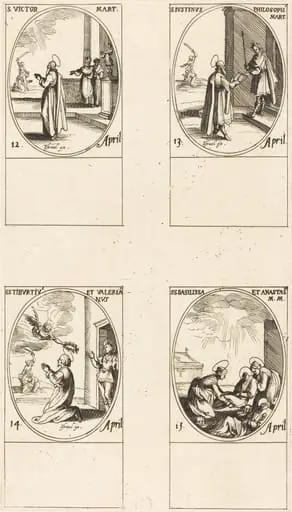 St. Victor; St. Justinus; Sts. Tiburtius and Valerianus; Sts. Basilissa and Anastasia
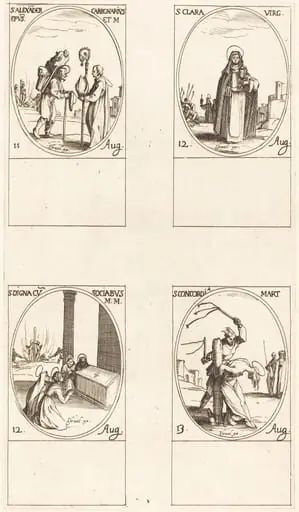 St. Alexander Carbonarius; St. Clare; St. Digna and Companions; St. Concordia
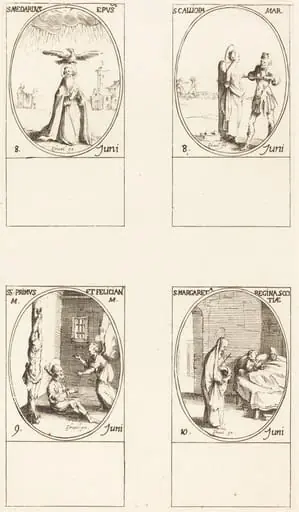 St. Medard; St. Calliopa; Sts. Primus and Felician; St. Margaret of Scotland
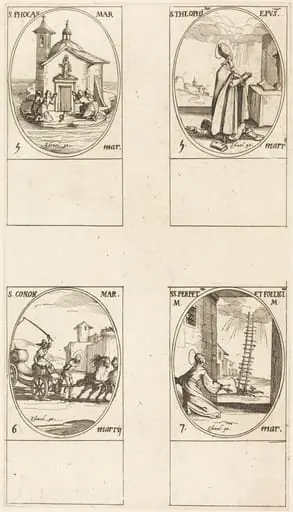 St. Phocas; St. Theophilus; St. Conon; Sts. Perpetua and Felicitas
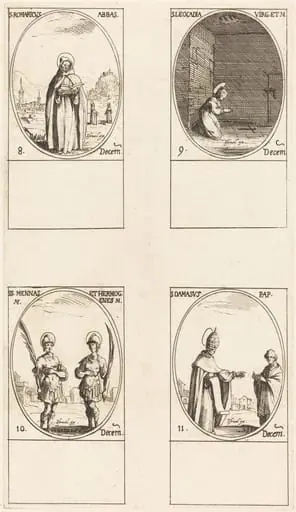 St. Romaricus; St. Leocadia; Sts. Mennas and Hermogenes; St. Damasus
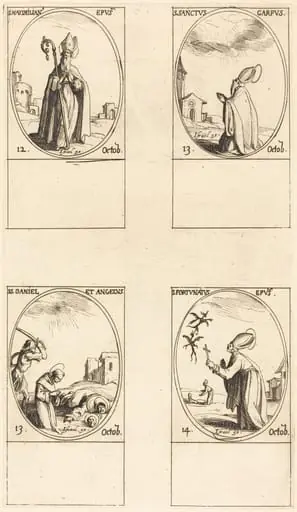 St. Maximilian; St. Carpus; St. Daniel and Angelus; St. Fortunatus
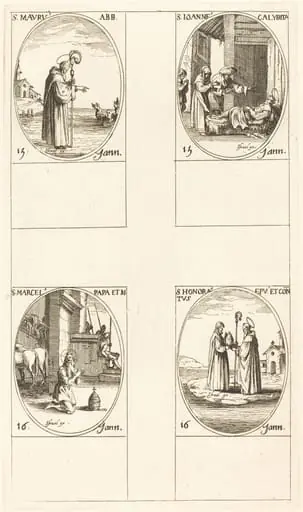 St. Maurus; St. John Calybite; St. Marcellus; St. Honoratus