Artwork
St. Medard; St. Calliopa; Sts. Primus and Felician; St. Margaret of Scotland
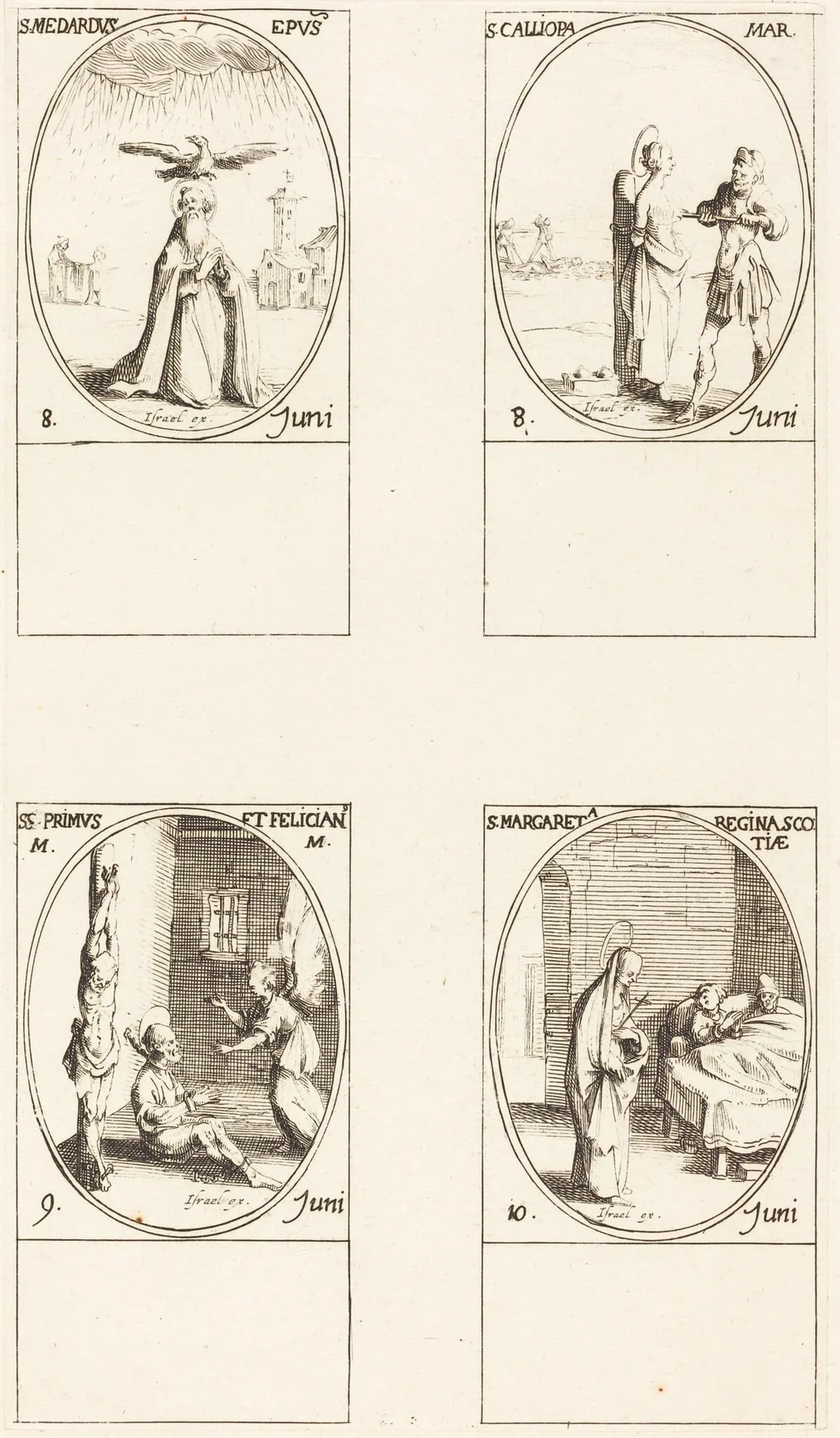
St. Medard; St. Calliopa; Sts. Primus and Felician; St. Margaret of Scotland is an ink print by the Baroque artist Jacques Callot. It dates from 1634 and is held in the collection of the National Gallery of Art. Created circa 1634, this etching on laid paper presents four distinct saintly narratives within oval frames.
About this work
Overview
Created circa 1634, this etching on laid paper presents four distinct saintly narratives within oval frames. The French baroque printmaker Jacques Callot, active in the Duchy of Lorraine, arranged each vignette to highlight a different holy figure, employing his characteristic fine line work and cross‑hatching to model form and space.
Subject & Meaning
The bottom right presents Saint Margaret of Scotland standing beside a man with a dragon at her feet, alluding to her legendary triumph over a demonic beast.
The upper left panel shows Saint Medard beneath an angelic figure with outstretched wings, suggesting divine protection. The top right depicts Saint Calliopa accompanied by a companion holding a book, evoking her role as a learned martyr. In the lower left, a kneeling, haloed figure reaches toward a cross on a pole, representing the martyrdom of Saints Primus and Felician. The bottom right presents Saint Margaret of Scotland standing beside a man with a dragon at her feet, alluding to her legendary triumph over a demonic beast.
Technique & Style
Callot employed the etching process, incising delicate lines into a copper plate and transferring them onto laid paper. His use of fine cross‑hatching creates subtle tonal variations, giving each scene depth despite the small scale. The composition’s tight framing and clear delineation of figures reflect the baroque interest in narrative clarity and devotional immediacy.
History & Provenance
Part of Callot’s extensive series of religious prints, this sheet reflects his prolific output of over 1,400 etchings that documented contemporary religious, military, and courtly subjects. The work likely circulated among collectors and devotional patrons in the mid‑17th century, though specific ownership records before its modern acquisition are not documented.
Context
During the early 1630s, Lorraine’s artistic climate was shaped by both French and Italian baroque influences. Callot’s prints served as affordable, reproducible images for private devotion, aligning with Counter‑Reformation efforts to promote saintly exemplars. The inclusion of multiple saints on a single sheet mirrors the period’s practice of grouping holy figures for didactic purposes.
Artist & collection
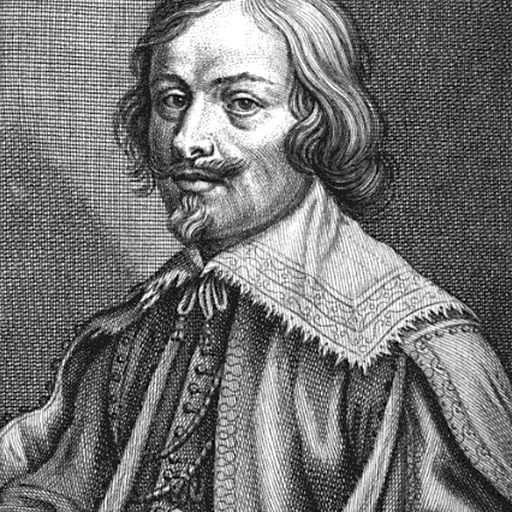
Artist
Jacques Callot was a baroque printmaker and draftsman from the Duchy of Lorraine.

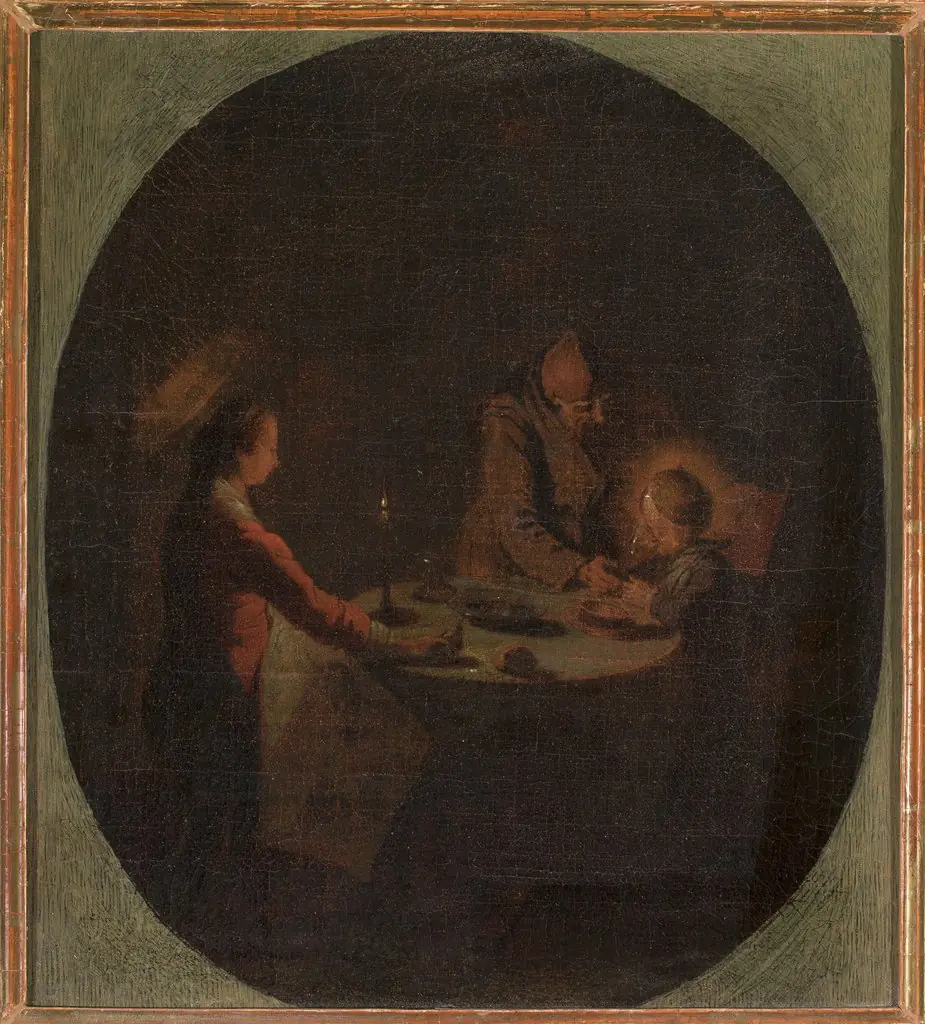 Holy Family at supper
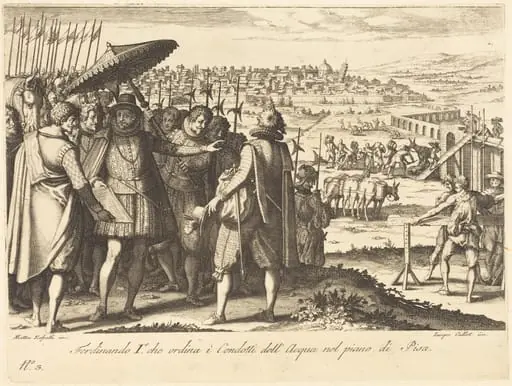 Restoration of the Aqueduct at Pisa
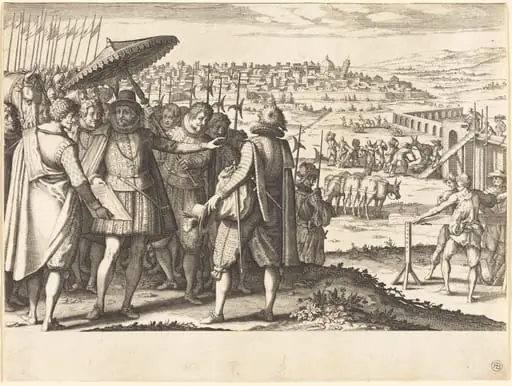 Restoration of the Aqueduct at Pisa
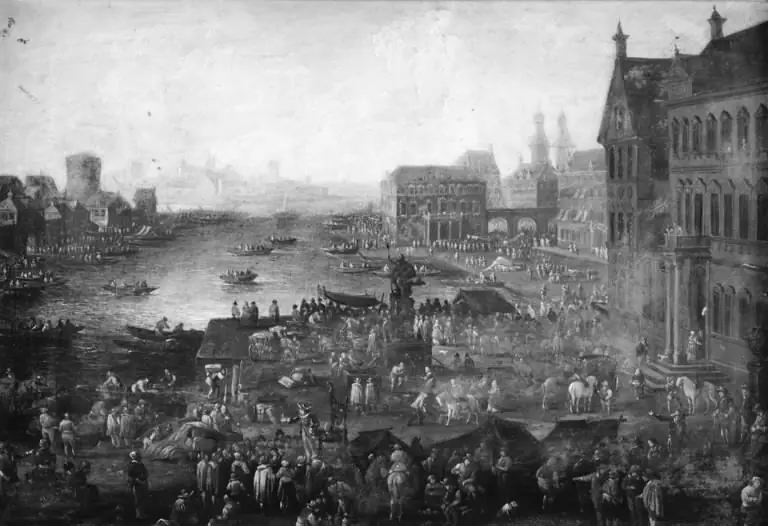 Square in Paris with Many Figures
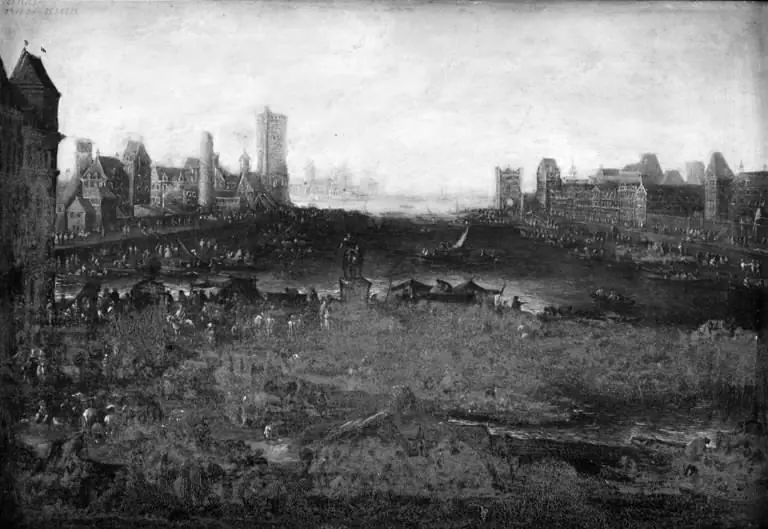 Square in Paris with Many Figures
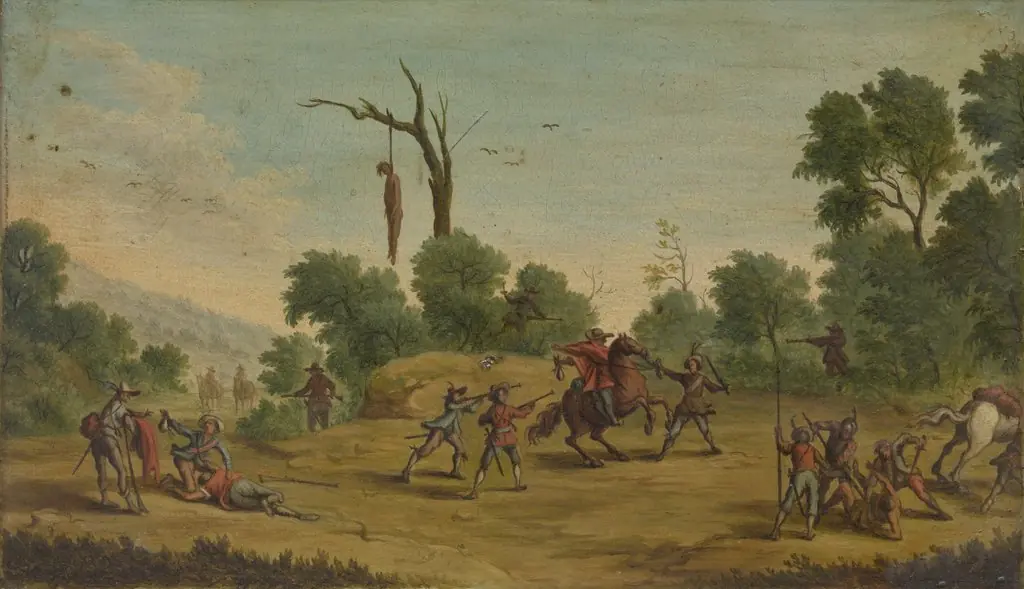 Horsemen Attacked by Robbers
 HOW WILL A COVERED PART BE CORRECTED?HOW WIKA A COVERED HEART DEED CORRECTED?
![Christ Walking on the Water [second plate], by Jacques Callot](https://artifactworldgallery.com/img/jacques-callot--christ-walking-on-the-water-second-plate--2069f3bfe4cb2126-w320.webp) Christ Walking on the Water [second plate]
Christ Walking on the Water [second plate]
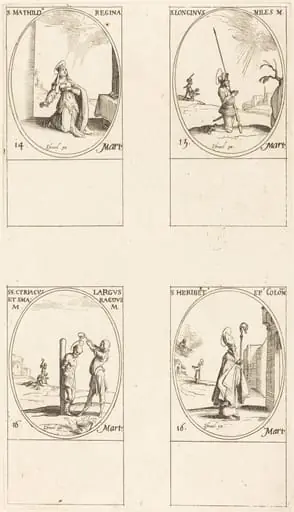 St. Matilda; St. Longinus; St. Cyriacus; St. Heribert
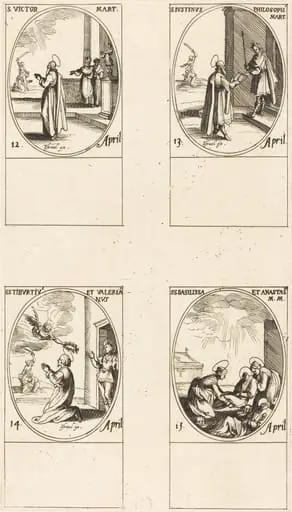 St. Victor; St. Justinus; Sts. Tiburtius and Valerianus; Sts. Basilissa and Anastasia
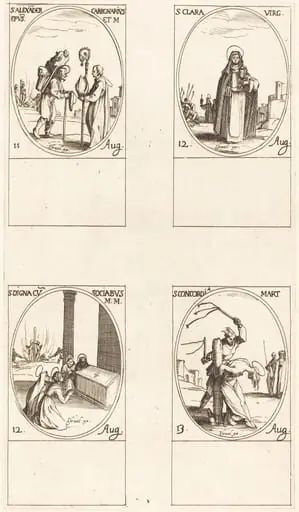 St. Alexander Carbonarius; St. Clare; St. Digna and Companions; St. Concordia
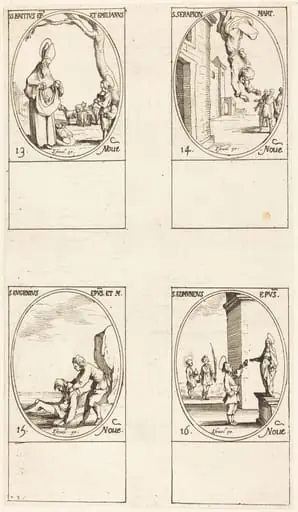 St. Brice; St. Serapion; St. Eugenius; St. Edmund
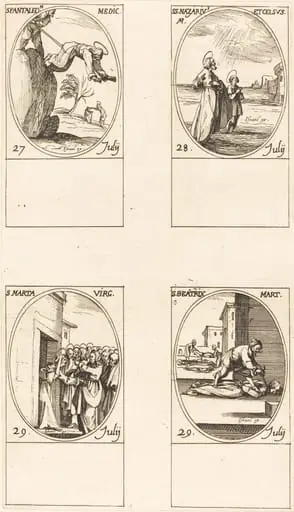 St. Pantaleon; Sts. Nazarius and Celsus; St. Martha; St. Beatrice
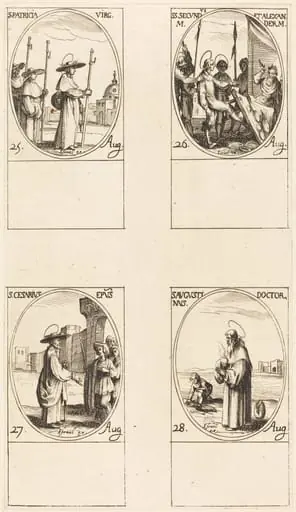 St. Patricia; Sts. Secundus and Alexander; St. Cesarius; St. Augustine
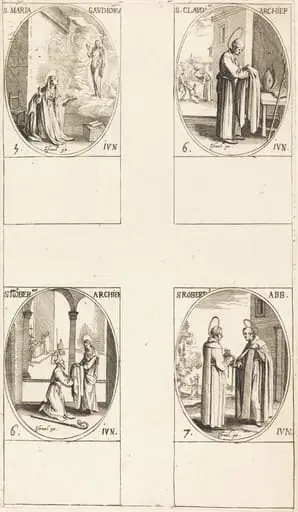 St. Maria Gaudioru; St. Cladius; St. Norbert; St. Robert
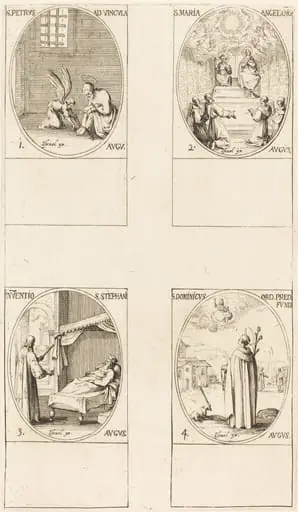 St. Peter, Apostle; St. Mary of Angels; Discovery of the Body of St. Stephen; St. Dominicus
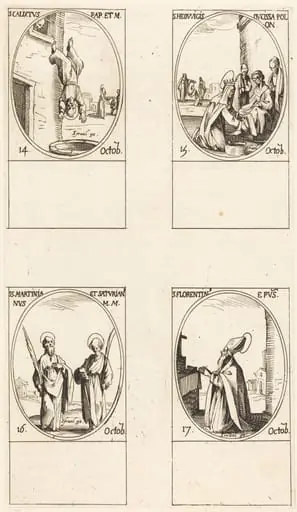 St. Calixtus; St. Hedwiges; Sts. Martinian and Saturian; St. Florentinus
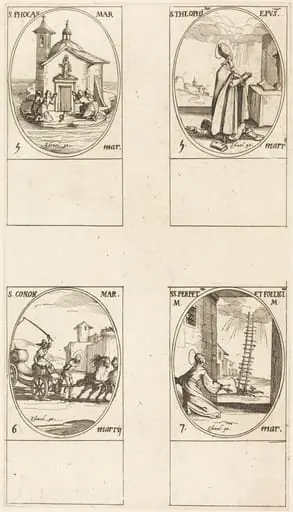 St. Phocas; St. Theophilus; St. Conon; Sts. Perpetua and Felicitas