Artwork
Taking of Bone
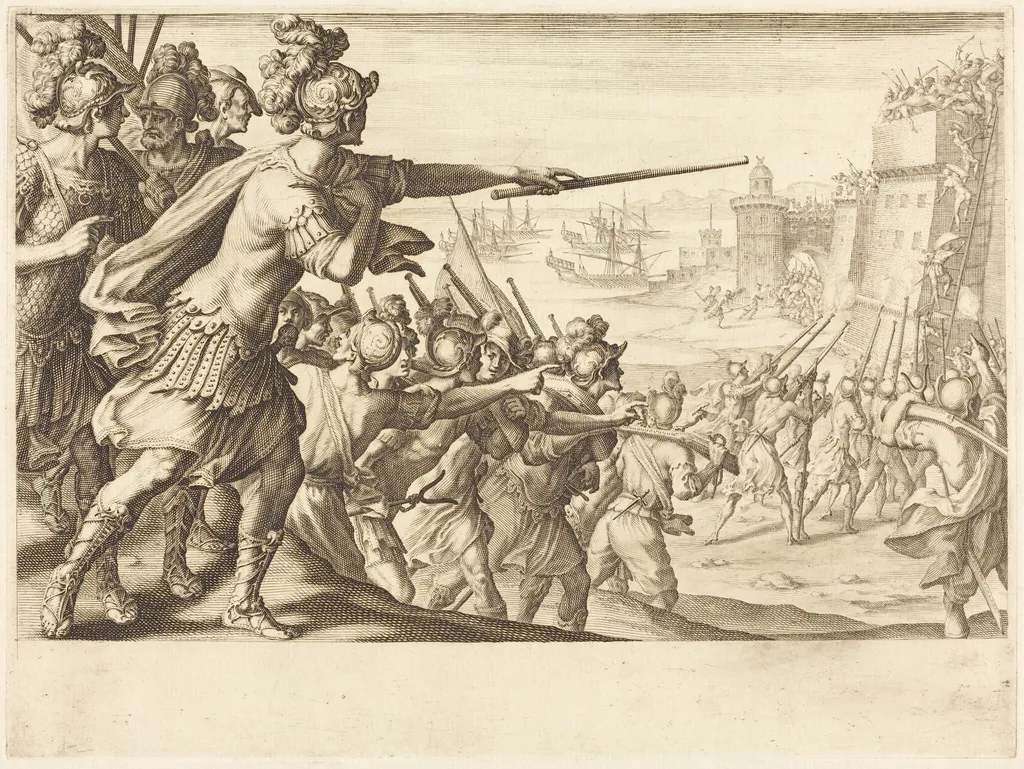
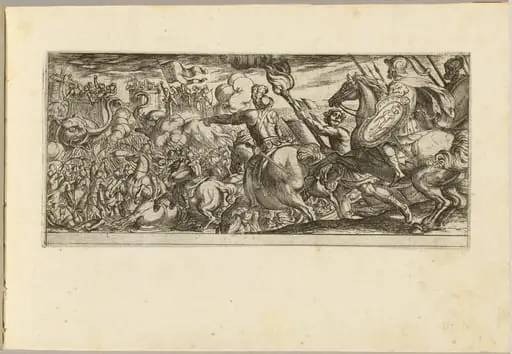
Taking of Bone is an ink print by the Baroque artist Jacques Callot. It dates from 1614 and is held in the collection of the National Gallery of Art.
About this work
Overview
Taking of Bone is an engraving on laid paper created by Jacques Callot around 1614. This work exemplifies Callot's prolific output as a French Baroque printmaker, known for documenting 17th-century life through detailed prints.
Subject & Meaning
The engraving depicts a chaotic battle scene with armored soldiers and a prominent figure aiming a long gun. Set against a detailed cityscape with buildings and boats, the composition contrasts the turmoil of war with the everyday backdrop of urban life.
Technique & Style
Callot employed engraving and cross-hatching techniques to achieve intricate details, particularly in the soldiers' attire and the layered background. These methods enhance the sense of tension and dynamic energy within the scene.
History & Provenance
Originally created circa 1614, the extant piece is a restrike, indicating it was printed from the original plate at a later time. Callot's body of work includes over 1,400 etchings, often focusing on religious, military, and contemporary themes.
Context
Taking of Bone reflects Callot's broader artistic themes, blending military action with meticulous environmental detail. This balance was characteristic of his contributions to Old Master printmaking, capturing the essence of his era.
Legacy
As part of Callot's extensive oeuvre, Taking of Bone contributes to the historical record of Baroque-era printmaking, showcasing the artist's ability to narrate complex scenes through precise engraving techniques.
Artist & collection

Artist
Jacques Callot was a baroque printmaker and draftsman from the Duchy of Lorraine.

 Holy Family at supper
 Restoration of the Aqueduct at Pisa
 Restoration of the Aqueduct at Pisa
 Square in Paris with Many Figures
 Square in Paris with Many Figures
 Horsemen Attacked by Robbers
 HOW WILL A COVERED PART BE CORRECTED?HOW WIKA A COVERED HEART DEED CORRECTED?
![Christ Walking on the Water [second plate], by Jacques Callot](https://artifactworldgallery.com/img/jacques-callot--christ-walking-on-the-water-second-plate--2069f3bfe4cb2126-w320.webp) Christ Walking on the Water [second plate]
Christ Walking on the Water [second plate]
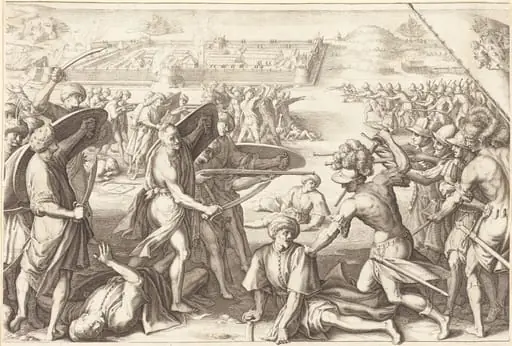 Assault on the Outer Forts of Bone
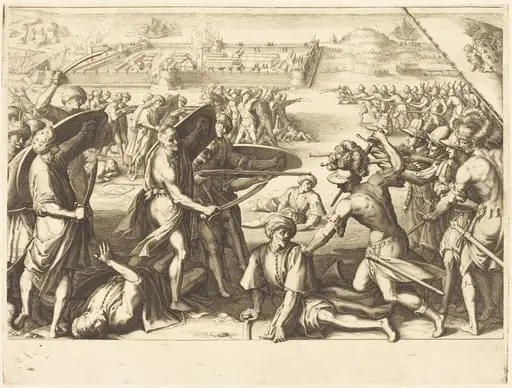 Assault on the Outer Forts of Bone
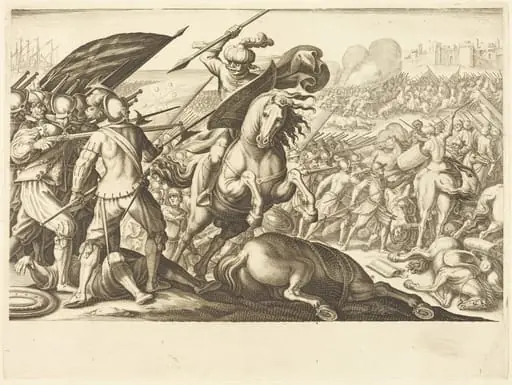 The Defeat of the Turkish Cavalry
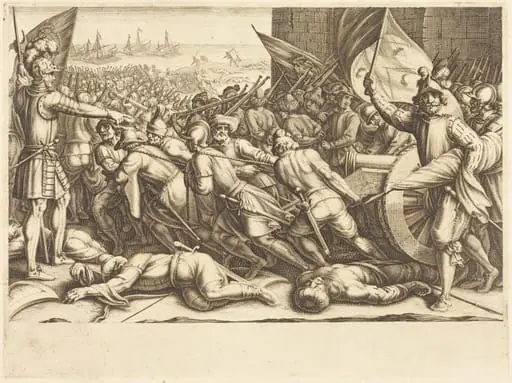 The Re-embarkation of the Turks
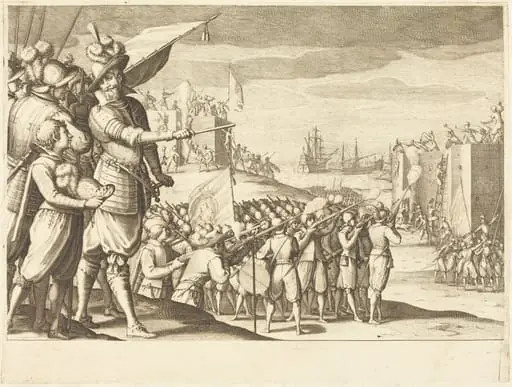 Assault on Two Fortresses
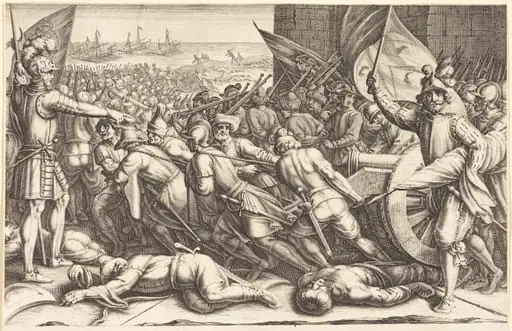 The Re-embarkation of the Troops
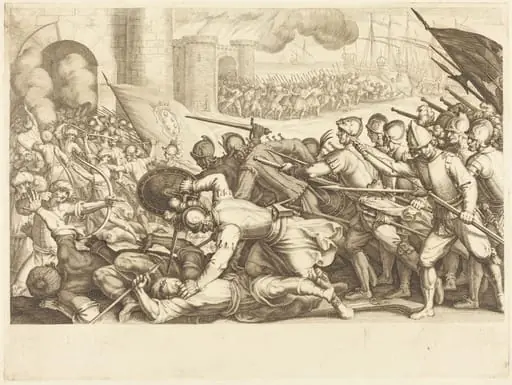 The Troops Forcing the Gate of a Town
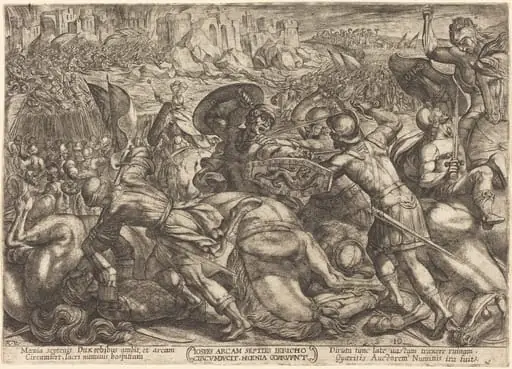 The Taking of the City of Jericho
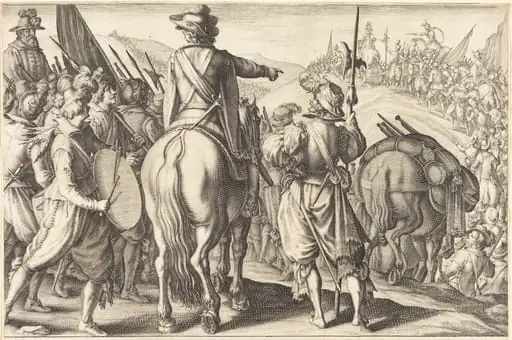 The Troops on the March
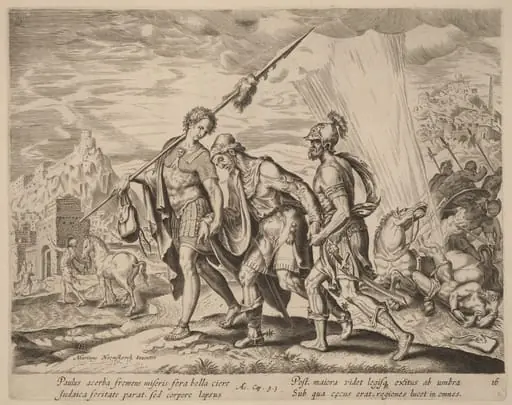 The Conversion of Saint Paul
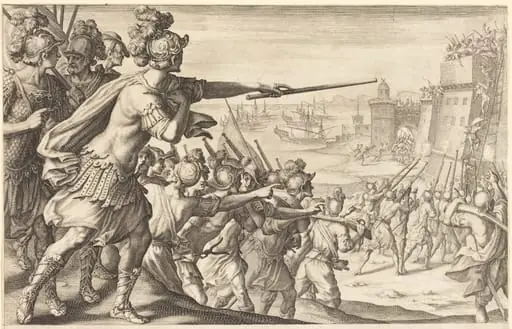 Taking of Bone
 Cavalry Attack on a Walled Fortress