Artwork
The Re-embarkation of the Turks
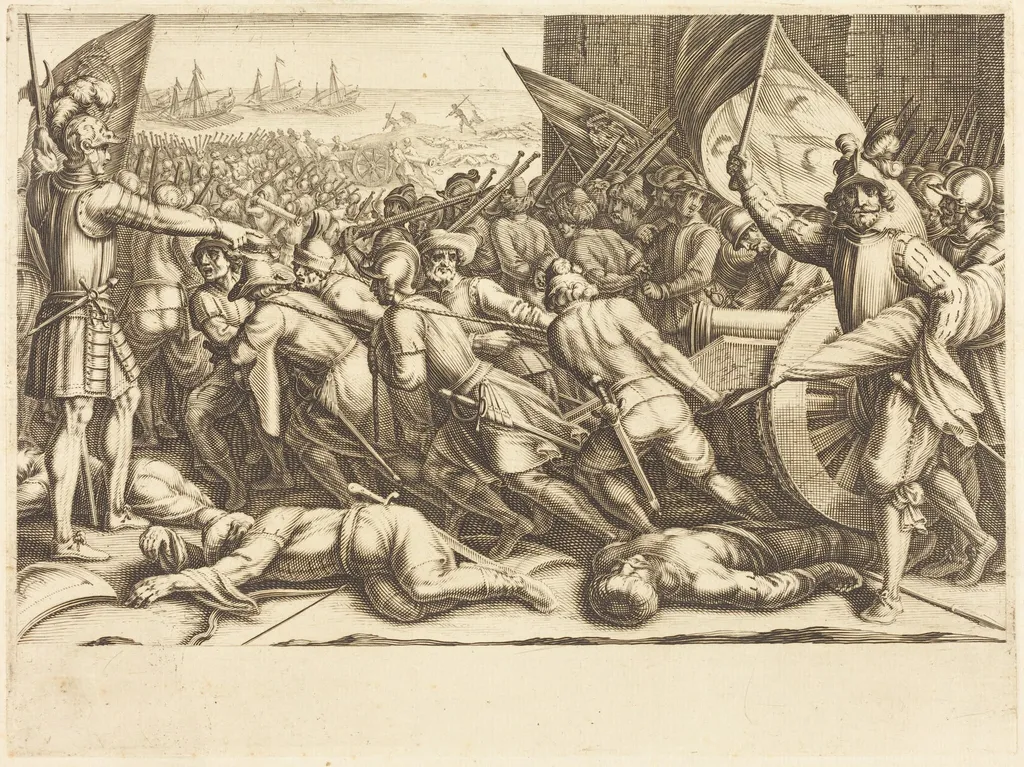
The Re-embarkation of the Turks is an ink print by the Baroque artist Jacques Callot. It dates from 1614 and is held in the collection of the National Gallery of Art.
About this work
Overview
This restrike engraving on laid paper, dated around 1614, is one of over 1,400 prints by Jacques Callot, a French artist from the Duchy of Lorraine.
This restrike engraving on laid paper, dated around 1614, is one of over 1,400 prints by Jacques Callot, a French artist from the Duchy of Lorraine. It captures a moment of military activity during the early 17th century, part of a broader series documenting warfare and daily life. The work exemplifies Callot’s precision in etching and his interest in recording the physical and social realities of his time, particularly the movement and disorder of armed forces.
Subject & Meaning
The scene portrays the chaotic re-embarkation of Ottoman troops, likely after a campaign, with soldiers hauling the wounded toward ships under the strain of battle’s aftermath. Flags and clustered figures emphasize urgency and disarray. Rather than glorifying combat, the image conveys the grim, unheroic reality of war—crowded, messy, and human. The focus on logistics and suffering suggests a documentary impulse, aligning with Callot’s broader interest in the lived experience of soldiers.
Technique & Style
Callot employed fine, dense lines to model form and texture, creating depth through meticulous hatching and cross-hatching. The black-and-white medium enhances the contrast between light and shadow, heightening the sense of motion and tension. His use of intricate detail—individual armor plates, fabric folds, and facial expressions—demonstrates mastery of the burin and etching needle. The composition’s crowded foreground draws the viewer into the immediacy of the scene.
History & Provenance
The original plate was likely cut in the early 1610s, with this version being a later restrike, possibly from the 17th or 18th century. Callot’s prints were widely circulated, and multiple impressions were pulled over decades, often on different papers. This restrike retains the original’s fine detail, suggesting careful preservation of the plate. Its survival reflects the enduring demand for Callot’s war imagery among collectors and institutions.
Context
Created during the Thirty Years’ War, the print responds to a Europe deeply engaged in religious and territorial conflict. Callot, though not a soldier, observed military life closely and recorded its routines and brutality. His prints served as visual chronicles for urban audiences, bridging the gap between battlefield realities and civilian awareness. The depiction of Ottoman forces reflects contemporary European anxieties and fascination with the Ottoman Empire’s military presence.
Legacy
Callot’s detailed engravings influenced later generations of printmakers, particularly in their commitment to realism and narrative complexity. His technique in rendering crowd scenes and emotional intensity became a reference point for artists documenting conflict. While not widely exhibited in his lifetime as standalone works, his prints collectively shaped how war was visually understood in early modern Europe, leaving a lasting imprint on the genre of documentary printmaking.
Artist & collection
Artist
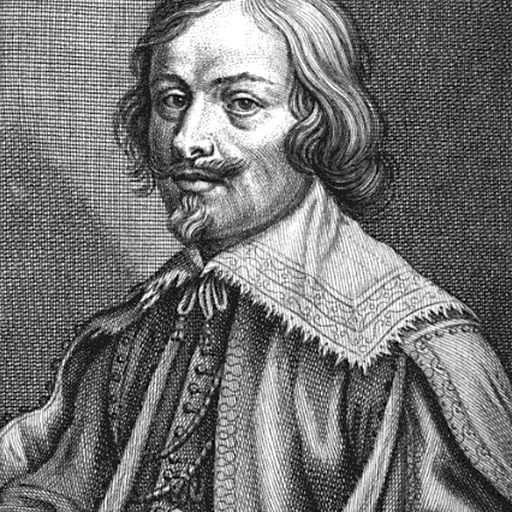
Jacques Callot was a baroque printmaker and draftsman from the Duchy of Lorraine.

 Holy Family at supper
 Restoration of the Aqueduct at Pisa
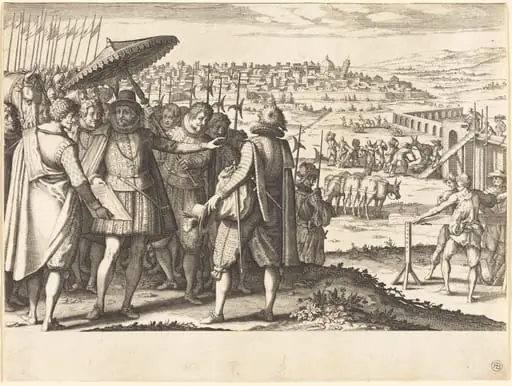 Restoration of the Aqueduct at Pisa
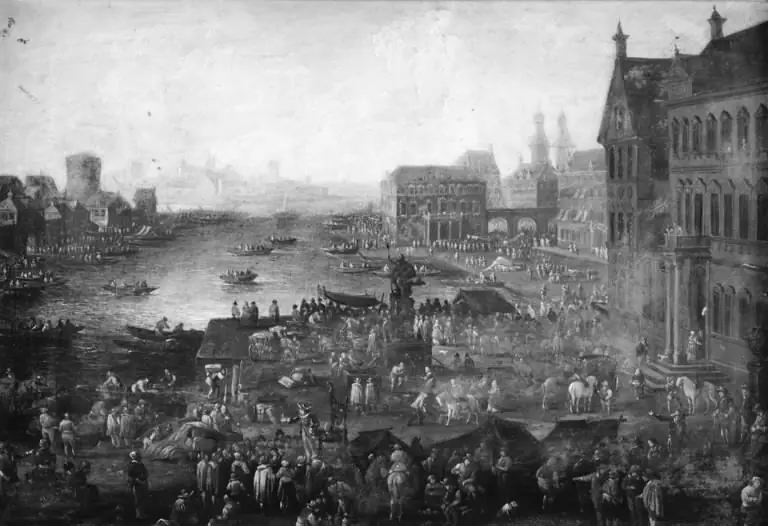 Square in Paris with Many Figures
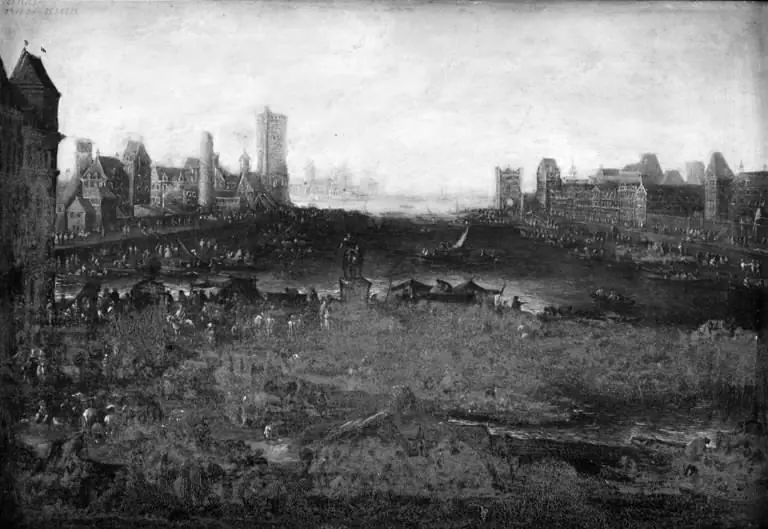 Square in Paris with Many Figures
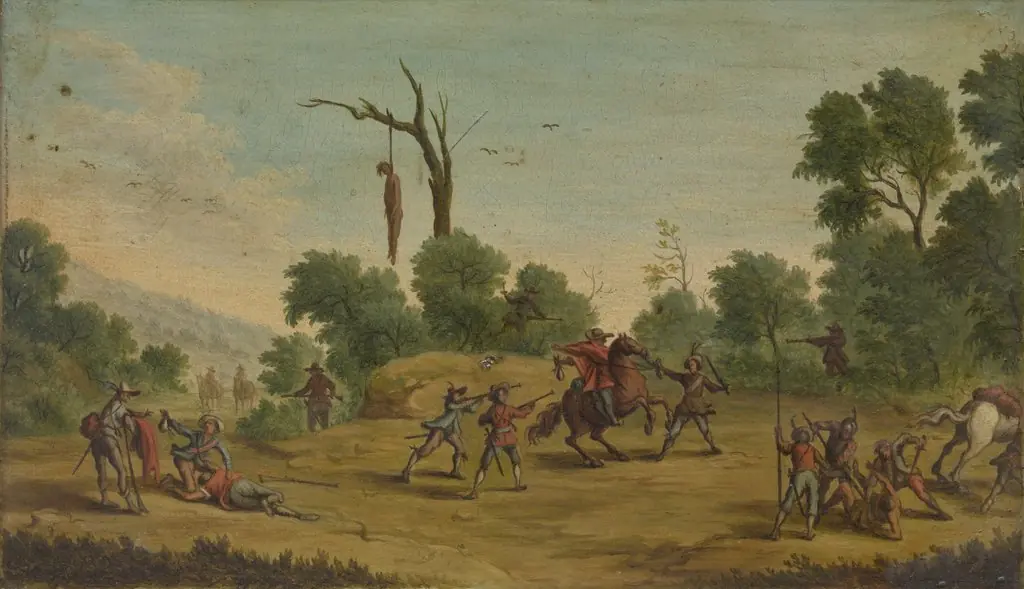 Horsemen Attacked by Robbers
 HOW WILL A COVERED PART BE CORRECTED?HOW WIKA A COVERED HEART DEED CORRECTED?
![Christ Walking on the Water [second plate], by Jacques Callot](https://artifactworldgallery.com/img/jacques-callot--christ-walking-on-the-water-second-plate--2069f3bfe4cb2126-w320.webp) Christ Walking on the Water [second plate]
Christ Walking on the Water [second plate]
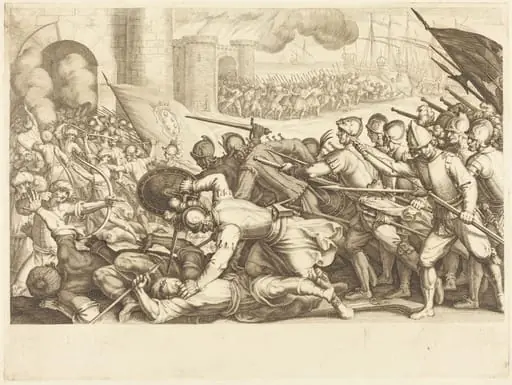 The Troops Forcing the Gate of a Town
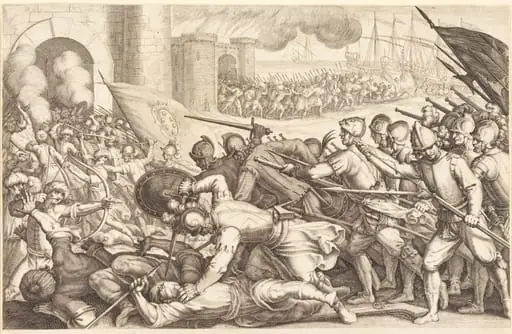 The Troops Forcing the Gate of a Town
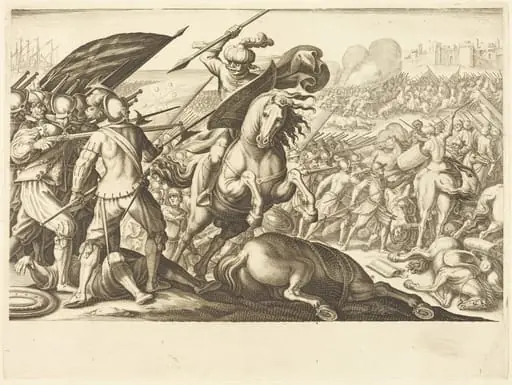 The Defeat of the Turkish Cavalry
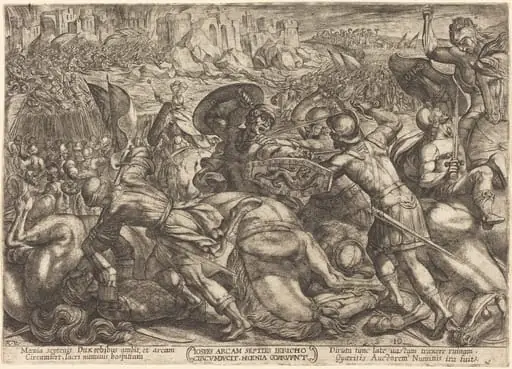 The Taking of the City of Jericho
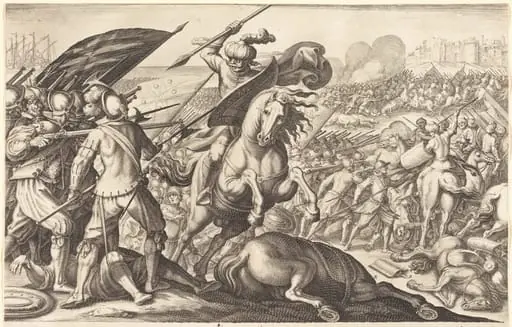 The Defeat of the Turkish Cavalry
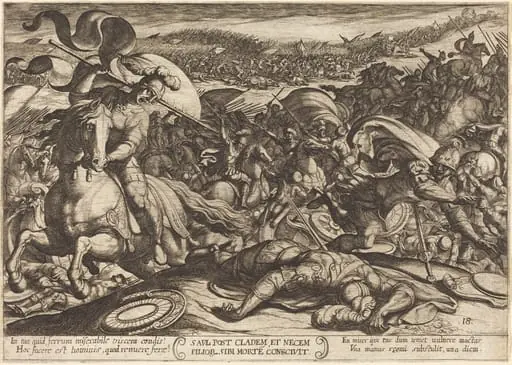 Saul Kills Himself after the Defeat of his Army by the Philistines
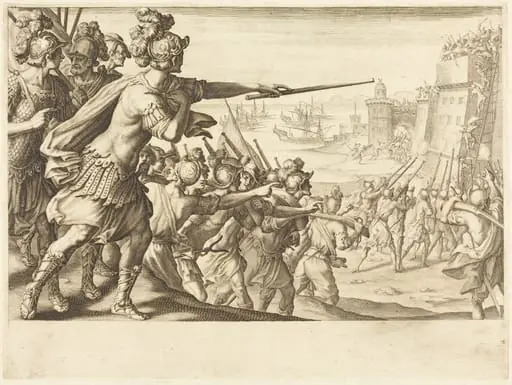 Taking of Bone
 Untitled
 Saint Martin with His Horse on a Ship
 Assault on Two Fortresses