Artwork
The Catafalque of the Emperor Mathias
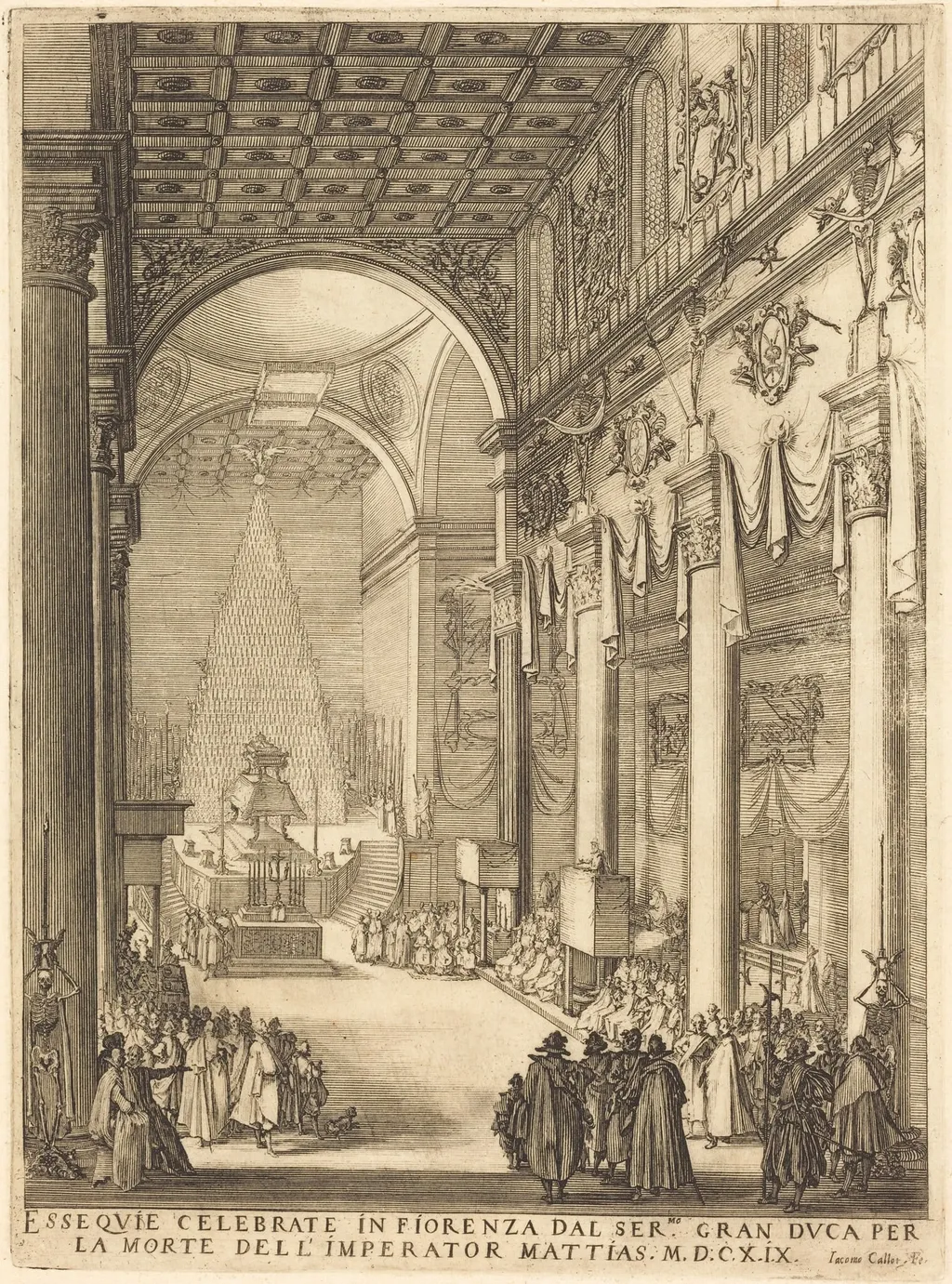
The Catafalque of the Emperor Mathias is an ink print by the Baroque artist Jacques Callot. It dates from 1619 and is held in the collection of the National Gallery of Art.
About this work
Overview
The Catafalque of the Emperor Mathias is a 1619 etching and engraving on laid paper by Jacques Callot, depicting the elaborate funeral monument of Emperor Mathias within a church.
Subject & Meaning
The print captures a solemn, ceremonial scene: a raised, draped coffin on a catafalque, surrounded by robed figures in a lavishly decorated church, conveying the grandeur and solemnity of imperial funerary rites.
Technique & Style
Callot's mastery of etching and engraving is evident in the intricate details: finely rendered folds of robes, shadowed facial expressions, and textured architectural elements, creating a sense of depth and realism.
History & Provenance
Created in 1619 by French printmaker Jacques Callot, this work is part of his extensive oeuvre (over 1,400 etchings) documenting 17th-century life, including ceremonial events.
Context
Reflecting Callot's interest in capturing contemporary life, this print belongs to a broader category of his works focused on historical and ceremonial subjects of the early 17th century.
Legacy
As part of Callot's prolific output, The Catafalque contributes to his legacy as a leading old master printmaker, influencing the development of etching and engraving techniques in European art.
Artist & collection
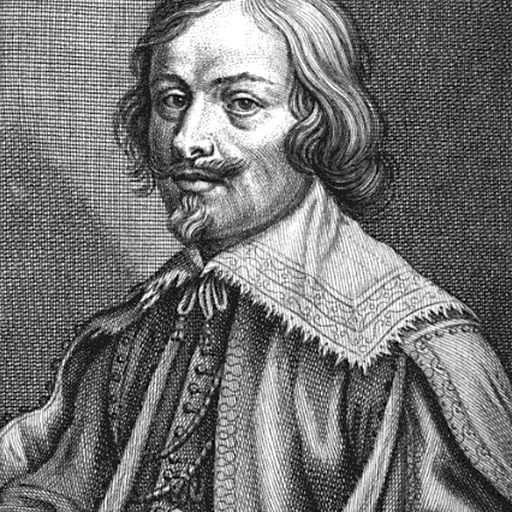
Artist
Jacques Callot was a baroque printmaker and draftsman from the Duchy of Lorraine.

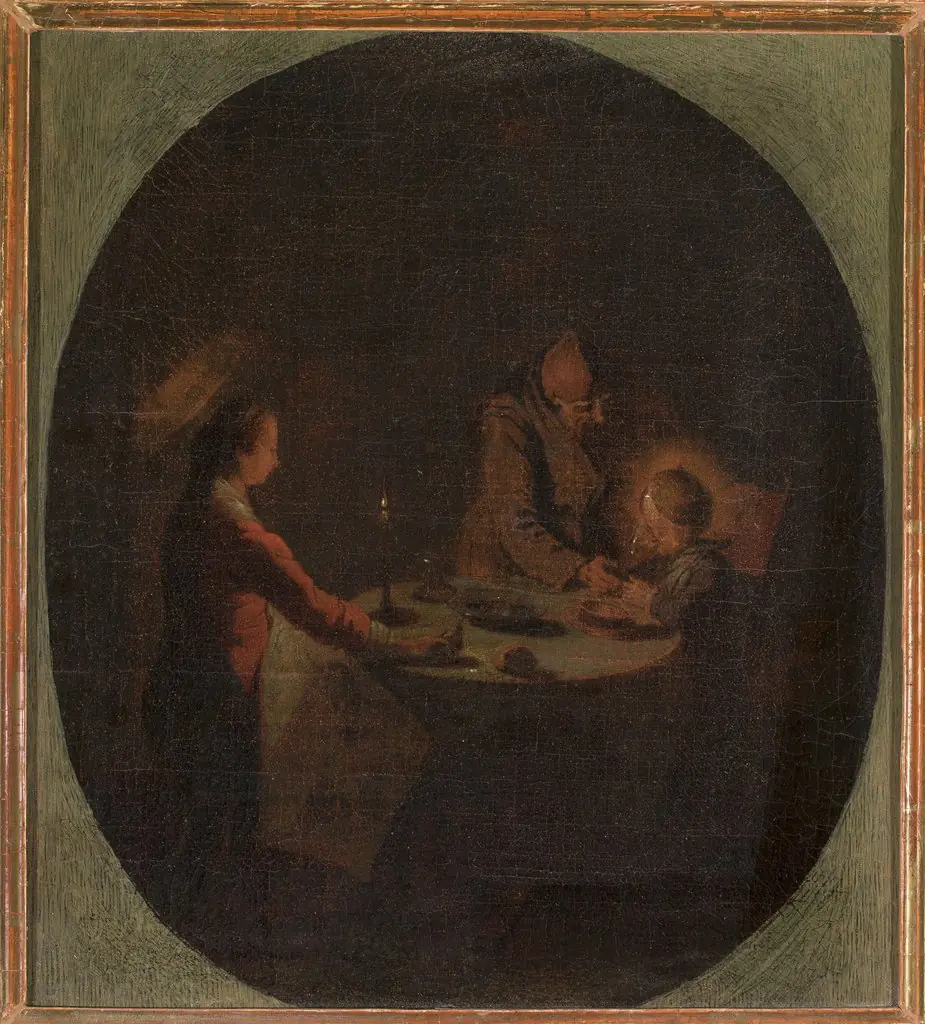 Holy Family at supper
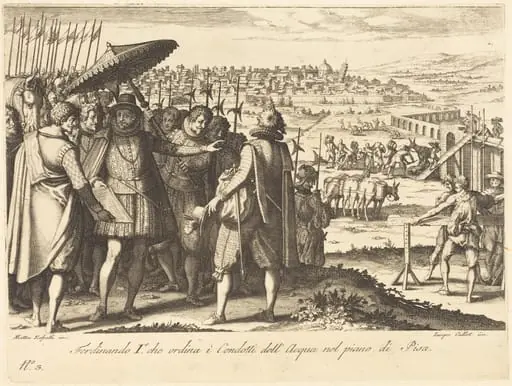 Restoration of the Aqueduct at Pisa
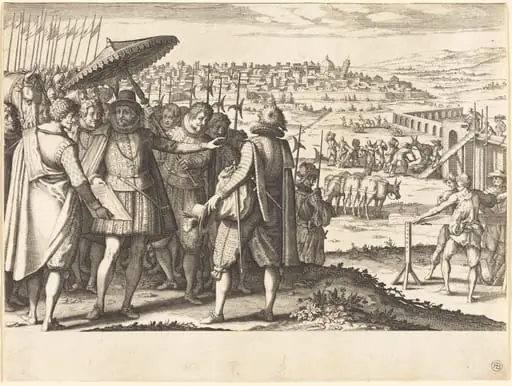 Restoration of the Aqueduct at Pisa
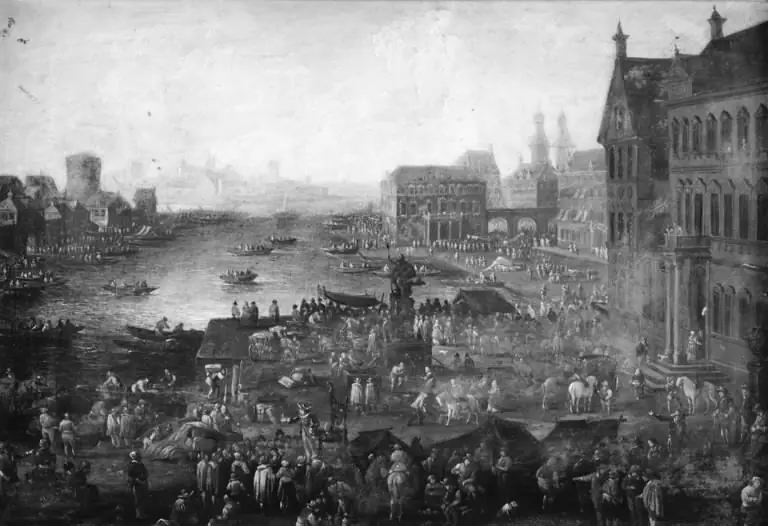 Square in Paris with Many Figures
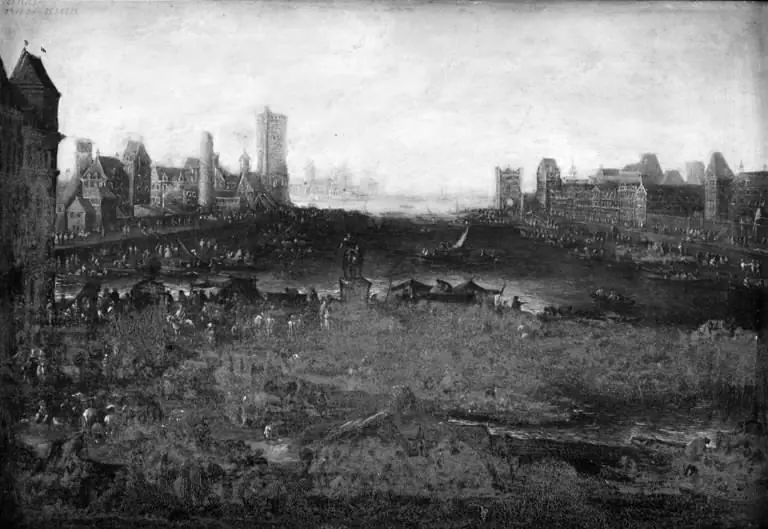 Square in Paris with Many Figures
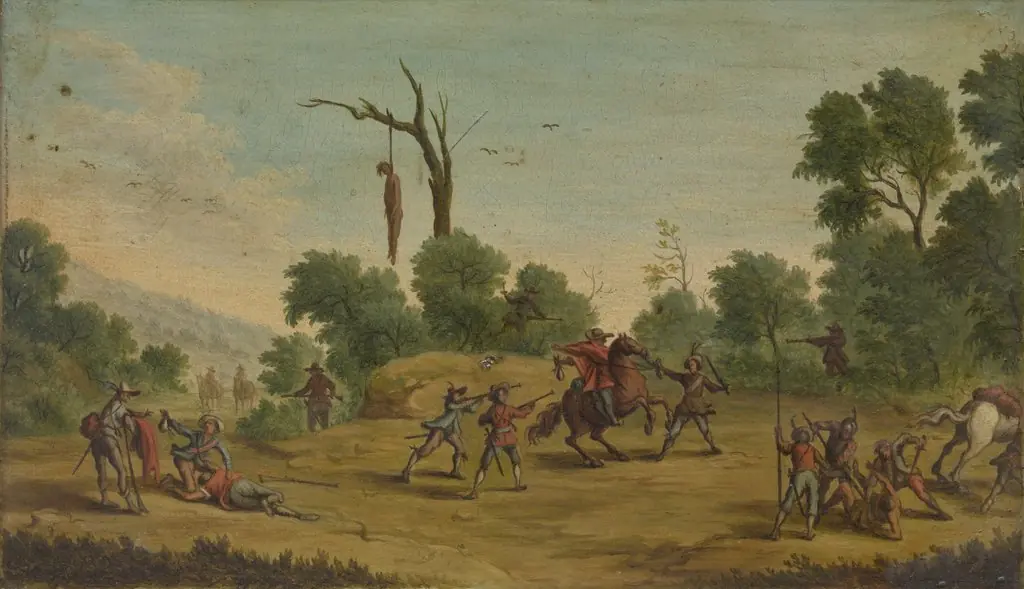 Horsemen Attacked by Robbers
 HOW WILL A COVERED PART BE CORRECTED?HOW WIKA A COVERED HEART DEED CORRECTED?
![Christ Walking on the Water [second plate], by Jacques Callot](https://artifactworldgallery.com/img/jacques-callot--christ-walking-on-the-water-second-plate--2069f3bfe4cb2126-w320.webp) Christ Walking on the Water [second plate]
Christ Walking on the Water [second plate]
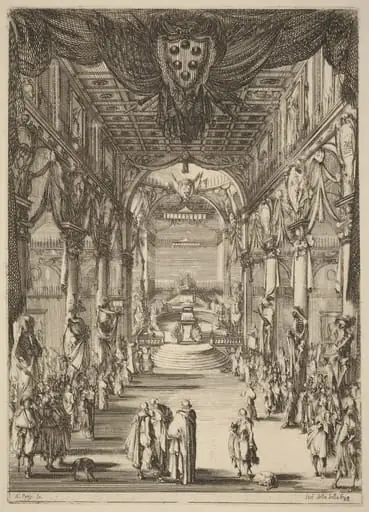 Funeral of Prince Francesco de Medici
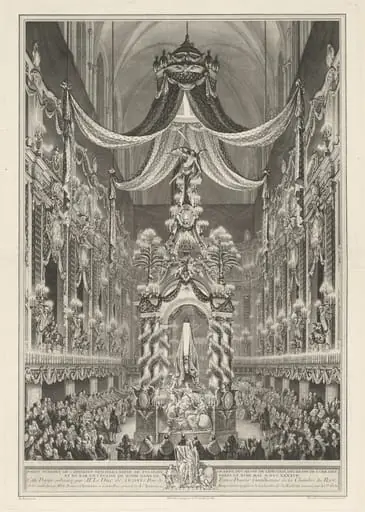 Pompe funèbre de Catherine Opalinska
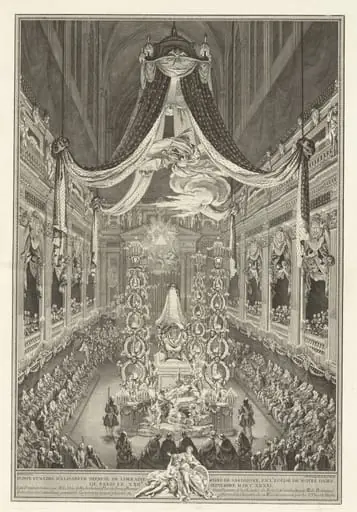 Pompe funèbre d'Élisabeth Therèse de Lorraine
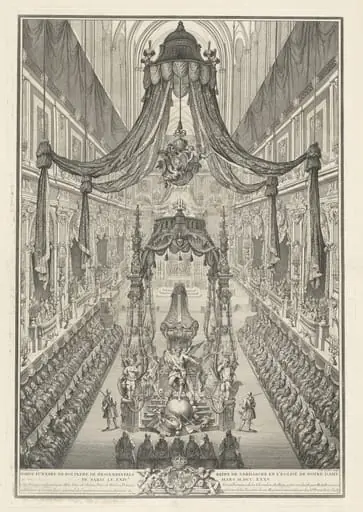 Pompe funèbre de Polixène de Hesse-Rhinfels
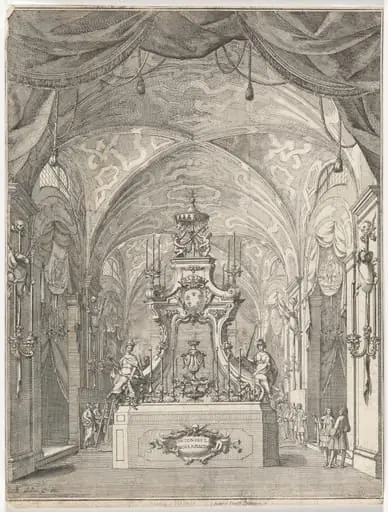 Catafalque for the Funeral of the Duke of Parma Antonio I in the Church of S. Maria Maddalena in Bologna
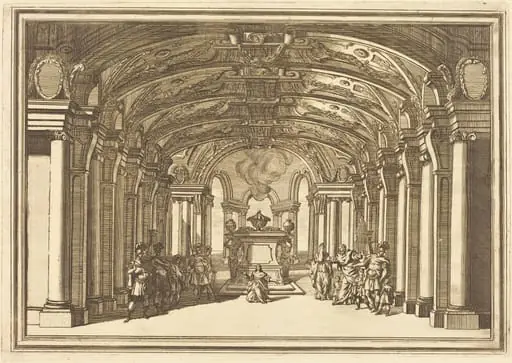 Il Greco in Troia: Plate 8
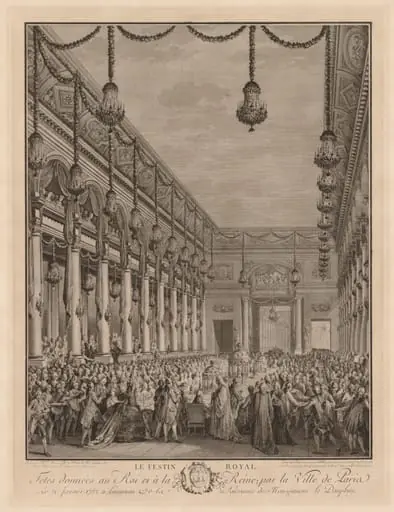 The Royal Banquet
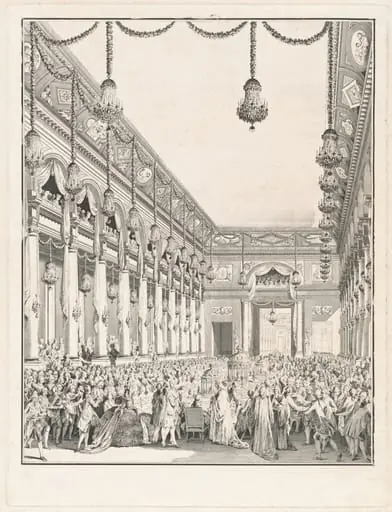 Le festin royal - Fête donnée à l'occasion de la naissance de Monseigneur le Dauphin, 21 janvier 1782