Artwork
The Circumcision
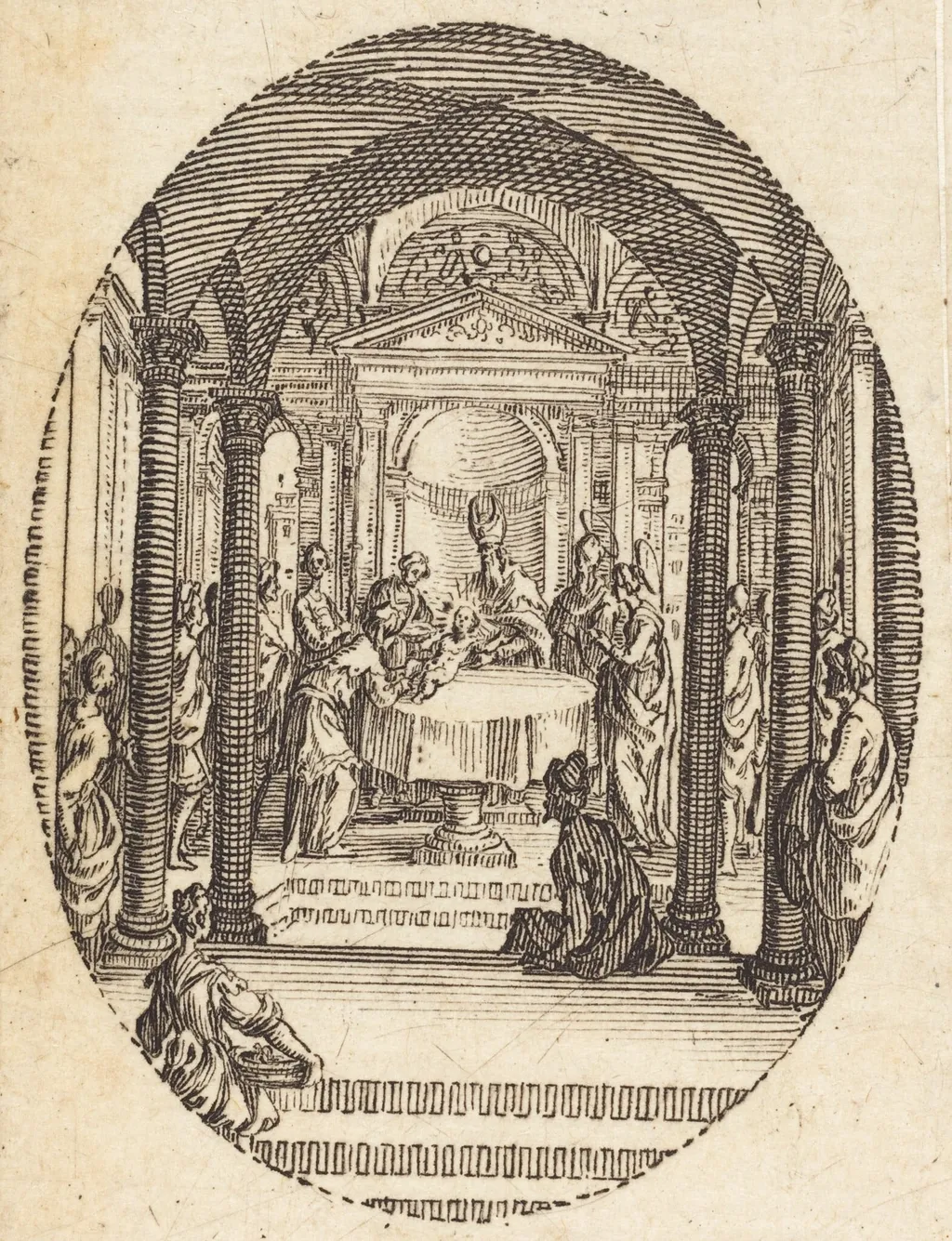
The Circumcision is an ink print by the Baroque artist Jacques Callot. It dates from 1631 and is held in the collection of the National Gallery of Art.
About this work
Overview
The Circumcision is an etching on laid paper created by Jacques Callot around 1631. It is one of over 1,400 etchings produced by the artist, a prominent figure in old master printmaking from the Duchy of Lorraine.
Subject & Meaning
The print depicts a religious scene: a circumcision ceremony taking place in a large, columned room. A baby lies on a central table surrounded by numerous figures, some of whom are handling the child. The scene is rendered with great attention to detail, including intricate architectural elements.
Technique & Style
Callot employed the etching technique to achieve the image's high level of detail and intricacy. Acid was used to carve the design into a metal plate, resulting in a print with fine lines and textures that contribute to its realistic appearance.
Context
The Circumcision is part of Callot's extensive output of religious imagery, often set against detailed landscapes or, as in this case, an elaborate architectural backdrop. His work documented various aspects of contemporary life, including religious scenes, alongside depictions of everyday figures.
Artist & collection
Artist
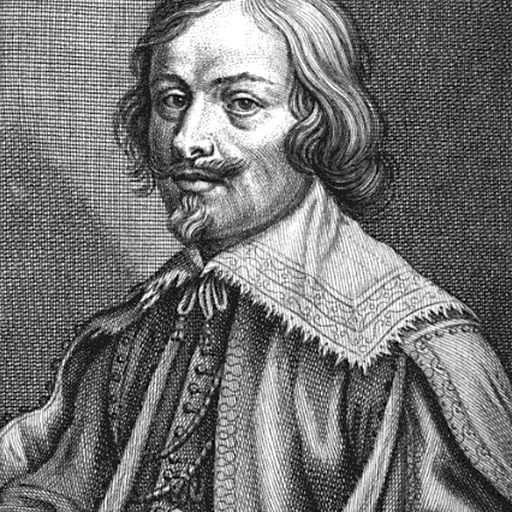
Jacques Callot was a baroque printmaker and draftsman from the Duchy of Lorraine.

 Holy Family at supper
 Restoration of the Aqueduct at Pisa
 Restoration of the Aqueduct at Pisa
 Square in Paris with Many Figures
 Square in Paris with Many Figures
 Horsemen Attacked by Robbers
 HOW WILL A COVERED PART BE CORRECTED?HOW WIKA A COVERED HEART DEED CORRECTED?
![Christ Walking on the Water [second plate], by Jacques Callot](https://artifactworldgallery.com/img/jacques-callot--christ-walking-on-the-water-second-plate--2069f3bfe4cb2126-w320.webp) Christ Walking on the Water [second plate]
Christ Walking on the Water [second plate]
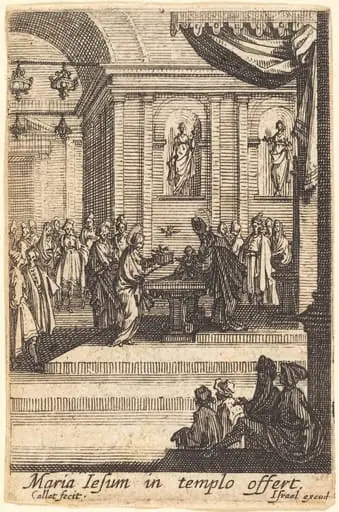 The Virgin Presents Jesus at the Temple
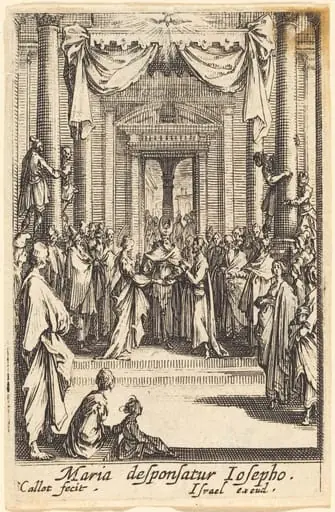 The Marriage of the Virgin
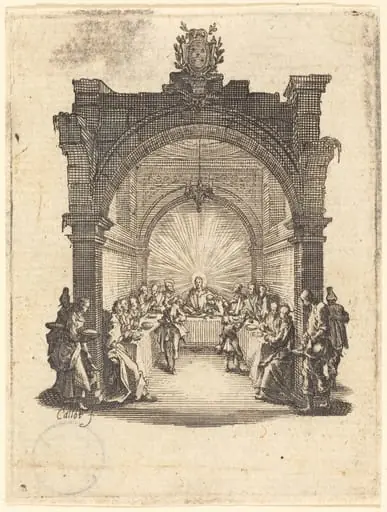 The Last Supper
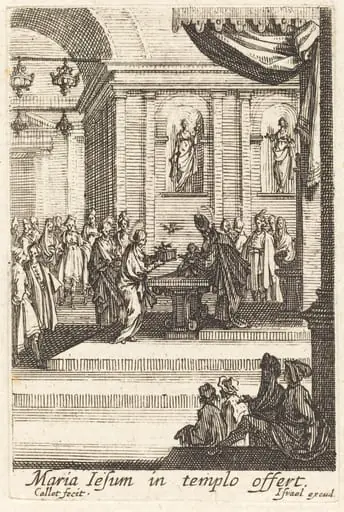 The Virgin Presents Jesus at the Temple
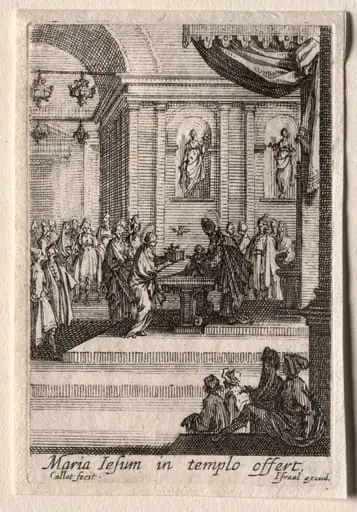 The Life of the Virgin: The Presentation of Christ in the Temple
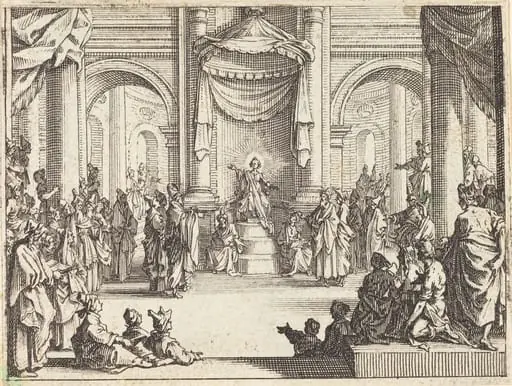 Christ Disputing with the Doctors
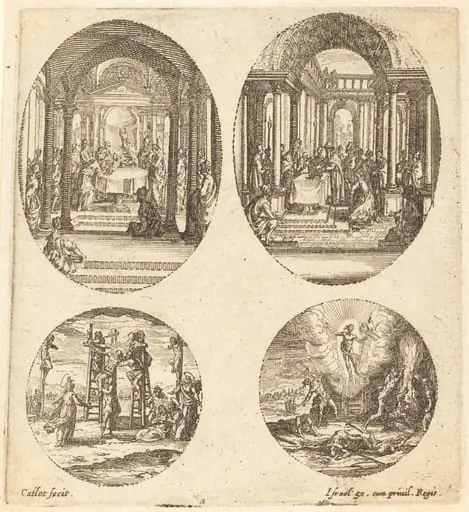 Mysteries of the Passion
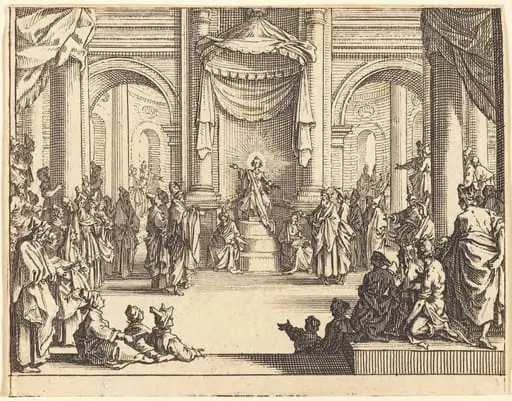 Christ Disputing with the Doctors
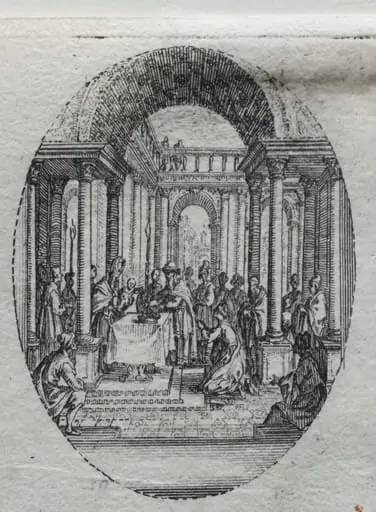 The Mysteries of the Passion: The Presentation in the Temple
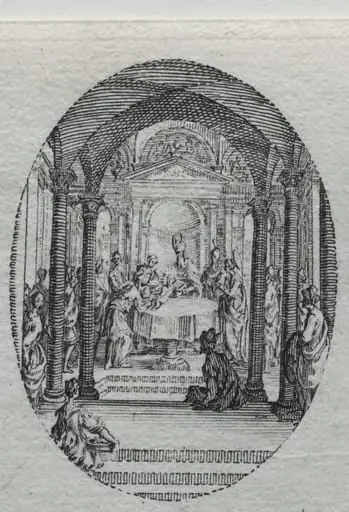 The Mysteries of the Passion: The Circumcision