Artwork
The Mysteries of the Passion: The Circumcision
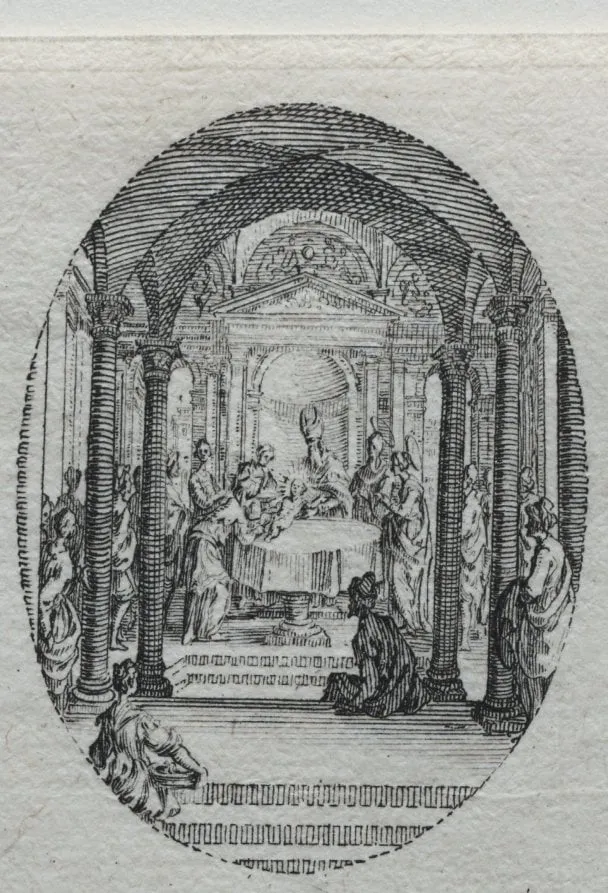
The Mysteries of the Passion: The Circumcision is a print by the Baroque artist Jacques Callot. It dates from 1631 and is held in the collection of the Cleveland Museum of Art.
About this work
Overview
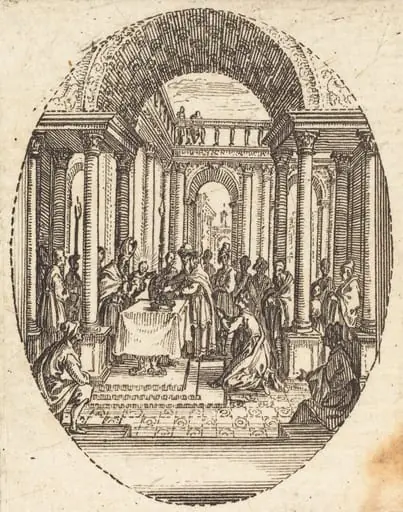
Created in 1631 by Jacques Callot, this print is part of a series illustrating scenes from the Passion of Christ. Executed in etching, it depicts the ritual circumcision of Jesus, a moment described in the Gospel of Luke. The work is held in the collection of The Cleveland Museum of Art and exemplifies Callot’s precision in narrative printmaking during the early Baroque period.
Subject & Meaning
Surrounding figures include priests, attendants, and witnesses, their postures conveying solemnity and ritual formality.
The scene portrays the circumcision of the infant Jesus, an event signifying his entry into the covenant of Abraham. Surrounding figures include priests, attendants, and witnesses, their postures conveying solemnity and ritual formality. The composition emphasizes the sacredness of the moment, grounding a theological act within a human, architectural setting that reflects contemporary religious practice.
Technique & Style
Callot employed fine-line etching to render intricate details in both the figures and the architectural backdrop. Delicate hatching and controlled chiaroscuro create volume and spatial depth, while the dense arrangement of bodies enhances the sense of enclosure. The precision of the lines reveals his mastery of the medium, characteristic of Northern European printmaking traditions of the era.
History & Provenance
The print was produced during Callot’s mature period in Nancy, after his time in Florence and Rome. It was likely made for a private or ecclesiastical audience interested in devotional imagery. The Cleveland Museum of Art acquired the work in the 20th century, where it remains part of its holdings of early modern European prints.
Context
This print belongs to a larger cycle of Passion scenes commissioned to support Counter-Reformation piety. The Catholic Church encouraged visual narratives of Christ’s life to reinforce doctrinal teachings. Callot’s attention to architectural realism and emotional restraint aligns with broader trends in Baroque religious art that favored clarity and solemnity over theatricality.
Legacy
Callot’s series influenced later printmakers through its narrative coherence and technical refinement. While not widely reproduced in popular culture, the work remains a significant example of 17th-century religious printmaking, valued for its disciplined composition and historical insight into devotional practices of the time.
Artist & collection
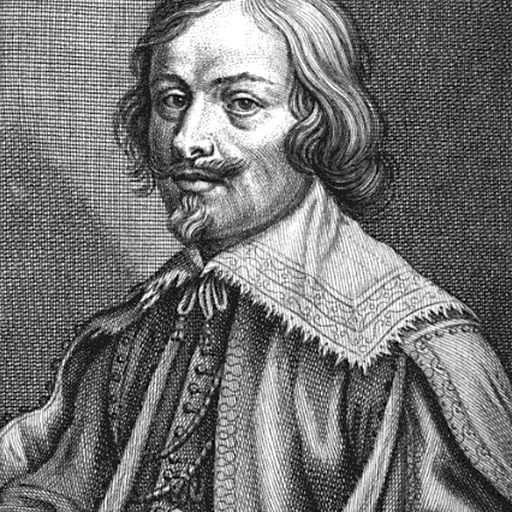
Artist
Jacques Callot was a baroque printmaker and draftsman from the Duchy of Lorraine.

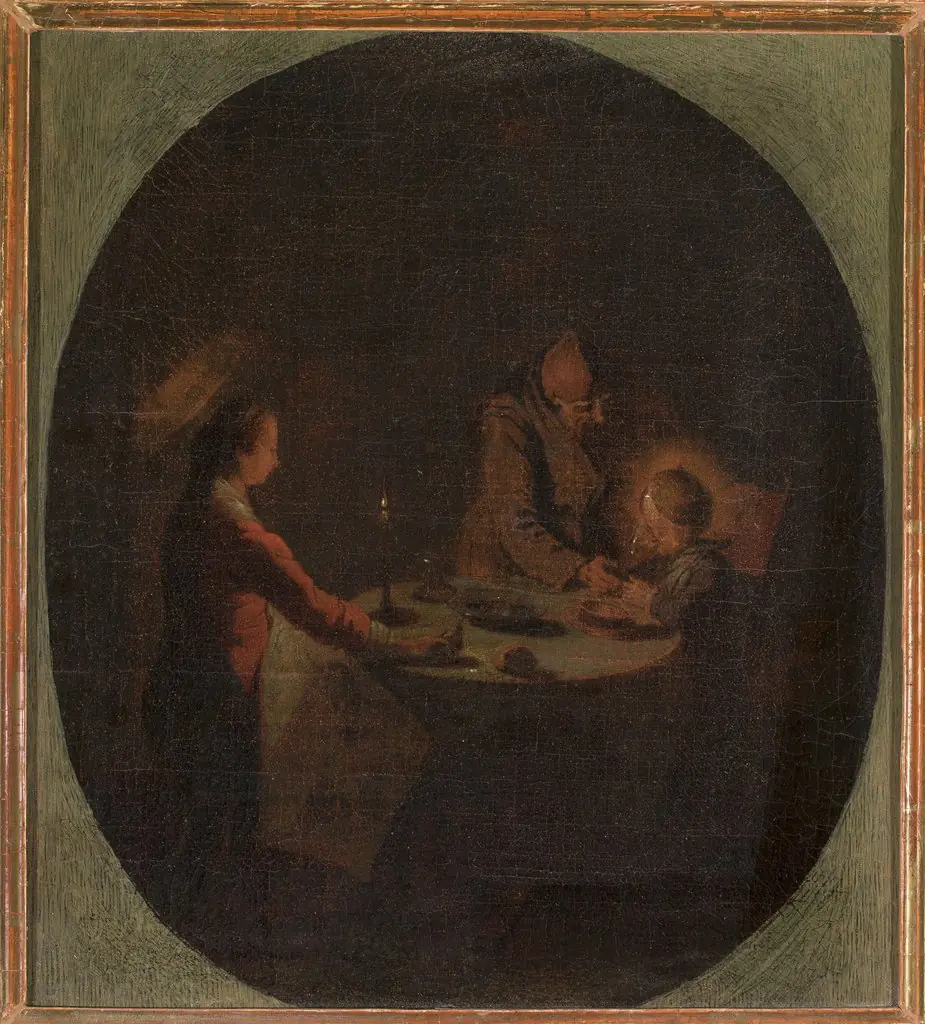 Holy Family at supper
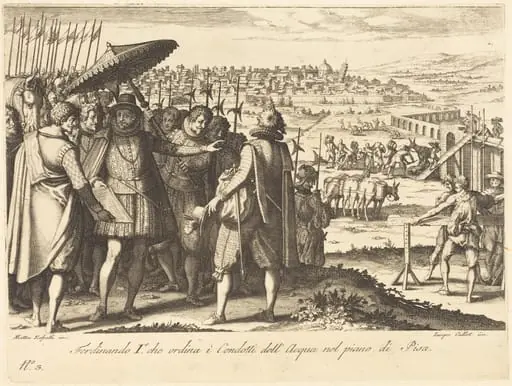 Restoration of the Aqueduct at Pisa
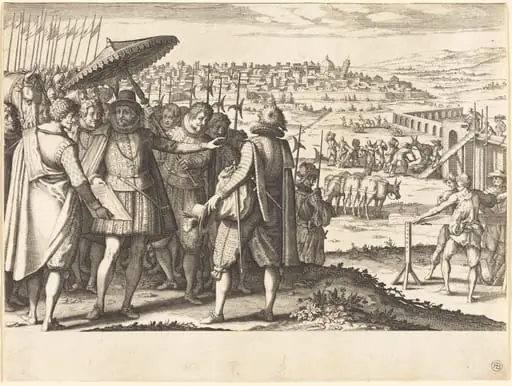 Restoration of the Aqueduct at Pisa
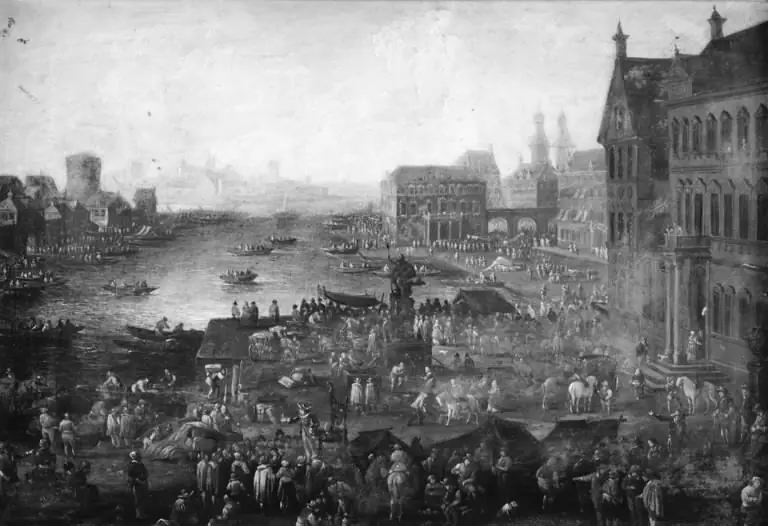 Square in Paris with Many Figures
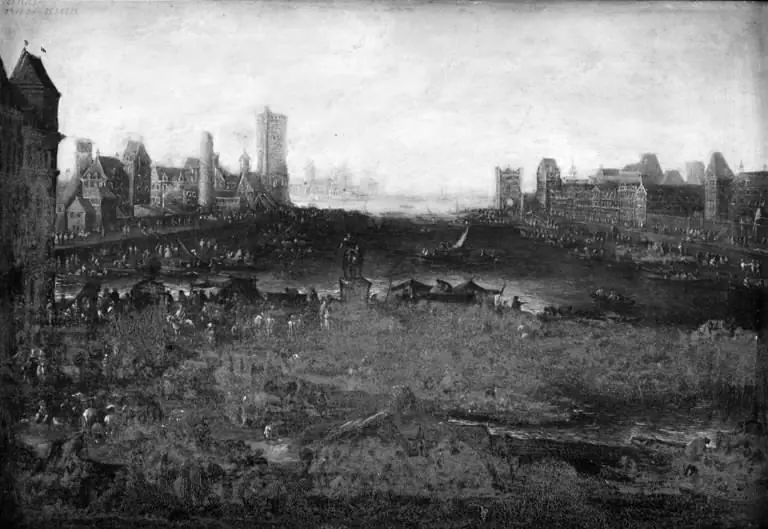 Square in Paris with Many Figures
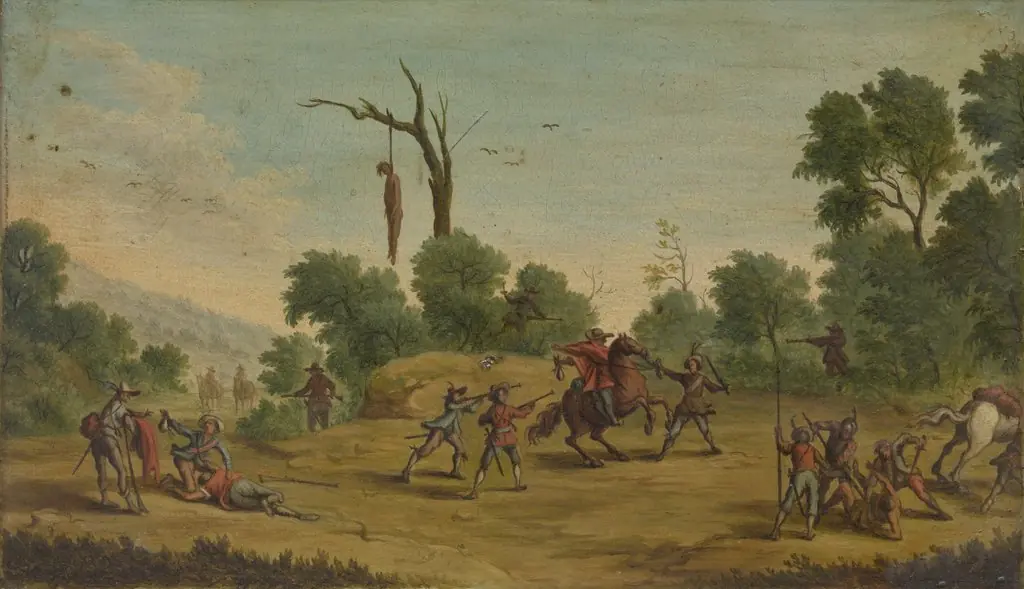 Horsemen Attacked by Robbers
 HOW WILL A COVERED PART BE CORRECTED?HOW WIKA A COVERED HEART DEED CORRECTED?
![Christ Walking on the Water [second plate], by Jacques Callot](https://artifactworldgallery.com/img/jacques-callot--christ-walking-on-the-water-second-plate--2069f3bfe4cb2126-w320.webp) Christ Walking on the Water [second plate]
Christ Walking on the Water [second plate]
 The Mysteries of the Passion: The Presentation in the Temple
 Mysteries of the Passion
 Presentation in the Temple
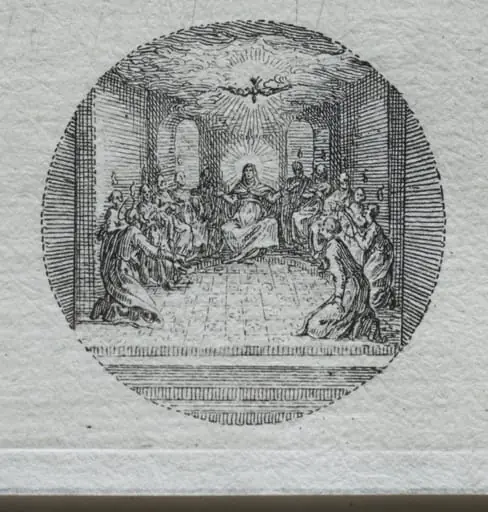 The Mysteries of the Passion: The Descent of the Holy Spirit
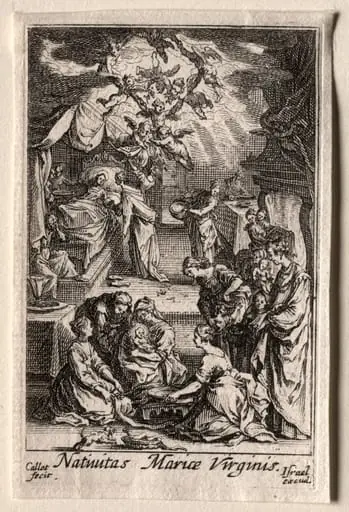 The Life of the Virgin: The Birth of the Virgin
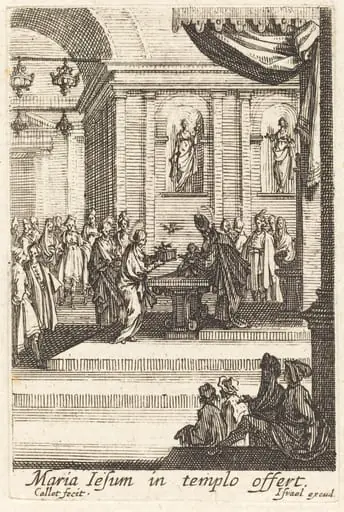 The Virgin Presents Jesus at the Temple
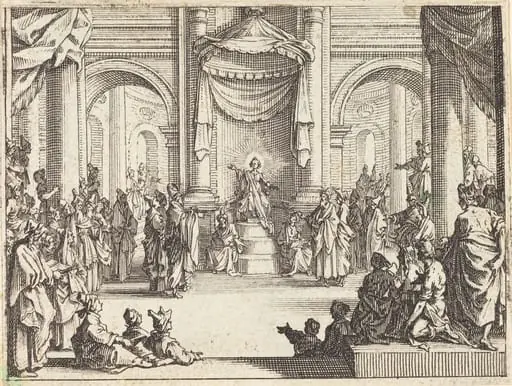 Christ Disputing with the Doctors
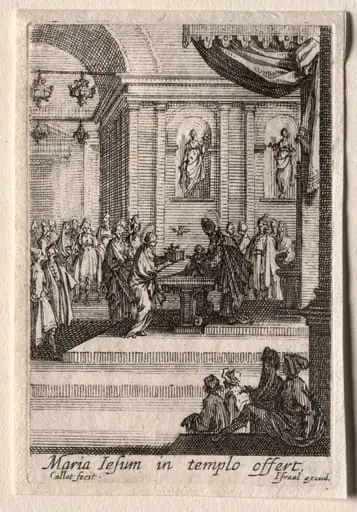 The Life of the Virgin: The Presentation of Christ in the Temple
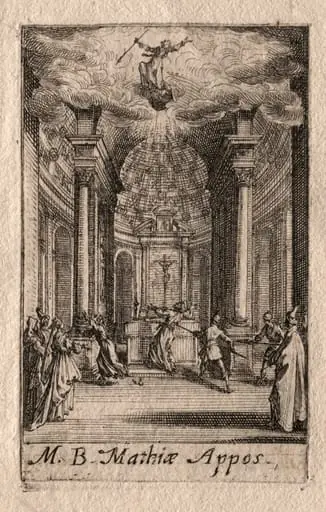 The Martyrdom of the Apostles: St. Matthias
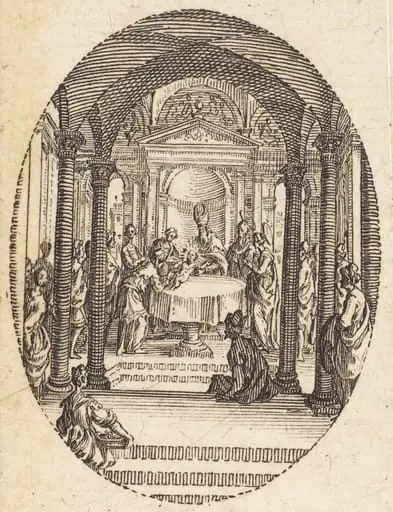 The Circumcision