Artwork
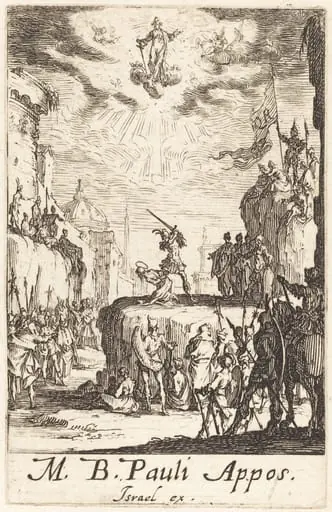
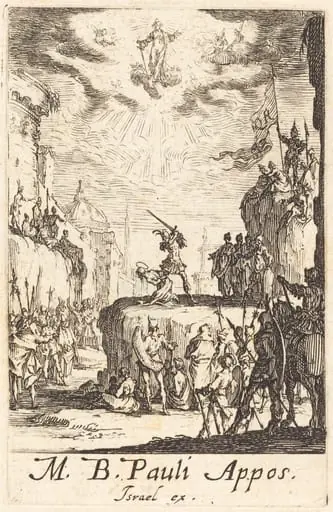
The Conversion of Saint Paul
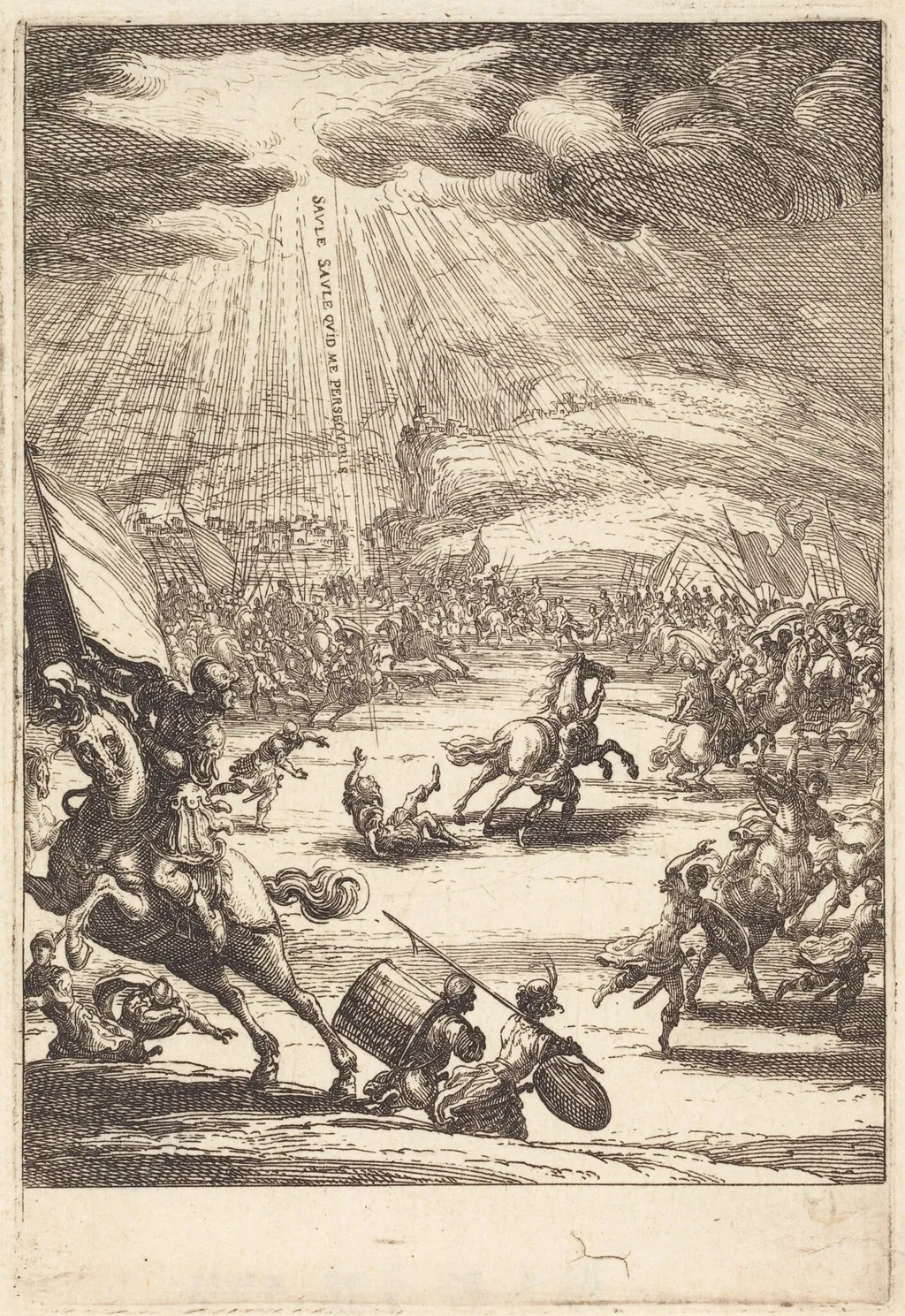
The Conversion of Saint Paul is an ink print by the Renaissance artist Jacques Callot. It dates from 1628 and is held in the collection of the National Gallery of Art.
About this work
Overview
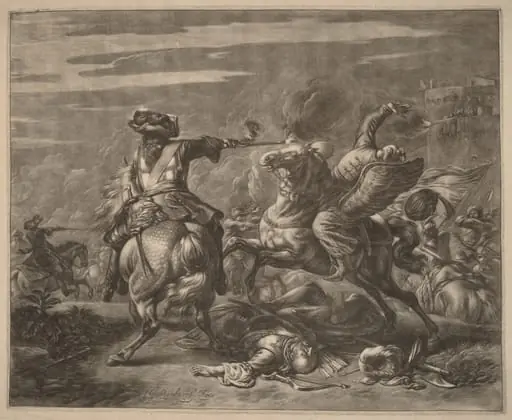
The Conversion of Saint Paul is a circa 1628 etching on laid paper by Jacques Callot, exemplifying his Baroque-era printmaking expertise. The work combines a tumultuous foreground scene with a dynamically rendered background.
Subject & Meaning
The etching depicts a pivotal moment of sudden transformation, symbolized by a radiant descending light and a ghostly figure amidst a chaotic battle scene, conveying the dramatic essence of Saint Paul's conversion.
Technique & Style
Callot employed etching techniques to achieve detailed figures in the foreground and sweeping, expressive landscapes in the background, characteristic of his blend of meticulousness and dynamic composition.
History & Provenance
Created around 1628 by Jacques Callot (c. 1592-1635), a prolific Baroque printmaker with over 1,400 etchings to his name, this work is part of his religious-themed output.
Context
This etching reflects Callot's practice of capturing contemporary life, religious subjects, and military scenes through printmaking, aligning with the artistic and thematic preoccupations of the Baroque period.
Artist & collection
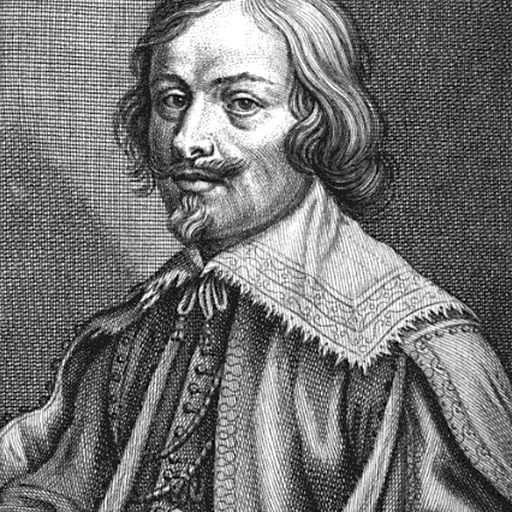
Artist
Jacques Callot was a baroque printmaker and draftsman from the Duchy of Lorraine.

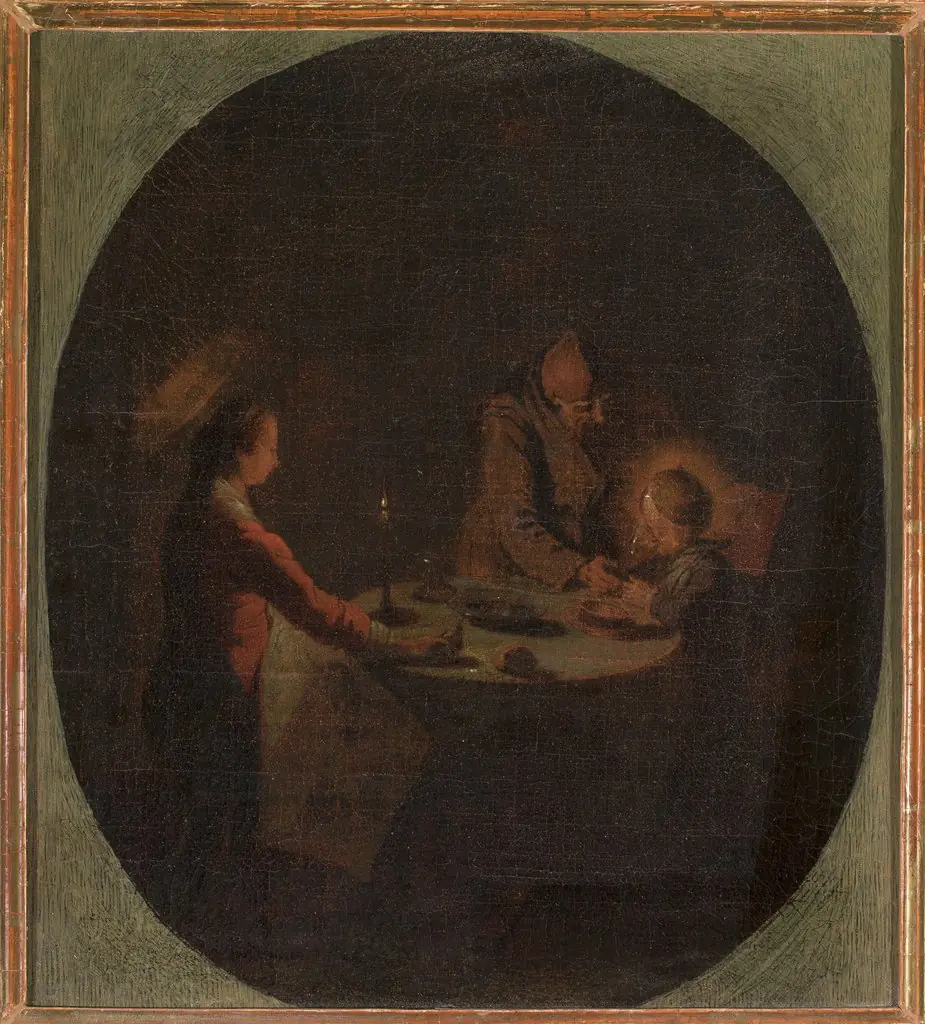 Holy Family at supper
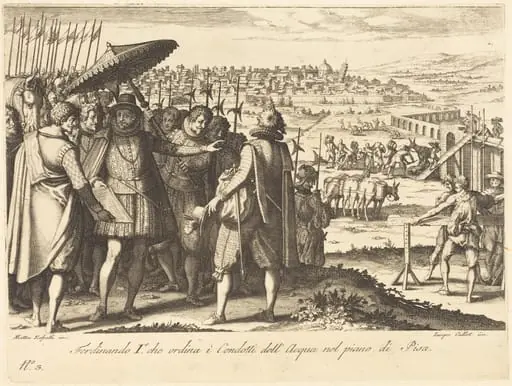 Restoration of the Aqueduct at Pisa
 Restoration of the Aqueduct at Pisa
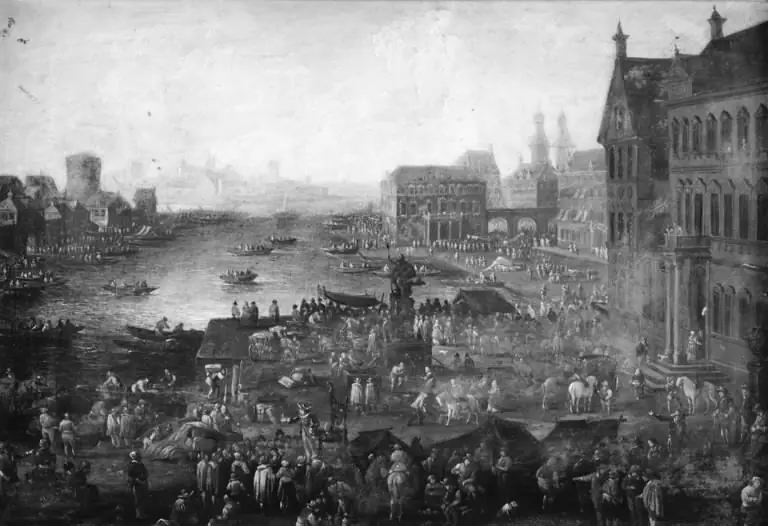 Square in Paris with Many Figures
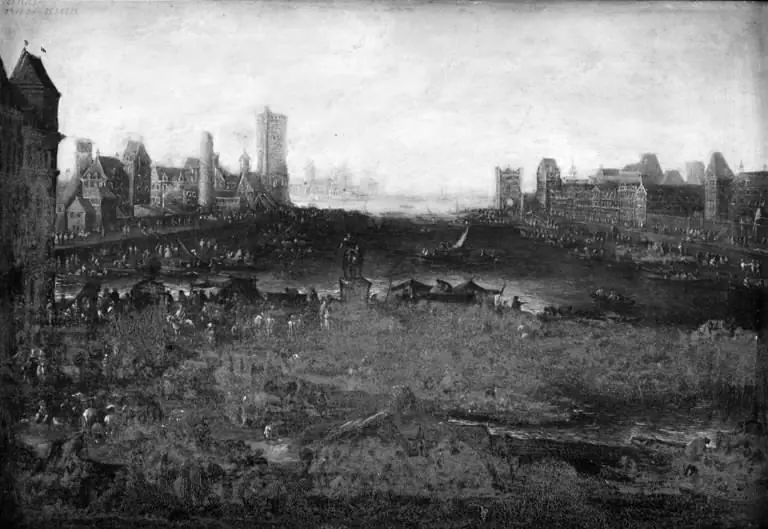 Square in Paris with Many Figures
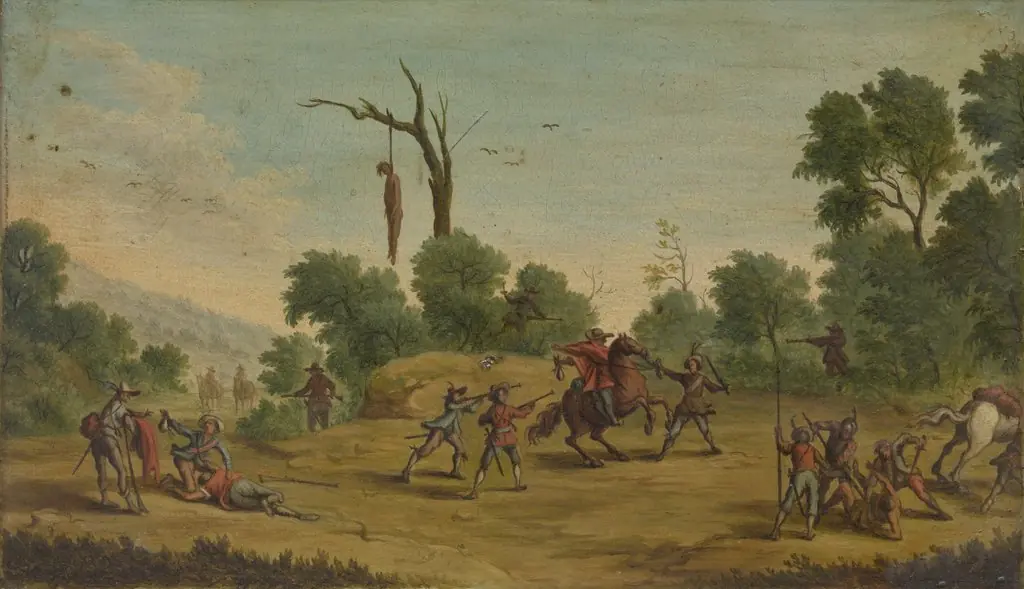 Horsemen Attacked by Robbers
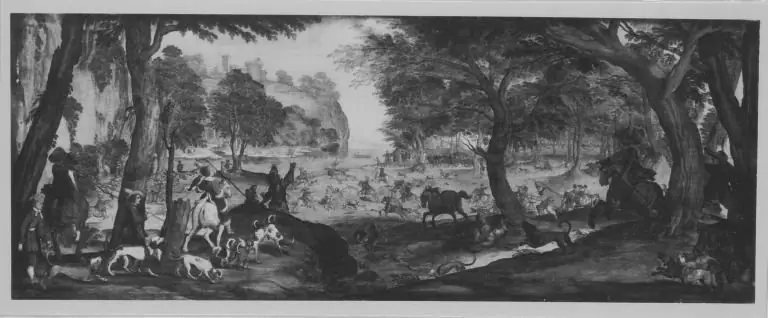 HOW WILL A COVERED PART BE CORRECTED?HOW WIKA A COVERED HEART DEED CORRECTED?
![Christ Walking on the Water [second plate], by Jacques Callot](https://artifactworldgallery.com/img/jacques-callot--christ-walking-on-the-water-second-plate--2069f3bfe4cb2126-w320.webp) Christ Walking on the Water [second plate]
Christ Walking on the Water [second plate]