Artwork
The Crucifixion
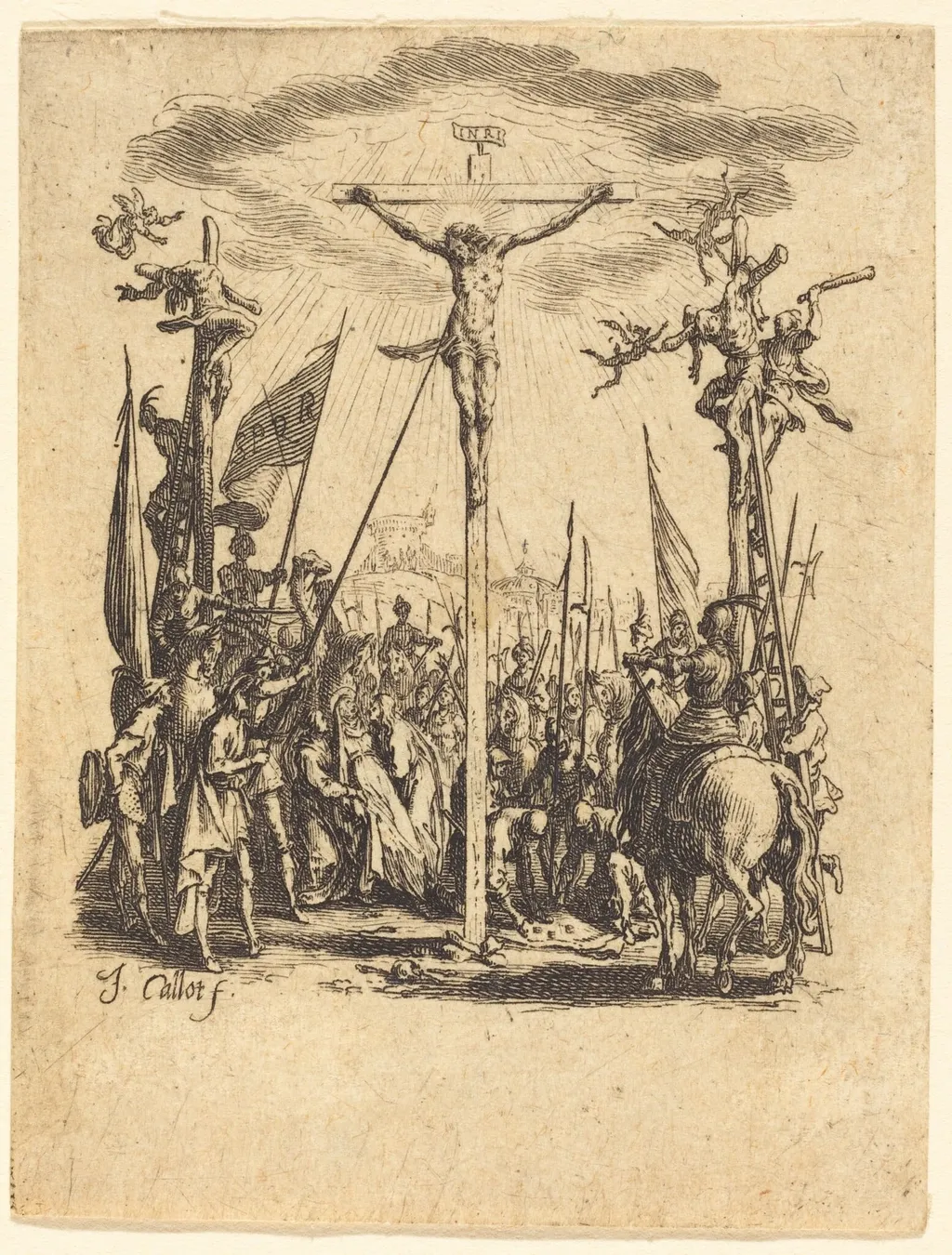
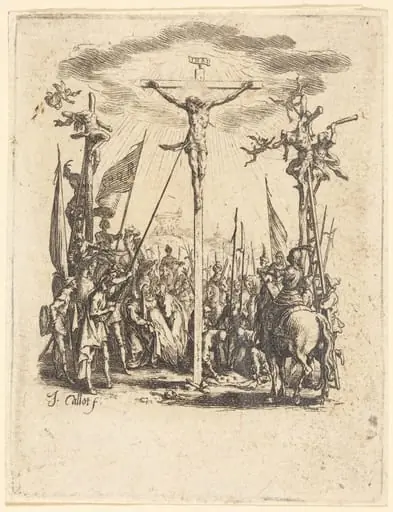
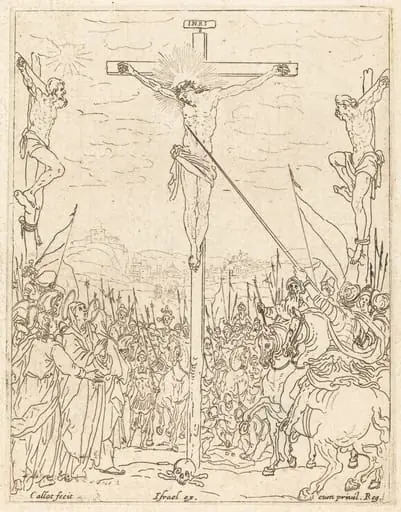
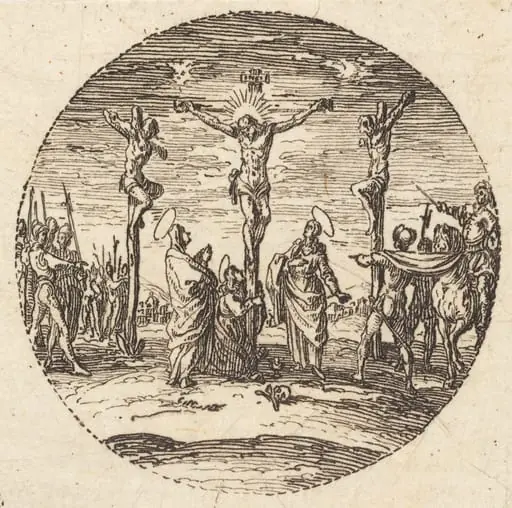
The Crucifixion is an ink print by the Baroque artist Jacques Callot. It dates from 1624 and is held in the collection of the National Gallery of Art.
About this work
You see a dark print showing Jesus on the cross with two thieves beside him.
You see a dark print showing Jesus on the cross with two thieves beside him. The lines are sharp and thin, like fine scratches in metal. Tiny figures gather below, their faces small but full of grief.
This isn’t a painting—it’s an etching. The artist cut into a metal plate, then inked it to print. Callot made this around 1625, when etchings were rare for religious scenes.
Look for more of his work at the National Gallery of Art in Washington.
Overview
Jacques Callot, a printmaker from the Duchy of Lorraine, produced this etching around 1624–25 as part of his extensive body of work spanning over 1,400 prints. Executed on laid paper, the piece belongs to the religious tradition in printmaking, a less common subject for the medium at the time. Its fine, incised lines reflect Callot’s precision with the burin and acid, showcasing his technical command over the etching process.
Subject & Meaning
The scene depicts Christ on the cross flanked by two thieves, a traditional representation of the crucifixion. Below, a crowd of small, finely rendered figures expresses varied reactions—grief, awe, and silence—emphasizing the human dimension of the event. Callot avoids overt drama, instead focusing on quiet solemnity, inviting contemplation rather than emotional spectacle.
Technique & Style
Callot used etching to achieve sharp, delicate lines that mimic engraving but with greater fluidity. The plate was coated with wax, drawn through with a needle, then submerged in acid to bite the exposed metal. Ink was pressed into the grooves and transferred to damp paper, creating a high-contrast image. The background is sparse, directing focus to the central figures and their emotional weight.
History & Provenance
Created during Callot’s mature period in Nancy or Paris, the print reflects his engagement with both religious themes and contemporary print culture. While few early impressions survive, the work was widely circulated among collectors and clergy. Later holdings include institutions such as the National Gallery of Art in Washington, where examples of his prints are preserved.
Context
In the early 17th century, etching was primarily used for secular subjects—portraits, landscapes, or genre scenes. Callot’s choice to apply it to a major biblical event was unconventional, aligning with broader Counter-Reformation efforts to make religious imagery accessible through reproducible media. His detailed compositions bridged devotional purpose and artistic innovation.
Legacy
Callot’s technical refinement elevated etching as a serious medium for narrative and religious imagery. His influence extended to later generations of printmakers across Europe, particularly in the use of fine line and compositional clarity. Though not widely exhibited in his lifetime, his prints became foundational to the study of Baroque graphic art.
Artist & collection
Artist
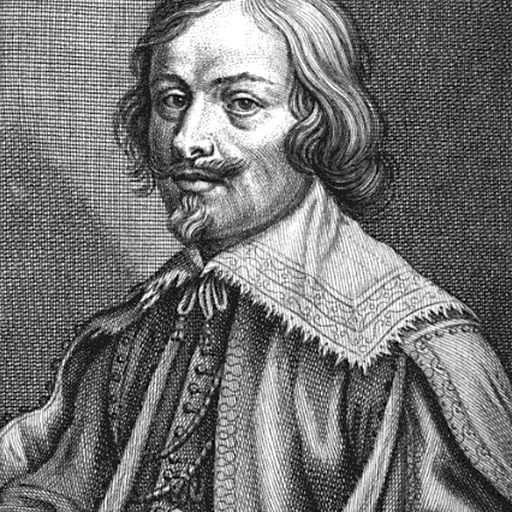
Jacques Callot was a baroque printmaker and draftsman from the Duchy of Lorraine.

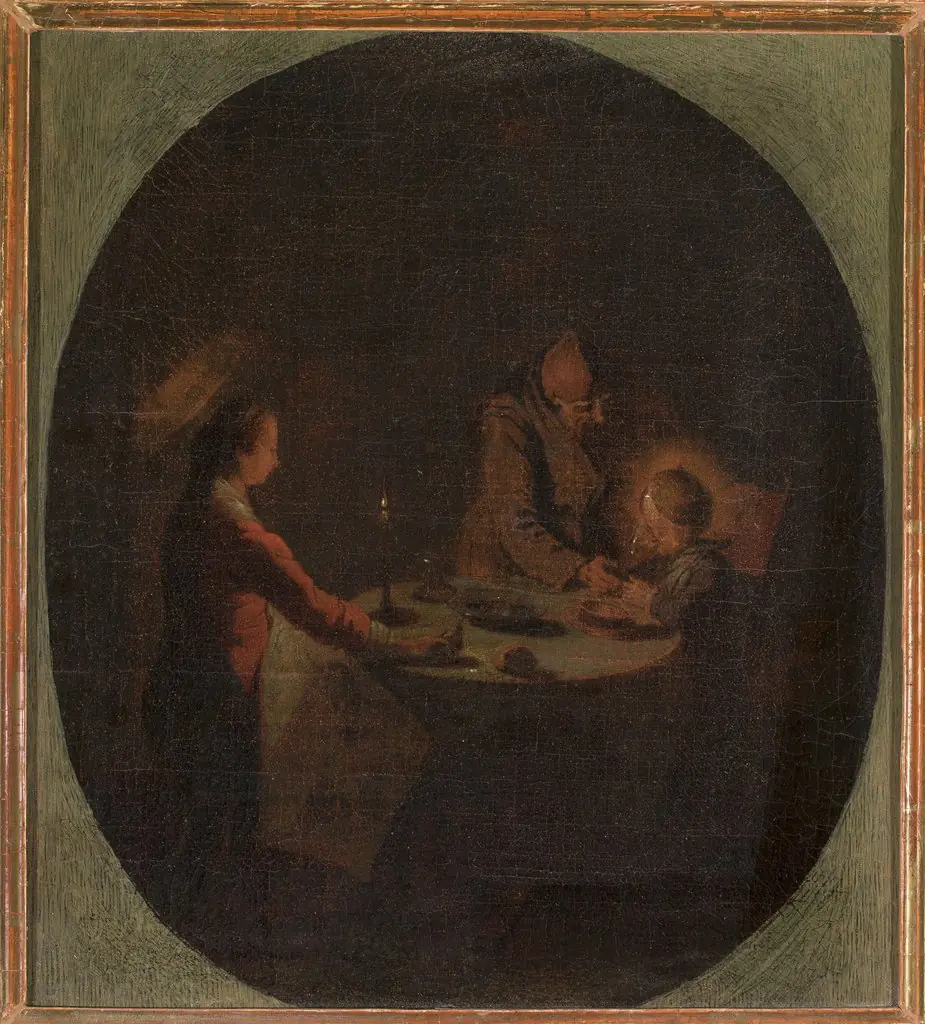 Holy Family at supper
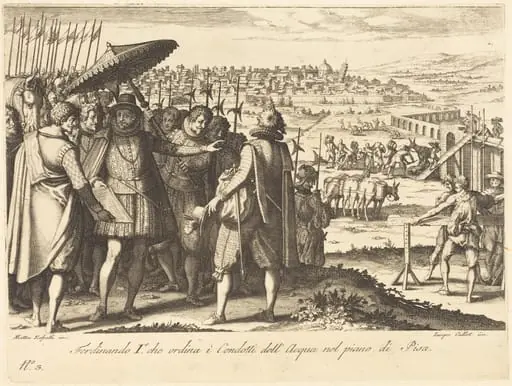 Restoration of the Aqueduct at Pisa
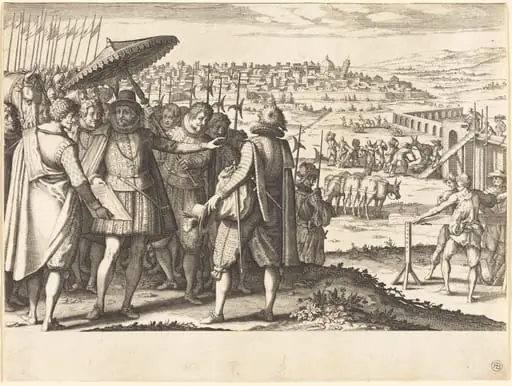 Restoration of the Aqueduct at Pisa
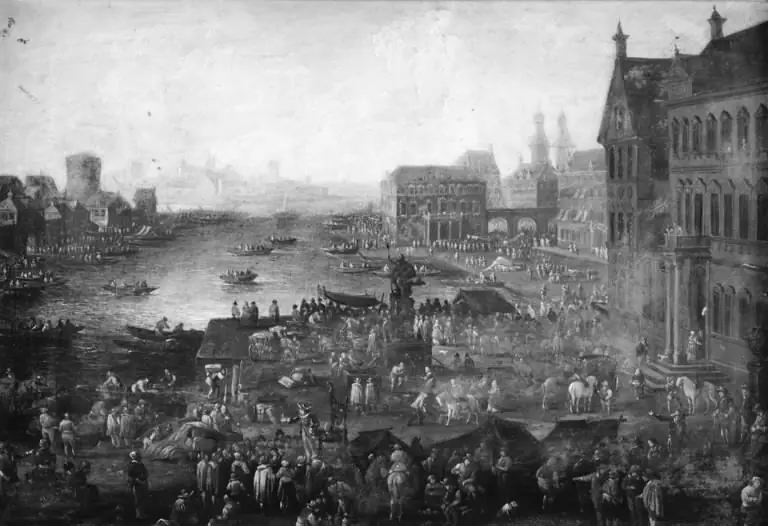 Square in Paris with Many Figures
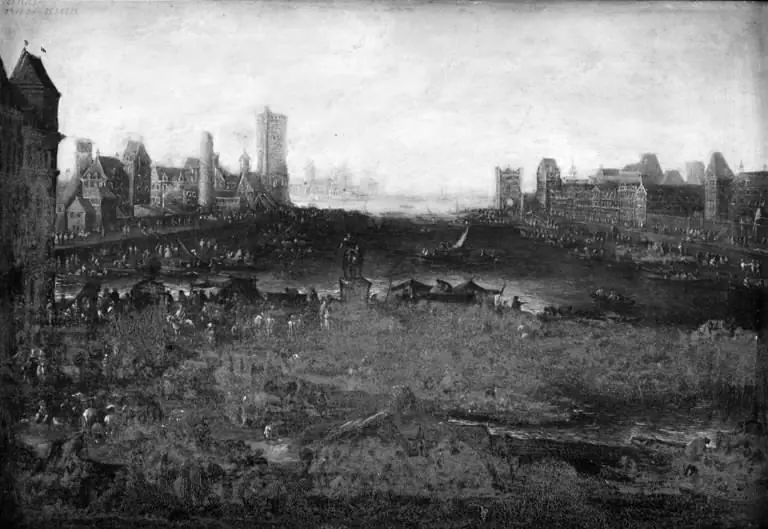 Square in Paris with Many Figures
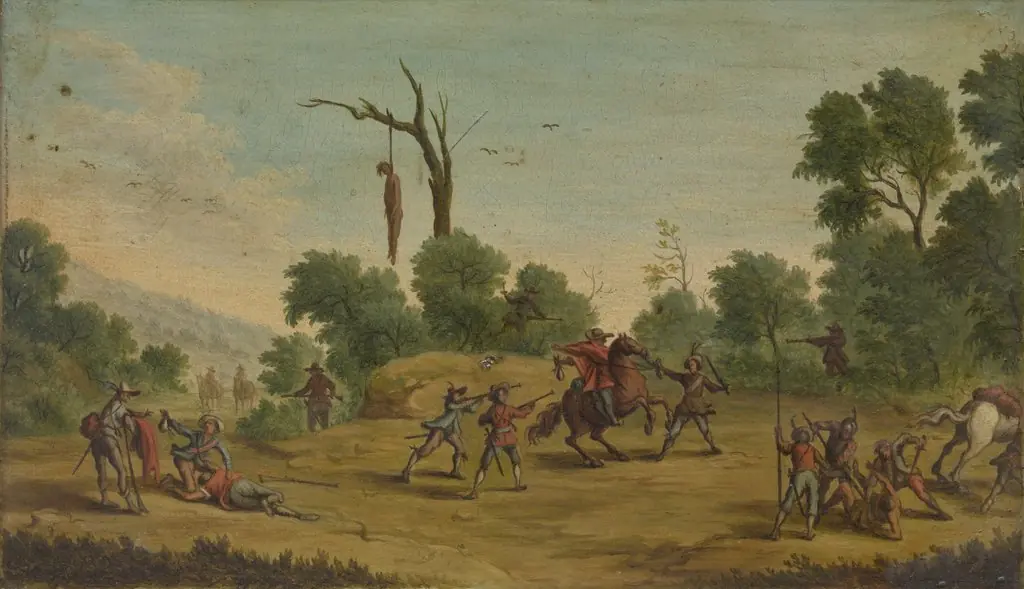 Horsemen Attacked by Robbers
 HOW WILL A COVERED PART BE CORRECTED?HOW WIKA A COVERED HEART DEED CORRECTED?
![Christ Walking on the Water [second plate], by Jacques Callot](https://artifactworldgallery.com/img/jacques-callot--christ-walking-on-the-water-second-plate--2069f3bfe4cb2126-w320.webp) Christ Walking on the Water [second plate]
Christ Walking on the Water [second plate]