Artwork
The Holy Family
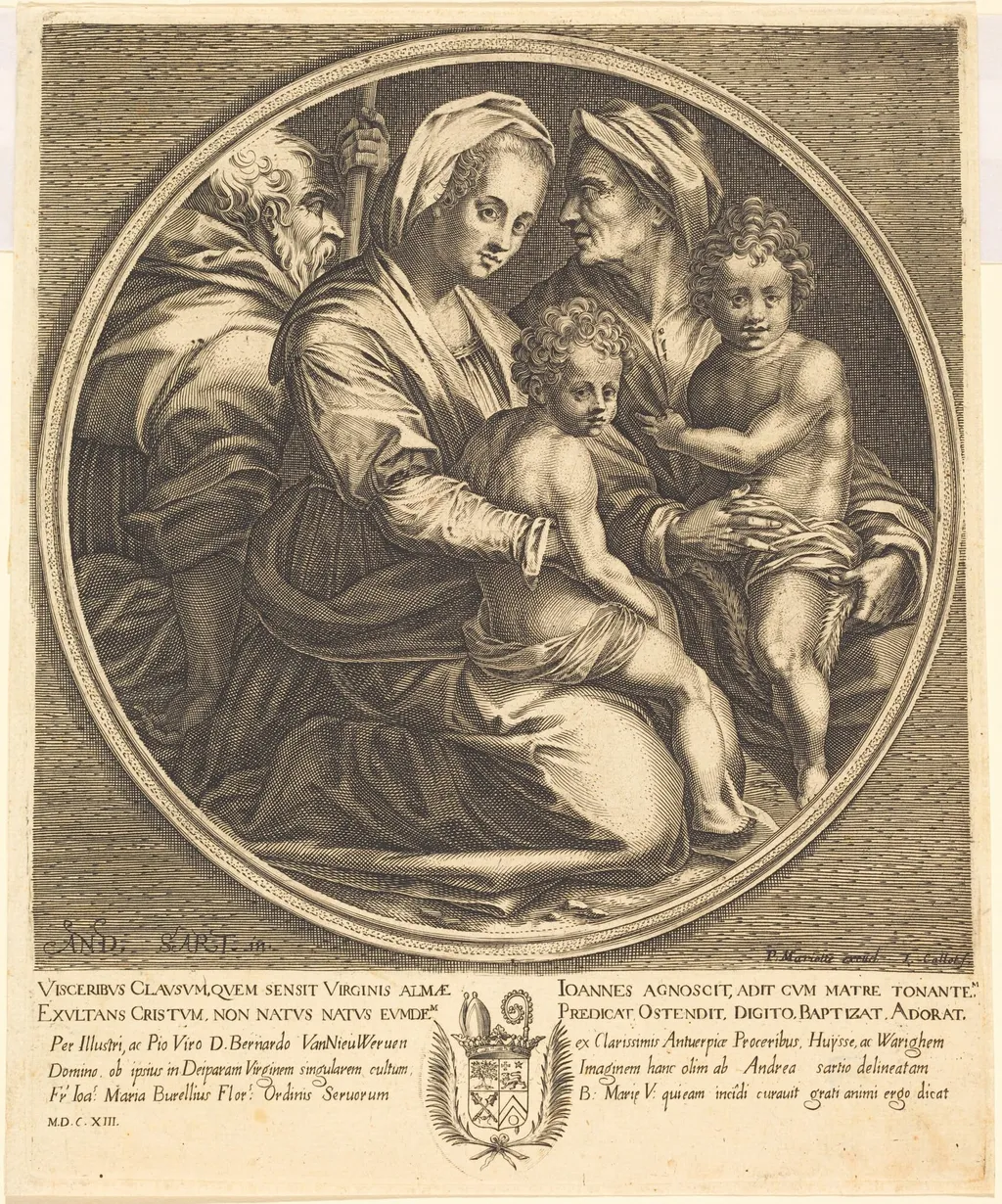
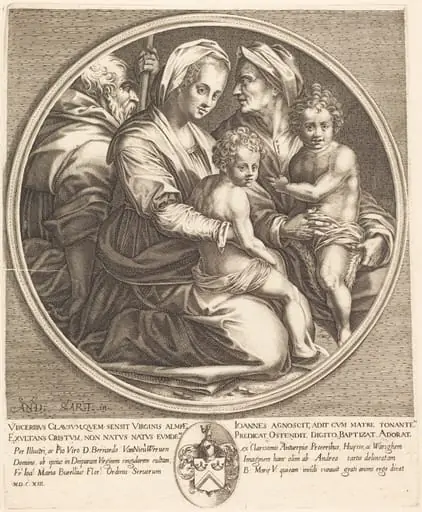
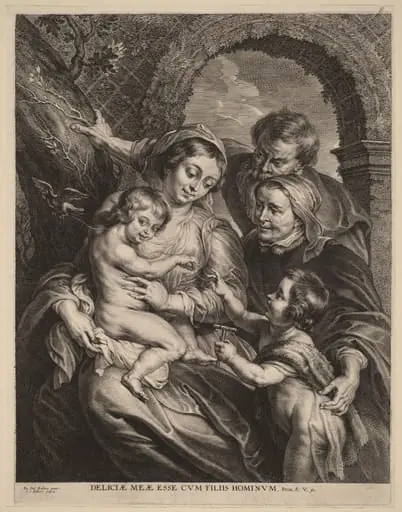
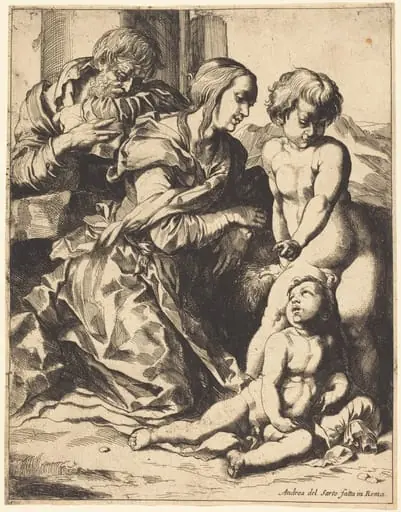
The Holy Family is an ink print by the Baroque artist Jacques Callot. It dates from 1613 and is held in the collection of the National Gallery of Art.
About this work
Overview
Jacques Callot, a French printmaker active in the early seventeenth century, executed *The Holy Family* in 1613 as an engraving on laid paper. The work belongs to the religious genre and demonstrates Callot’s facility with fine linear detail and atmospheric depth, hallmarks of his prolific output in the Baroque period.
Subject & Meaning
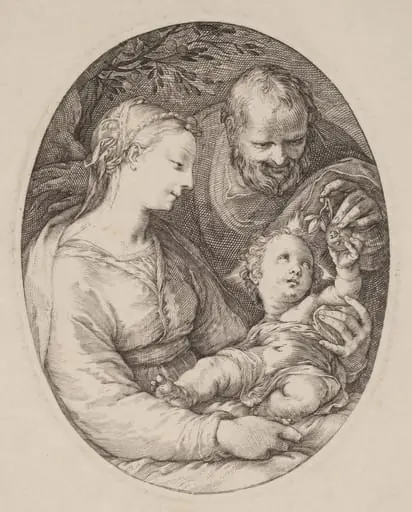
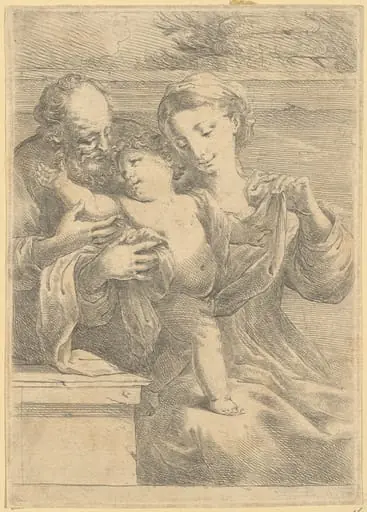
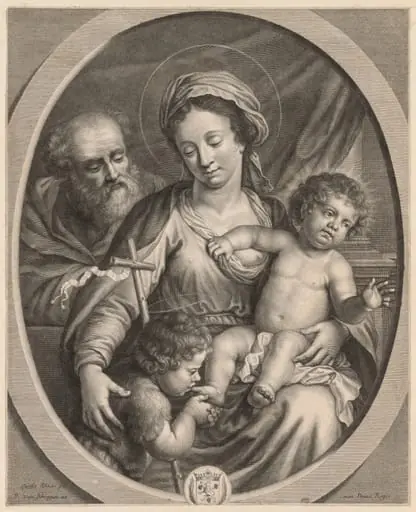
The composition presents a domestic scene of the Holy Family: a mother cradling an infant, a bearded father standing beside her, and a cherubic child reaching toward the baby. The tender expressions and playful gesture convey intimacy and devotion, emphasizing the human aspect of the sacred narrative.
Technique & Style
Callot employed the engraving process, incising lines into a metal plate to achieve precise, delicate contours. Fine hatching creates subtle shading on clothing and faces, while a decorative border frames the central group. The use of laid paper adds a textured surface that enhances the print’s tonal range.
History & Provenance
Created during Callot’s early career, the print reflects his broader interest in religious subjects alongside his well‑known series of military and genre scenes. It is part of a corpus of over a thousand works that established his reputation as a leading figure in early modern printmaking.
Context
The early 1600s saw a flourishing of devotional imagery in France and the Holy Roman Empire, often disseminated through prints that could reach a wide audience. Callot’s *Holy Family* aligns with this trend, offering a portable, affordable visual aid for private contemplation.
Artist & collection
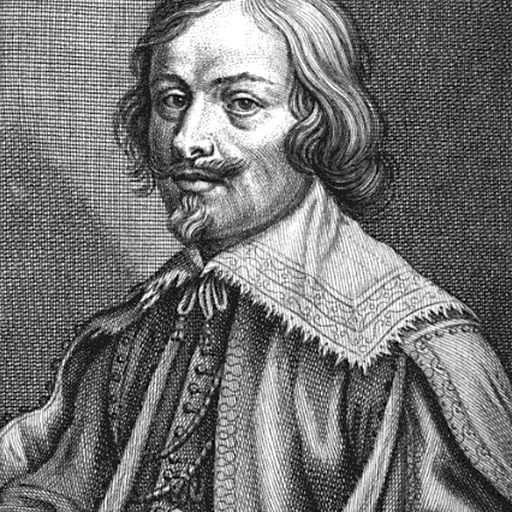
Artist
Jacques Callot was a baroque printmaker and draftsman from the Duchy of Lorraine.

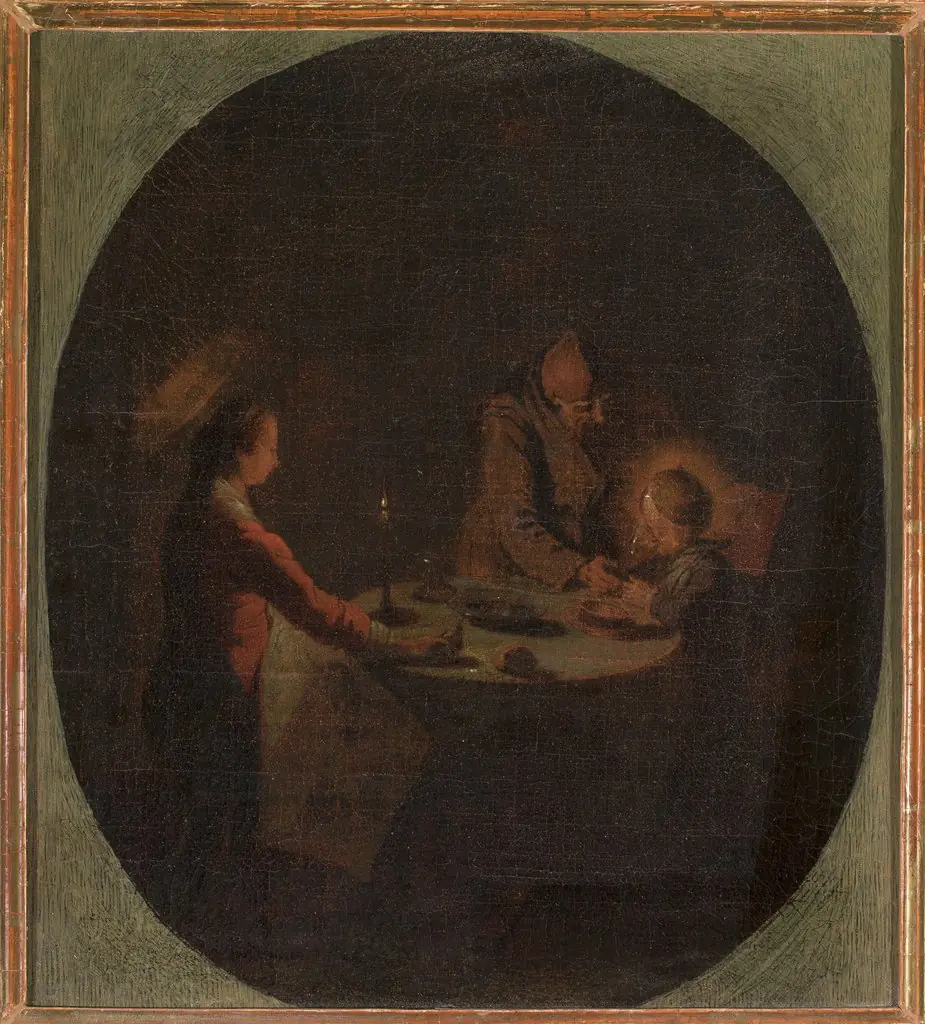 Holy Family at supper
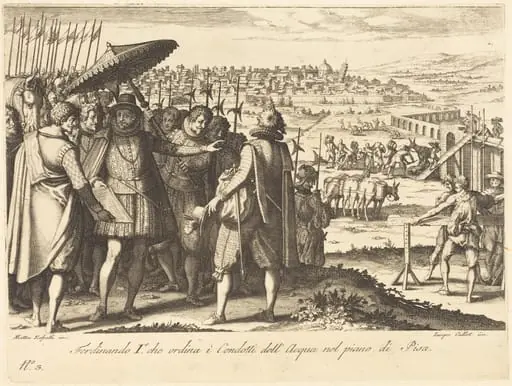 Restoration of the Aqueduct at Pisa
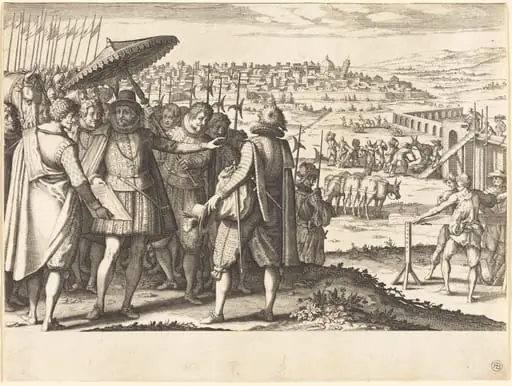 Restoration of the Aqueduct at Pisa
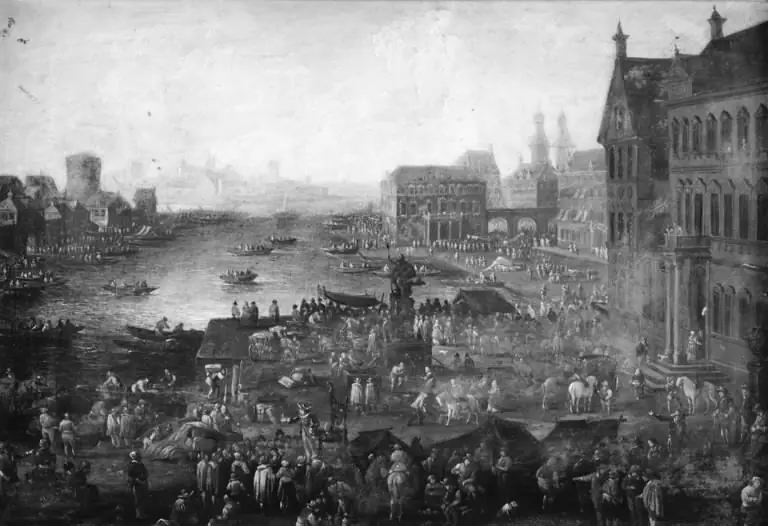 Square in Paris with Many Figures
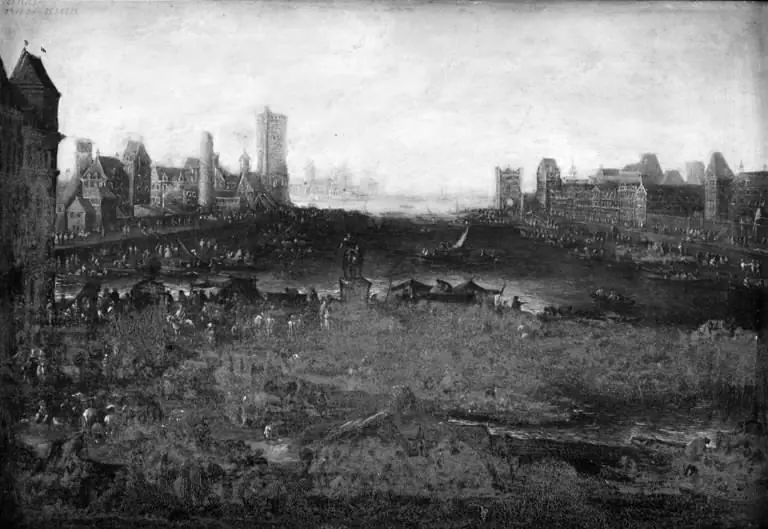 Square in Paris with Many Figures
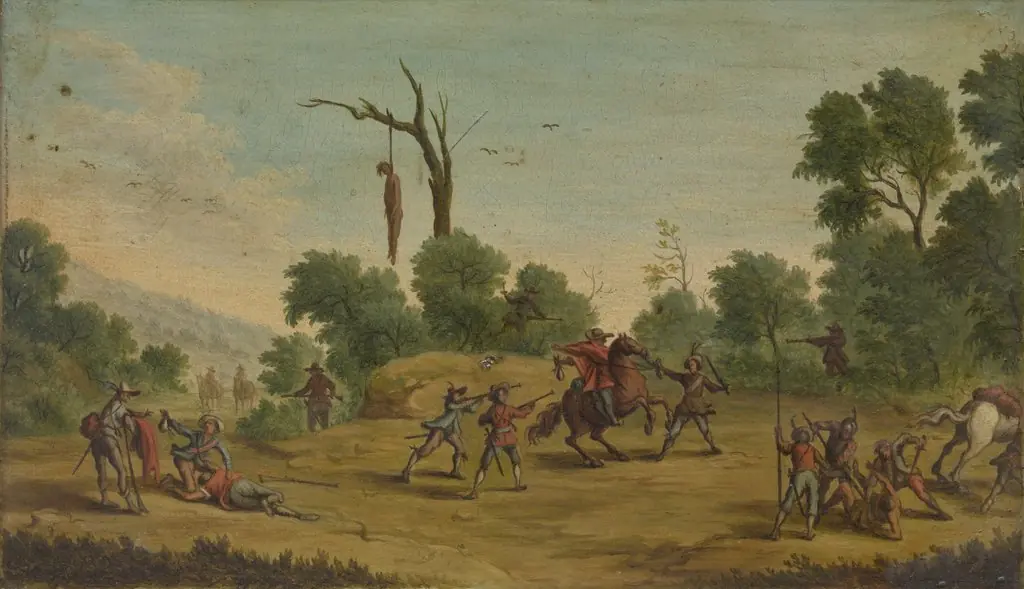 Horsemen Attacked by Robbers
 HOW WILL A COVERED PART BE CORRECTED?HOW WIKA A COVERED HEART DEED CORRECTED?
![Christ Walking on the Water [second plate], by Jacques Callot](https://artifactworldgallery.com/img/jacques-callot--christ-walking-on-the-water-second-plate--2069f3bfe4cb2126-w320.webp) Christ Walking on the Water [second plate]
Christ Walking on the Water [second plate]