Artwork
The Hooded Cripple
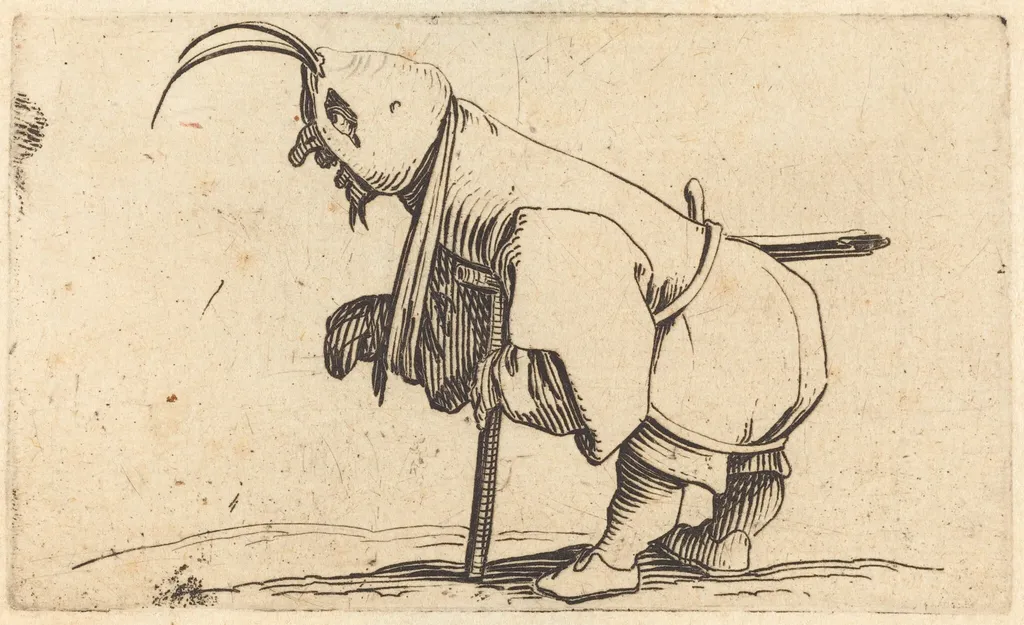
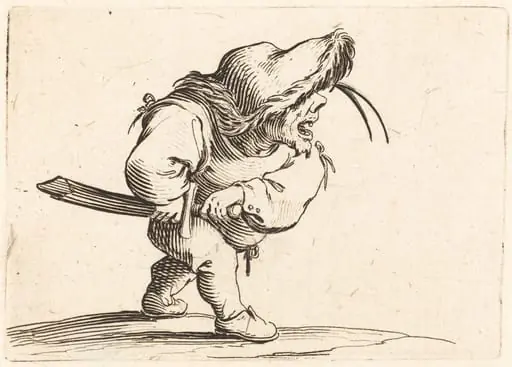
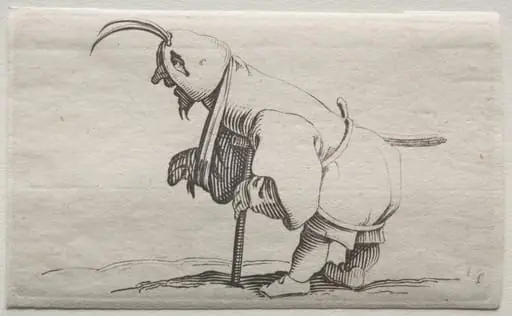
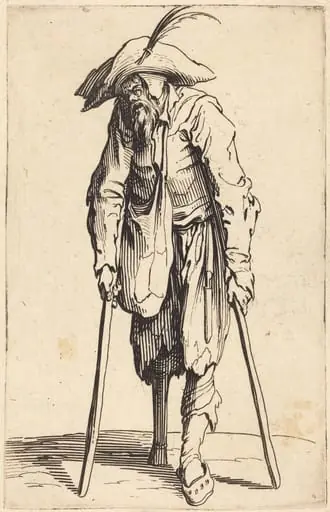
The Hooded Cripple is an ink print by the Baroque artist Jacques Callot. It dates from 1622 and is held in the collection of the National Gallery of Art.
About this work
Overview
Created around 1622 by Jacques Callot, *The Hooded Cripple* is an etching and engraving on laid paper, part of a vast body of work totaling over 1,400 prints.
Created around 1622 by Jacques Callot, *The Hooded Cripple* is an etching and engraving on laid paper, part of a vast body of work totaling over 1,400 prints. Callot, from the Duchy of Lorraine, focused on the lives of ordinary and marginalized people, capturing their conditions with precision. This piece exemplifies his interest in social observation, rendered through fine line work and tonal contrast rather than narrative drama.
Subject & Meaning
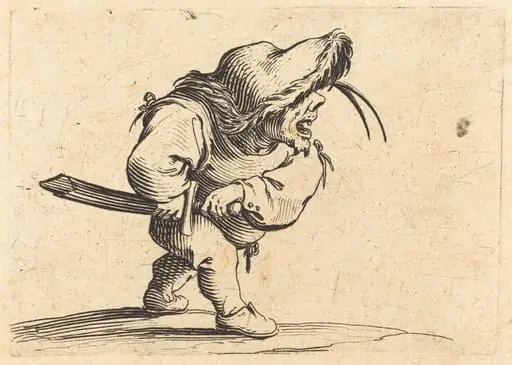
The print portrays a disabled figure wrapped in a long robe, hood drawn tightly over the head, leaning on a cane. The face, partially visible, shows a grimace with sunken eyes and an open mouth, suggesting pain or resignation. The anonymity of the hood and the lack of context emphasize isolation, reflecting broader societal neglect of those with physical impairments in early 17th-century Europe.
Technique & Style
Callot employed fine etching and engraving to achieve intricate detail in the figure’s posture and fabric folds. The background is minimally modeled with soft, uneven shading, drawing focus to the figure’s form. The use of laid paper, with its subtle texture, enhances the tactile quality of the print. His technique balances precision with emotional restraint, avoiding overt sentimentality.
History & Provenance
The print emerged during Callot’s most productive period in Nancy and Paris, when he documented urban life with documentary intent. While its early ownership is undocumented, it entered institutional collections in the 19th century as interest grew in Northern European printmaking. It remains part of public museum holdings, valued for its historical insight rather than rarity.
Context
In early 17th-century Europe, images of beggars and disabled figures were common in print culture, often serving moral or satirical purposes. Callot’s approach differed by avoiding caricature; his figures are observed with quiet realism. This work aligns with broader trends in Northern art that turned toward the everyday, influenced by the social disruptions of war and urban poverty.
Legacy
Callot’s detailed depictions of marginalized individuals influenced later generations of printmakers, including Goya and Daumier. *The Hooded Cripple* stands as an early example of empathetic social observation in print, contributing to a shift in how disability and poverty were visually represented—not as spectacle, but as quiet human presence.
Artist & collection
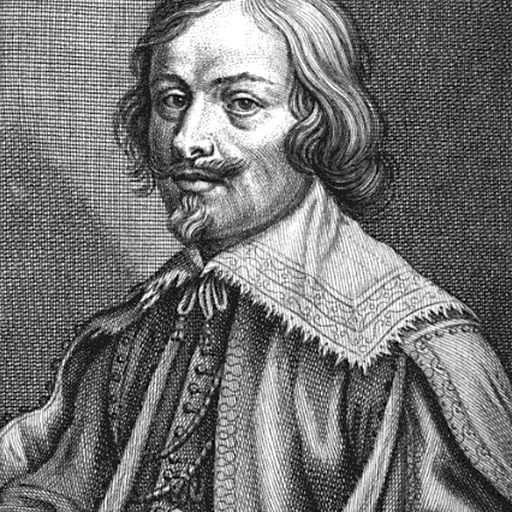
Artist
Jacques Callot was a baroque printmaker and draftsman from the Duchy of Lorraine.

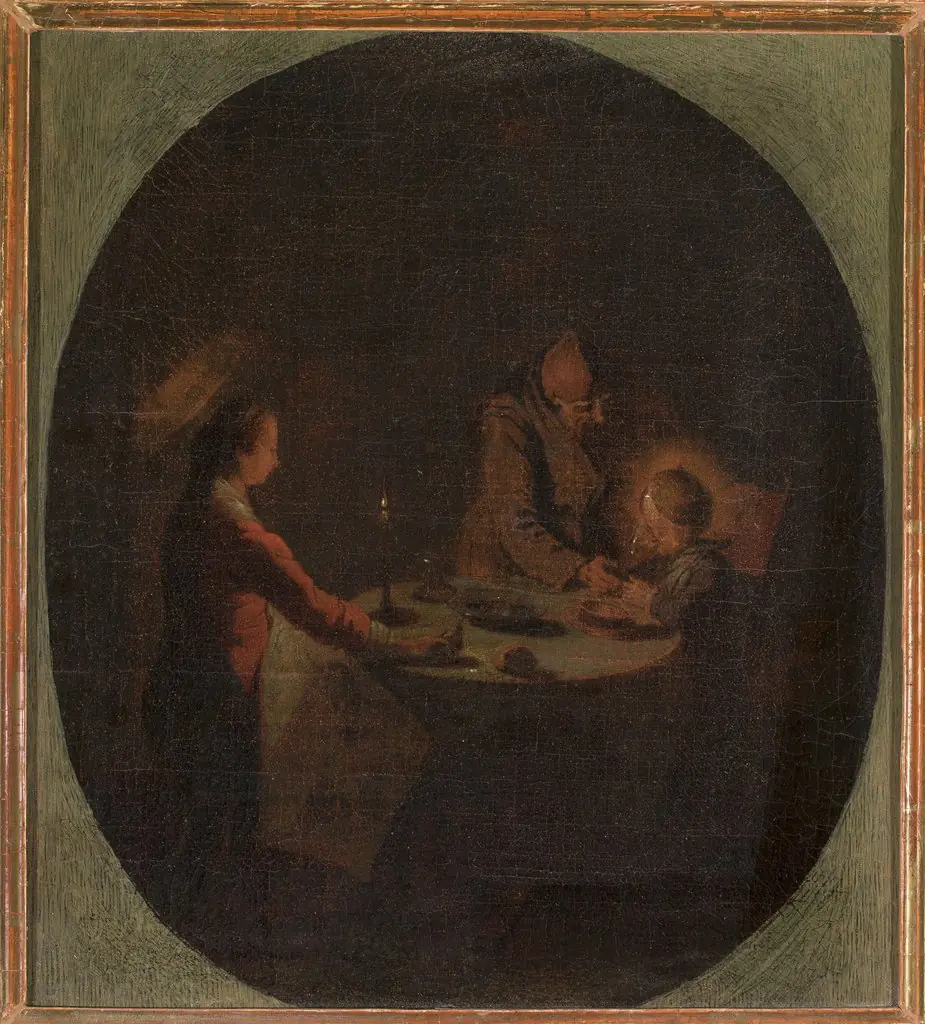 Holy Family at supper
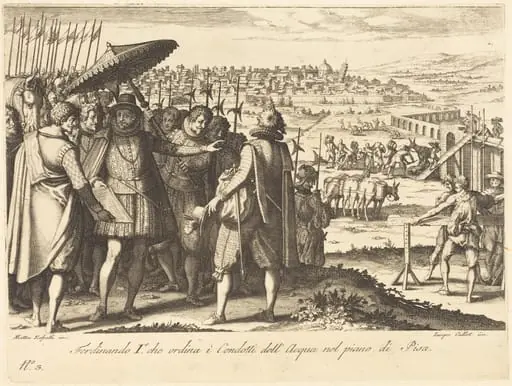 Restoration of the Aqueduct at Pisa
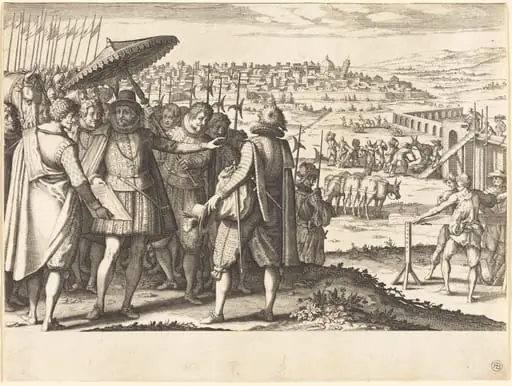 Restoration of the Aqueduct at Pisa
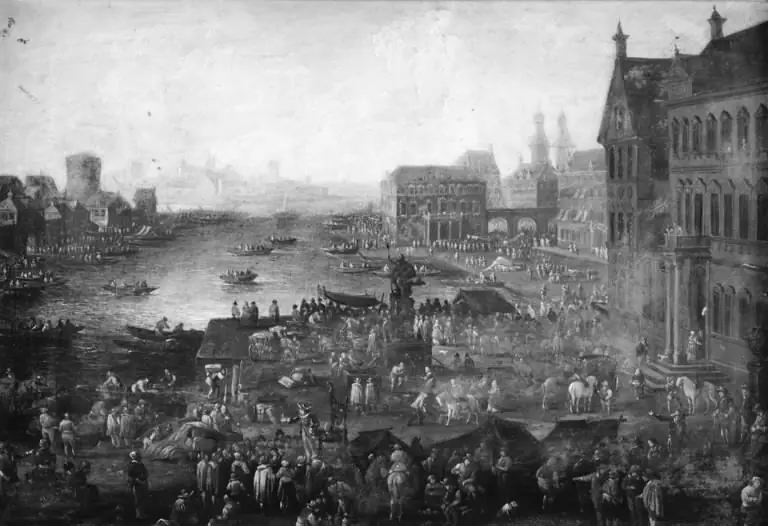 Square in Paris with Many Figures
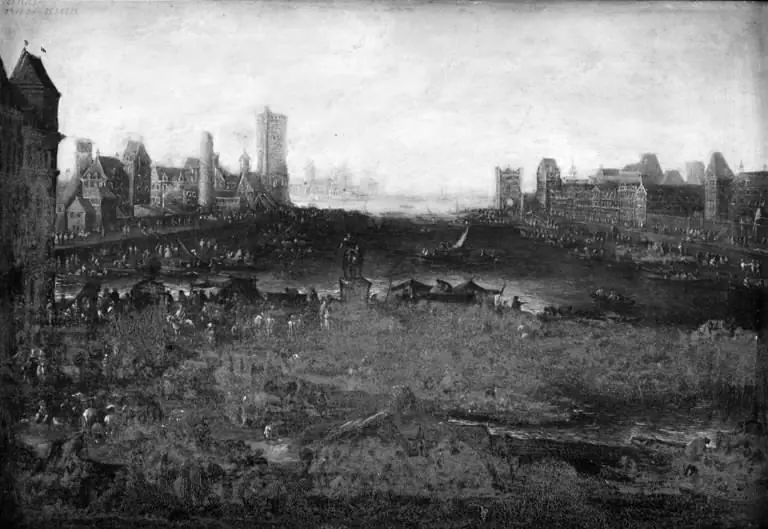 Square in Paris with Many Figures
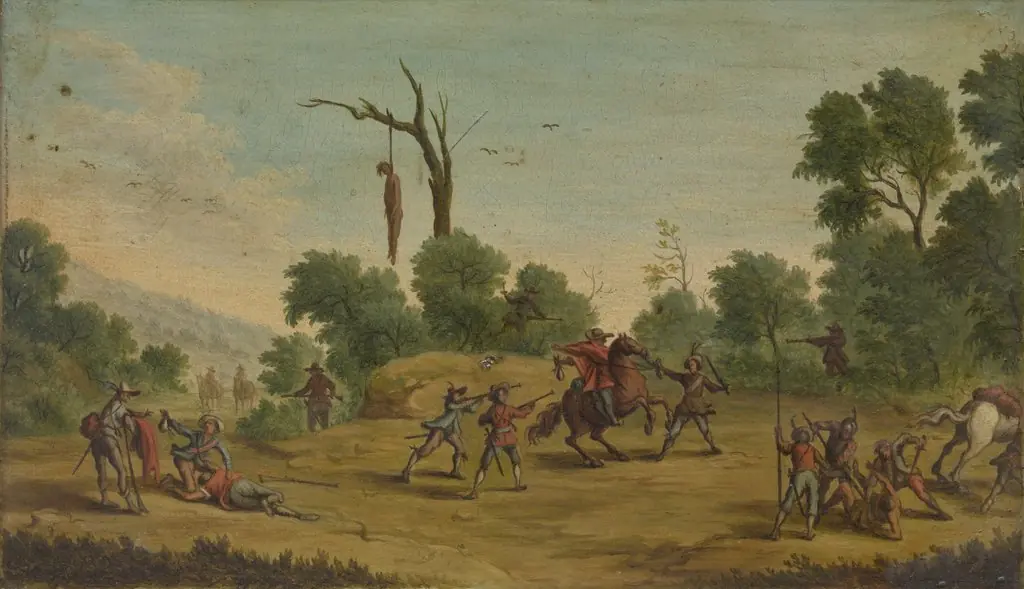 Horsemen Attacked by Robbers
 HOW WILL A COVERED PART BE CORRECTED?HOW WIKA A COVERED HEART DEED CORRECTED?
![Christ Walking on the Water [second plate], by Jacques Callot](https://artifactworldgallery.com/img/jacques-callot--christ-walking-on-the-water-second-plate--2069f3bfe4cb2126-w320.webp) Christ Walking on the Water [second plate]
Christ Walking on the Water [second plate]