Artwork
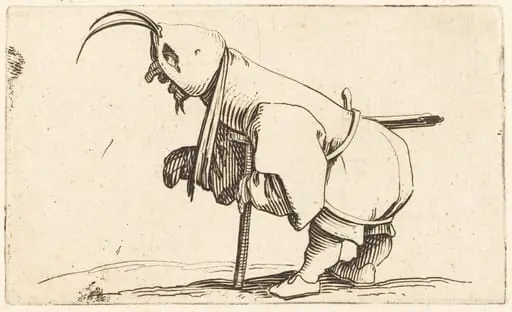
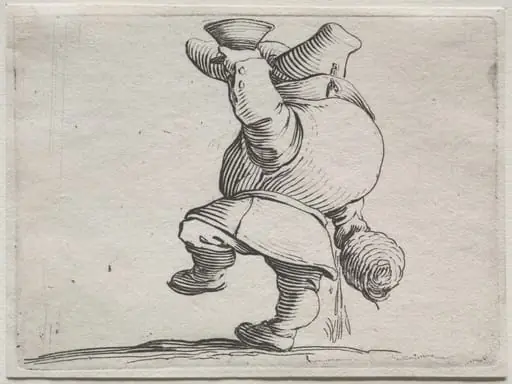
Varie figure gobbi di Iacopo Callot (Cripple with a hood)
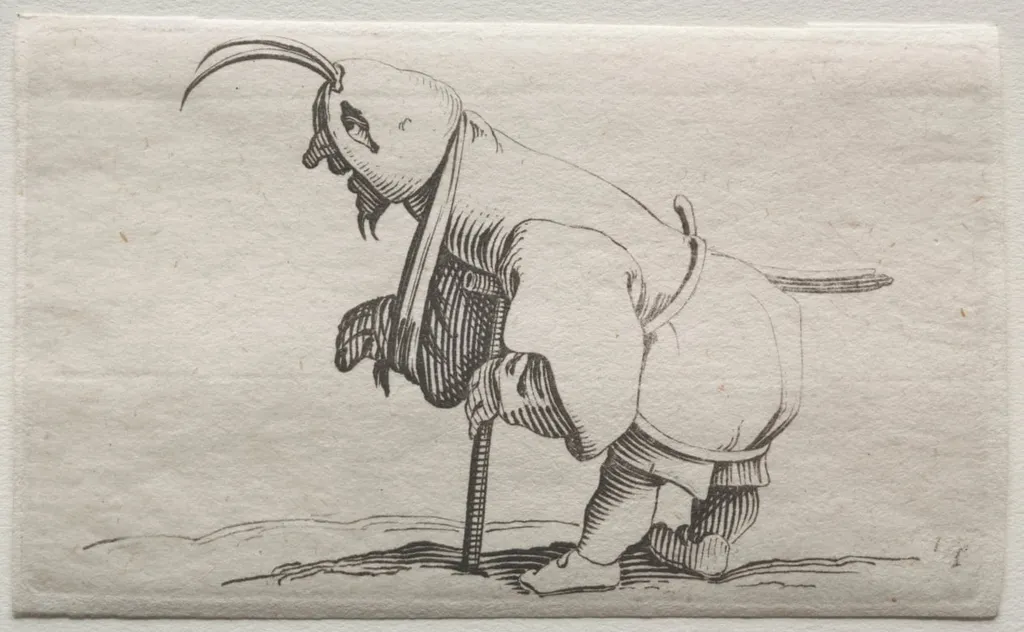
Varie figure gobbi di Iacopo Callot (Cripple with a hood) is a print by the Baroque artist Jacques Callot. It dates from 1623 and is held in the collection of the Cleveland Museum of Art.
About this work
The image is part of a series of 21 prints Callot made between 1621 and 1625.
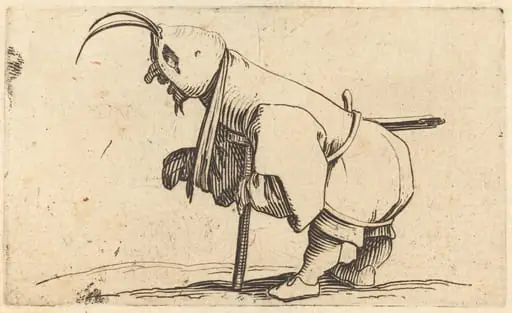
This print shows a man in a hood, bent over a stick. His face hides in shadow. The image is part of a series of 21 prints Callot made between 1621 and 1625. These prints were called *Varie figure gobbi* — "Various hunchback figures."
The series pokes fun at theatrical types from commedia dell’arte. The hunchbacks mimic the exaggerated postures of stock characters. It’s like a comic book of stereotypes from 17th-century Italy.
Callot was famous for his sharp, witty prints. See more of his work at the Cleveland Museum of Art.
Overview
Jacopo Callot produced a series of twenty-one etchings between 1621 and 1625 titled Varie figure gobbi, depicting figures with physical deformities, particularly hunched postures. These prints were not intended as portraits but as satirical studies of social types, rooted in the visual language of popular theater. Each image isolates a single figure, rendered with precise line work and minimal background, emphasizing posture and gesture over individual identity.
Subject & Meaning
The figures in the series mimic stock characters from commedia dell’arte, a form of improvisational theater known for exaggerated physicality and social caricature. The hooded hunchback in this print embodies a recurring archetype: the marginalized outsider, rendered through distorted posture and obscured facial expression. Callot’s treatment avoids overt cruelty, instead inviting observation of how society frames difference through performance and stereotype.
Technique & Style
Callot employed fine-line etching to achieve remarkable detail and tonal variation, using controlled cross-hatching to suggest shadow and texture. The figures emerge from dark, undefined spaces, their forms sharply delineated against the blank ground. His precision in rendering folds of fabric, the curve of the spine, and the weight of the walking stick underscores his technical mastery while reinforcing the theatricality of each pose.
History & Provenance
The series was published in Florence around 1621, though some prints may have been completed as late as 1625. Callot, a native of Lorraine working in Italy, drew on local theatrical culture to create these satirical studies. The prints circulated among collectors and artists, admired for their wit and craftsmanship. Several examples survive in major European collections, including the Cleveland Museum of Art, where they are preserved as key examples of early Baroque printmaking.
Context
In early 17th-century Italy, public fascination with physical difference coexisted with growing interest in human diversity, both scientific and comedic. Callot’s hunchbacks reflect this tension: they are both grotesque and familiar, drawn from street performers and theatrical roles. Unlike moralizing depictions of disability, these images treat deformity as a visual device, aligning with the broader cultural appetite for satire and social commentary.
Legacy
Callot’s Varie figure gobbi influenced later artists interested in social types and caricature, including William Hogarth and Francisco Goya. The series stands as an early example of printmaking used to explore identity through physical form. Rather than reinforcing pity or fear, the prints invite a detached, almost anthropological gaze, anticipating modern visual studies of social performance and bodily representation.
Artist & collection
Artist
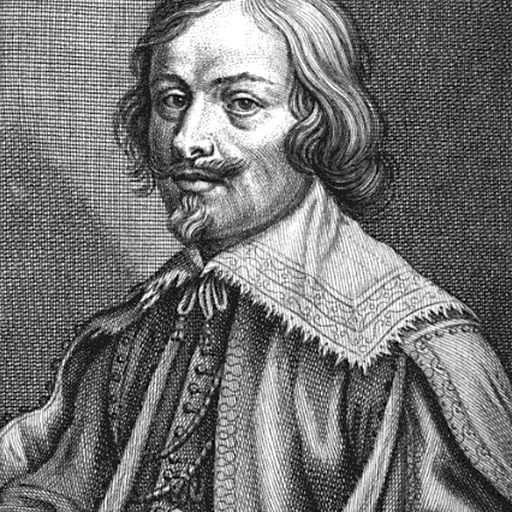
Jacques Callot was a baroque printmaker and draftsman from the Duchy of Lorraine.

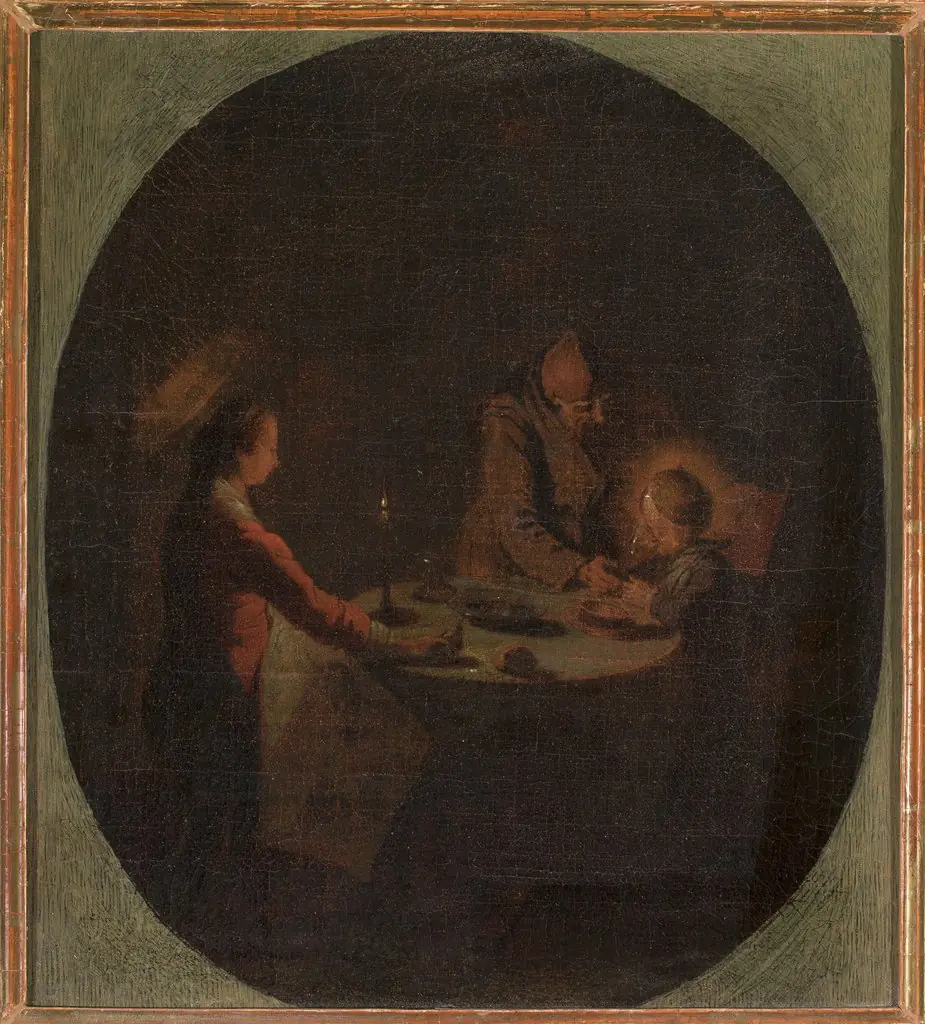 Holy Family at supper
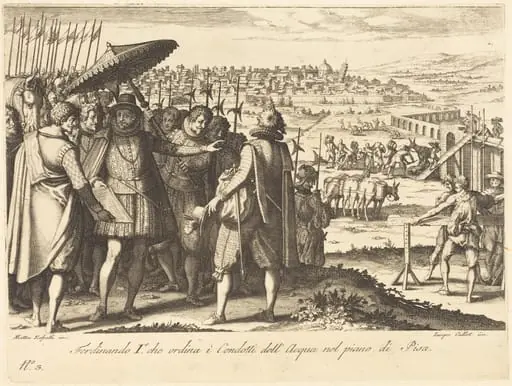 Restoration of the Aqueduct at Pisa
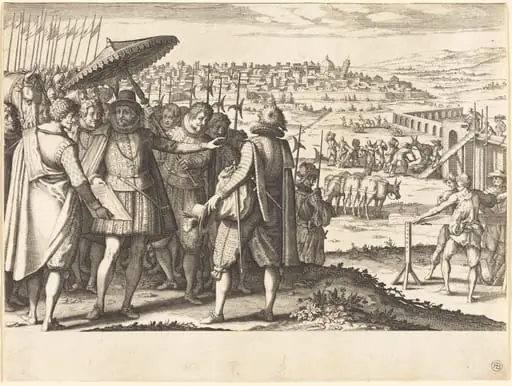 Restoration of the Aqueduct at Pisa
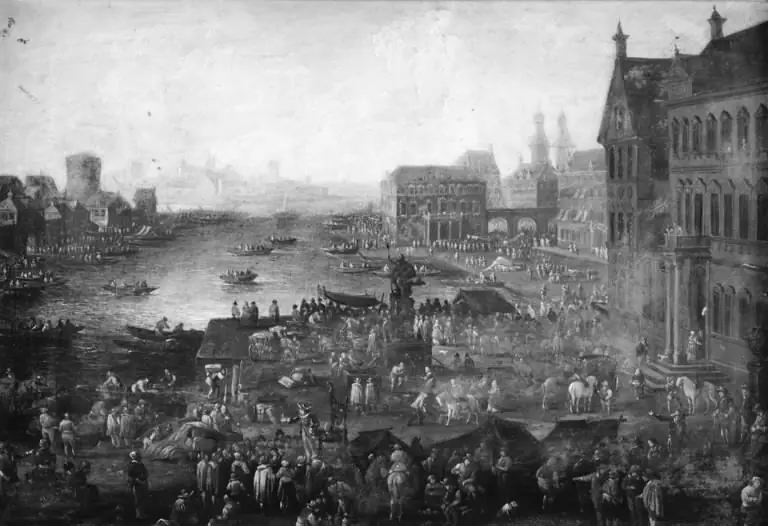 Square in Paris with Many Figures
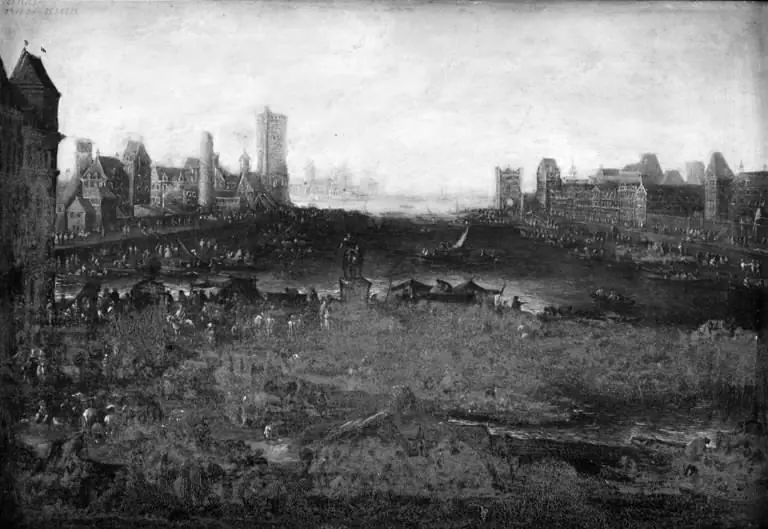 Square in Paris with Many Figures
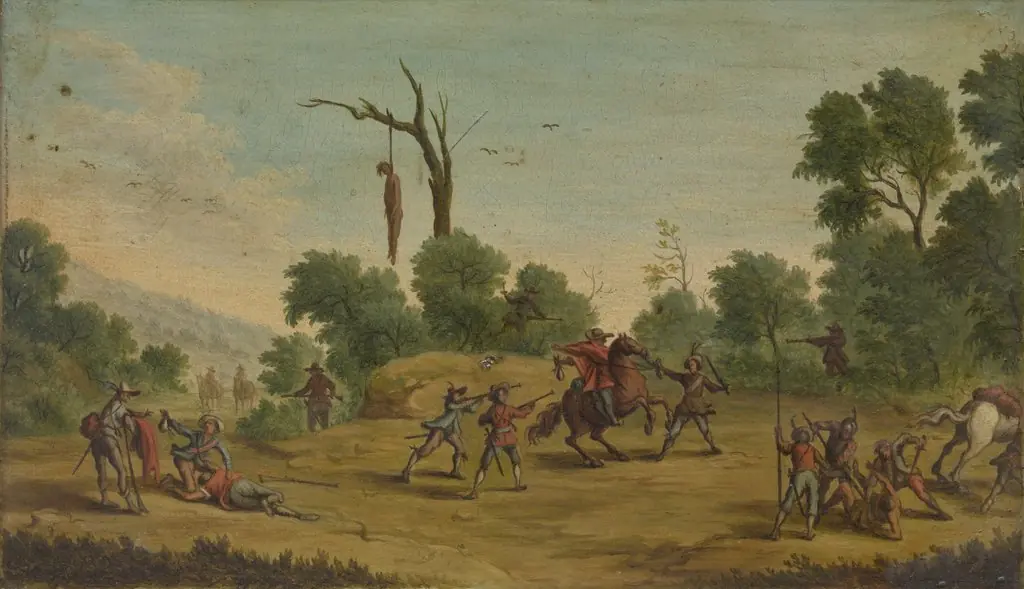 Horsemen Attacked by Robbers
 HOW WILL A COVERED PART BE CORRECTED?HOW WIKA A COVERED HEART DEED CORRECTED?
![Christ Walking on the Water [second plate], by Jacques Callot](https://artifactworldgallery.com/img/jacques-callot--christ-walking-on-the-water-second-plate--2069f3bfe4cb2126-w320.webp) Christ Walking on the Water [second plate]
Christ Walking on the Water [second plate]
 The Hooded Cripple
 The Hooded Cripple
 Masked Man with Twisted Feet
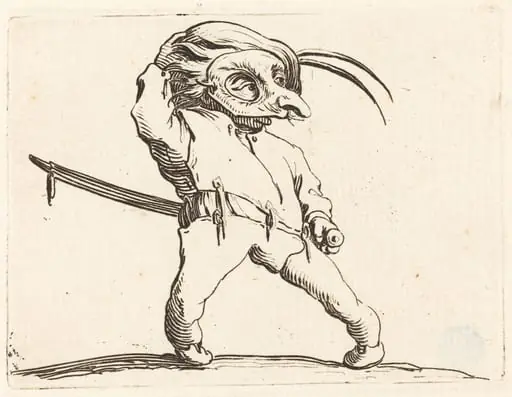 Masked Man with Twisted Feet
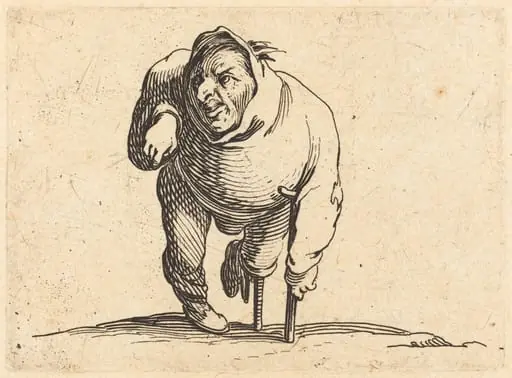 Cripple with Crutch and Wooden Leg
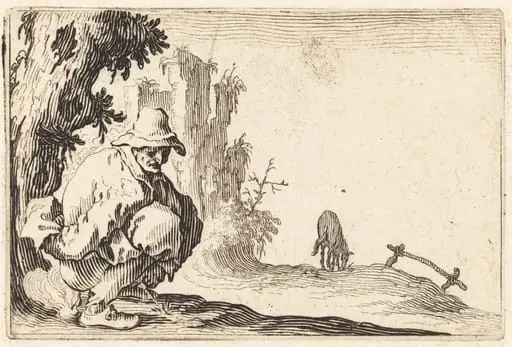 Peasant Defecating
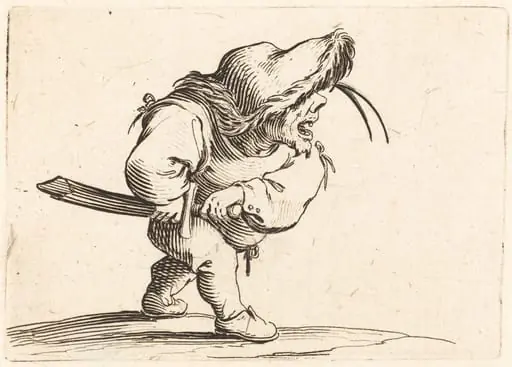 Man Preparing to Draw his Sword
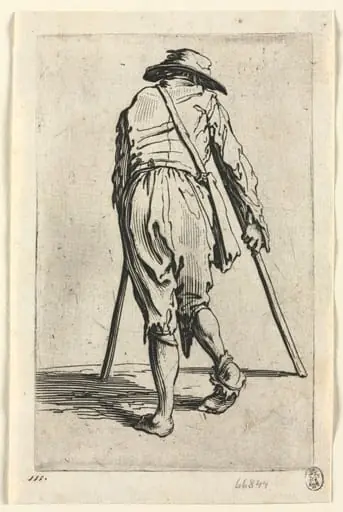 The Beggars: Beggar on Crutches, Wearing a Hat
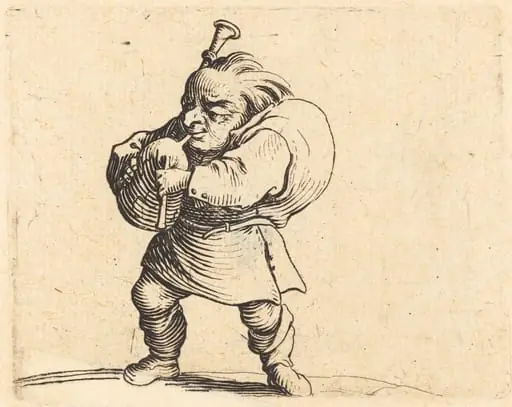 The Bagpipe Player
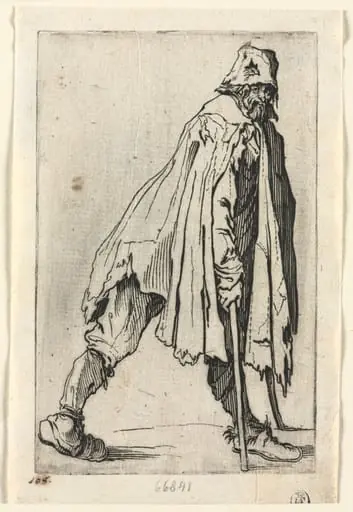 The Beggars: The Beggar on Crutches, Wearing a Cap
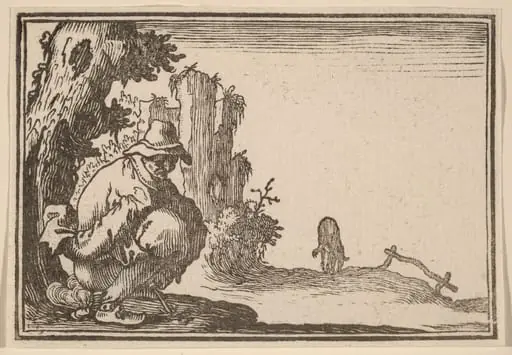 Peasant Defecating
 Drinker Seen From Behind