Artwork
The Hurdy-Gurdy Player
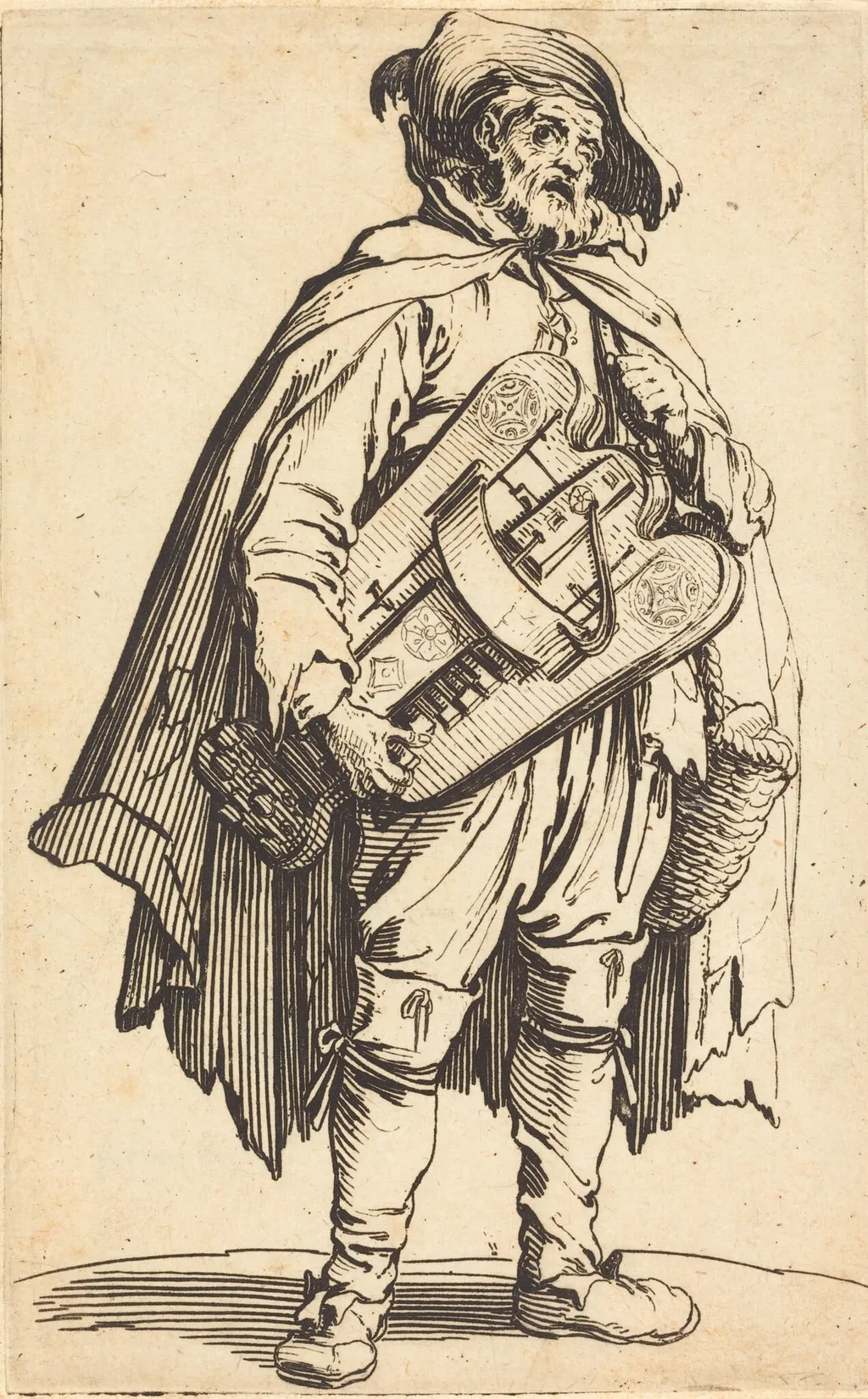
The Hurdy-Gurdy Player is an ink print by the Baroque artist Jacques Callot. It dates from 1622 and is held in the collection of the National Gallery of Art.
About this work
Overview
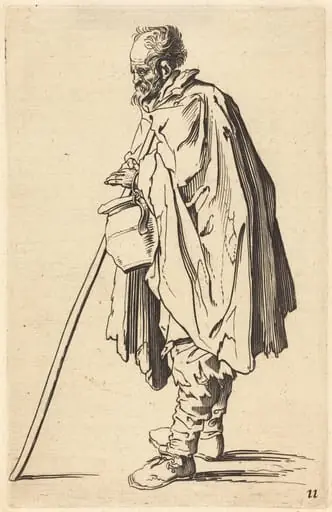
The Hurdy-Gurdy Player is an etching on laid paper created by Jacques Callot around 1622. It depicts a street musician playing a hurdy-gurdy, set against a backdrop of everyday life.
Subject & Meaning
The print captures a moment of contemporary street life, focusing on a humble musician dressed in simple attire. The subject reflects Callot's interest in documenting the lives of common people, including entertainers and laborers.
Technique & Style
Executed using the etching technique, the work features a design scratched into a metal plate. Callot's use of etching allowed for detailed, expressive lines, characteristic of his baroque style.
History & Provenance
Created during Callot's prolific period, this etching is one of over 1,400 works by the artist. Originating from the Duchy of Lorraine, it showcases his ability to chronicle the society of his time.
Context
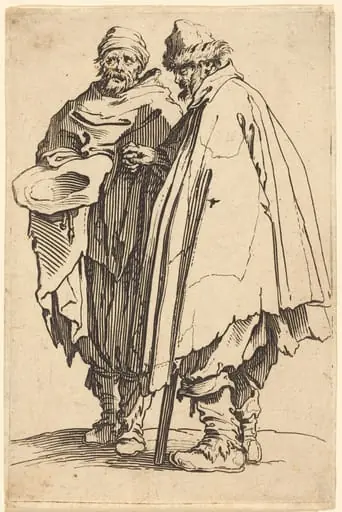
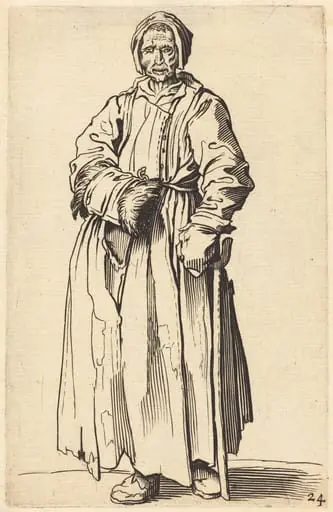
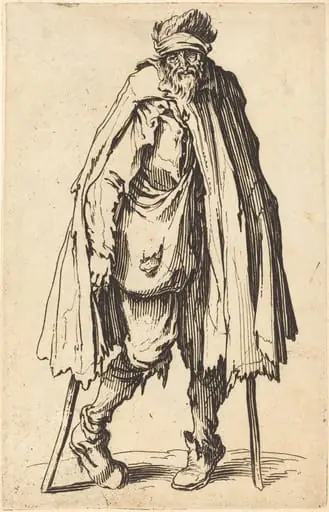
The Hurdy-Gurdy Player is part of a broader body of work by Callot that includes soldiers, beggars, and other figures from daily 17th-century life, often set within detailed, observational landscapes.
Artist & collection
Artist
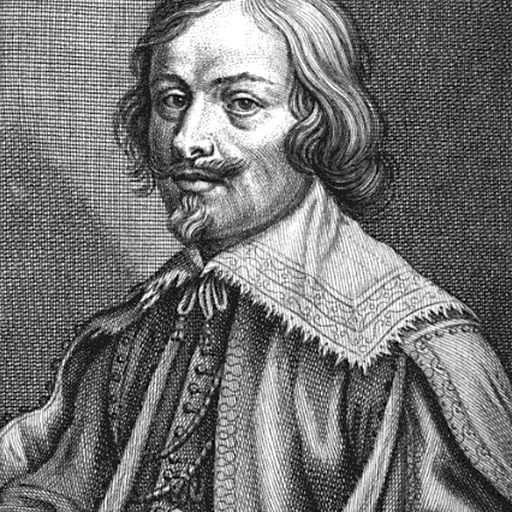
Jacques Callot was a baroque printmaker and draftsman from the Duchy of Lorraine.

 Holy Family at supper
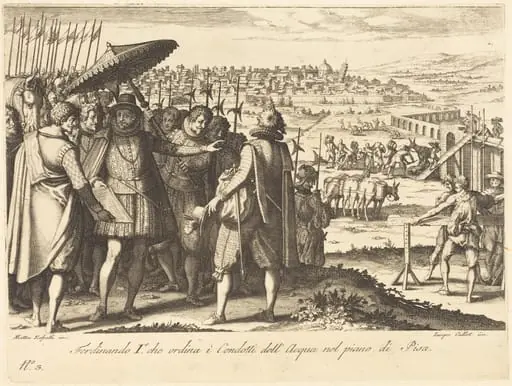 Restoration of the Aqueduct at Pisa
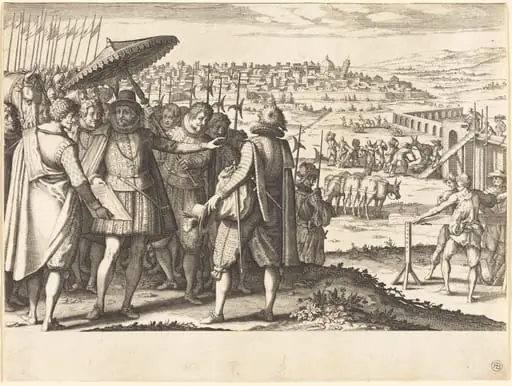 Restoration of the Aqueduct at Pisa
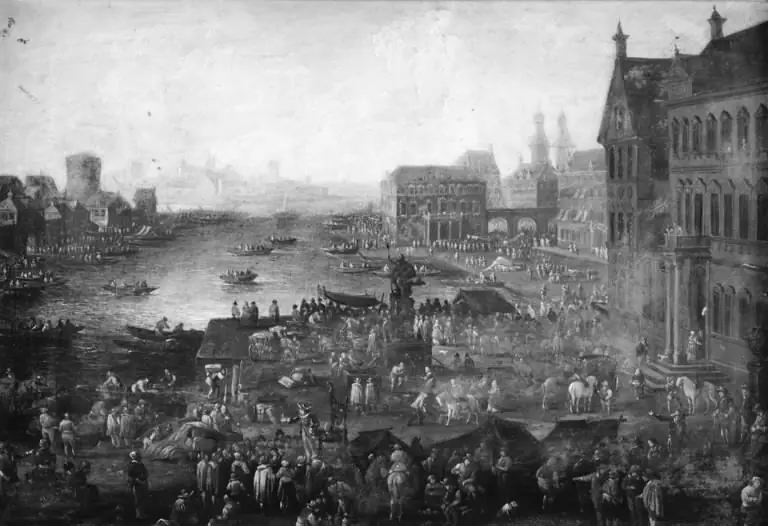 Square in Paris with Many Figures
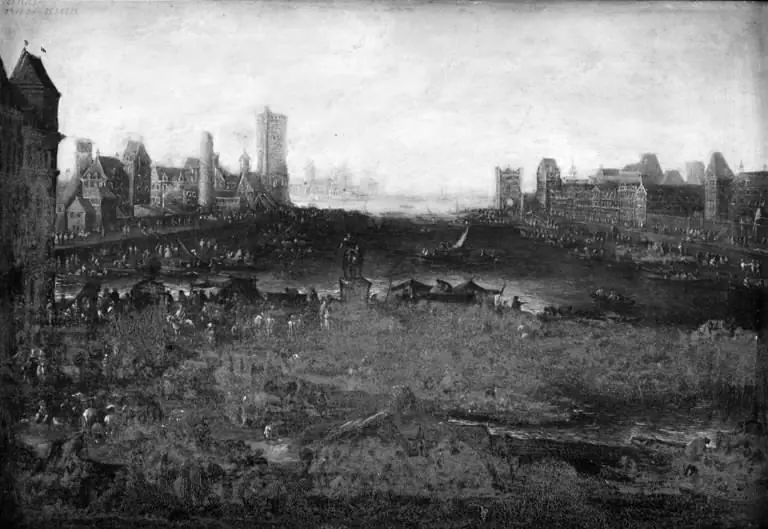 Square in Paris with Many Figures
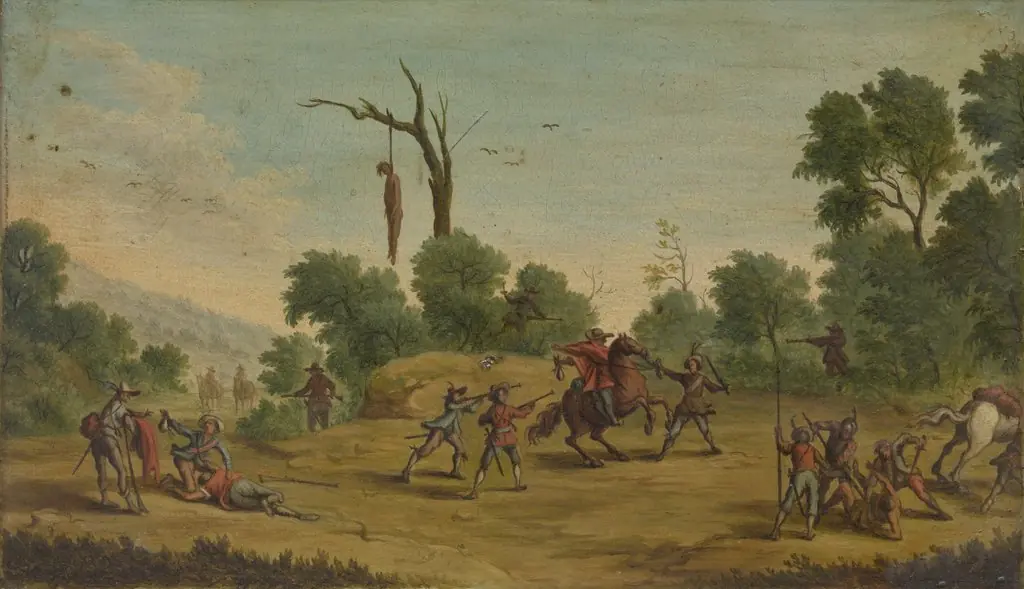 Horsemen Attacked by Robbers
 HOW WILL A COVERED PART BE CORRECTED?HOW WIKA A COVERED HEART DEED CORRECTED?
![Christ Walking on the Water [second plate], by Jacques Callot](https://artifactworldgallery.com/img/jacques-callot--christ-walking-on-the-water-second-plate--2069f3bfe4cb2126-w320.webp) Christ Walking on the Water [second plate]
Christ Walking on the Water [second plate]