Artwork
The Oppressed Woman
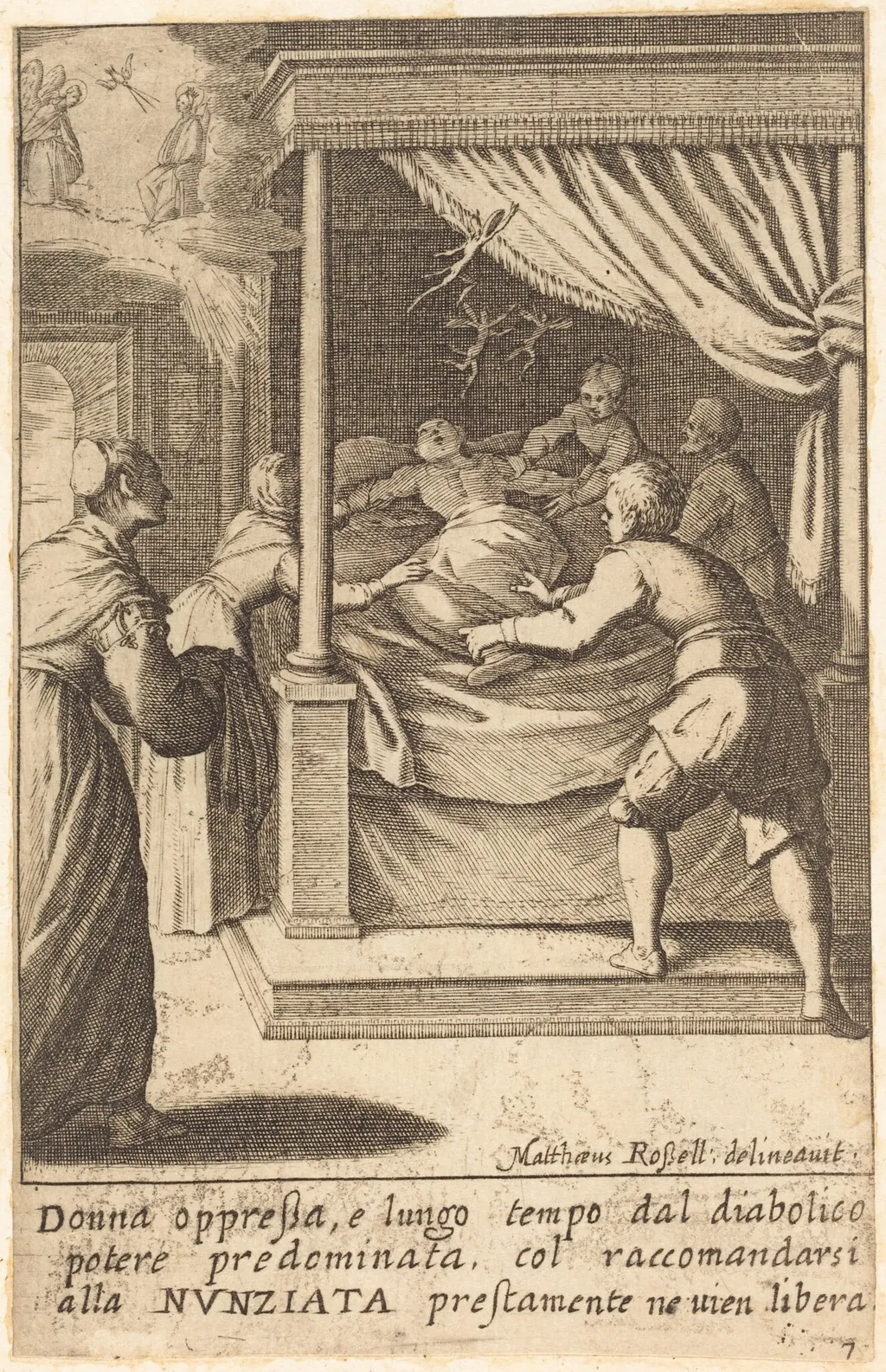
The Oppressed Woman is an ink print by the Baroque artist Jacques Callot. It dates from 1619 and is held in the collection of the National Gallery of Art.
About this work
Overview
Created in 1619 by Jacques Callot, *The Oppressed Woman* is an engraving on laid paper that captures a quiet moment of domestic distress.
Created in 1619 by Jacques Callot, *The Oppressed Woman* is an engraving on laid paper that captures a quiet moment of domestic distress. Callot, a prolific printmaker from Lorraine, used fine-line etching to render emotional weight with precision. The work belongs to a larger body of prints documenting everyday life, often highlighting vulnerability amid social structures. Its intimate composition and textual inscription distinguish it from his more dramatic war scenes.
Subject & Meaning
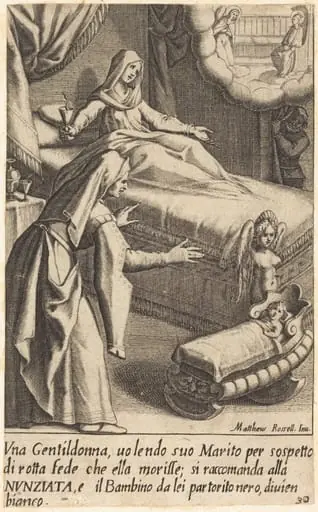
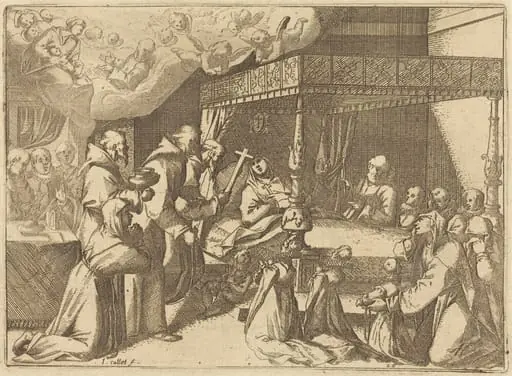
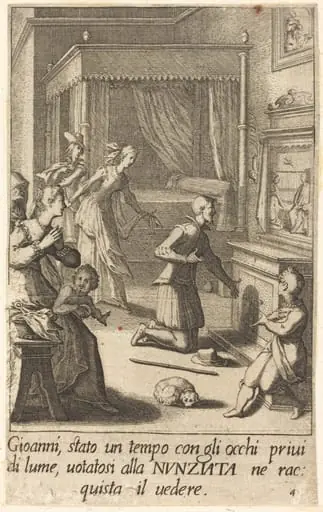
The scene depicts a woman collapsed on a bed, flanked by two children, while a man in ornate attire holds a book and another woman kneels beside her. Above, winged figures hover—one holding a trumpet—as if bearing witness or delivering a message. The Italian inscription below frames the woman’s plight as a plea for aid, suggesting moral or spiritual judgment. The imagery implies neglect, possibly by authority, and evokes themes of suffering and silent appeal.
Technique & Style
Callot employed fine, controlled engraving lines to build depth and texture, particularly in the heavy drapery and shadowed interior. The contrast between the darkened room and the illuminated figures enhances emotional tension. The man’s elaborate clothing and the children’s simplified forms create visual hierarchy, while the ethereal figures above introduce a symbolic layer. The precision of the lines reflects Callot’s mastery of metalplate engraving, allowing intricate detail without clutter.
History & Provenance
Produced during Callot’s early career in Florence, the print emerged from a period when he was refining his narrative style through observation of social conditions. Though few records detail its immediate reception, it aligns with his broader interest in marginalized figures. The work was likely circulated among collectors and artists familiar with Northern European print traditions, contributing to his reputation for socially aware imagery.
Context
In early 17th-century Italy, prints like this served as both artistic expression and moral commentary. Callot’s focus on domestic hardship reflects broader cultural concerns with poverty, gender, and authority. While religious iconography was common, his secular treatment of suffering—without overt biblical references—marked a shift toward human-centered narratives in printmaking, influenced by contemporary literature and civic discourse.
Legacy
*The Oppressed Woman* exemplifies Callot’s role in elevating printmaking as a medium for psychological and social observation. His technical precision and empathetic subject matter influenced later generations of engravers, particularly in Northern Europe. Though not widely exhibited today, the work remains a key example of how printmaking could convey complex human conditions with subtlety and restraint.
Artist & collection
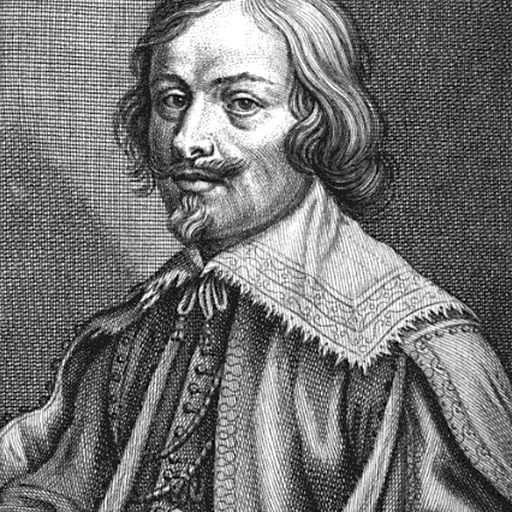
Artist
Jacques Callot was a baroque printmaker and draftsman from the Duchy of Lorraine.

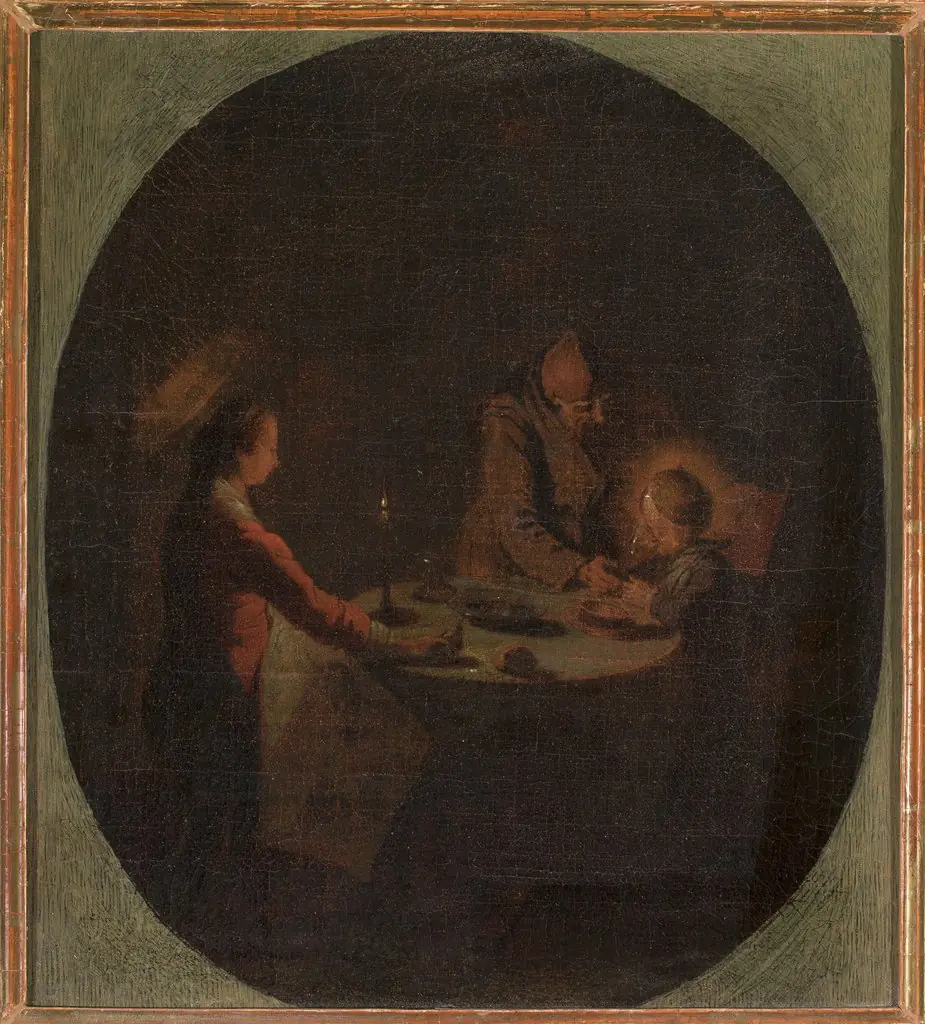 Holy Family at supper
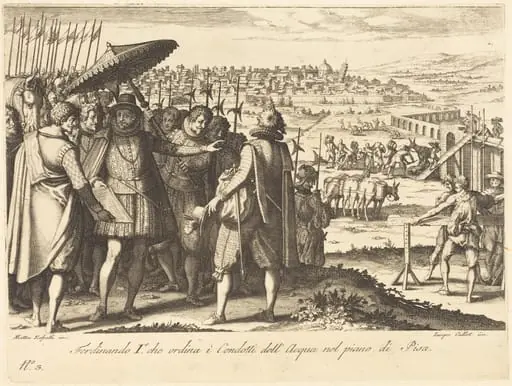 Restoration of the Aqueduct at Pisa
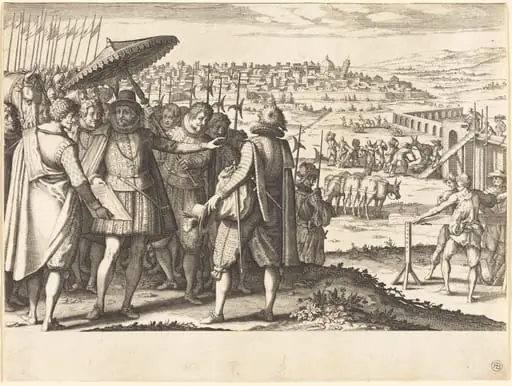 Restoration of the Aqueduct at Pisa
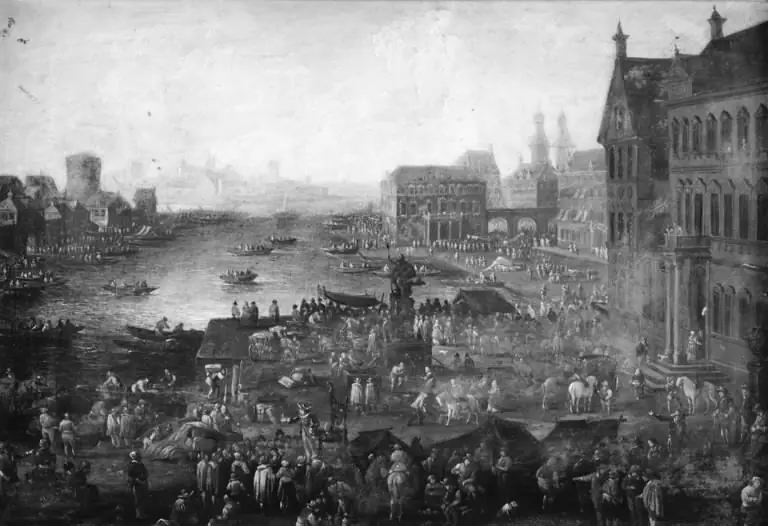 Square in Paris with Many Figures
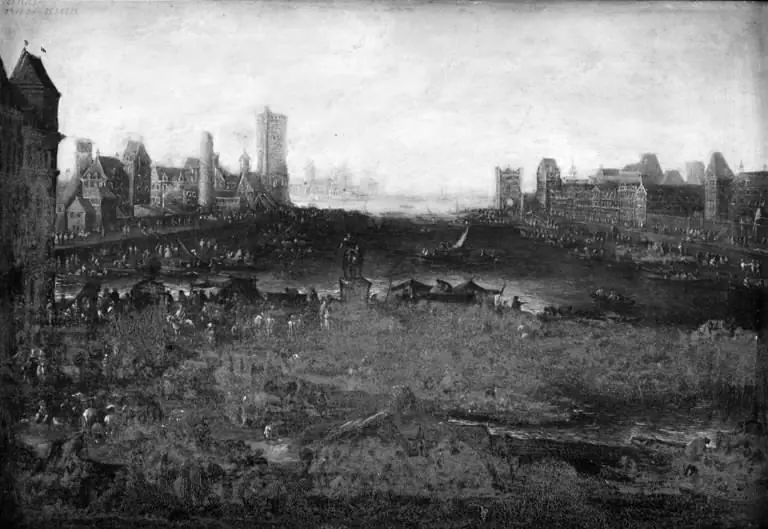 Square in Paris with Many Figures
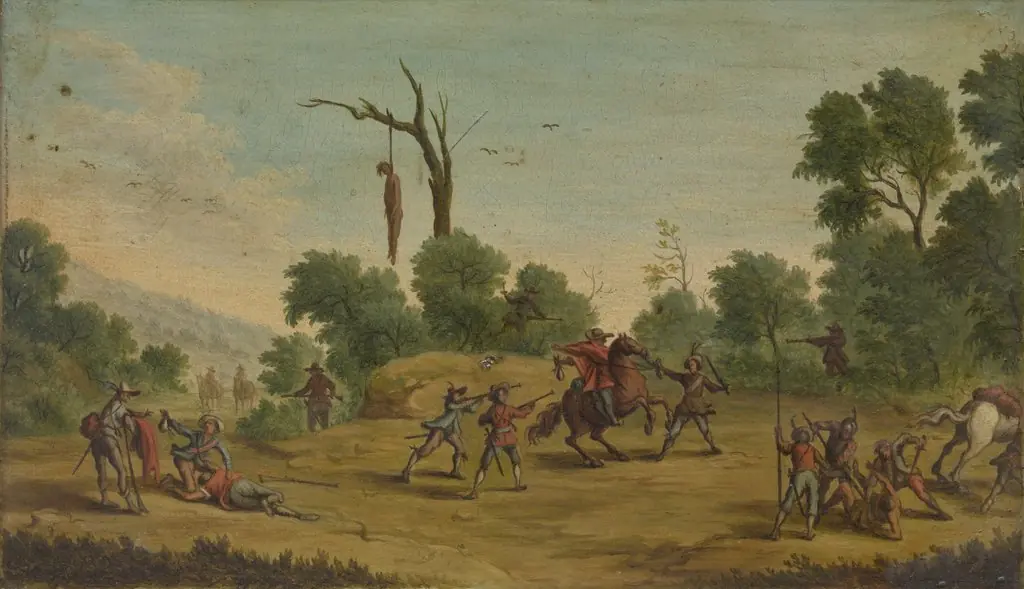 Horsemen Attacked by Robbers
 HOW WILL A COVERED PART BE CORRECTED?HOW WIKA A COVERED HEART DEED CORRECTED?
![Christ Walking on the Water [second plate], by Jacques Callot](https://artifactworldgallery.com/img/jacques-callot--christ-walking-on-the-water-second-plate--2069f3bfe4cb2126-w320.webp) Christ Walking on the Water [second plate]
Christ Walking on the Water [second plate]