Artwork
Death of the Queen
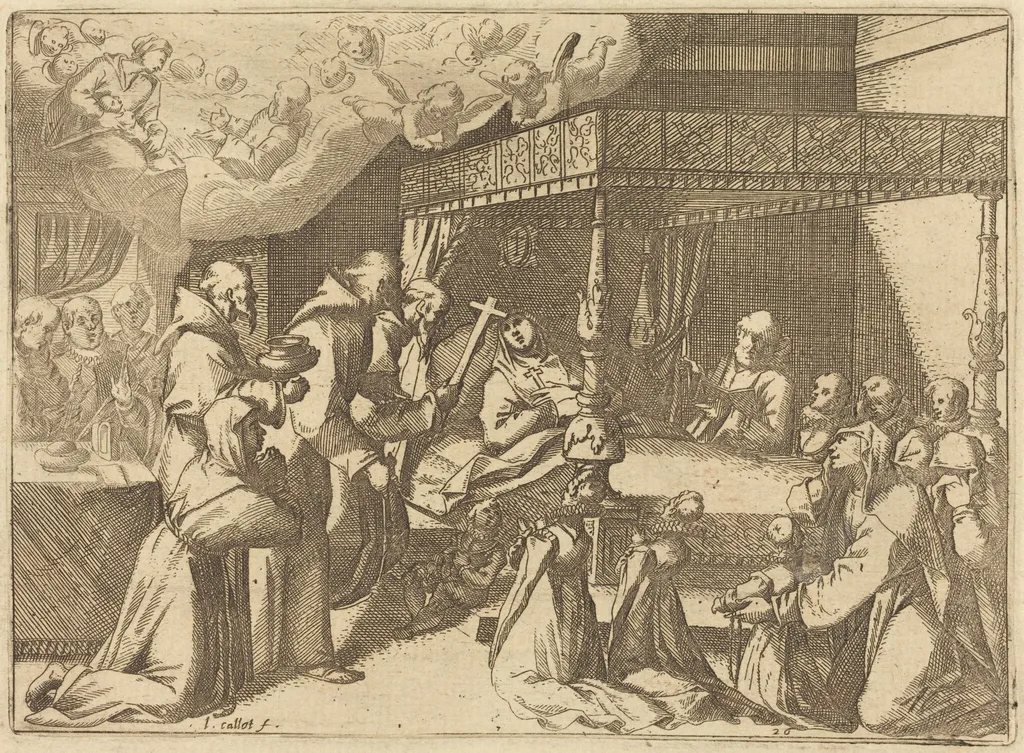
Death of the Queen is an ink print by the Baroque artist Jacques Callot. It dates from 1612 and is held in the collection of the National Gallery of Art.
About this work
Overview
Death of the Queen is a 1612 etching on laid paper by Jacques Callot, a French Baroque printmaker from the Duchy of Lorraine. This restrike etching exemplifies Callot's prolific printmaking practice, which spanned court life, military themes, and social commentary, often set within detailed landscapes.
Subject & Meaning
The etching portrays a chaotic scene of a queen's demise, either historical or allegorical. The composition reflects Callot's tendency to capture both real and imagined narratives through his work.
Technique & Style
Characterized by sharp, sketchy lines creating textured effects, the crowded scene showcases Callot's mastery of etching. The dense composition, with layered lines, indicates a carefully crafted print rather than a hasty sketch.
History & Provenance
Originally created in 1612, this piece is a restrike, indicating it was reprinted from the original etching plate at a later time. Specific provenance details are not provided.
Context
Within Callot's oeuvre, *Death of the Queen* sits alongside other works documenting 17th-century life and themes. The etching's style and subject matter align with the Baroque period's emphasis on dramatic intensity and detailed realism.
Legacy
As part of Callot's extensive printmaking legacy, *Death of the Queen* contributes to the broader understanding of Baroque print techniques and the period's artistic preoccupations. It highlights the enduring appeal of etching as a medium for nuanced, detailed storytelling.
Artist & collection
Artist
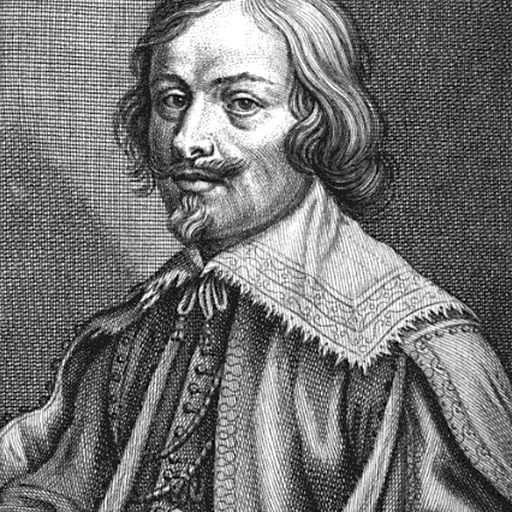
Jacques Callot was a baroque printmaker and draftsman from the Duchy of Lorraine.

 Holy Family at supper
 Restoration of the Aqueduct at Pisa
 Restoration of the Aqueduct at Pisa
 Square in Paris with Many Figures
 Square in Paris with Many Figures
 Horsemen Attacked by Robbers
 HOW WILL A COVERED PART BE CORRECTED?HOW WIKA A COVERED HEART DEED CORRECTED?
![Christ Walking on the Water [second plate], by Jacques Callot](https://artifactworldgallery.com/img/jacques-callot--christ-walking-on-the-water-second-plate--2069f3bfe4cb2126-w320.webp) Christ Walking on the Water [second plate]
Christ Walking on the Water [second plate]
 The Death of the Virgin
 The Birth of the Virgin
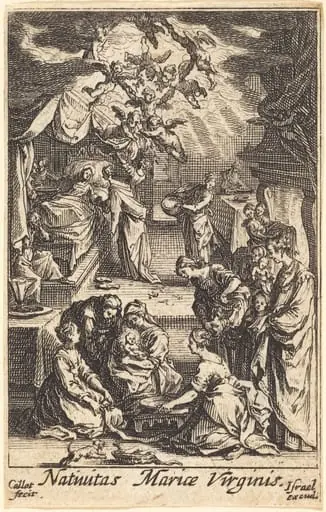 The Birth of the Virgin
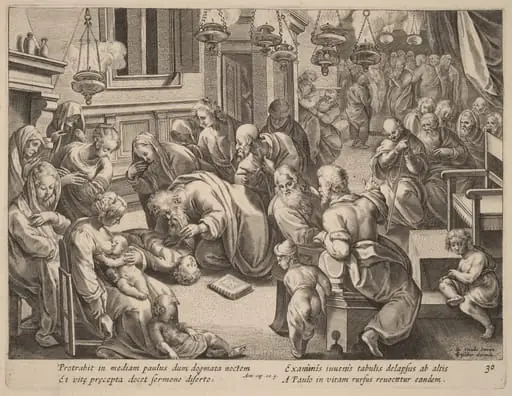 The Fall of Euthychus
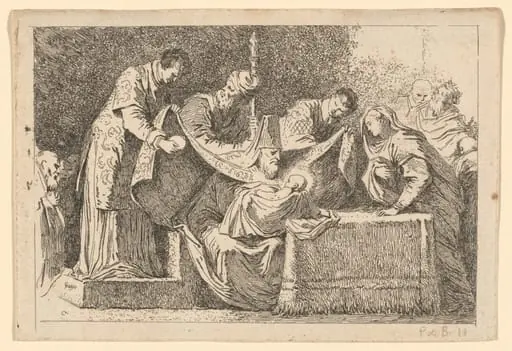 The Circumcision
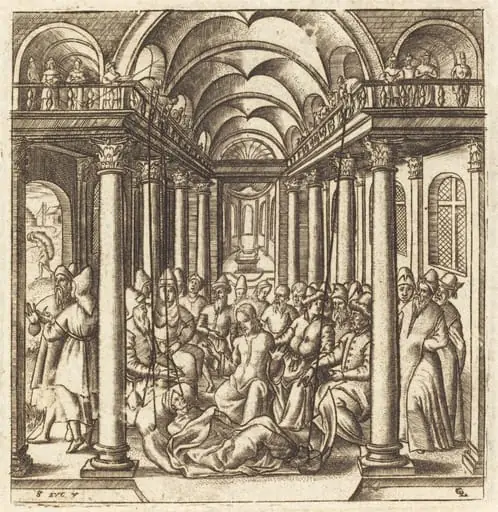 Christ Heals the Paralyzed Man
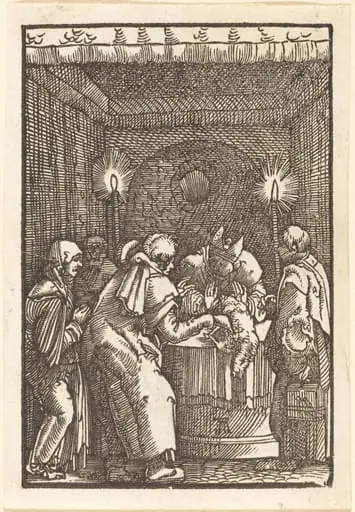 Joachim's Offering Refused
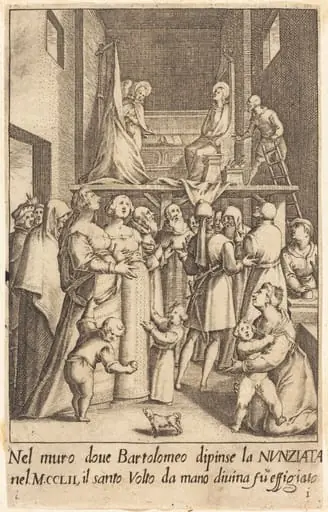 Painting of the Annunciation
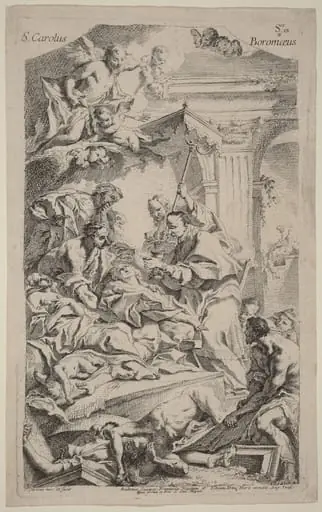 San Carlo Borromeo Giving Last Communion to Victims of the Plague
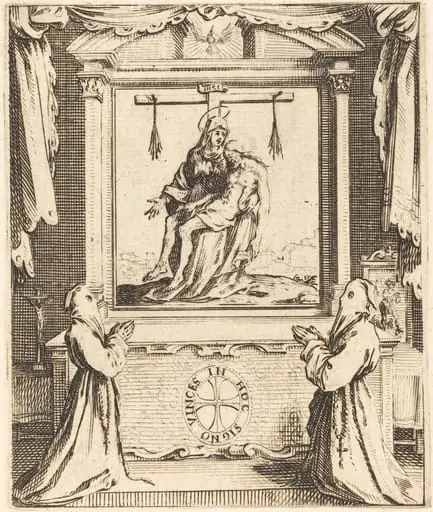 Frontispiece for The Order of the White Penitents at Nancy