Artwork
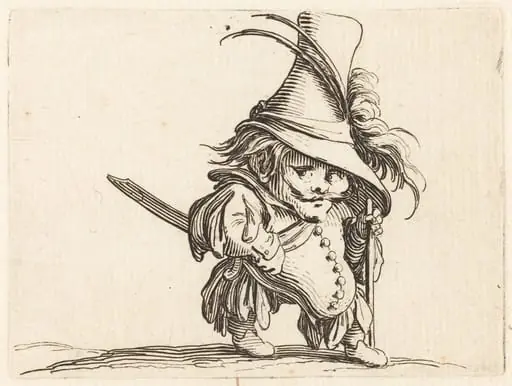
The Potbellied Man with the Tall Hat
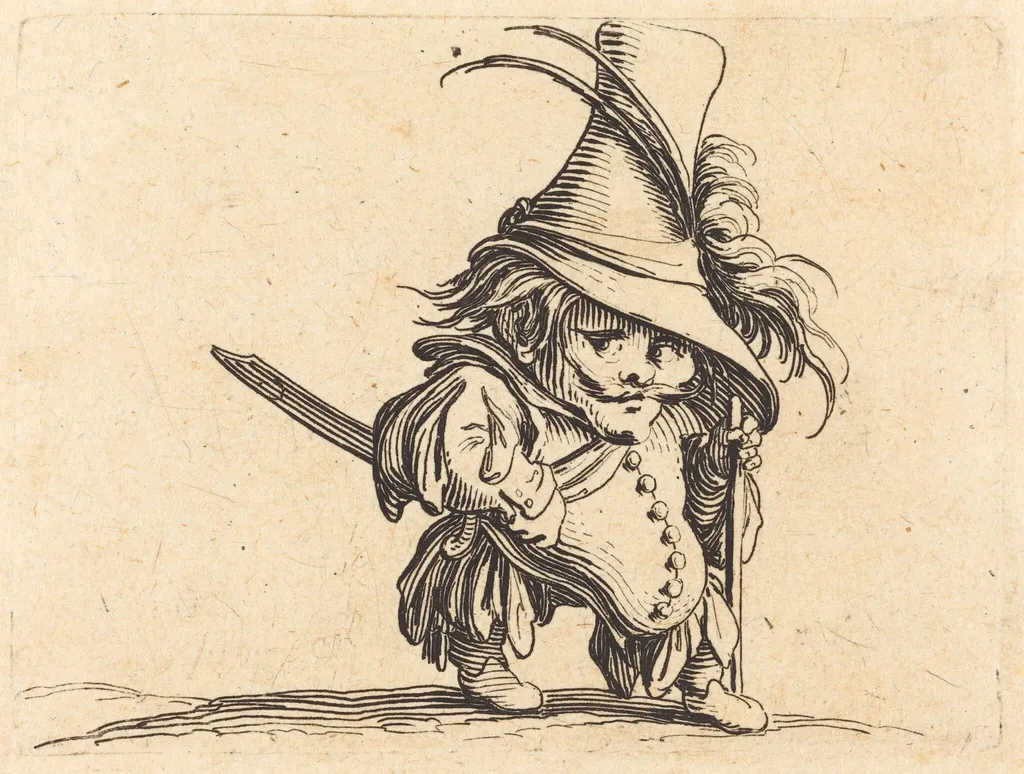
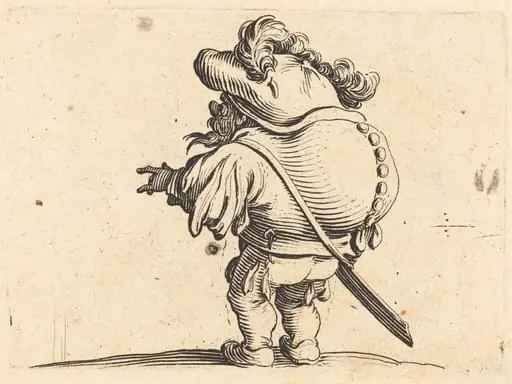
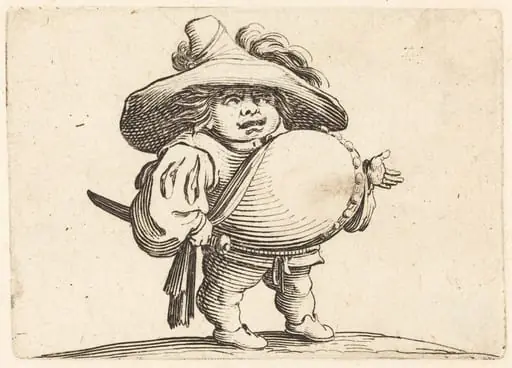
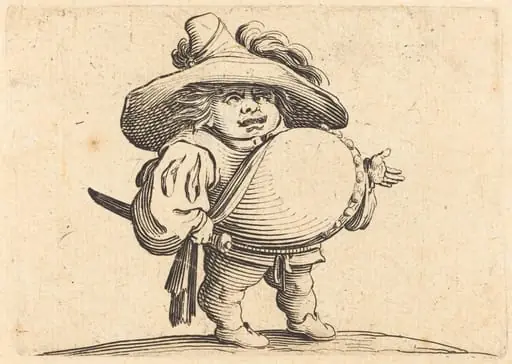
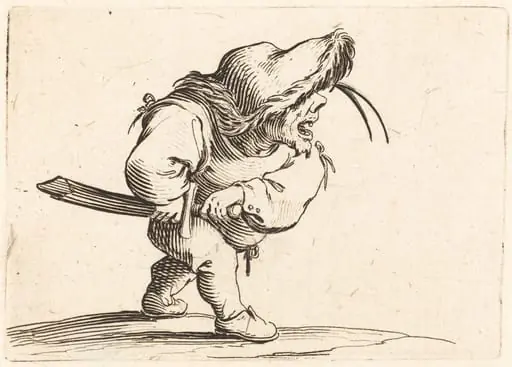
The Potbellied Man with the Tall Hat is an ink print by the Baroque artist Jacques Callot. It dates from 1622 and is held in the collection of the National Gallery of Art.
About this work
Overview
Callot, a French artist from the Duchy of Lorraine, produced over 1,400 prints in his career, many capturing the textures of everyday life.
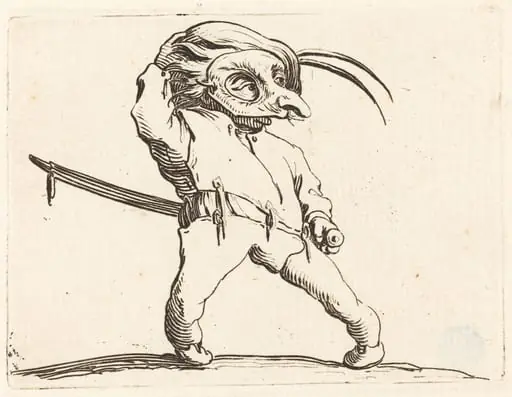
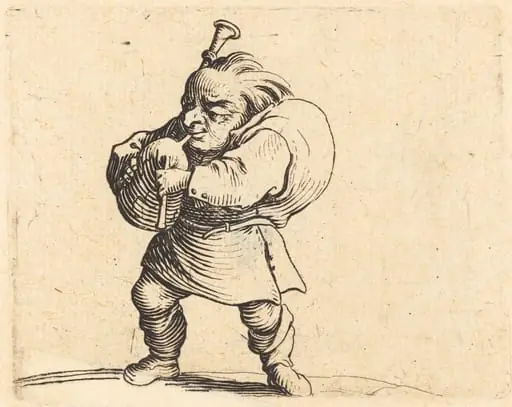
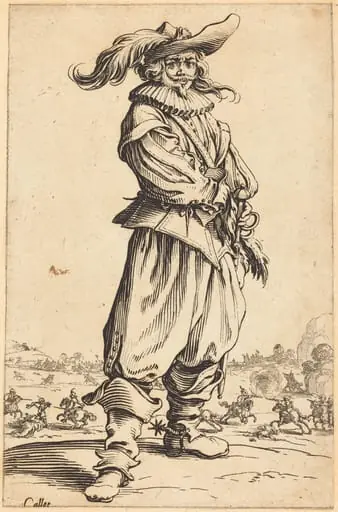
Created around 1622 by Jacques Callot, this etching and engraving is one of four related images on a single sheet of Lorrainese paper. Callot, a French artist from the Duchy of Lorraine, produced over 1,400 prints in his career, many capturing the textures of everyday life. This work exemplifies his precision in line and his interest in portraying distinct social types through meticulous draftsmanship.
Subject & Meaning
The figure is a man with a rounded belly, a tall hat, and a long mustache, dressed in a cloak with a broad collar. He holds a sword, one hand resting on the hilt, suggesting a martial or authoritative presence. His stern expression—furrowed brow, tightly pressed lips—conveys a sense of gravity or rigidity. The image likely represents a type rather than a specific individual, reflecting contemporary fascination with social archetypes.
Technique & Style
Callot employed fine etching and engraving to render intricate textures: the folds of fabric, the sheen of metal, and the contours of the face. Delicate cross-hatching and controlled line weight create volume and depth without heavy shading. The background is minimal, with just a few lines implying ground, focusing attention on the figure. This restrained composition aligns with Baroque tendencies toward psychological intensity and tactile realism.
History & Provenance
The print is part of a larger uncut sheet, a format common in Callot’s time for preserving multiple related designs. It entered the collection in 1949 as part of a group of prints on Lorrainese paper, likely acquired through scholarly or institutional channels. Its survival in near-original condition reflects careful handling and the enduring value placed on Callot’s graphic work in early modern collections.
Context
In early 17th-century Europe, printmaking flourished as a medium for documenting social diversity. Callot’s images of soldiers, beggars, and officials circulated widely, offering viewers a visual catalog of human types. This etching fits within a broader trend of genre scenes that balanced observation with subtle commentary, reflecting the instability and stratification of post-war society in the Holy Roman Empire and neighboring regions.
Legacy
Callot’s technical innovations in etching influenced generations of printmakers across Europe. His ability to capture nuanced character and detail in small-scale works set a standard for narrative printmaking. Though not widely exhibited as a standalone image, this figure remains representative of his enduring contribution to the documentation of early modern life through the printed image.
Artist & collection
Artist
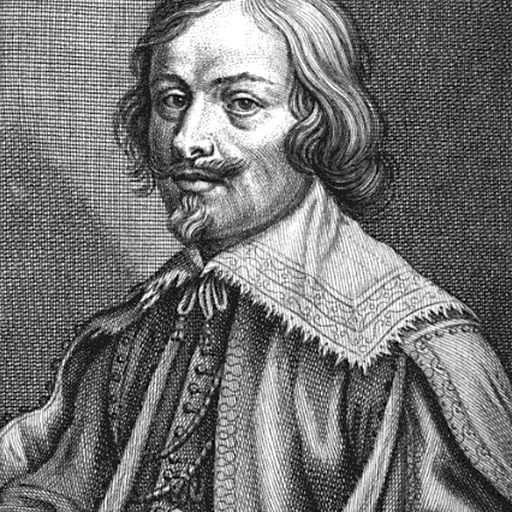
Jacques Callot was a baroque printmaker and draftsman from the Duchy of Lorraine.

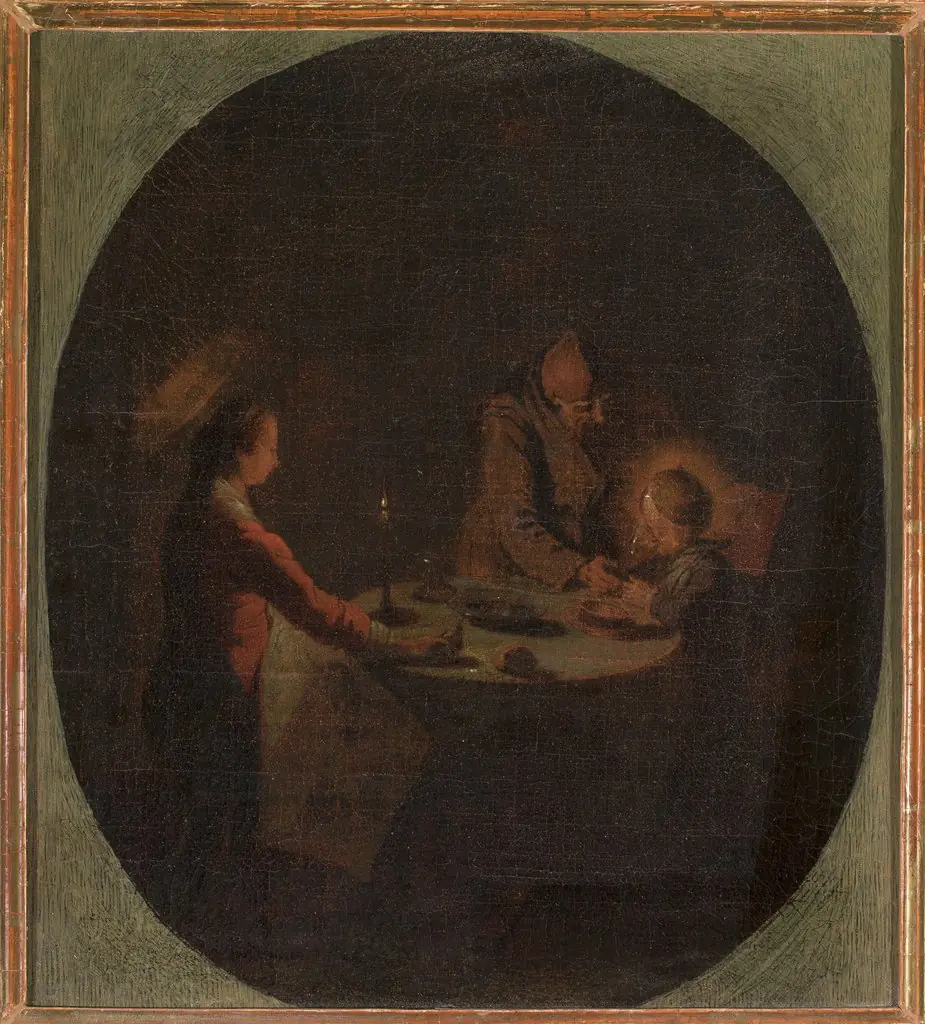 Holy Family at supper
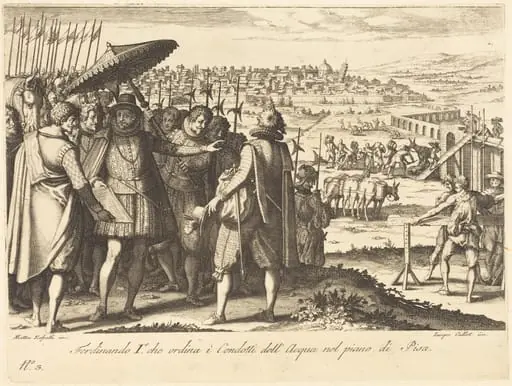 Restoration of the Aqueduct at Pisa
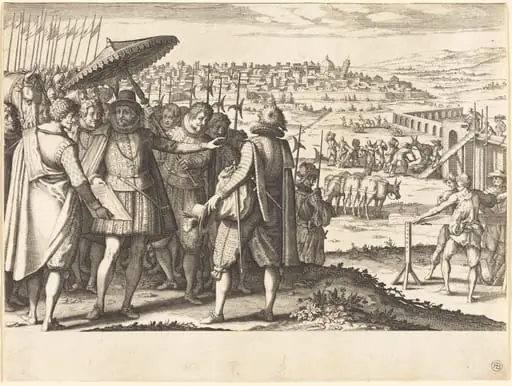 Restoration of the Aqueduct at Pisa
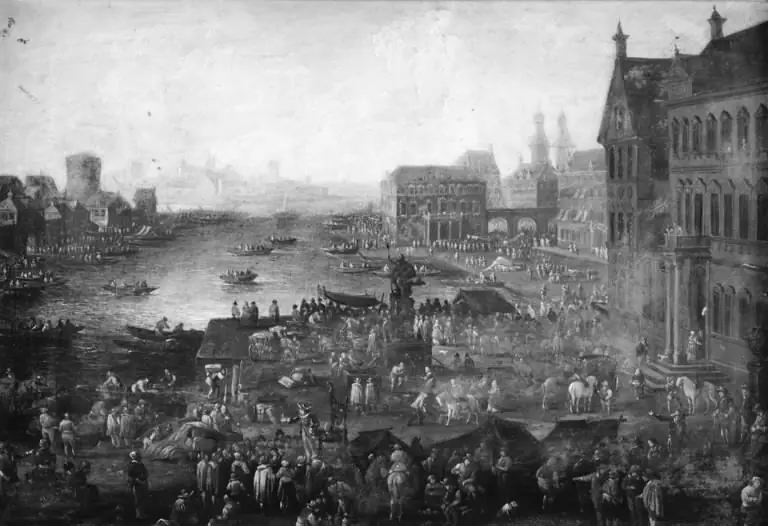 Square in Paris with Many Figures
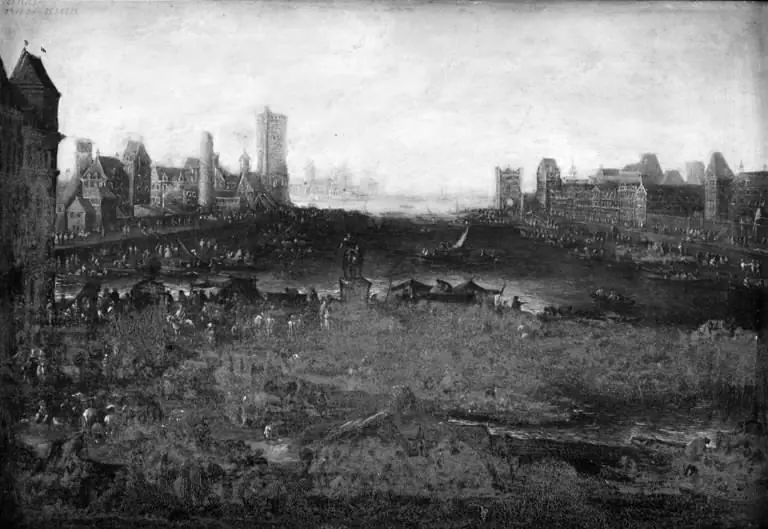 Square in Paris with Many Figures
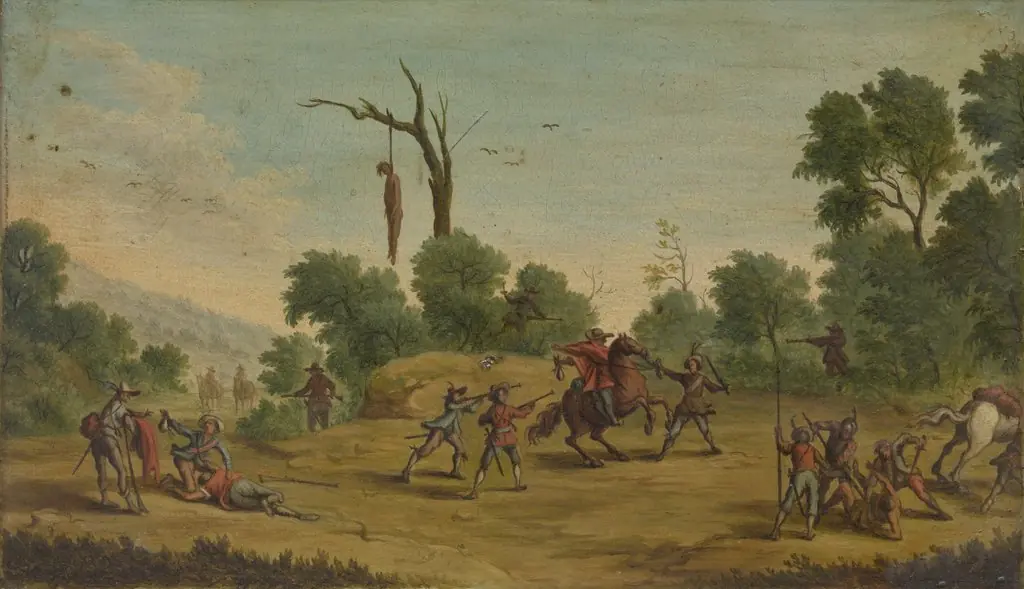 Horsemen Attacked by Robbers
 HOW WILL A COVERED PART BE CORRECTED?HOW WIKA A COVERED HEART DEED CORRECTED?
![Christ Walking on the Water [second plate], by Jacques Callot](https://artifactworldgallery.com/img/jacques-callot--christ-walking-on-the-water-second-plate--2069f3bfe4cb2126-w320.webp) Christ Walking on the Water [second plate]
Christ Walking on the Water [second plate]