Artwork
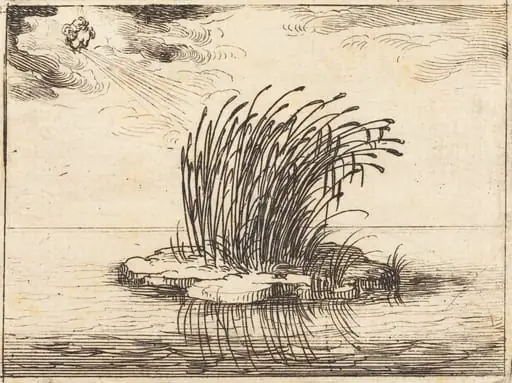
The Reeds and the Wind
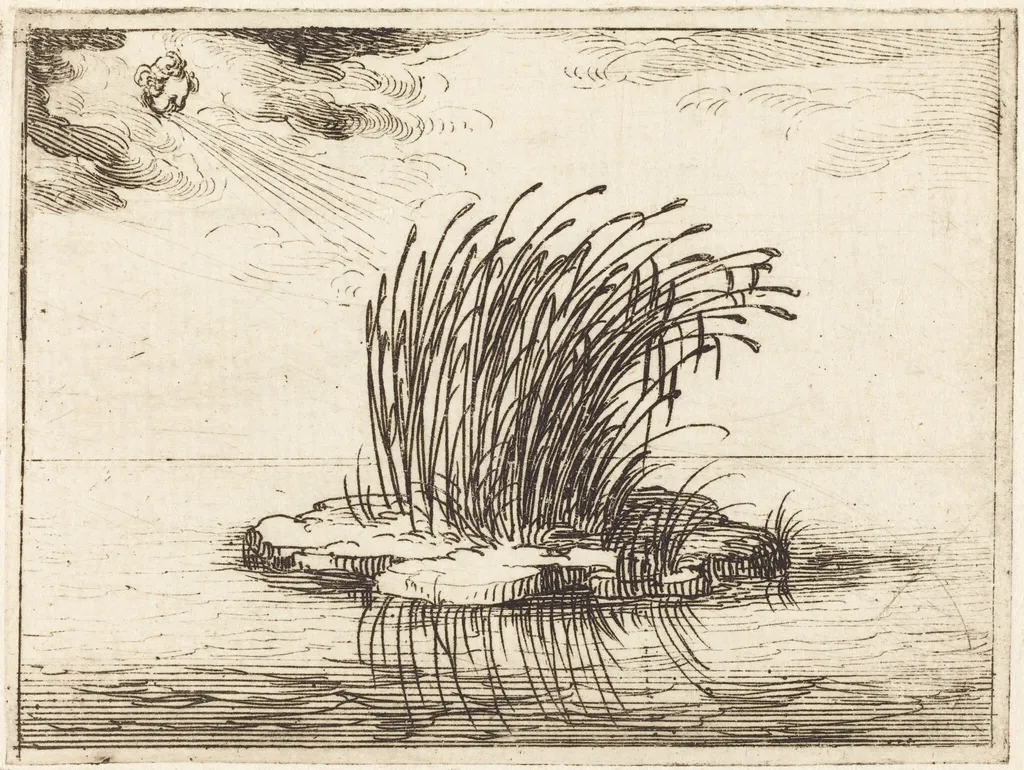
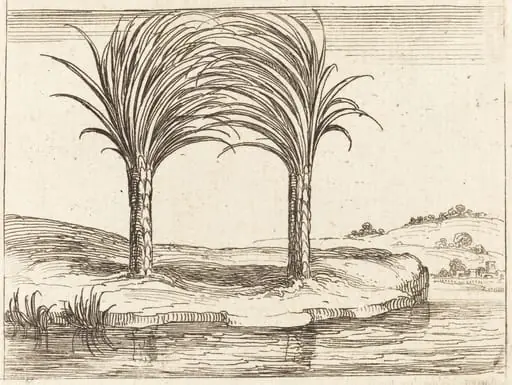
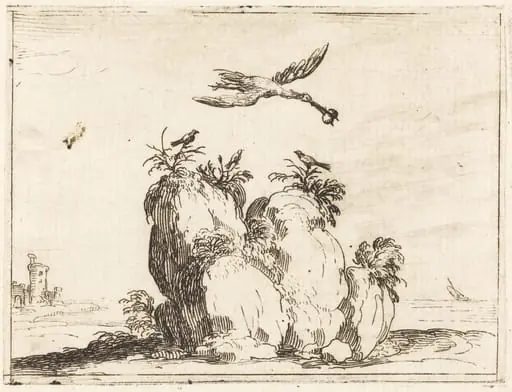
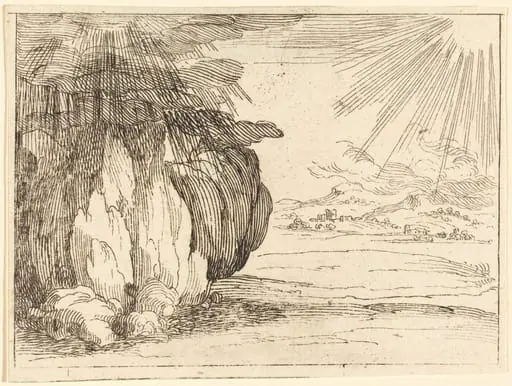
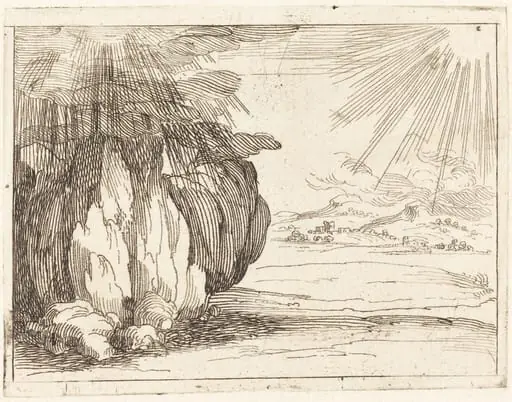
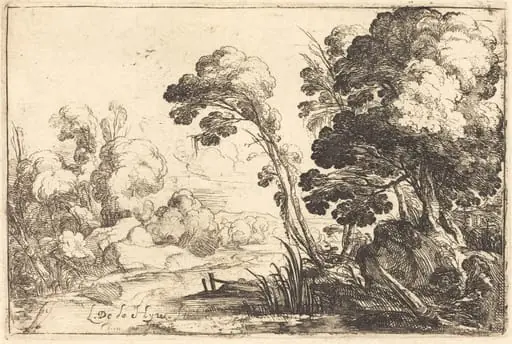
The Reeds and the Wind is an ink print by the Baroque artist Jacques Callot. It dates from 1628 and is held in the collection of the National Gallery of Art.
About this work
Overview
Unlike his more narrative scenes, this piece focuses on natural elements, revealing his interest in atmospheric detail and quiet observation.
Jacques Callot produced this etching in 1628, during a period when he was refining his technical command of the medium. Made on laid paper, the work belongs to a large body of prints—over 1,400 in total—that captured the textures and rhythms of daily life in early 17th-century Europe. Unlike his more narrative scenes, this piece focuses on natural elements, revealing his interest in atmospheric detail and quiet observation.
Subject & Meaning
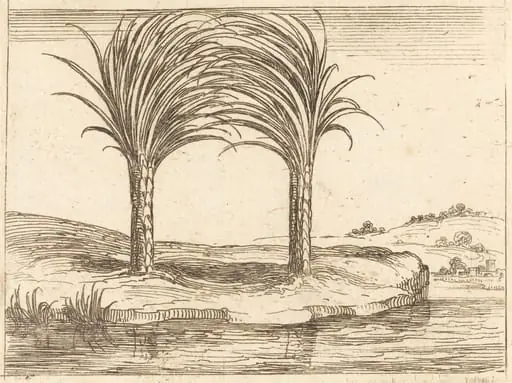
The image depicts tall reeds bent sharply by an unseen wind, their forms rendered with energetic, angular lines. Beneath them, a still expanse of water offers no reflection, creating a sense of absence. Above, diffuse clouds drift across a pale sky, their irregular edges suggesting transient weather. The scene conveys no human presence, instead emphasizing nature’s subtle forces—movement, resistance, and stillness—in a momentary, almost poetic equilibrium.
Technique & Style
Callot employed fine, incised lines to capture the flickering motion of reeds and the soft diffusion of clouds. The etching’s texture arises from the bite of acid on a metal plate, allowing for rapid, expressive strokes that mimic natural turbulence. His use of varying line density and broken contours avoids heavy shading, relying instead on the interplay of ink and paper grain to suggest depth and air. The lack of horizon or detail in the water enhances the abstraction of the scene.
History & Provenance
Created during Callot’s time in Florence, where he was influenced by Italian landscape traditions, this print was likely made for private collectors rather than public display. Few records detail its early ownership, but it aligns with a group of his smaller, non-narrative etchings that circulated among connoisseurs interested in technical virtuosity. Its survival in good condition reflects its careful handling and enduring appeal among print enthusiasts.
Context
In the 1620s, etching was evolving beyond illustration into a medium for personal expression. Callot stood apart by treating landscapes not as backdrops but as subjects in their own right. While contemporaries focused on religious or military themes, he turned to the quiet dynamics of wind, water, and vegetation—reflecting a broader shift toward naturalism in Northern European art, even as Baroque grandeur dominated elsewhere.
Legacy
Though less celebrated than his battle scenes or courtly figures, this etching exemplifies Callot’s sensitivity to natural phenomena and his mastery of line as a tool for evoking motion. Later artists, particularly in the 18th and 19th centuries, looked to such works for their atmospheric precision and restraint. It remains a quiet testament to the potential of printmaking to capture fleeting moments without narrative or spectacle.
Artist & collection
Artist
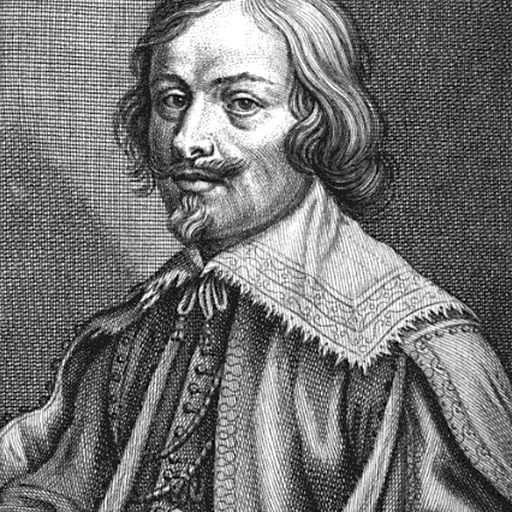
Jacques Callot was a baroque printmaker and draftsman from the Duchy of Lorraine.

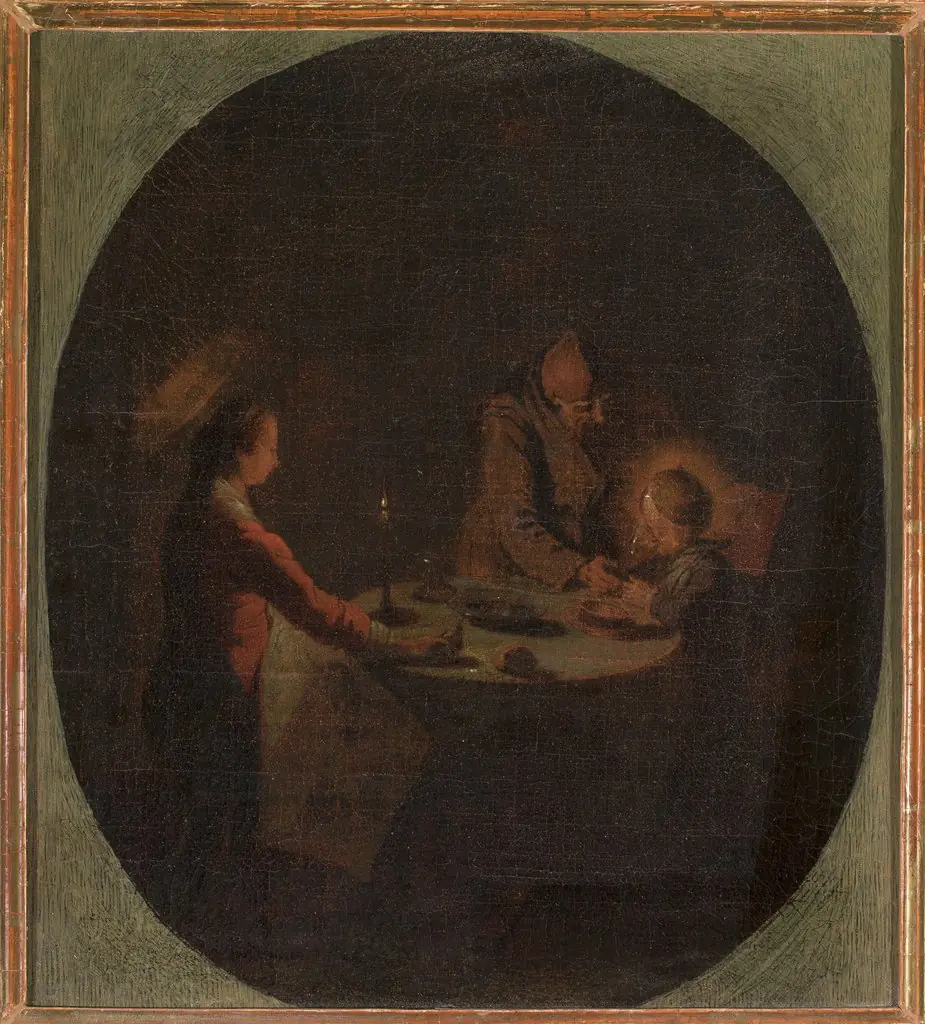 Holy Family at supper
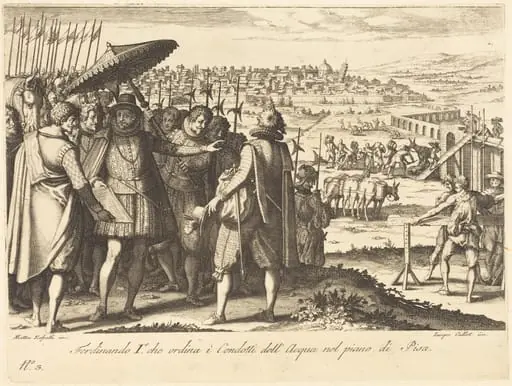 Restoration of the Aqueduct at Pisa
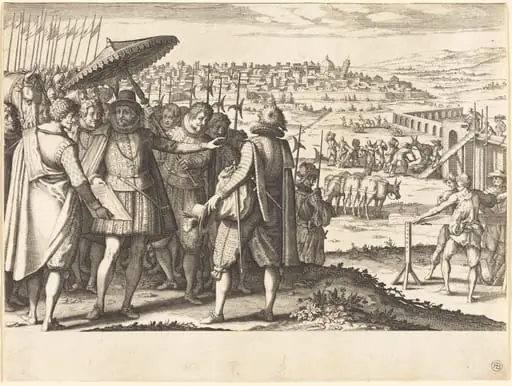 Restoration of the Aqueduct at Pisa
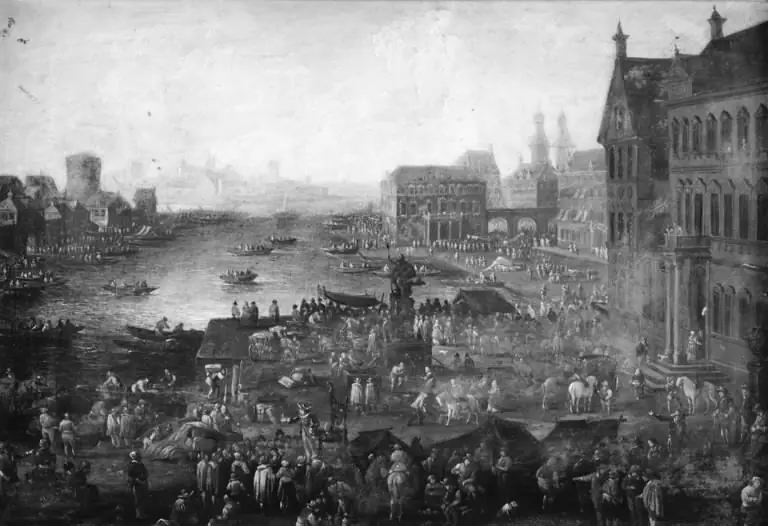 Square in Paris with Many Figures
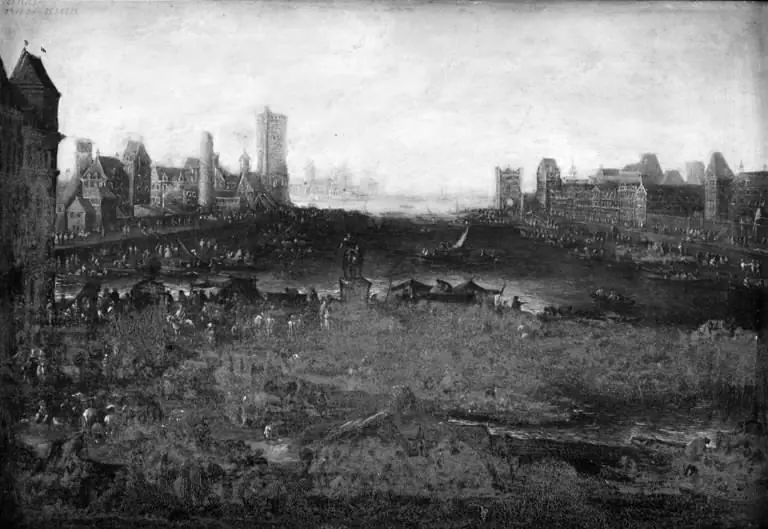 Square in Paris with Many Figures
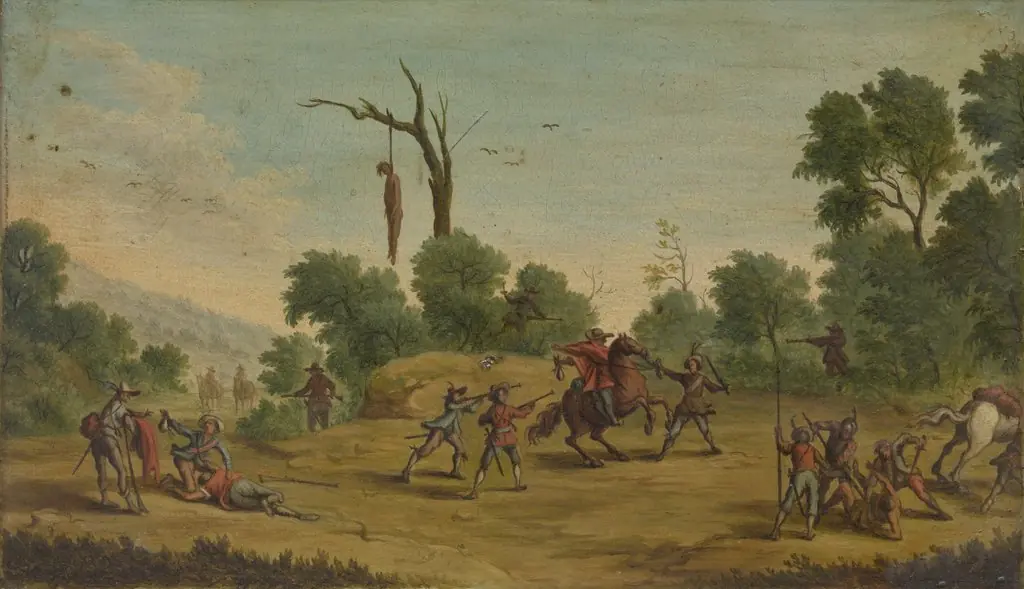 Horsemen Attacked by Robbers
 HOW WILL A COVERED PART BE CORRECTED?HOW WIKA A COVERED HEART DEED CORRECTED?
![Christ Walking on the Water [second plate], by Jacques Callot](https://artifactworldgallery.com/img/jacques-callot--christ-walking-on-the-water-second-plate--2069f3bfe4cb2126-w320.webp) Christ Walking on the Water [second plate]
Christ Walking on the Water [second plate]