Artwork
Two Palm Trees
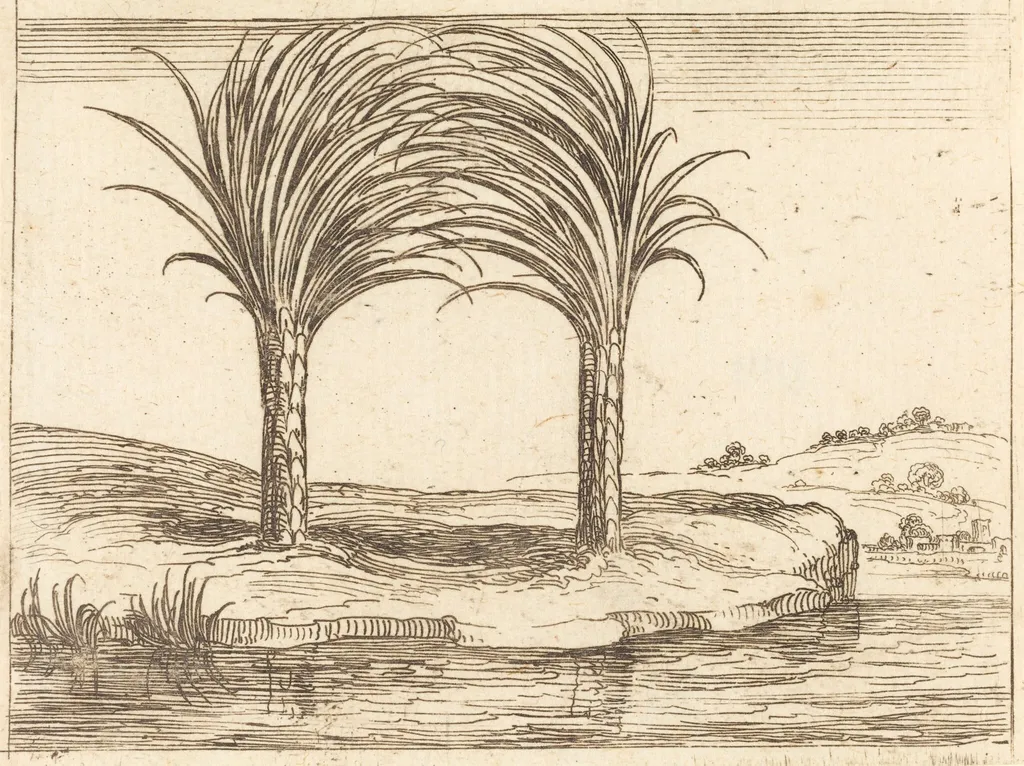
Two Palm Trees is an ink print by the Renaissance artist Jacques Callot. It dates from 1628 and is held in the collection of the National Gallery of Art.
About this work
Overview
Created in 1628, Jacques Callot’s *Two Palm Trees* is an etching on laid paper that exemplifies his mastery of fine-line engraving.
Created in 1628, Jacques Callot’s *Two Palm Trees* is an etching on laid paper that exemplifies his mastery of fine-line engraving. As part of a prolific output of over 1,400 prints, this work stands as a quiet landscape study rather than a narrative scene. Callot, from the Duchy of Lorraine, often turned to natural subjects in his later work, using the etching medium to capture subtle atmospheric effects and spatial depth with minimal means.
Subject & Meaning
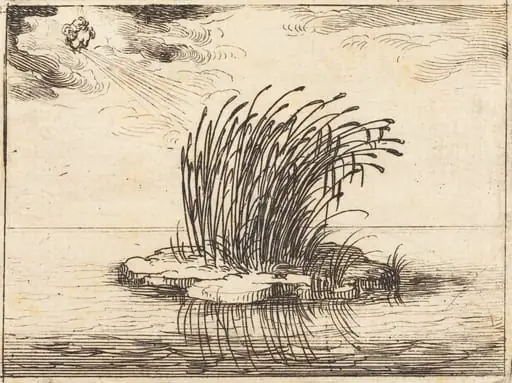
The print depicts two slender palm trees growing on a small, isolated island amid calm water. Behind them, a distant hill with sparse vegetation suggests a Mediterranean or exotic coastal setting. The composition avoids human presence or symbolic drama, focusing instead on the stillness of nature. This restraint may reflect Callot’s interest in contemplative scenery, possibly influenced by his travels or imagined landscapes drawn from literary or cartographic sources.
Technique & Style
Callot employed fine, controlled etching lines to define the trees’ vertical forms and the ripple of water, using the textured surface of laid paper to enhance tonal variation. The background hill is rendered with light, broken strokes, creating distance without heavy shading. The absence of dense detail and the clarity of outline give the image a restrained elegance, characteristic of Callot’s mature style—precise yet unhurried, with an emphasis on spatial harmony over ornamentation.
History & Provenance
The print was made during Callot’s later years, after his return to Nancy from Florence and Rome. While many of his earlier works documented war and social life, this etching belongs to a quieter phase of his career, likely intended for private collectors rather than public dissemination. Its survival in multiple institutional collections suggests it was valued early for its technical finesse and serene composition.
Context
In early 17th-century Europe, landscape prints were gaining traction as independent subjects, moving beyond mere backgrounds to religious or historical scenes. Callot’s work aligned with this shift, influenced by Italian and Flemish precedents. His palm trees may reference classical or biblical imagery, but here they are stripped of allegory—presented as natural forms observed with quiet attention, reflecting a growing European fascination with distant geographies.
Legacy
Though less celebrated than Callot’s battle scenes or grotesques, *Two Palm Trees* exemplifies his ability to convey mood through minimal means. It influenced later printmakers interested in lyrical landscape and atmospheric line work. The print remains a quiet testament to his versatility, demonstrating that his technical precision could serve not only narrative intensity but also meditative stillness.
Artist & collection
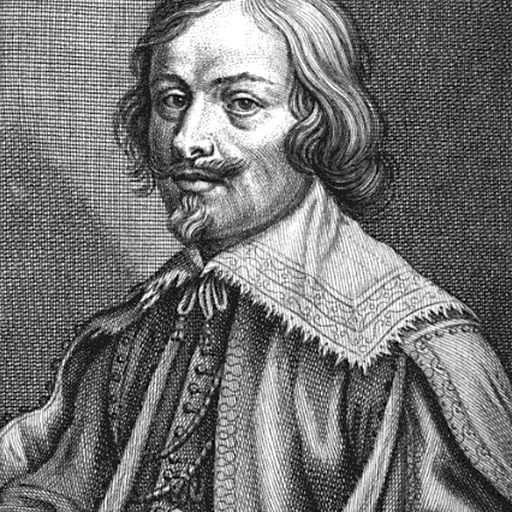
Artist
Jacques Callot was a baroque printmaker and draftsman from the Duchy of Lorraine.

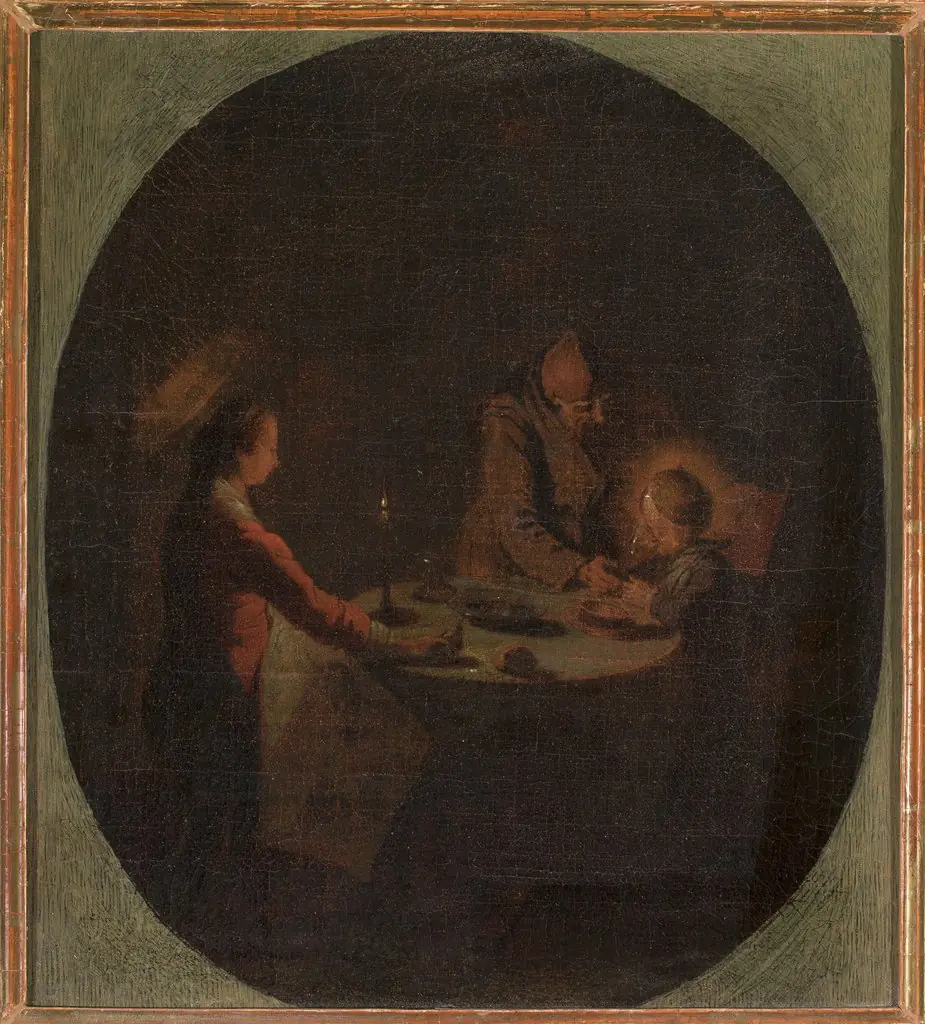 Holy Family at supper
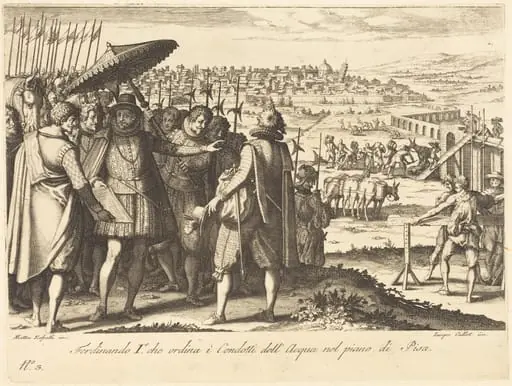 Restoration of the Aqueduct at Pisa
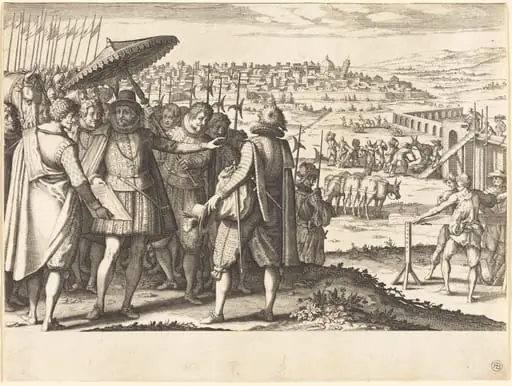 Restoration of the Aqueduct at Pisa
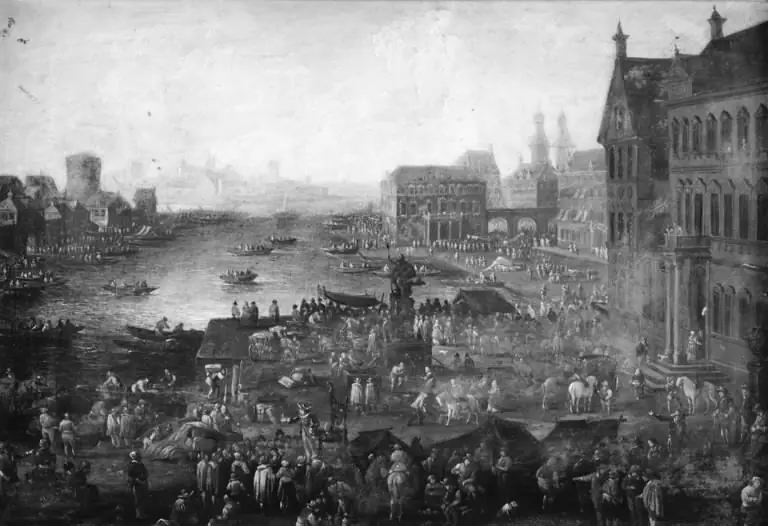 Square in Paris with Many Figures
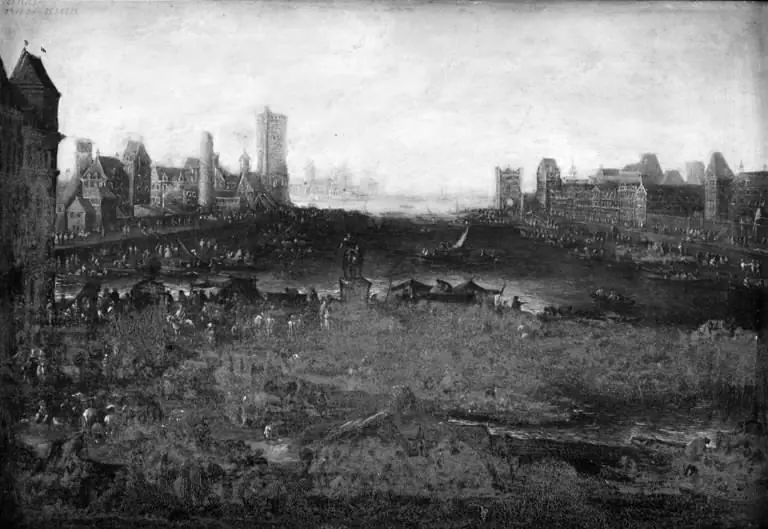 Square in Paris with Many Figures
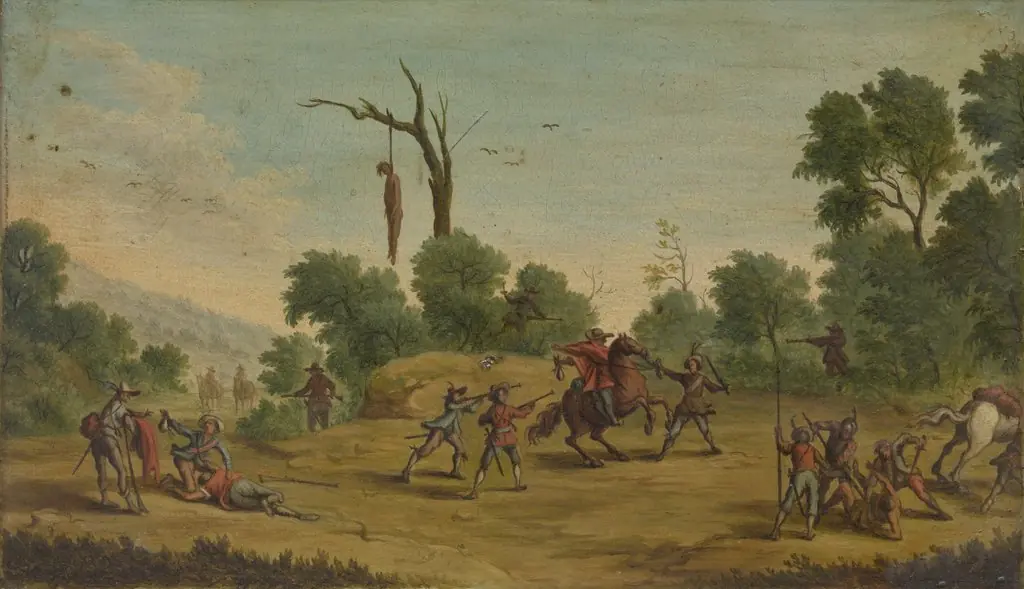 Horsemen Attacked by Robbers
 HOW WILL A COVERED PART BE CORRECTED?HOW WIKA A COVERED HEART DEED CORRECTED?
![Christ Walking on the Water [second plate], by Jacques Callot](https://artifactworldgallery.com/img/jacques-callot--christ-walking-on-the-water-second-plate--2069f3bfe4cb2126-w320.webp) Christ Walking on the Water [second plate]
Christ Walking on the Water [second plate]