Artwork
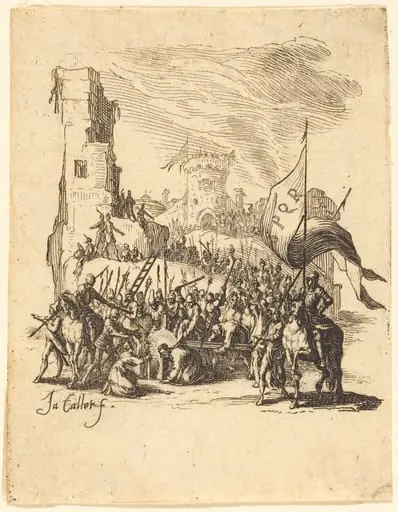
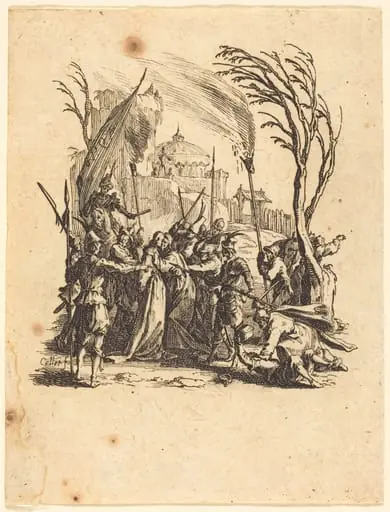
The Small Carrying of the Cross
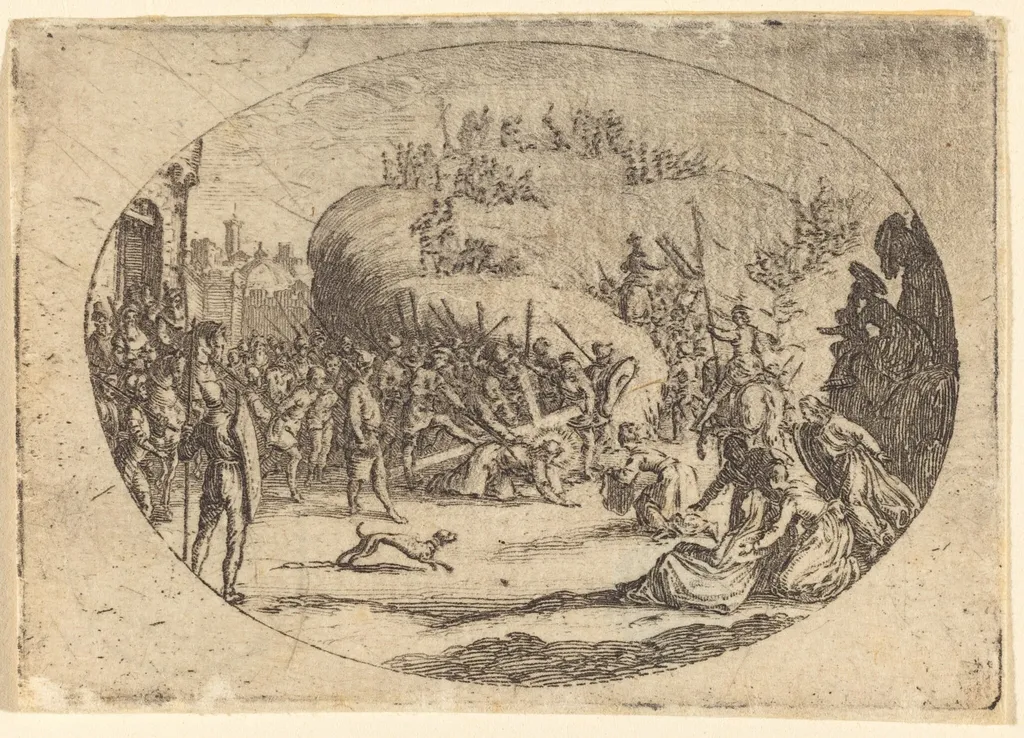
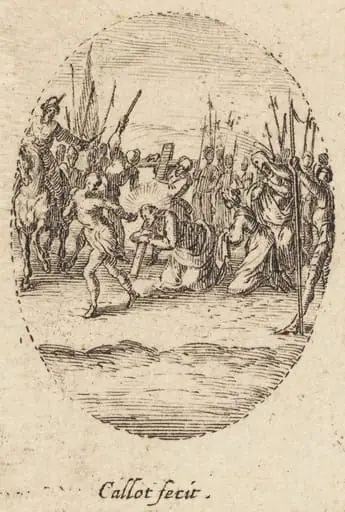
The Small Carrying of the Cross is an ink print by the Baroque artist Jacques Callot. It dates from 1624 and is held in the collection of the National Gallery of Art.
About this work
Overview
As a native of the Duchy of Lorraine, Callot worked across religious and secular subjects, often capturing the movement and texture of everyday life.
Created in 1624 by Jacques Callot, this etching on laid paper is one of over a thousand prints he produced during his career. As a native of the Duchy of Lorraine, Callot worked across religious and secular subjects, often capturing the movement and texture of everyday life. This piece belongs to a series illustrating the Passion of Christ, rendered with precision and a keen eye for human behavior in crowded settings.
Subject & Meaning
The scene portrays the moment Christ, bound and burdened, is led through a narrow urban street by a throng of onlookers and soldiers. The heavy object wrapped in cloth signifies the cross, its weight made palpable through the strained postures of those surrounding it. The inclusion of bystanders and a stray dog grounds the sacred event in a tangible, earthly environment, emphasizing human chaos amid divine suffering.
Technique & Style
Callot employed fine, incised lines to build dense, dynamic compositions. His mastery of etching allowed sharp contrasts between light and shadow, enhancing the sense of motion and depth. Figures are rendered in miniature scale yet individually articulated, their gestures and clothing suggesting varied reactions. The background architecture recedes with subtle perspective, framing the central struggle without dominating it.
History & Provenance
The print was made during Callot’s time in Florence, where he was influenced by Italian artistic traditions and the Counter-Reformation’s emphasis on emotional religious imagery. It circulated widely among collectors and artists, contributing to his reputation as a leading printmaker of the early 17th century. No specific early ownership records are documented, but the work appears in major European collections by the 18th century.
Context
In early 17th-century Europe, religious prints served both devotional and educational purposes, especially where access to churches or paintings was limited. Callot’s detailed depictions aligned with the Baroque era’s interest in drama and realism. His focus on ordinary people within sacred narratives reflected a broader trend of humanizing biblical stories for contemporary audiences.
Legacy
Callot’s technical innovations in etching, including the use of multiple biting stages to achieve tonal variation, influenced generations of printmakers. His ability to compress complex narratives into small formats set a precedent for narrative printmaking. Though less celebrated than his battle scenes, works like this one demonstrate his consistent engagement with moral and spiritual themes through precise, observant draftsmanship.
Artist & collection
Artist
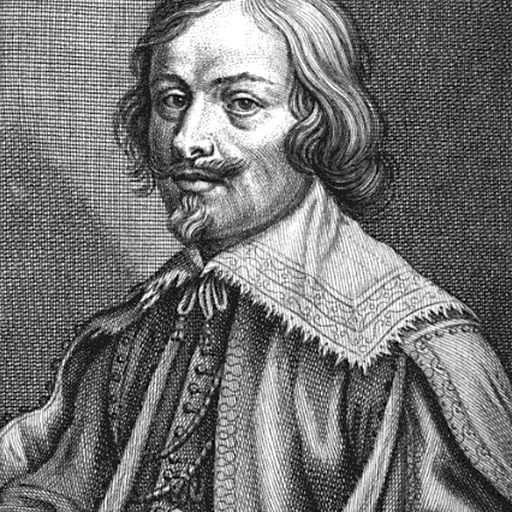
Jacques Callot was a baroque printmaker and draftsman from the Duchy of Lorraine.

 Holy Family at supper
 Restoration of the Aqueduct at Pisa
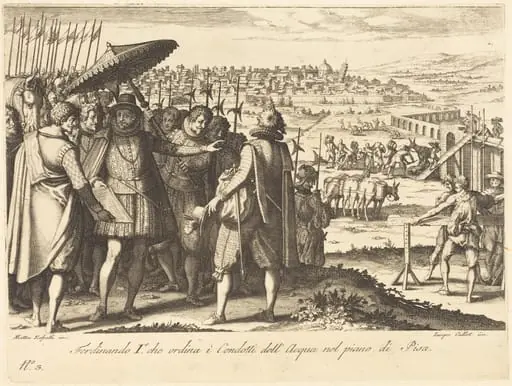
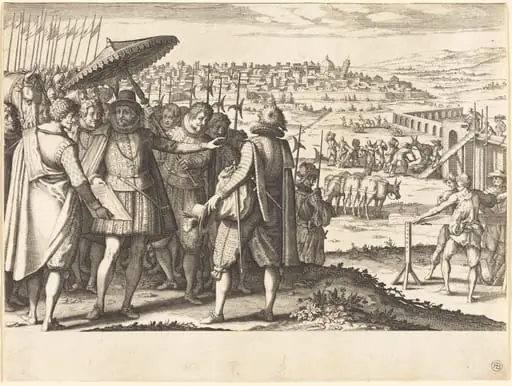 Restoration of the Aqueduct at Pisa
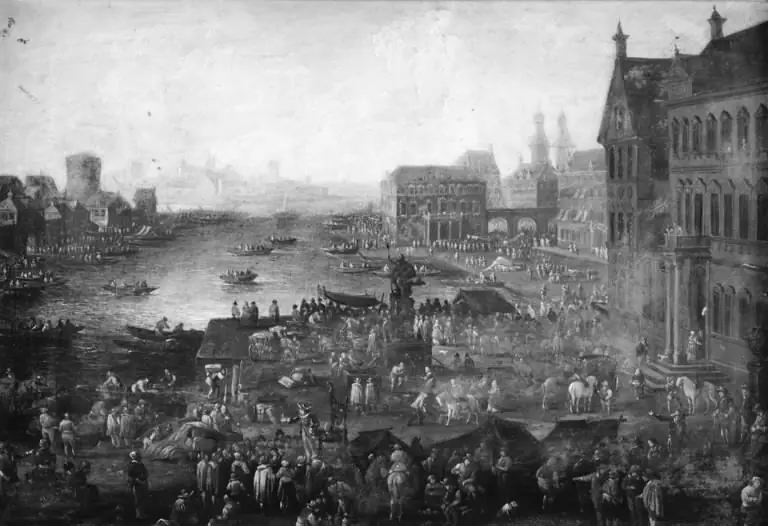 Square in Paris with Many Figures
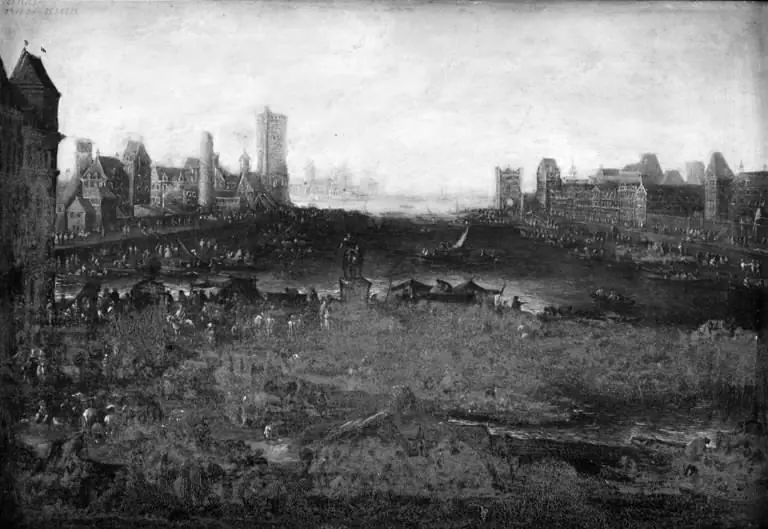 Square in Paris with Many Figures
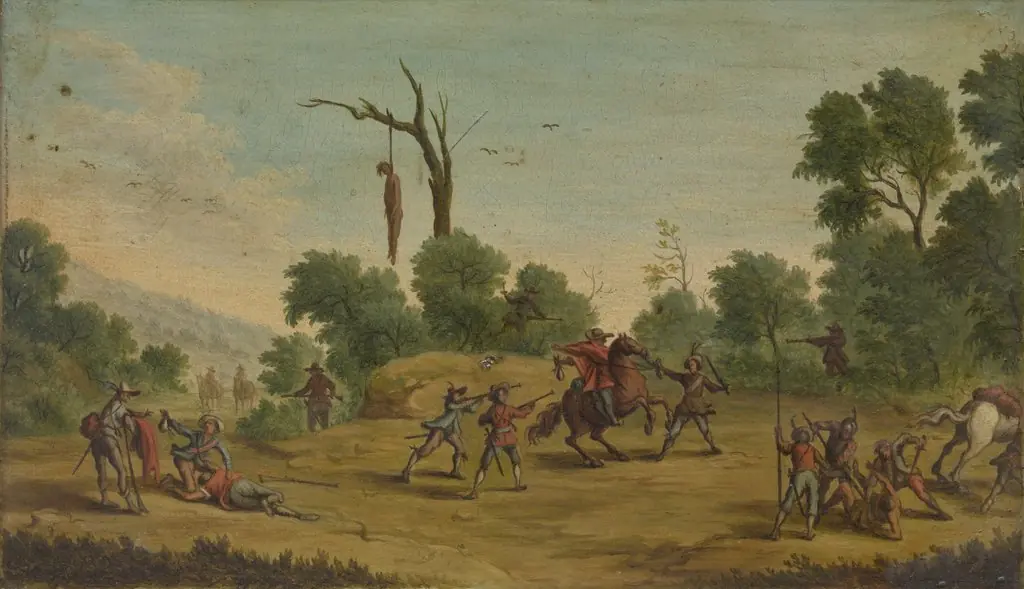 Horsemen Attacked by Robbers
 HOW WILL A COVERED PART BE CORRECTED?HOW WIKA A COVERED HEART DEED CORRECTED?
![Christ Walking on the Water [second plate], by Jacques Callot](https://artifactworldgallery.com/img/jacques-callot--christ-walking-on-the-water-second-plate--2069f3bfe4cb2126-w320.webp) Christ Walking on the Water [second plate]
Christ Walking on the Water [second plate]