Artwork
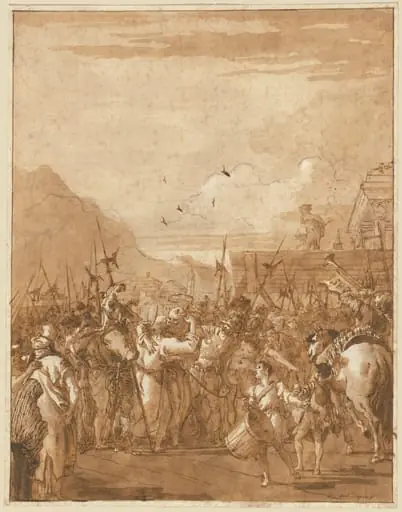
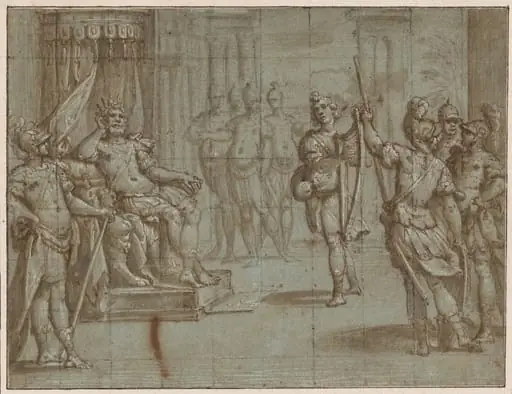
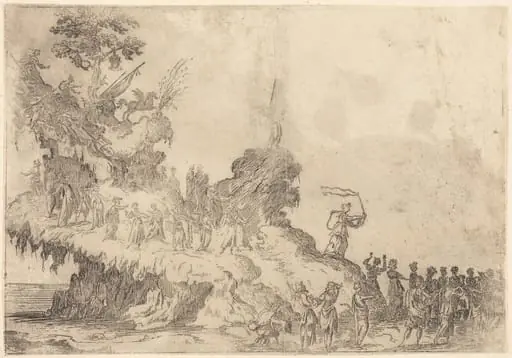
The Triumph of David
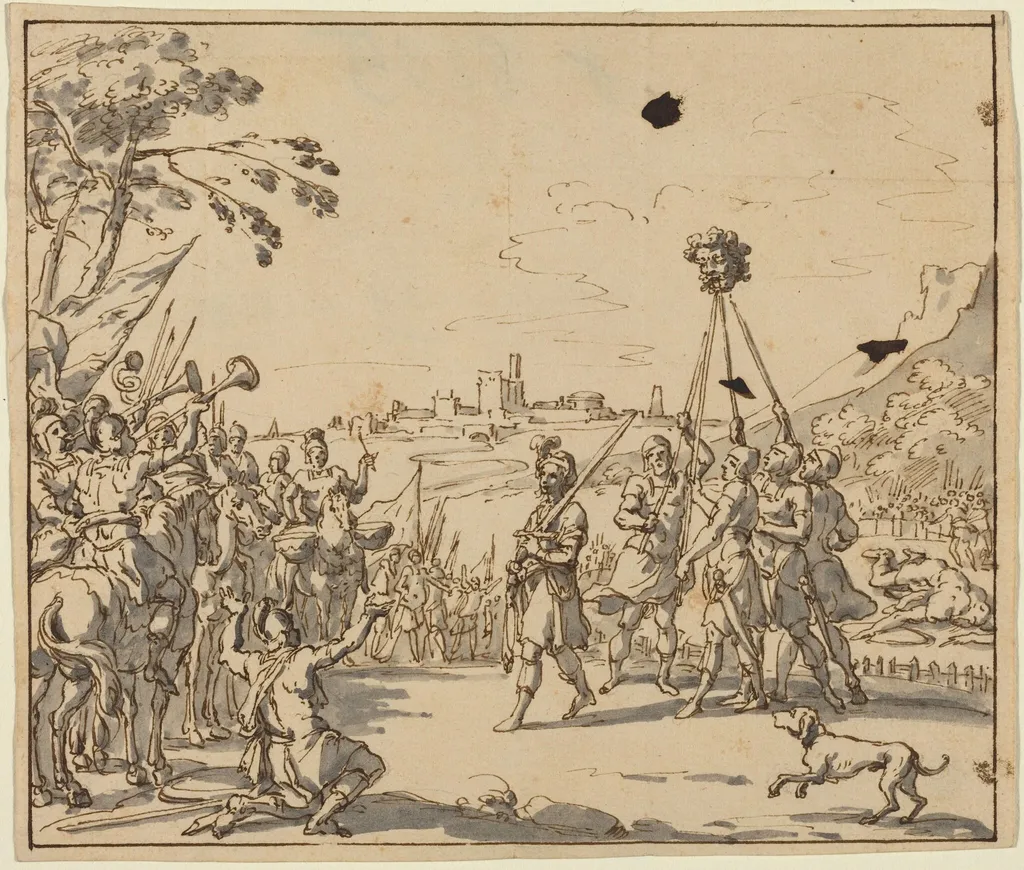
The Triumph of David is an ink drawing by the Baroque artist Unknown. It dates from 1700 and is held in the collection of the National Gallery of Art.
About this work
The painting is called The Triumph of David.
It's from around 1700 and is an allegory.
The artist is unknown, which makes it interesting because we can't learn about their life or other works to understand the context of this piece.
You can find more artworks like this one at the National Gallery of Art, Washington, which is part of the Baroque movement.
Overview
The work titled The Triumph of David is a pen drawing enhanced with brown ink and a gray wash, executed on laid paper. Dated to the early eighteenth century, it belongs to the Baroque period and is held in the collection of the National Gallery of Art in Washington.
Subject & Meaning
The composition presents an allegorical scene that celebrates the biblical hero David, likely emphasizing themes of victory and divine favor. The use of allegory suggests the image was intended to convey moral or political ideas beyond its literal narrative.
Technique & Style
The artist employed fine pen work combined with brown ink, adding depth through a subtle gray wash. The laid paper surface contributes a textured background typical of the period’s drawing practices, while the dynamic lines and dramatic contrasts reflect Baroque sensibilities.
History & Provenance
The drawing’s creator remains unidentified, limiting biographical insight. Its provenance traces to the National Gallery of Art, where it entered the museum’s holdings as part of its Baroque drawing collection, providing a point of reference for comparable works of the era.
Context
Produced around 1700, the piece aligns with a broader European fascination with biblical subjects rendered as allegories, a common motif in Baroque art that merged religious narrative with contemporary symbolic meanings.
Artist & collection

 Domestic Scene
 Giacomo and Cardinal Marco, investing Andrea, Abbot of San Zeno, with his Benefice
 The Nymph of Fontainebleau
 Portrait of a Woman
 Madonna and Child with Saints in the Enclosed Garden
 Venus and Minerva
 Family Group of Four on Sofa
 Wall painting from Room H of the Villa of P. Fannius Synistor at Boscoreale