Artwork
The Small Port
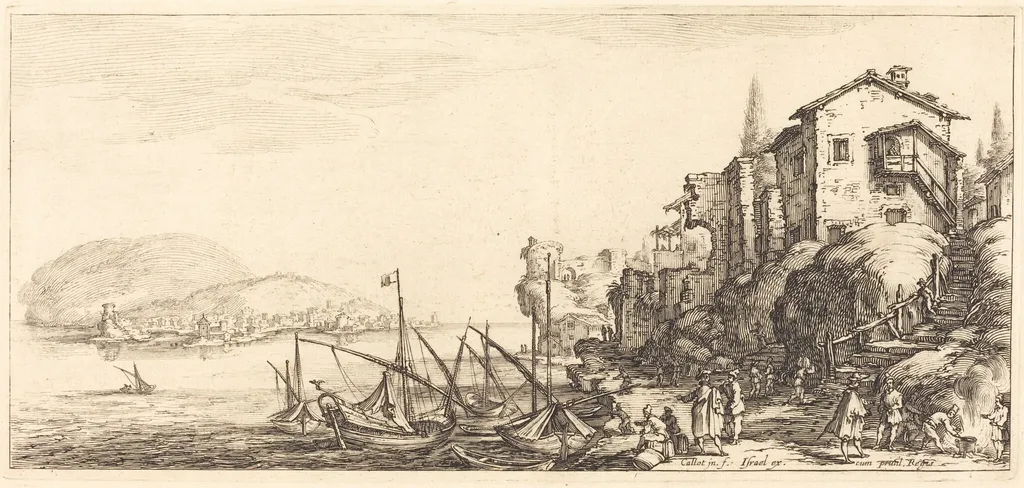
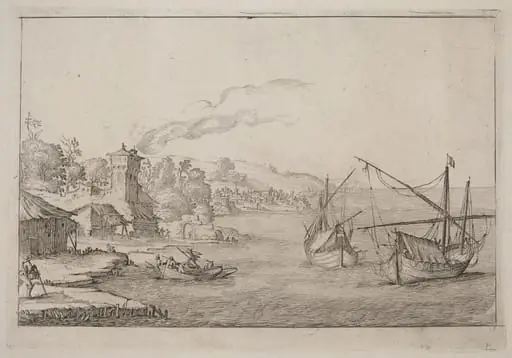
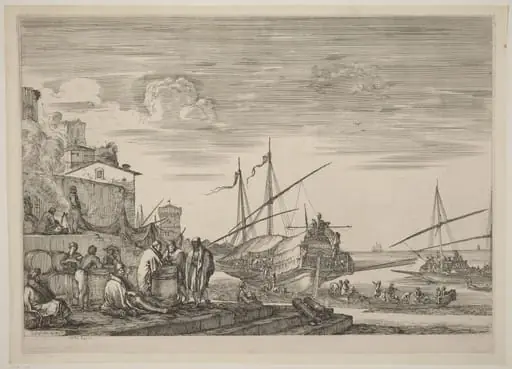
The Small Port is an ink print by the Baroque artist Jacques Callot. It dates from 1630 and is held in the collection of the National Gallery of Art.
About this work
Overview
Created around 1630, *The Small Port* is an etching on laid paper by Jacques Callot, reflecting his mastery of fine-line technique and observational precision.
Created around 1630, *The Small Port* is an etching on laid paper by Jacques Callot, reflecting his mastery of fine-line technique and observational precision. As one of over 1,400 prints he produced, this work belongs to a body of imagery that captures everyday moments with quiet intensity. Unlike grand historical scenes, it focuses on a modest coastal setting, revealing Callot’s interest in the rhythms of ordinary life rather than heroic narratives.
Subject & Meaning
The scene depicts a tranquil harbor nestled against a rocky slope, with moored vessels, a winding path, and clustered stone structures clinging to the hillside. Figures move along stairs and paths, suggesting routine activity rather than spectacle. The absence of dramatic action invites contemplation of place and solitude. The hazy horizon and subdued light imply a moment suspended between day and dusk, evoking stillness rather than narrative climax.
Technique & Style
Callot employed fine, controlled etching lines to model light and texture with remarkable subtlety. The delicate rendering of water, stone, and fabric creates depth without heavy contrast, lending the scene a soft, atmospheric quality. His use of varied line weight and density suggests distance and volume, while the tight composition draws the eye from foreground boats to the distant city skyline, balancing detail with spatial harmony.
History & Provenance
The print emerged during Callot’s mature period in Florence, where he worked under Medici patronage after leaving his native Lorraine. Though no specific early ownership records are documented for this piece, it aligns with his broader output of topographical and genre scenes circulated among collectors. Its survival in multiple institutional collections suggests early appreciation for its quiet realism and technical refinement.
Context
In early 17th-century Europe, printmaking evolved as a medium for both artistic expression and documentary record. Callot’s work stood apart by focusing on unidealized landscapes and daily life, contrasting with the mythological or religious themes common in painting. His etchings of ports, markets, and soldiers offered viewers a window into the material world, reflecting growing interest in observation over allegory.
Legacy
Callot’s precise etching technique influenced generations of printmakers, particularly in the depiction of landscape and crowd scenes. *The Small Port* exemplifies his contribution to elevating printmaking as a vehicle for nuanced observation. While not widely exhibited as a standalone work, its aesthetic sensibility resonates in later topographical prints and the tradition of intimate, non-heroic scene-making in European graphic art.
Artist & collection
Artist
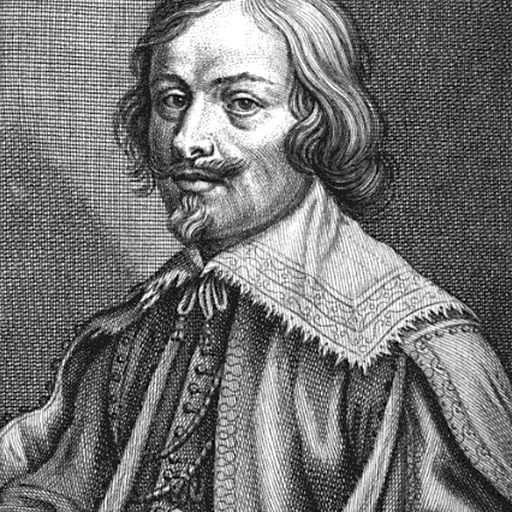
Jacques Callot was a baroque printmaker and draftsman from the Duchy of Lorraine.

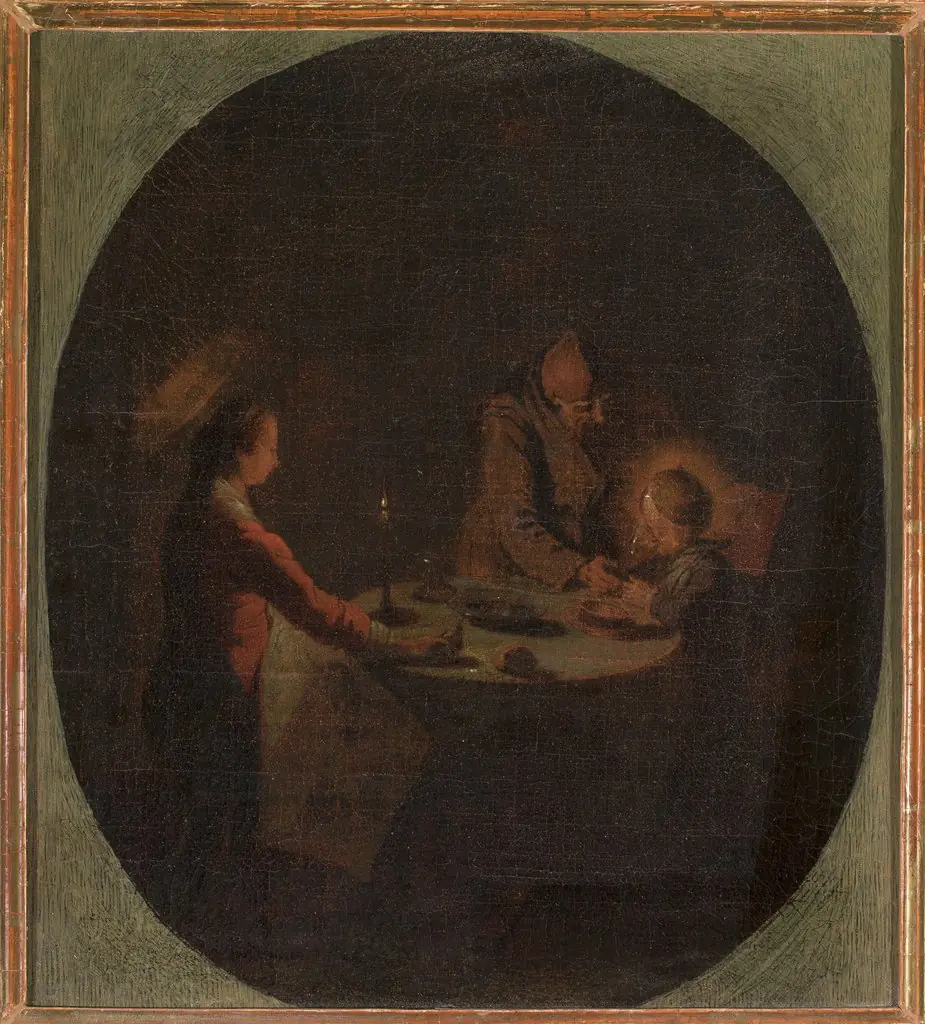 Holy Family at supper
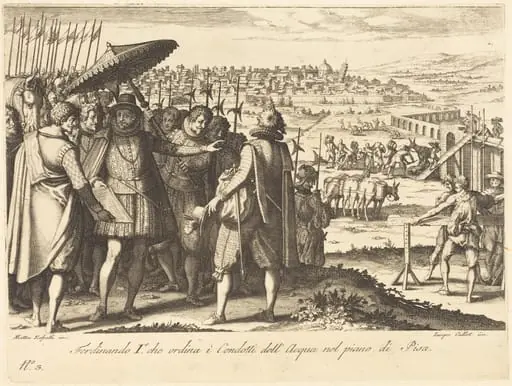 Restoration of the Aqueduct at Pisa
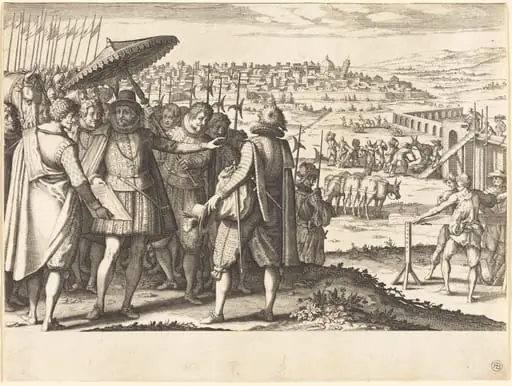 Restoration of the Aqueduct at Pisa
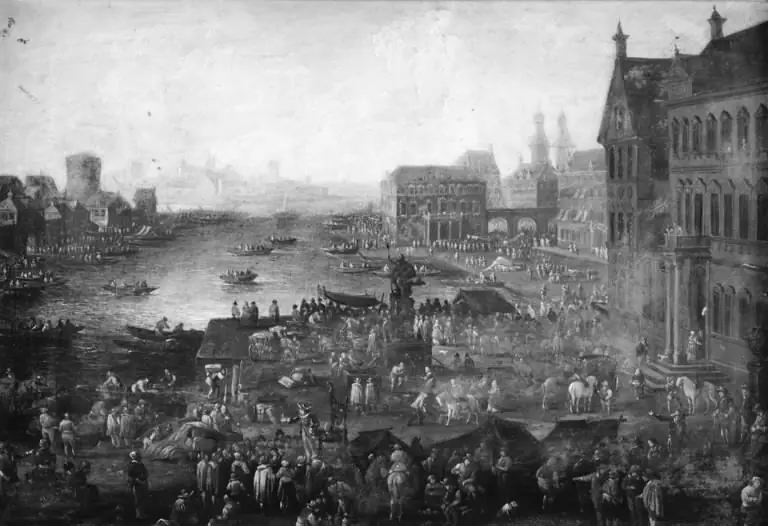 Square in Paris with Many Figures
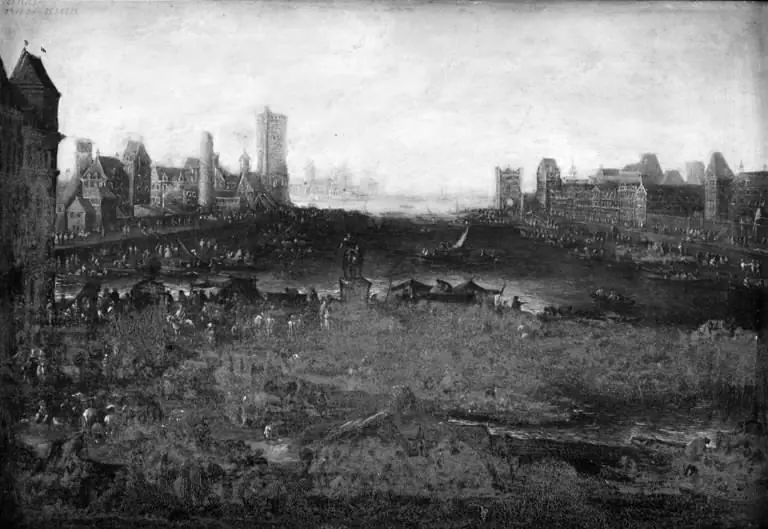 Square in Paris with Many Figures
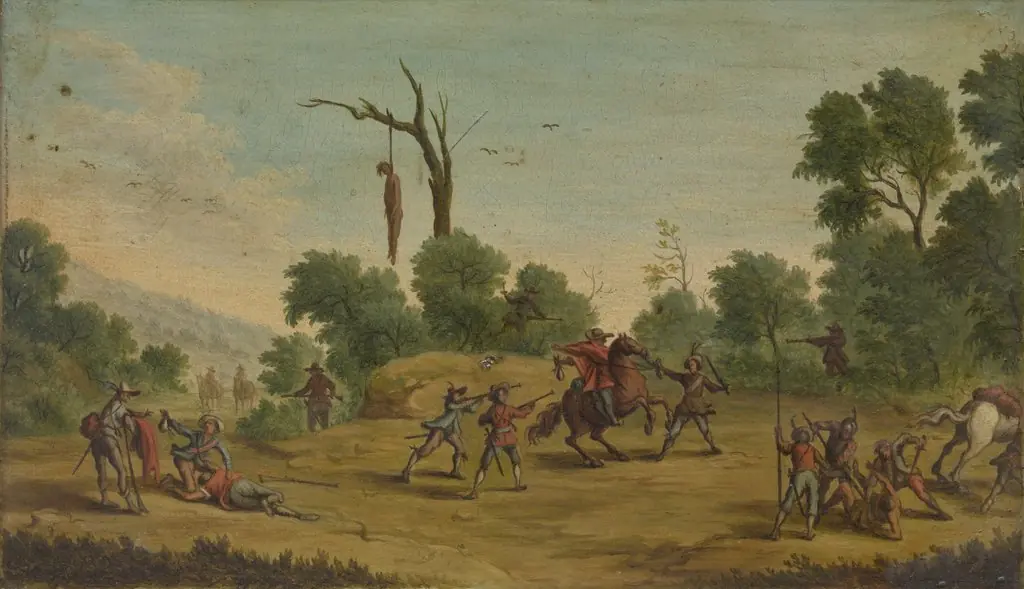 Horsemen Attacked by Robbers
 HOW WILL A COVERED PART BE CORRECTED?HOW WIKA A COVERED HEART DEED CORRECTED?
![Christ Walking on the Water [second plate], by Jacques Callot](https://artifactworldgallery.com/img/jacques-callot--christ-walking-on-the-water-second-plate--2069f3bfe4cb2126-w320.webp) Christ Walking on the Water [second plate]
Christ Walking on the Water [second plate]