Artwork
The Vulture
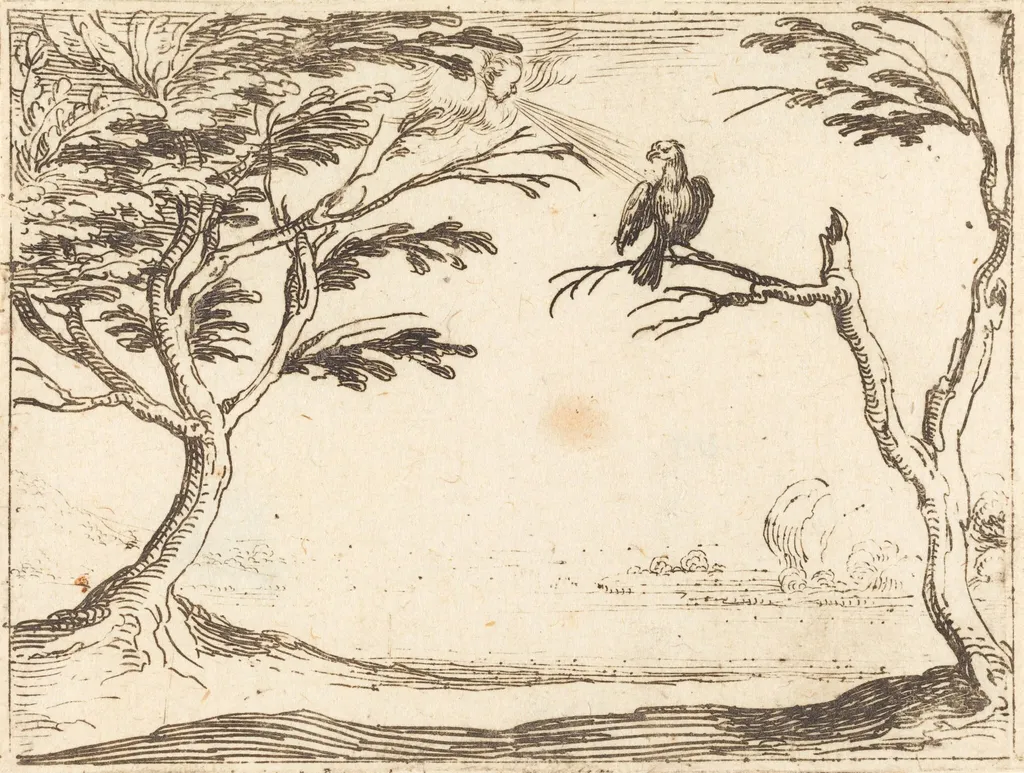
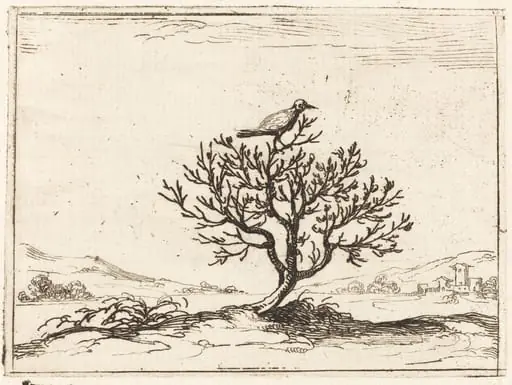
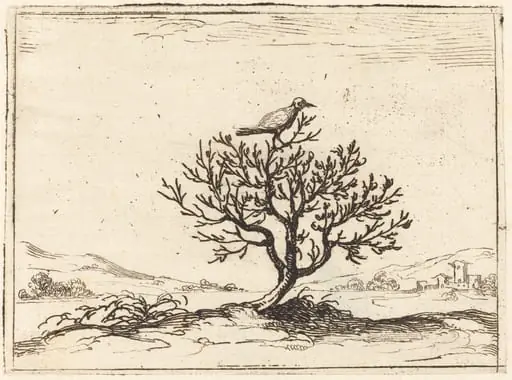
The Vulture is an ink print by the Renaissance artist Jacques Callot. It dates from 1628 and is held in the collection of the National Gallery of Art.
About this work
Overview
It belongs to a vast body of over 1,400 works in which Callot captured the textures of everyday life, from military campaigns to rural solitude.
Created in 1628, *The Vulture* is an etching on laid paper by Jacques Callot, a prominent printmaker from the Duchy of Lorraine. It belongs to a vast body of over 1,400 works in which Callot captured the textures of everyday life, from military campaigns to rural solitude. This piece stands apart for its minimalism, focusing solely on a solitary bird against a sparse landscape, reflecting his skill in conveying atmosphere through line alone.
Subject & Meaning
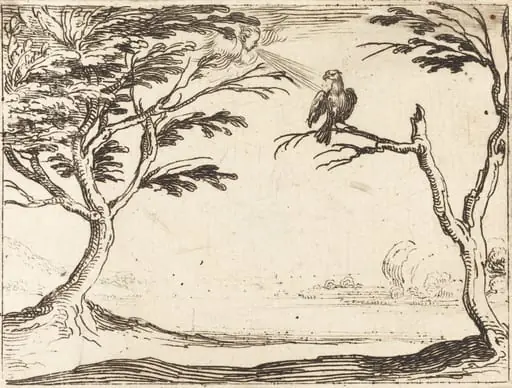
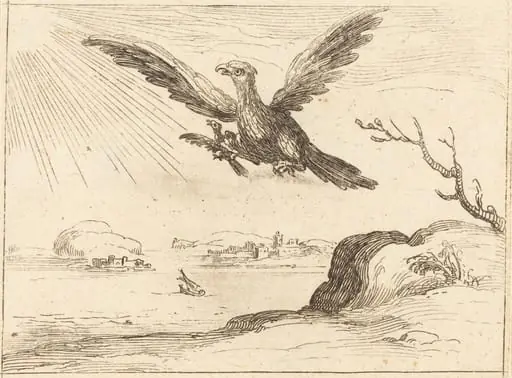
The image presents a vulture perched on a bare branch, its posture tense and watchful. Unlike Callot’s more crowded scenes of social chaos, this work isolates the bird as a silent observer, evoking themes of mortality and stillness. The absence of human figures shifts focus to nature’s quiet presence, suggesting a contemplative mood rather than narrative drama. The vulture, often associated with decay, here appears neutral—neither menacing nor symbolic, simply existing.
Technique & Style
Callot employed fine, controlled etching lines to render the bird’s feathers and the branch’s texture with precision. The paper’s natural tone serves as the light ground, while inked lines define form without shading or tone. The background is nearly empty—only faint clouds and a distant horizon suggest space. This restrained approach highlights Callot’s mastery of line as both descriptive and expressive, reducing complexity to essential marks.
History & Provenance
The work originates from Callot’s active period in Nancy, where he produced numerous prints for private collectors and patrons. While its early ownership is undocumented, it aligns with his known practice of circulating individual etchings outside major series. Its survival in good condition reflects its status as a study or independent plate, valued for its technical refinement rather than commercial appeal.
Context
In early 17th-century Europe, etching emerged as a medium for intimate, portable imagery. Callot’s work stood apart for its attention to detail and psychological nuance, even in small-scale subjects. *The Vulture* reflects a broader trend among Northern artists to find meaning in solitary natural forms, contrasting with the grandeur of contemporary painting. It reveals a quieter, observational side of Baroque art.
Legacy
Though less known than Callot’s battle scenes or carnival prints, *The Vulture* exemplifies his ability to elevate the mundane through technical discipline. Later printmakers admired his economy of line and compositional restraint. The work endures as a quiet testament to his capacity for observation—where a single bird, rendered with precision, becomes a vessel for stillness and reflection.
Own this work as a print
Artist & collection
Artist
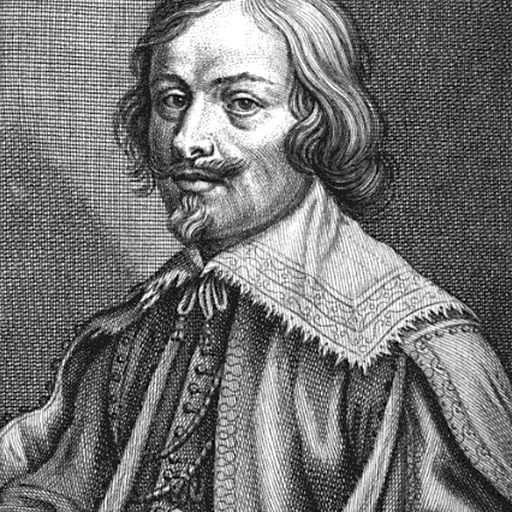
Jacques Callot was a baroque printmaker and draftsman from the Duchy of Lorraine.

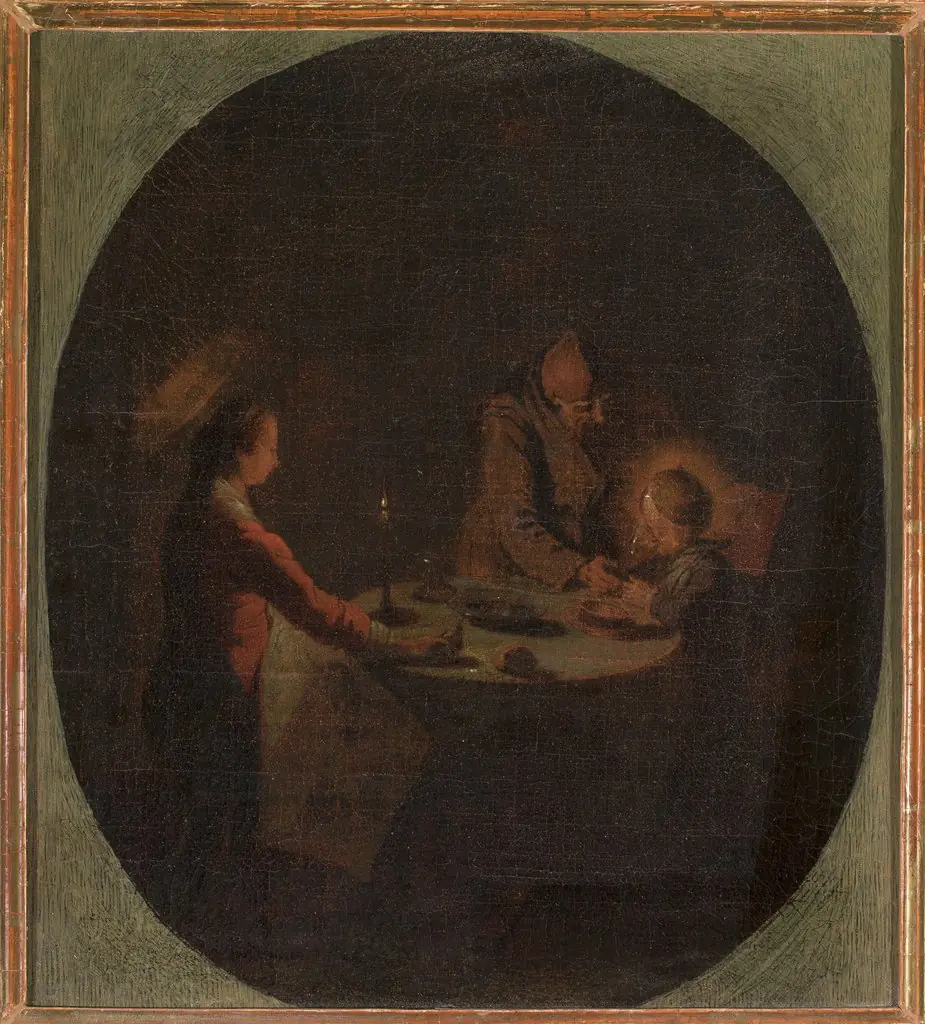 Holy Family at supper
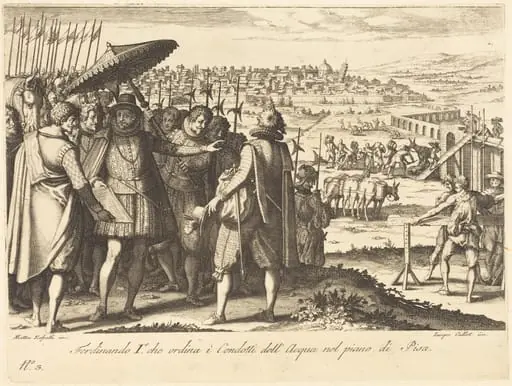 Restoration of the Aqueduct at Pisa
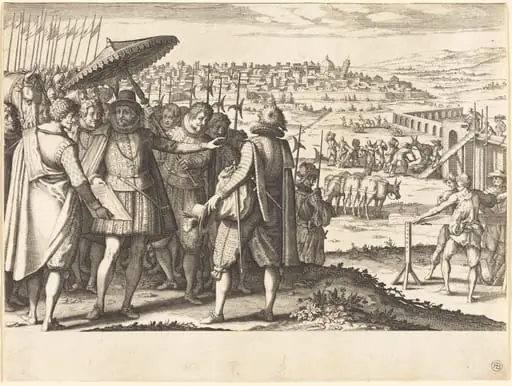 Restoration of the Aqueduct at Pisa
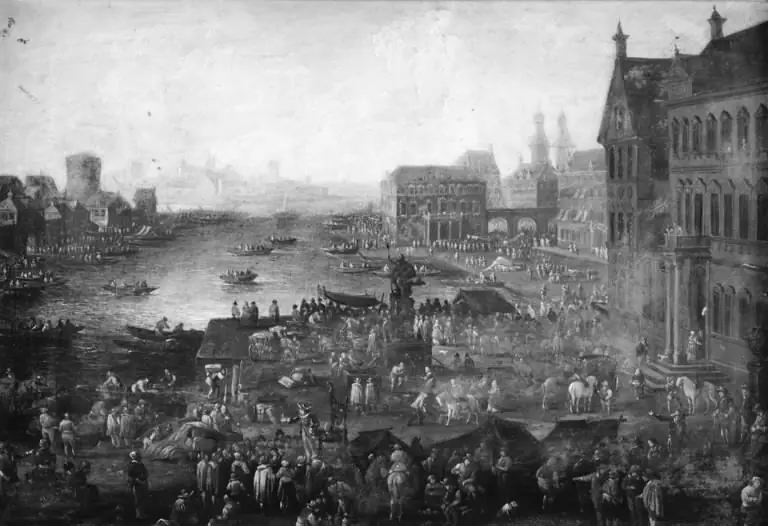 Square in Paris with Many Figures
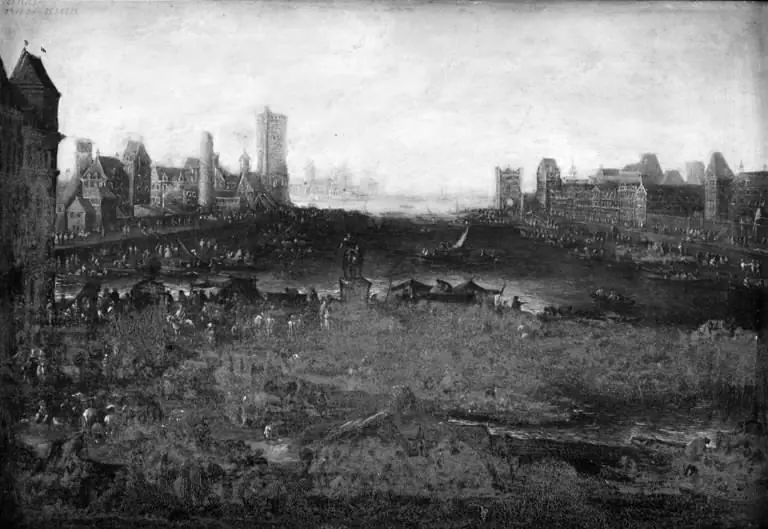 Square in Paris with Many Figures
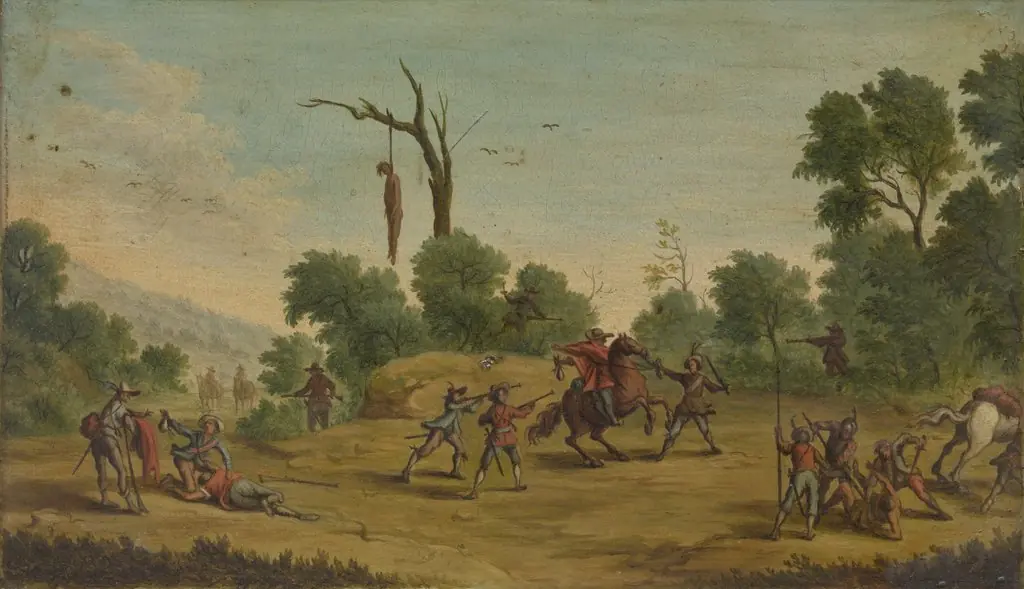 Horsemen Attacked by Robbers
 HOW WILL A COVERED PART BE CORRECTED?HOW WIKA A COVERED HEART DEED CORRECTED?
![Christ Walking on the Water [second plate], by Jacques Callot](https://artifactworldgallery.com/img/jacques-callot--christ-walking-on-the-water-second-plate--2069f3bfe4cb2126-w320.webp) Christ Walking on the Water [second plate]
Christ Walking on the Water [second plate]