Artwork
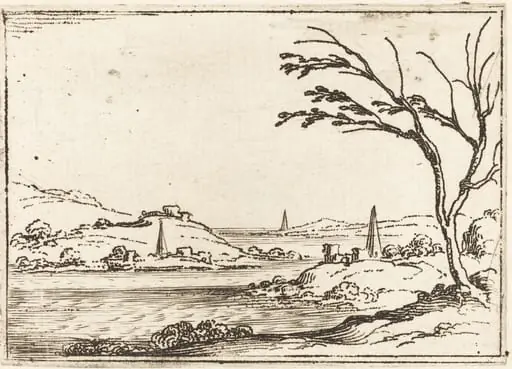
Willows by the Water's Edge
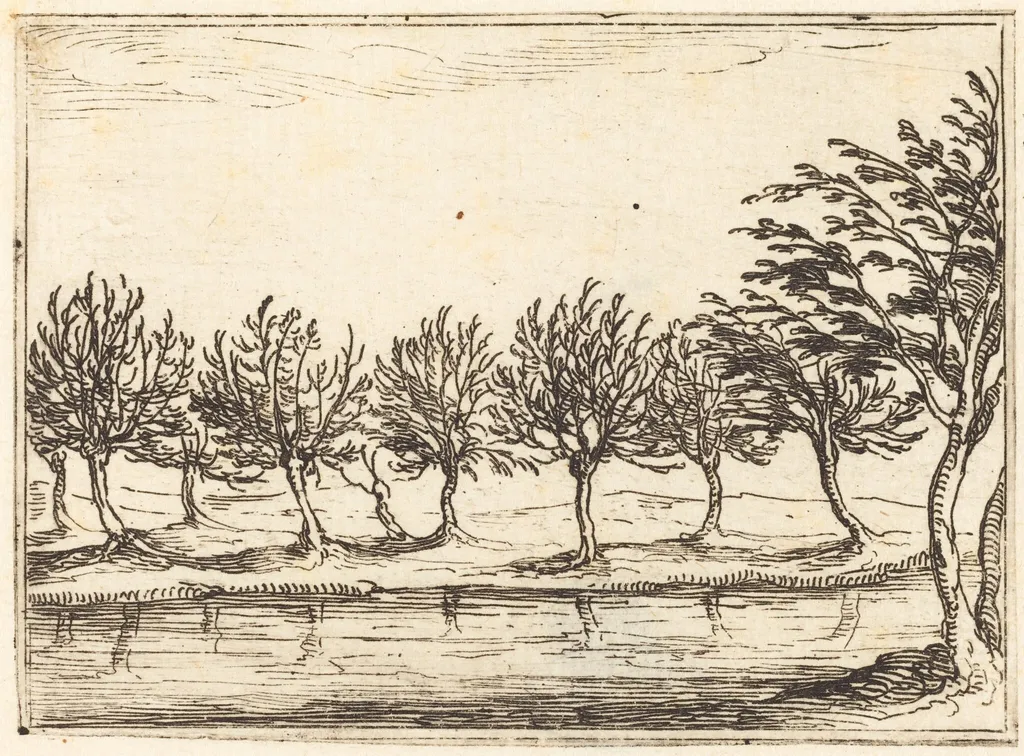
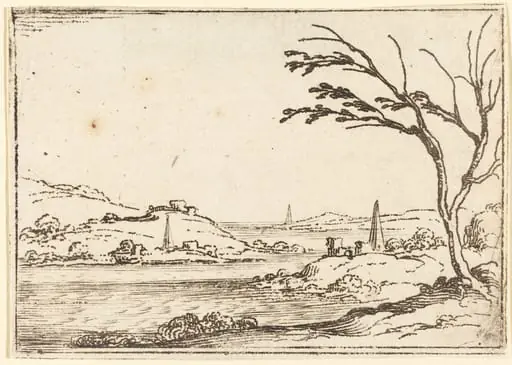
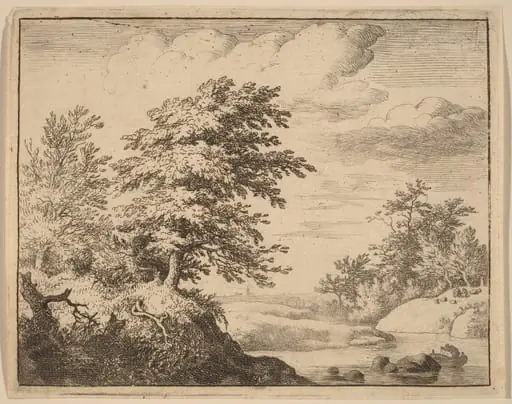
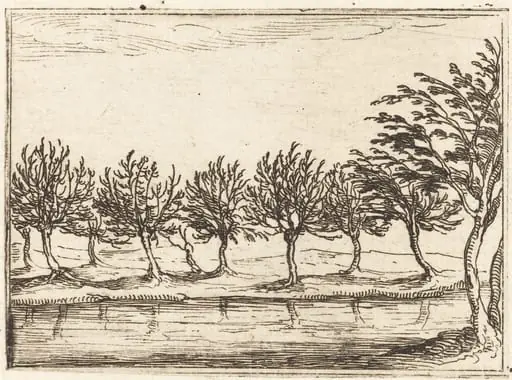
Willows by the Water's Edge is an ink print by the Baroque artist Jacques Callot. It dates from 1628 and is held in the collection of the National Gallery of Art.
About this work
Overview
Willows by the Water's Edge is a 1628 etching on laid paper by Jacques Callot, a French Baroque printmaker from Lorraine. This work exemplifies Callot's ability to merge detailed landscapes with narrative elements, characteristic of his extensive body of work.
Subject & Meaning
The etching depicts a serene scene of twisted willow trees standing in shallow water on flat, wet ground, with a few rocks and an empty sky above. The tranquil composition reflects Callot's capacity to imbue simple, everyday scenes with depth through his technical approach.
Technique & Style
Callot employed sharp, detailed lines to capture the intricate textures of the willows' bark and leaves, animating the otherwise still landscape. This meticulous etching technique was a hallmark of his style, lending vitality to quiet scenes.
History & Provenance
Created in 1628, this etching is part of Callot's prolific output of over 1,400 works, which broadly documented the social, military, and religious life of his time, often set against meticulously rendered landscapes.
Context
Within Callot's oeuvre, Willows by the Water's Edge sits alongside religious, military, and secular subjects, highlighting his versatility in combining narrative with natural environments across diverse themes.
Legacy
This work contributes to Callot's legacy as a key figure in the development of Old Master prints, admired for his technical proficiency in capturing both the serenity of nature and the intricacies of human life.
Own this work as a print
Artist & collection
Artist
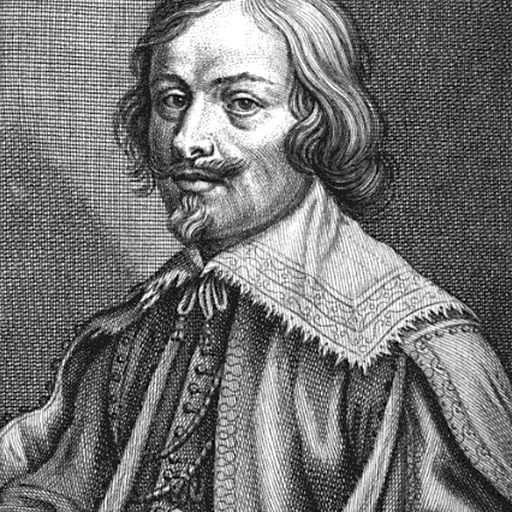
Jacques Callot was a baroque printmaker and draftsman from the Duchy of Lorraine.

 Holy Family at supper
 Restoration of the Aqueduct at Pisa
 Restoration of the Aqueduct at Pisa
 Square in Paris with Many Figures
 Square in Paris with Many Figures
 Horsemen Attacked by Robbers
 HOW WILL A COVERED PART BE CORRECTED?HOW WIKA A COVERED HEART DEED CORRECTED?
![Christ Walking on the Water [second plate], by Jacques Callot](https://artifactworldgallery.com/img/jacques-callot--christ-walking-on-the-water-second-plate--2069f3bfe4cb2126-w320.webp) Christ Walking on the Water [second plate]
Christ Walking on the Water [second plate]