Artwork
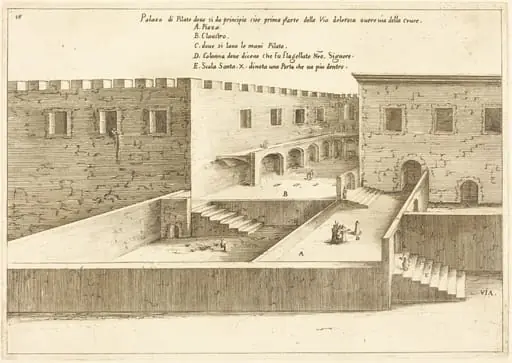
Third Part of the Via Dolorosa
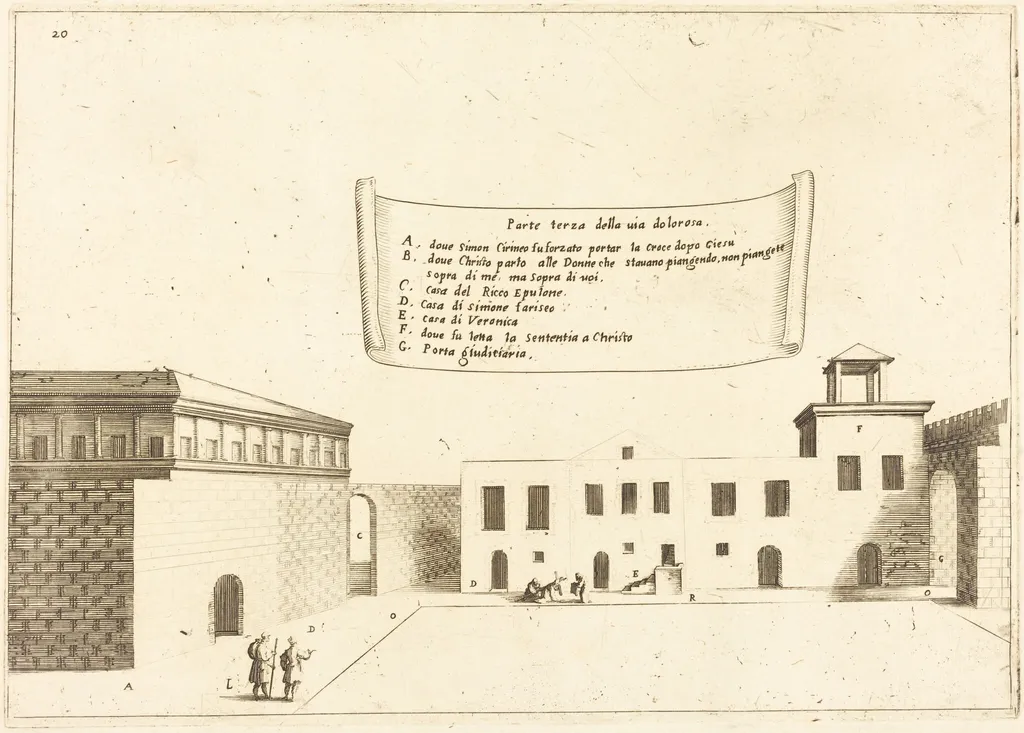
Third Part of the Via Dolorosa is an ink print by the Baroque artist Jacques Callot. It dates from 1619 and is held in the collection of the National Gallery of Art.
About this work
Overview
Created on laid paper, the work is a later restrike of the original plate, reflecting continued interest in his religious prints.
Jacques Callot produced this etching and engraving in 1619 as part of a series depicting the Stations of the Cross. Created on laid paper, the work is a later restrike of the original plate, reflecting continued interest in his religious prints. Callot, from the Duchy of Lorraine, was known for meticulous draftsmanship and a focus on urban and devotional scenes, often rendered with sharp detail and crowded compositions.
Subject & Meaning
The image illustrates the third station of the Via Dolorosa, the path Christ took to Calvary. Figures kneel and move along a narrow urban street, their postures suggesting prayer and procession. Lettered markers—D, E, G—identify specific points along the route, likely referencing local landmarks or devotional stops in Jerusalem. The absence of natural elements emphasizes the artificial, man-made nature of the sacred journey.
Technique & Style
Callot employed fine etching lines and controlled engraving to render architectural details and small human figures with precision. The flat, stone-paved ground and repetitive brick facades are built through repetitive hatchwork and subtle tonal variations. His use of scale—tiny figures against towering walls—heightens the sense of isolation and ritual, characteristic of his ability to convey narrative density within confined spaces.
History & Provenance
The print was originally issued in 1619 as part of a larger sequence of religious scenes. Later restrikes, made after Callot’s death, circulated widely across Europe, particularly among collectors and religious institutions. The survival of multiple impressions suggests its enduring utility in private devotion and pedagogical contexts, though its early ownership records remain largely undocumented.
Context
In early 17th-century Europe, devotional imagery was widely disseminated through prints, especially in regions affected by the Counter-Reformation. Callot’s series responded to a demand for accessible, detailed representations of sacred narratives. His depiction of urban space—crowded, architectural, and devoid of nature—mirrored contemporary European cityscapes, grounding biblical events in familiar surroundings.
Legacy
Callot’s Via Dolorosa series influenced later printmakers in their treatment of religious processions and urban narrative. His technique of combining etching with engraving set a standard for fine-line detail in printmaking. Though less celebrated than his satirical works, this series contributed to the visual language of Catholic devotion in the Baroque era, shaping how sacred journeys were imagined in print.
Artist & collection
Artist
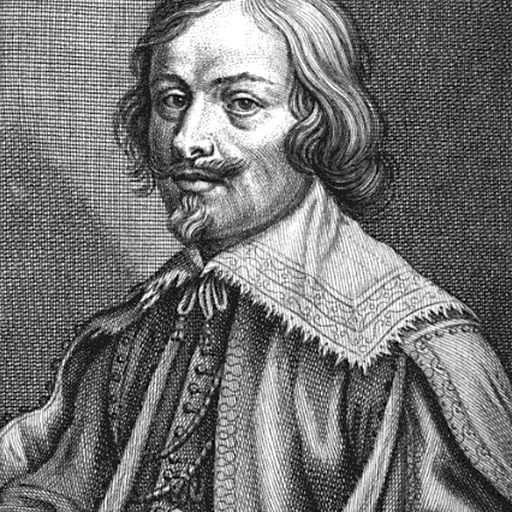
Jacques Callot was a baroque printmaker and draftsman from the Duchy of Lorraine.

 Holy Family at supper
 Restoration of the Aqueduct at Pisa
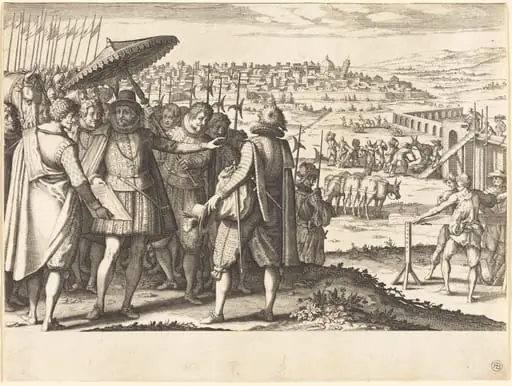 Restoration of the Aqueduct at Pisa
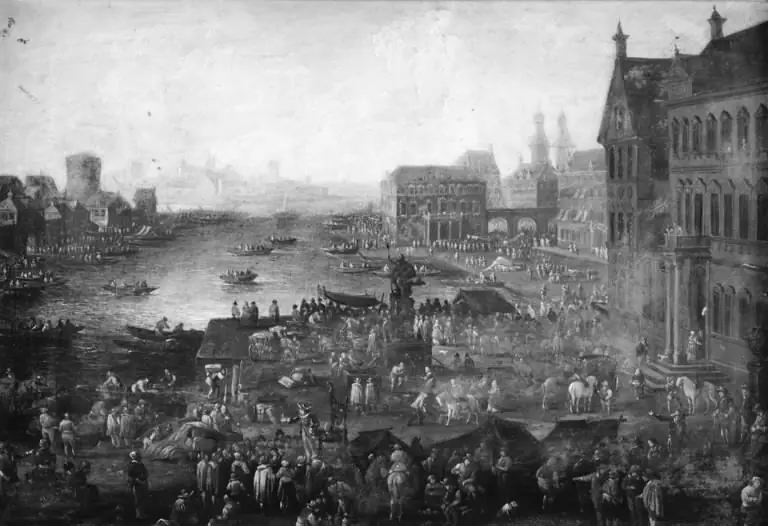 Square in Paris with Many Figures
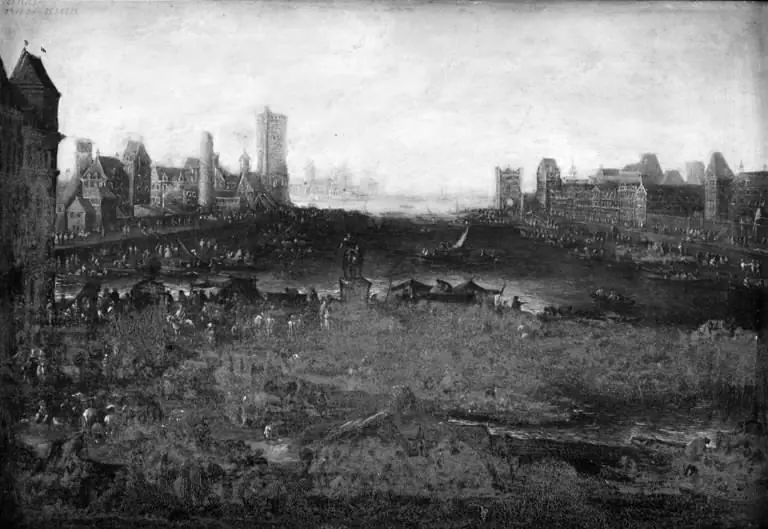 Square in Paris with Many Figures
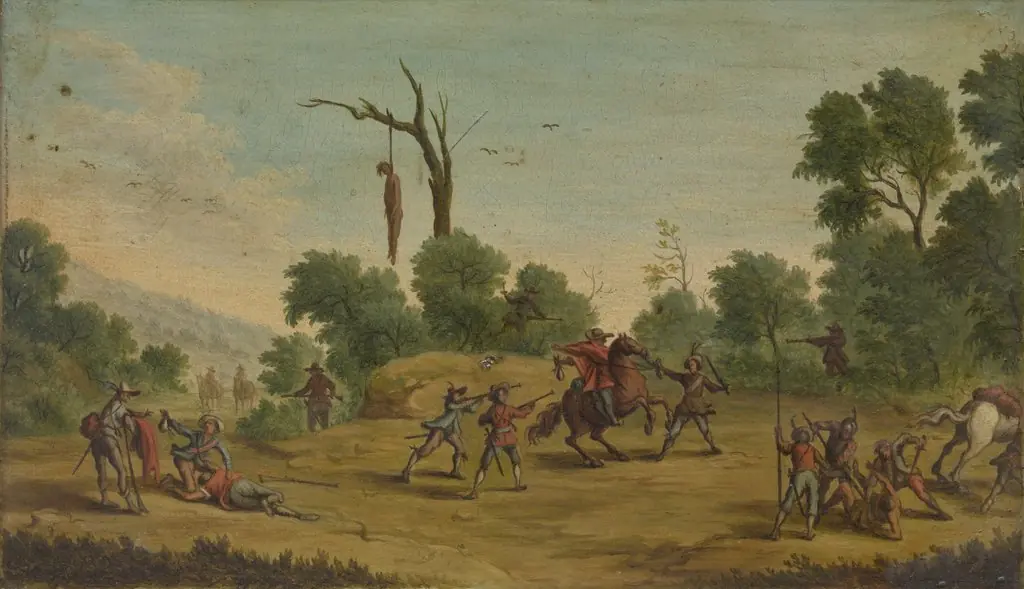 Horsemen Attacked by Robbers
 HOW WILL A COVERED PART BE CORRECTED?HOW WIKA A COVERED HEART DEED CORRECTED?
![Christ Walking on the Water [second plate], by Jacques Callot](https://artifactworldgallery.com/img/jacques-callot--christ-walking-on-the-water-second-plate--2069f3bfe4cb2126-w320.webp) Christ Walking on the Water [second plate]
Christ Walking on the Water [second plate]
 House of Pilate
 View of Lateran, Rome
 A View of the Piazza San Marco in Florence
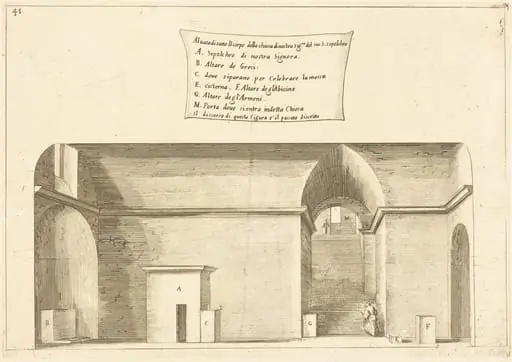 Elevation of the Church of the Holy Sepulchre
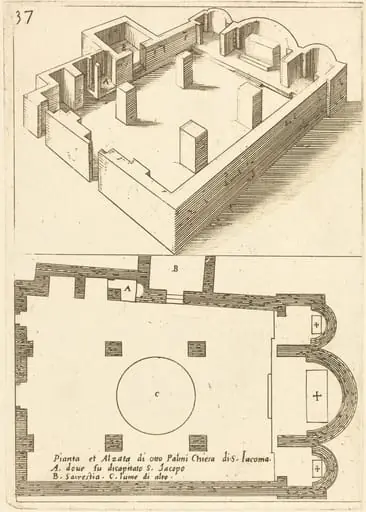 Plan and Elevation of the Church of S. Iacoma
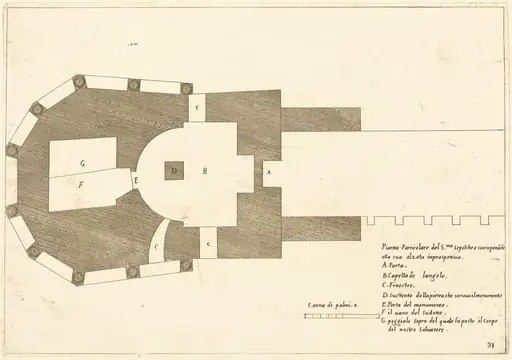 Plan of the Church of the Holy Sepulchre
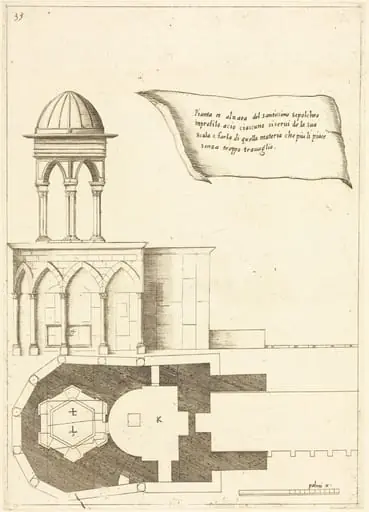 Plan and Elevation of the Church of the Holy Sepulchre
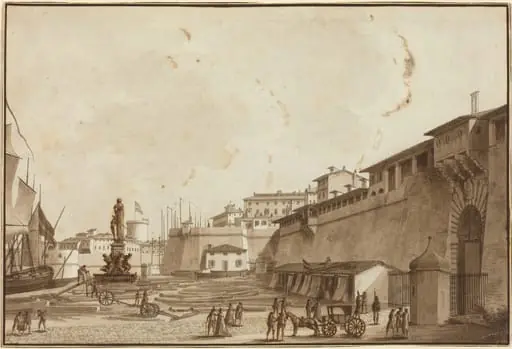 View of Livorno
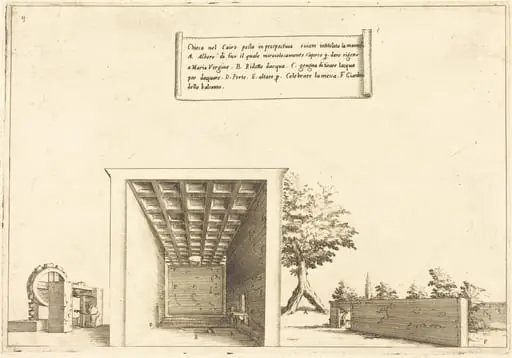 Church in Cairo
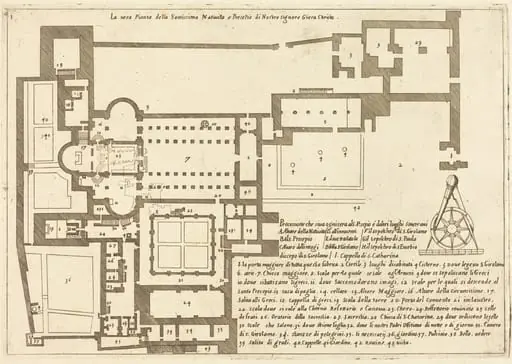 Plan of the Church of the Holy Nativity