Artwork
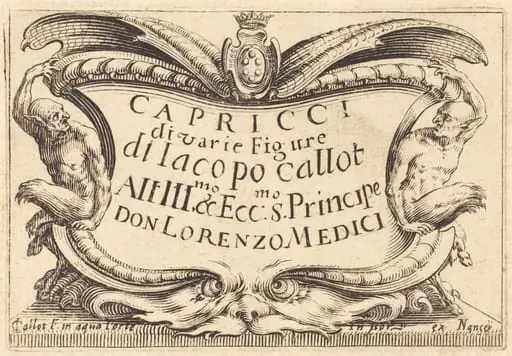
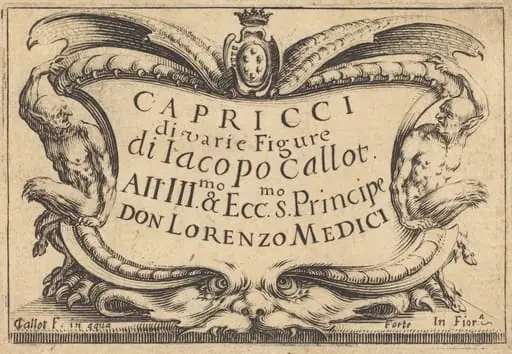
Title Page for "The Capricci"
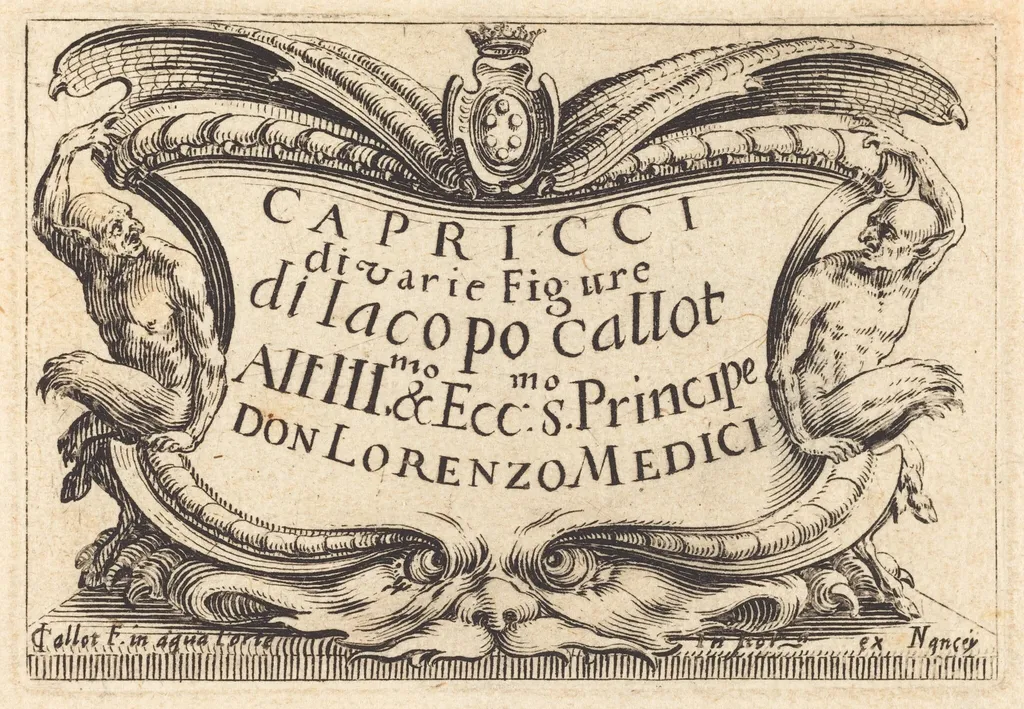
Title Page for "The Capricci" is an ink print by the Baroque artist Jacques Callot. It dates from 1622 and is held in the collection of the National Gallery of Art.
About this work
Overview
Jacques Callot, a French baroque printmaker from Lorraine, created the title page for 'The Capricci' around 1622. Executed in etching on laid paper, this work exemplifies Callot's meticulous style and diverse thematic approach.
Subject & Meaning
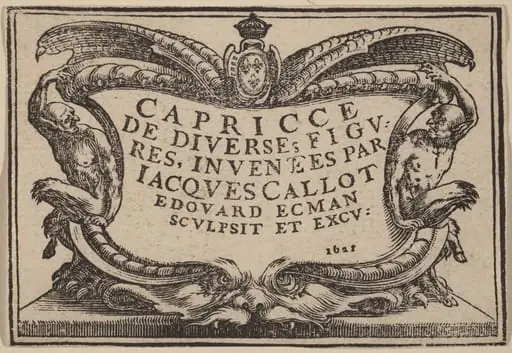
The title page features an ornate border with two figures supporting the frame, a decorative top design, and centrally placed title and artist's name. The composition conveys a sense of grandeur, framing the collection 'The Capricci' with formal importance.
Technique & Style
Callot's characteristic attention to detail is evident in the intricately designed border and classic typography. The etching technique allowed for precise rendering of fine lines and textures, highlighting Callot's mastery of the medium.
History & Provenance
Created circa 1622, this title page is part of Callot's extensive oeuvre of over 1,400 etchings. While specific provenance details are not provided, it aligns with his period output documenting various aspects of contemporary life.
Context
This work is rooted in the Baroque movement, reflecting its dramatic and ornate aesthetic. Callot's printmaking contributed significantly to the dissemination of Baroque styles and themes across Europe.
Legacy
As part of Callot's prolific output, 'The Capricci' title page contributes to his legacy as a leading old master printmaker. It continues to represent the Baroque printmaking tradition, influencing later artists and remaining a subject of study in the history of printmaking.
Artist & collection
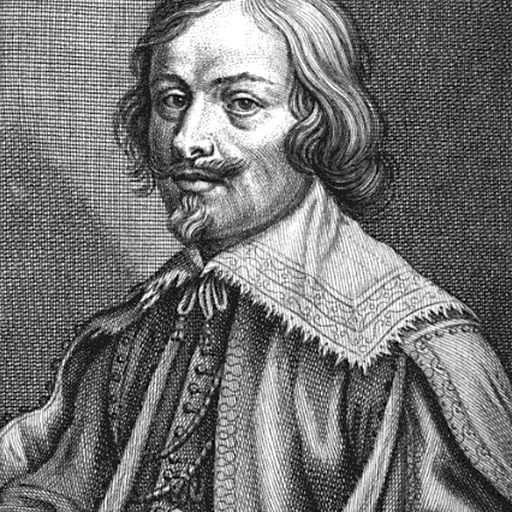
Artist
Jacques Callot was a baroque printmaker and draftsman from the Duchy of Lorraine.

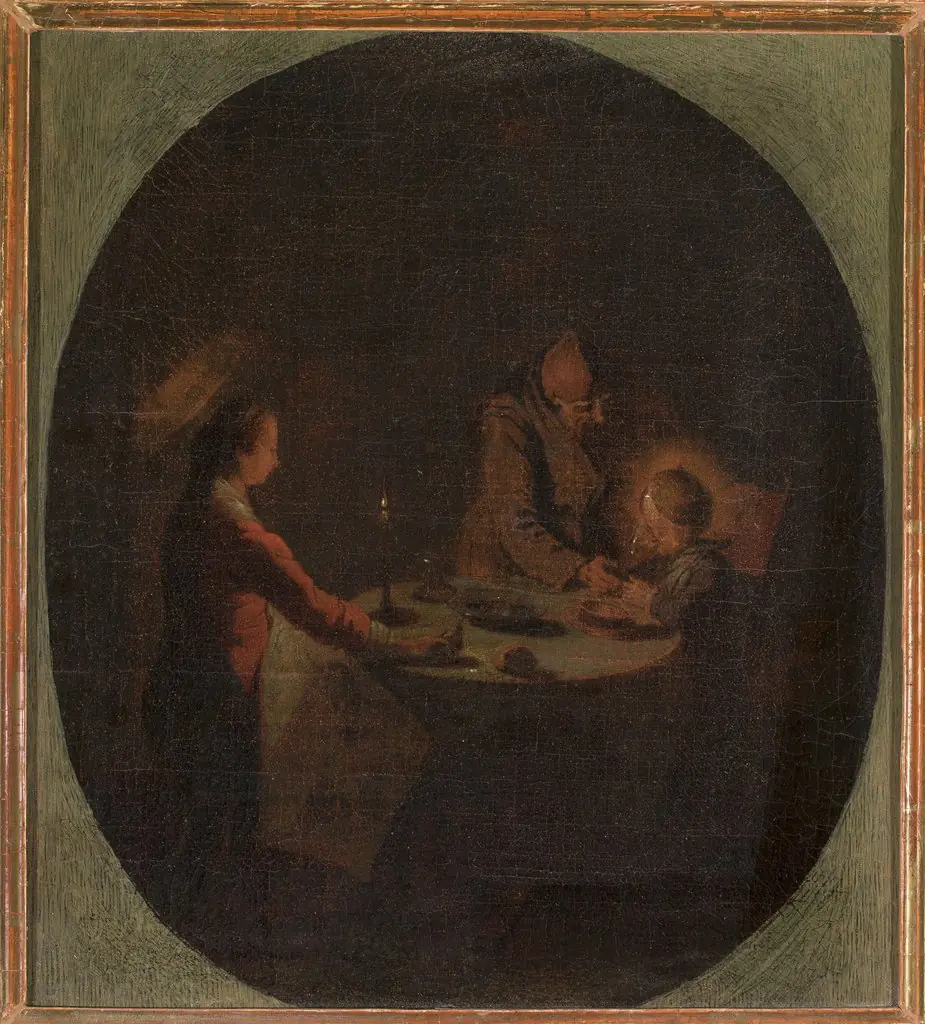 Holy Family at supper
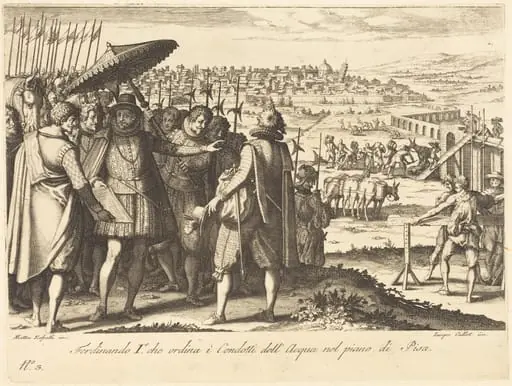 Restoration of the Aqueduct at Pisa
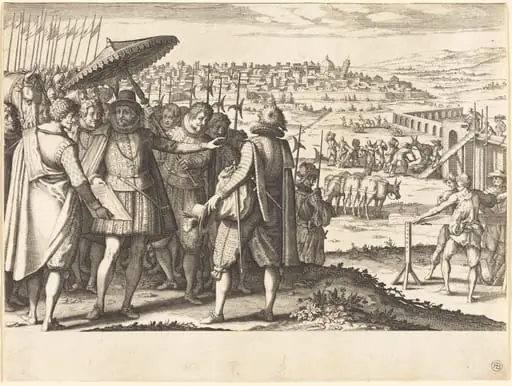 Restoration of the Aqueduct at Pisa
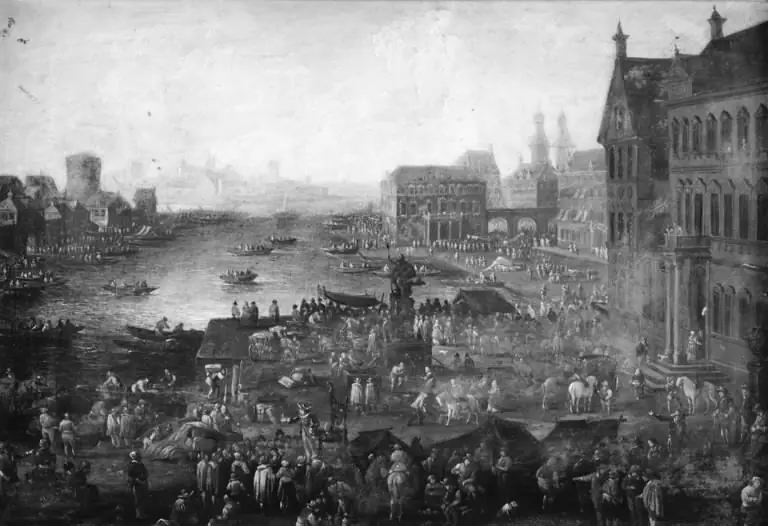 Square in Paris with Many Figures
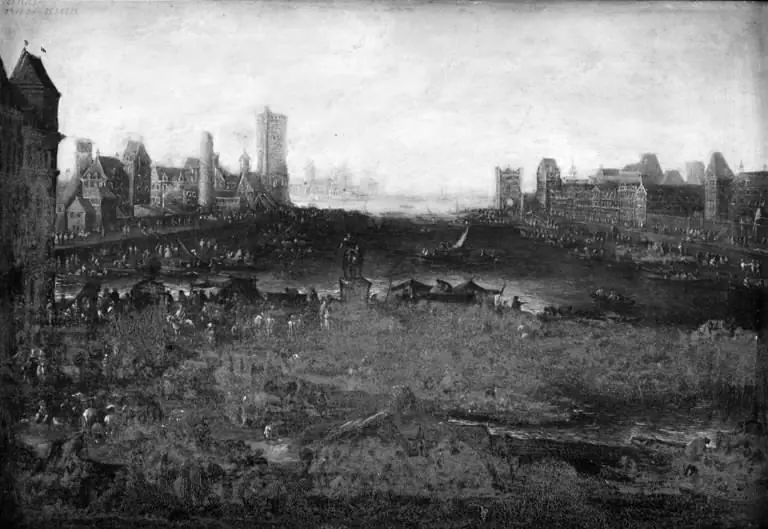 Square in Paris with Many Figures
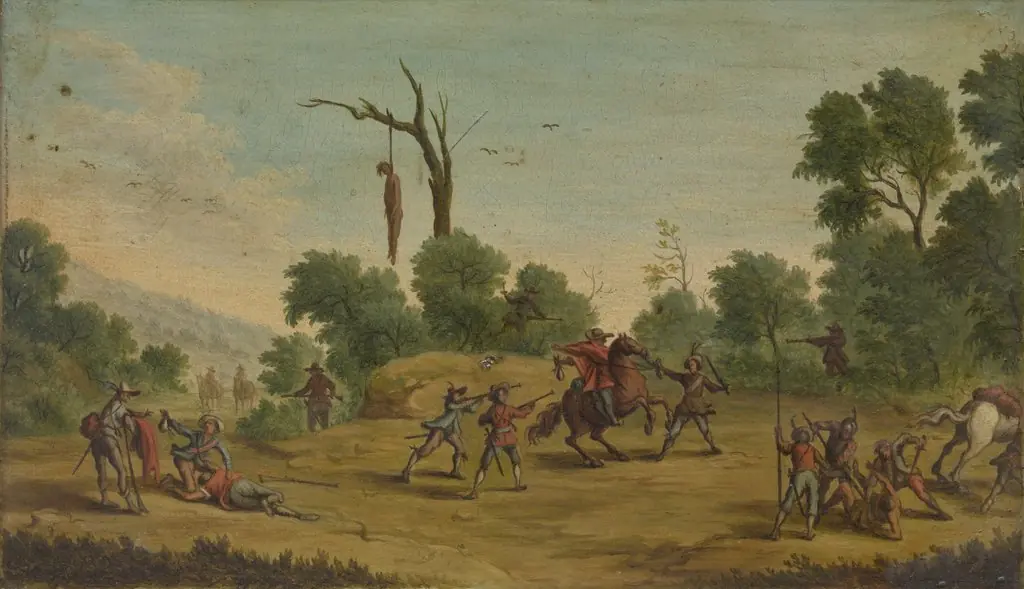 Horsemen Attacked by Robbers
 HOW WILL A COVERED PART BE CORRECTED?HOW WIKA A COVERED HEART DEED CORRECTED?
![Christ Walking on the Water [second plate], by Jacques Callot](https://artifactworldgallery.com/img/jacques-callot--christ-walking-on-the-water-second-plate--2069f3bfe4cb2126-w320.webp) Christ Walking on the Water [second plate]
Christ Walking on the Water [second plate]