Artwork
Title Page for "Bizzarie di varie Figure"
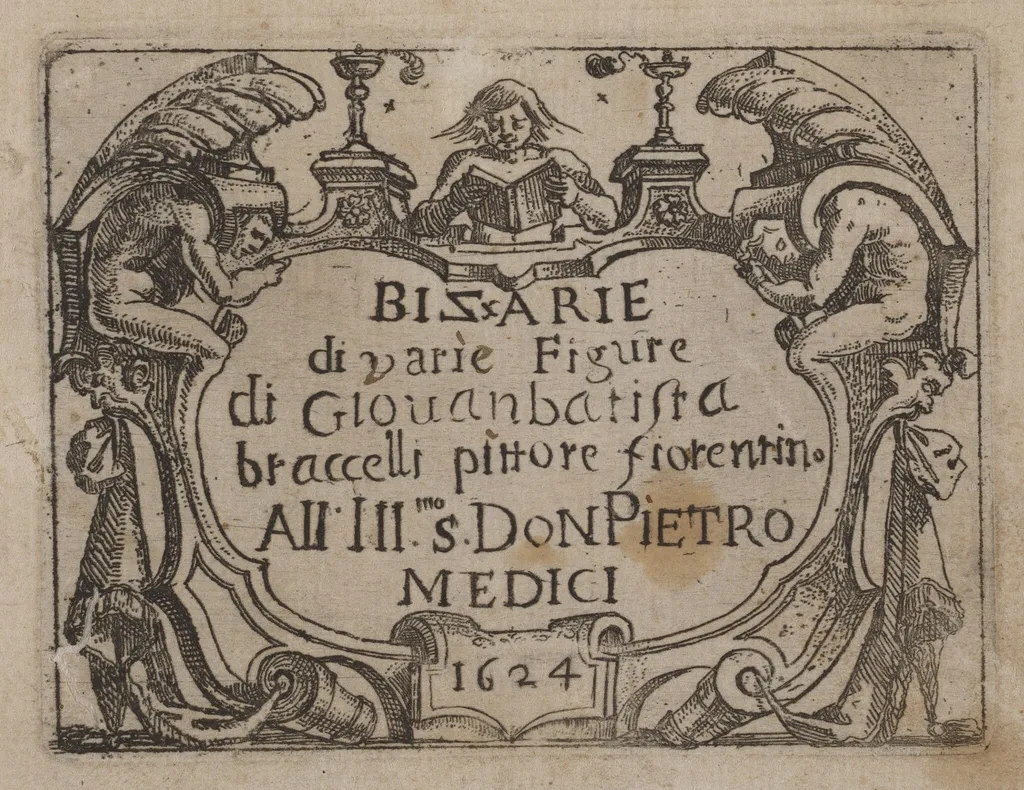
Title Page for "Bizzarie di varie Figure" is an ink print by the Baroque artist Giovanni Battista Bracelli. It dates from 1624 and is held in the collection of the National Gallery of Art.
About this work
The words are old-fashioned and hard to read, but they say "1624" at the bottom.
This is a black-and-white print with a fancy frame. At the top, two winged kids hold up a crown with a book on it. Below them, swirly lines and strange shapes fill the space. The words are old-fashioned and hard to read, but they say "1624" at the bottom.
The print looks like it’s from a book called *Bizzarie*. The artist’s name is tucked in there too, but it’s not easy to spot.
Want to see more like this? Check out etching.
Overview
Giovanni Battista Bracelli produced the title page for 'Bizzarie di varie Figure' in 1624 as an etching, part of a printed volume showcasing imaginative figural studies. Active in central Italy between 1616 and 1649, Bracelli was primarily known for his work in engraving and painting. This print serves as the frontispiece to a collection of eccentric, stylized figures, reflecting the Baroque fascination with novelty and decorative complexity.
Subject & Meaning
The composition features two putti supporting a crown above a volume, symbolizing the elevation of artistic invention. Surrounding them are abstract, swirling forms and irregular shapes that evoke fantasy rather than naturalism. The design suggests a celebration of the imagination, aligning with the book’s title, which translates to 'Oddities of Various Figures.' The inclusion of the year and artist’s name in the frame reinforces the print’s role as both an introduction and a signature.
Technique & Style
Executed in etching, the print employs fine, fluid lines to create intricate textures and dynamic movement. The black-and-white medium emphasizes contrast and detail, typical of Baroque printmaking. Bracelli’s use of ornamental framing and fantastical elements reflects contemporary Mannerist influences, blending decorative excess with structural clarity. The illegibility of the text underscores the image’s prioritization of visual spectacle over literal communication.
History & Provenance
The etching was issued as the title page of a rare 1624 publication, likely intended for collectors and artists interested in inventive figural studies. Though Bracelli’s broader oeuvre is not widely documented, this print survives as one of his few attributed works. Its preservation within bound volumes suggests it was valued as part of a curated artistic anthology, rather than as a standalone image.
Context
Produced during the height of the Baroque era, the print aligns with a broader trend in Italian print culture that favored elaborate, allegorical frontispieces. Similar works by artists like Pietro da Cortona and Stefano della Bella reflect a shared interest in combining myth, ornament, and intellectual symbolism. The 'Bizzarie' series itself was part of a niche market for visually arresting, non-narrative imagery aimed at connoisseurs.
Legacy
Bracelli’s title page remains a modest but distinctive example of early 17th-century Italian printmaking. While not widely reproduced or studied, it contributes to the understanding of how artists used decorative frames and symbolic imagery to frame artistic collections. Its survival offers insight into the visual culture of private libraries and the role of prints in disseminating aesthetic experimentation beyond painting.
Artist & collection

Artist
Giovanni Battista Bracelli or Braccelli is the name of more than one engraver and painter active in central Italy in the Baroque period, between about 1616 and 1649.

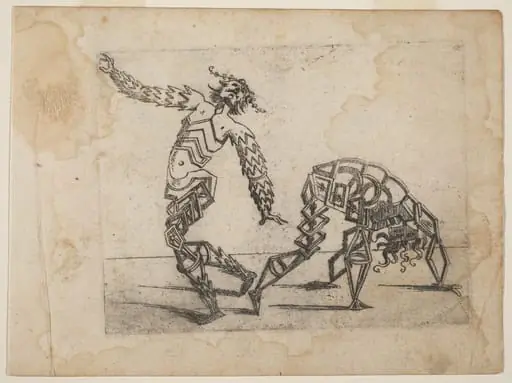
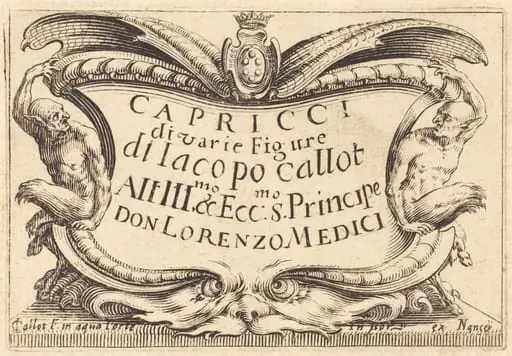 Title Page for "The Capricci"
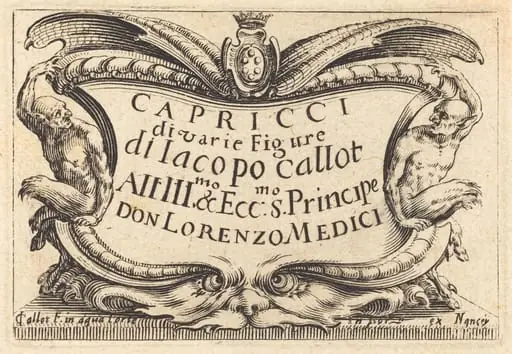 Title Page for "The Capricci"
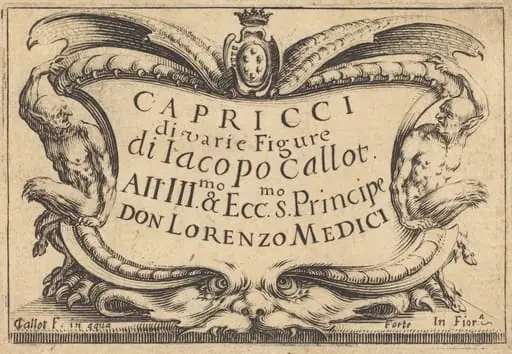 Title Page for "The Capricci"
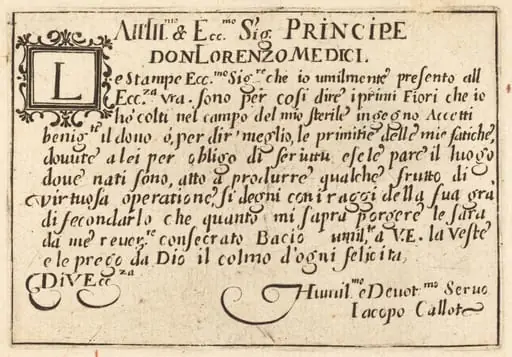 Dedication to Don Lorenzo de' Medici
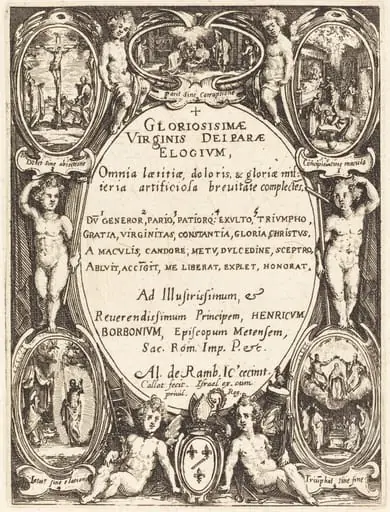 Frontispiece for "Gloriosissimae"
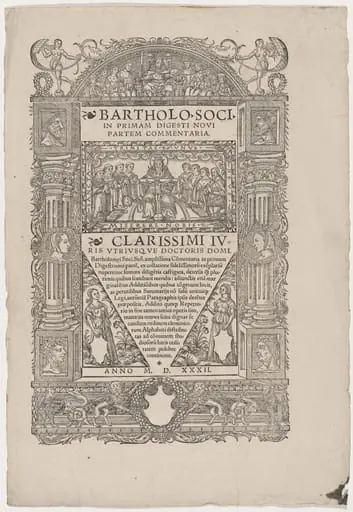 Title Page to Clarissimi IV
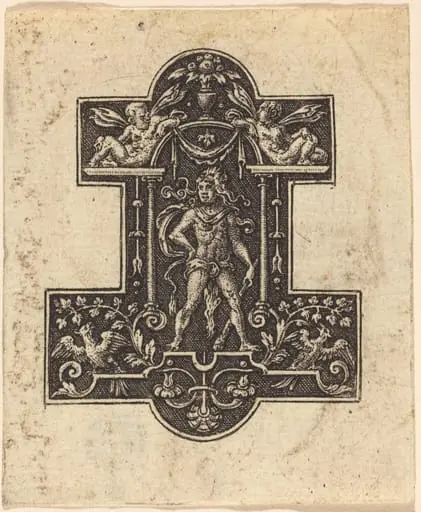 Hercules
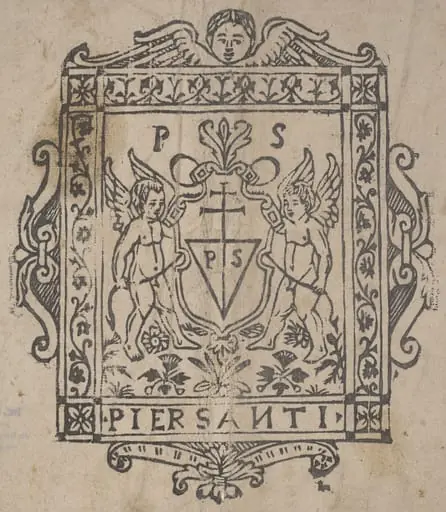 Two Putti with Shield Inscribed Pier Santi
![Libro Appartenente al Architettura [Title Page], by Italian 16th Century](https://artifactworldgallery.com/img/italian-16th-century--libro-appartenente-al-architettura-title-page--88d56a9c67de978c-w320.webp) Libro Appartenente al Architettura [Title Page]
Libro Appartenente al Architettura [Title Page]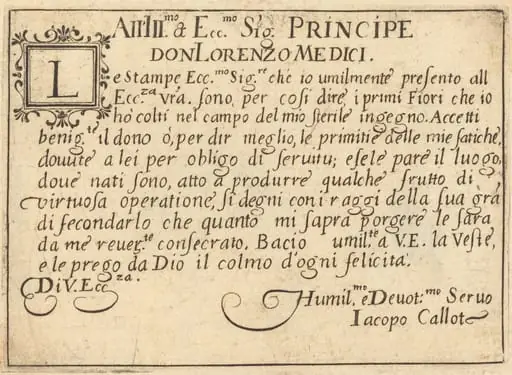 Dedication to Don Lorenzo de' Medici
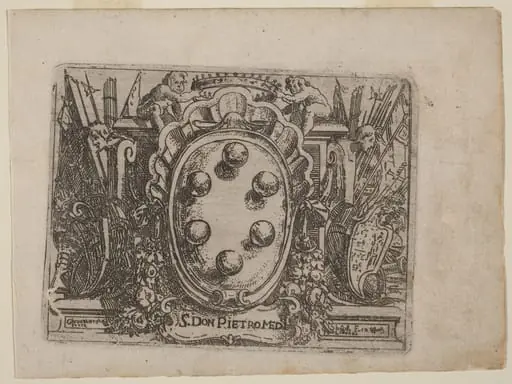 Dedication to Don Pietro Medici from "Bizzarie di varie Figure"
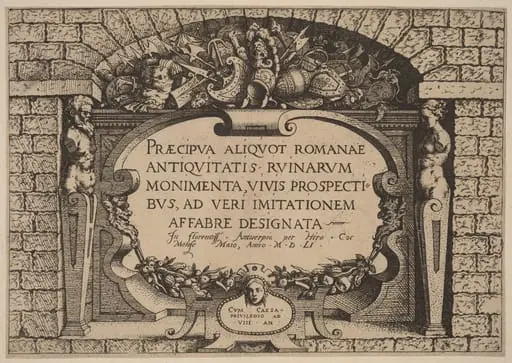 Title Page