Artwork
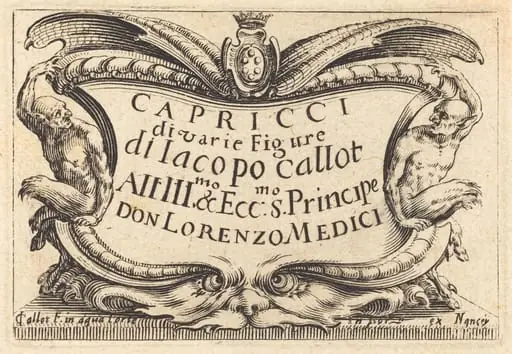
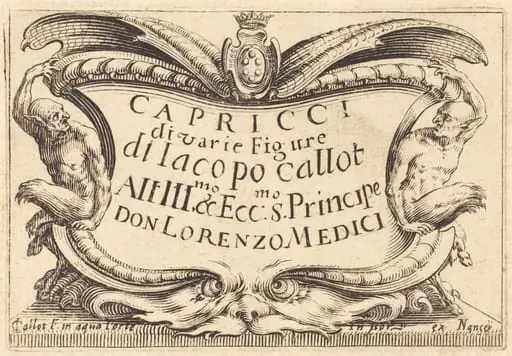
Title Page for "The Capricci"
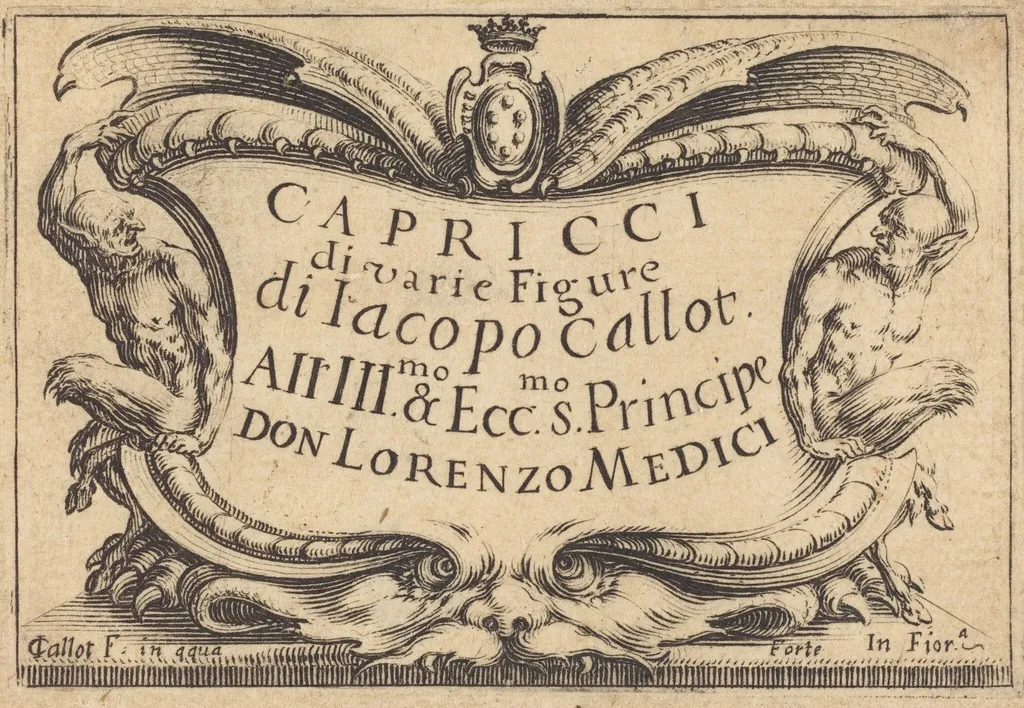
Title Page for "The Capricci" is an ink print by the Baroque artist Jacques Callot. It dates from 1617 and is held in the collection of the National Gallery of Art.
About this work
Overview
It introduces a collection of imaginative scenes, signaling the artist’s interest in blending the real with the fantastical.
Created around 1617 by Jacques Callot, this etching serves as the title page for a series titled 'The Capricci.' Executed on laid paper, it exemplifies Callot’s mastery of fine-line etching. The composition is structured as a decorative frame for text, blending ornamental elements with typographic precision. It introduces a collection of imaginative scenes, signaling the artist’s interest in blending the real with the fantastical.
Subject & Meaning
The image features two winged figures supporting a crown and a scroll inscribed with Latin text: 'Capricci di varie Figure' and 'Don Lorenzo Medici.' These elements suggest a connection to aristocratic patronage and the playful, inventive nature of the series. The swirling borders and cloud-like forms evoke a sense of movement and unrestrained imagination, reinforcing the theme of caprice—whimsical, unpredictable, and inventive imagery.
Technique & Style
Callot employed etching to achieve intricate detail, using fine, controlled lines to render decorative flourishes, text, and figures with clarity. The paper’s laid texture subtly enhances the print’s tactile quality. His technique avoids heavy shading, relying instead on linear precision and rhythmic patterns—feathers, curls, and waves—to create visual rhythm. The hand-drawn appearance reflects the intimate, artisanal process of etching on copper plates.
History & Provenance
The print originates from a series commissioned or associated with Don Lorenzo Medici, likely a member of the Florentine branch of the Medici family. While the full series of 'Capricci' is not fully preserved, this title page survives as evidence of Callot’s engagement with Italian patrons during his time in Florence. Its survival in collections today reflects its early recognition as a significant example of Baroque printmaking.
Context
In early 17th-century Europe, print series depicting fantastical or satirical scenes gained popularity among collectors. Callot’s work emerged alongside similar ventures by Northern and Italian artists, responding to a market for visually rich, intellectually playful imagery. His focus on eccentric figures and invented settings aligned with broader cultural interests in the grotesque, the theatrical, and the whimsical as subjects worthy of artistic treatment.
Legacy
Callot’s title page exemplifies the role of printmaking in disseminating artistic ideas beyond painting. His technical innovations in etching influenced generations of printmakers, particularly in the use of fine lines to convey complexity. Though not widely reproduced in his lifetime, this work remains a key reference in studies of Baroque graphic arts and the evolution of the printed image as a vehicle for imaginative narrative.
Artist & collection
Artist
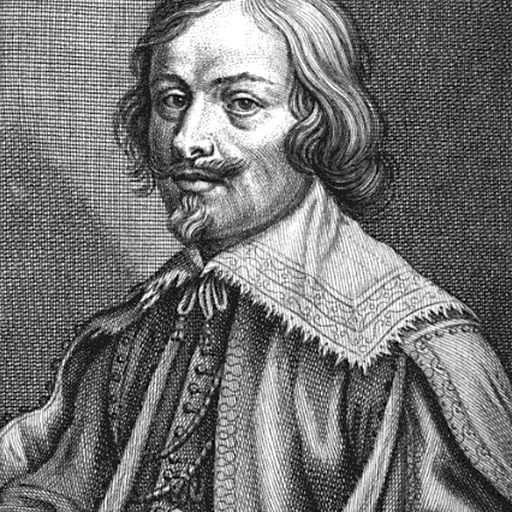
Jacques Callot was a baroque printmaker and draftsman from the Duchy of Lorraine.

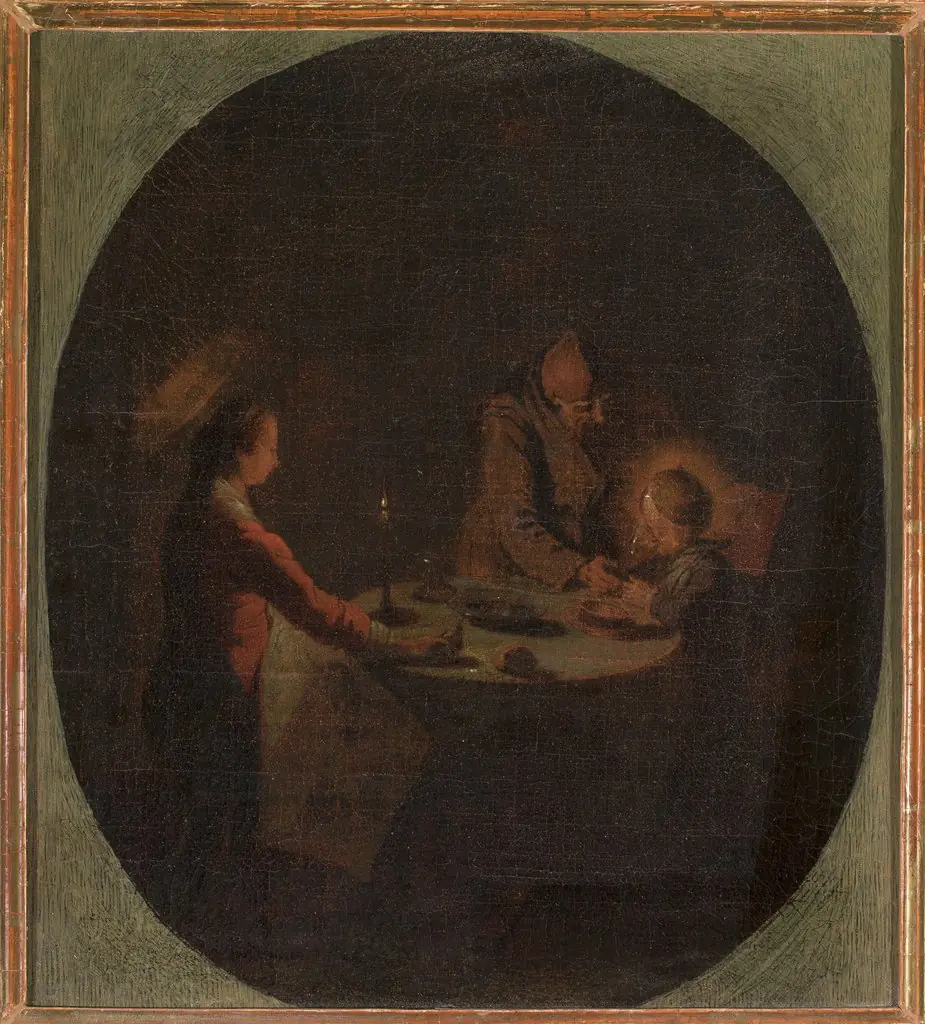 Holy Family at supper
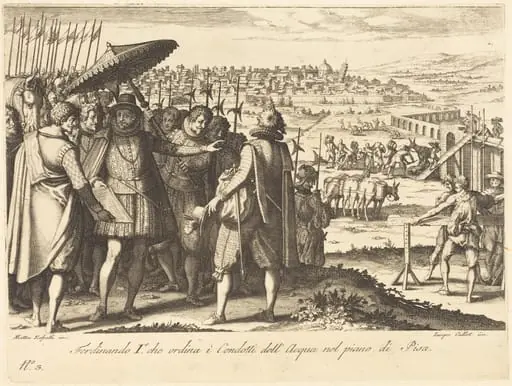 Restoration of the Aqueduct at Pisa
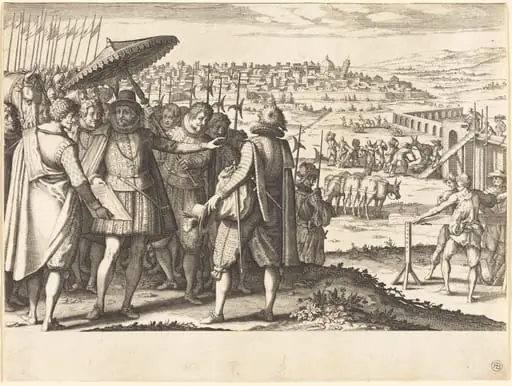 Restoration of the Aqueduct at Pisa
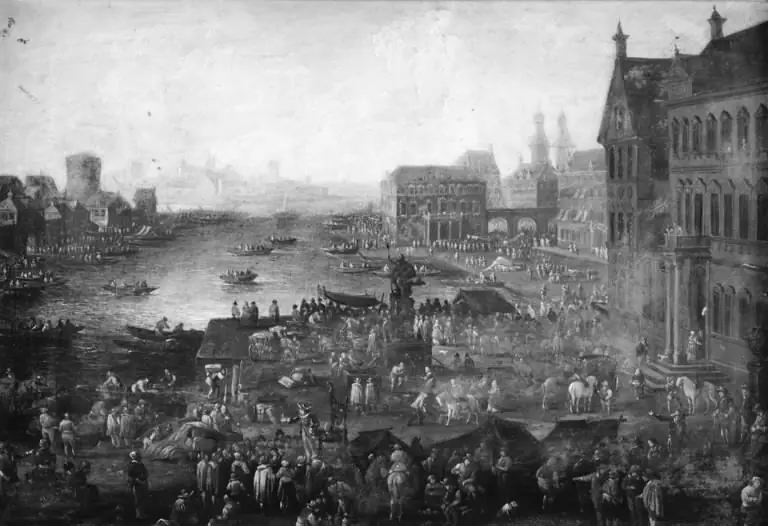 Square in Paris with Many Figures
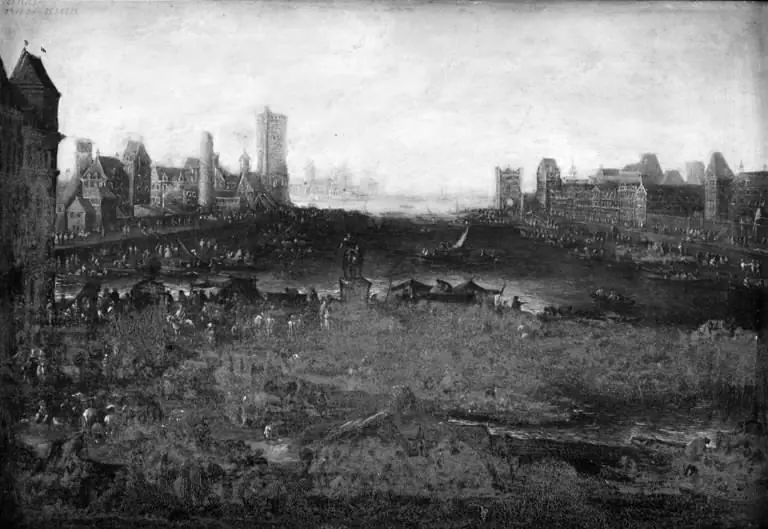 Square in Paris with Many Figures
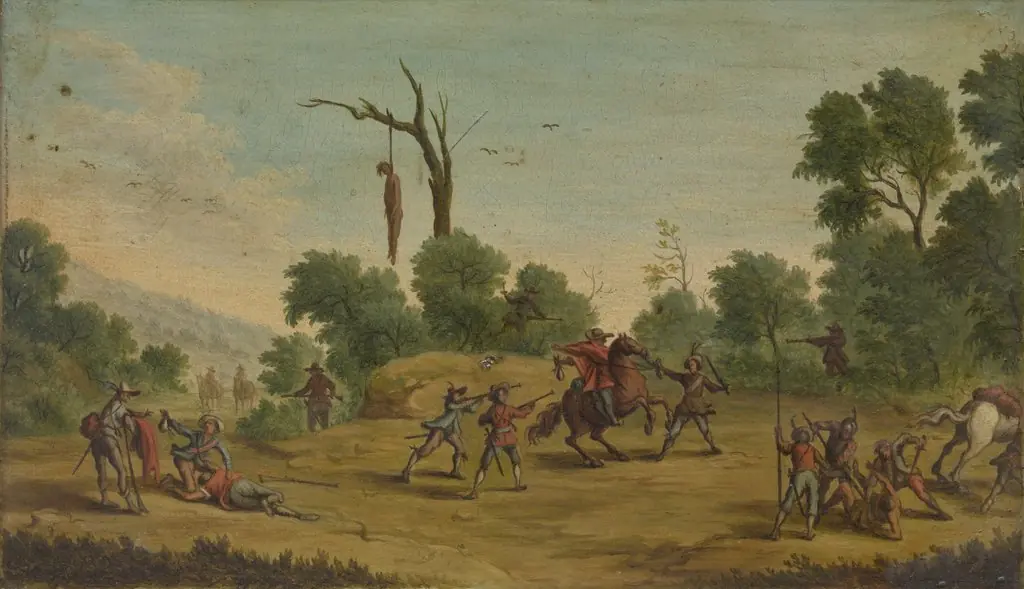 Horsemen Attacked by Robbers
 HOW WILL A COVERED PART BE CORRECTED?HOW WIKA A COVERED HEART DEED CORRECTED?
![Christ Walking on the Water [second plate], by Jacques Callot](https://artifactworldgallery.com/img/jacques-callot--christ-walking-on-the-water-second-plate--2069f3bfe4cb2126-w320.webp) Christ Walking on the Water [second plate]
Christ Walking on the Water [second plate]