Artwork
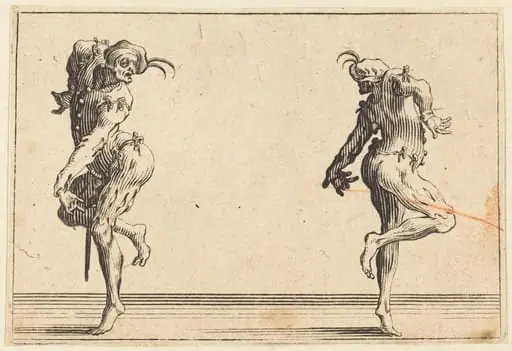
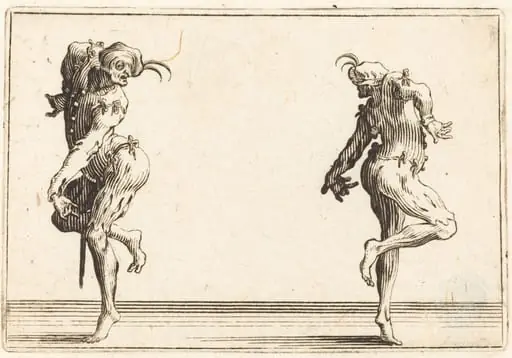
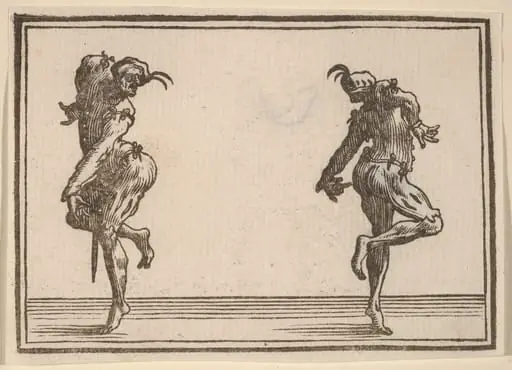
Two Pantaloons Dancing
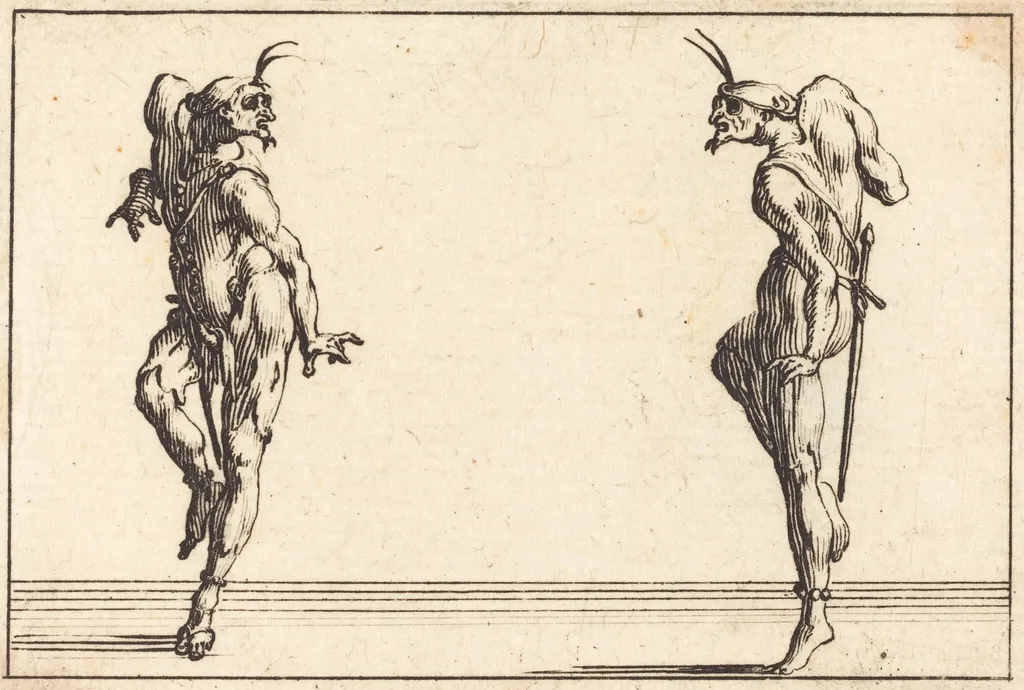
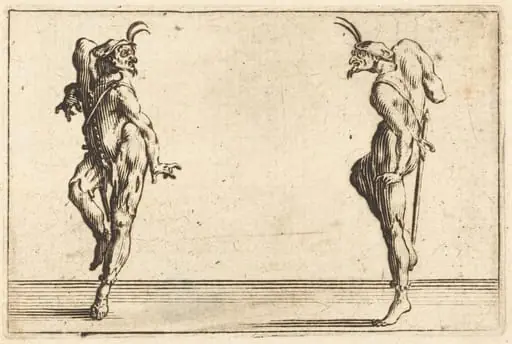
Two Pantaloons Dancing is an ink print by the Baroque artist Jacques Callot. It dates from 1617 and is held in the collection of the National Gallery of Art.
About this work
Overview
Two Pantaloons Dancing is an etching on laid paper created by Jacques Callot around 1617. It exemplifies his prolific output as a French Baroque printmaker, known for documenting everyday and theatrical scenes.
Subject & Meaning
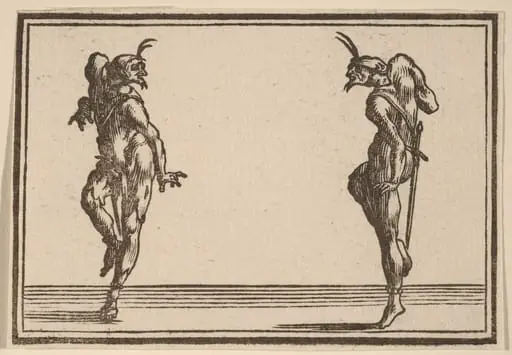
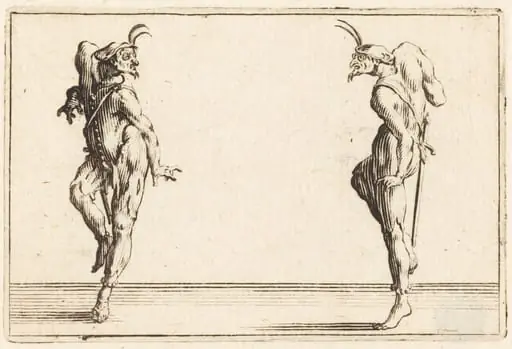
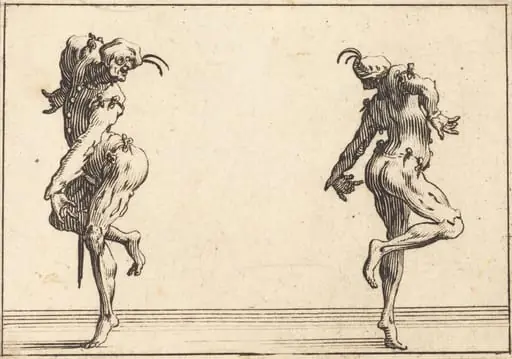
The print depicts two comedic figures, identified as Pantaloons, in exaggerated dance poses. Their attire, including baggy pants, loose shirts, and tall feathered hats, alongside accessories like a stick and rolled paper, contributes to a satirical and humorous interpretation, characteristic of Callot’s interest in theatrical satire.
Technique & Style
Executed with scratchy, sharp lines suggestive of etching with a needle, the work showcases Callot’s skill in capturing dynamic human movement. Notably, detailed backgrounds, often featuring landscapes in his broader oeuvre, are subdued here, focusing attention on the dancers.
History & Provenance
Created circa 1617, this etching is part of Callot’s extensive corpus of over 1,400 prints. Originating from the Duchy of Lorraine, it reflects his French Baroque roots. Specific provenance details for this piece are not provided.
Context
Within Callot’s body of work, *Two Pantaloons Dancing* sits alongside other scenes of daily life, soldiers, clowns, and courtly figures, highlighting 17th-century European fascination with theatrical and mundane subjects.
Legacy
This etching contributes to Callot’s legacy as a master of Baroque printmaking, influencing the depiction of satirical and theatrical themes in subsequent artistic periods.
Artist & collection
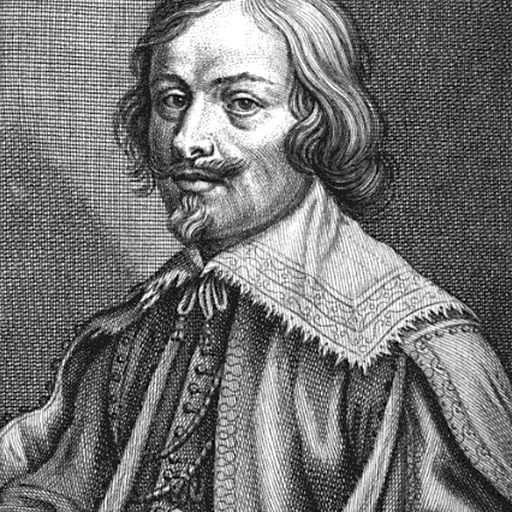
Artist
Jacques Callot was a baroque printmaker and draftsman from the Duchy of Lorraine.

 Holy Family at supper
 Restoration of the Aqueduct at Pisa
 Restoration of the Aqueduct at Pisa
 Square in Paris with Many Figures
 Square in Paris with Many Figures
 Horsemen Attacked by Robbers
 HOW WILL A COVERED PART BE CORRECTED?HOW WIKA A COVERED HEART DEED CORRECTED?
![Christ Walking on the Water [second plate], by Jacques Callot](https://artifactworldgallery.com/img/jacques-callot--christ-walking-on-the-water-second-plate--2069f3bfe4cb2126-w320.webp) Christ Walking on the Water [second plate]
Christ Walking on the Water [second plate]