Artwork
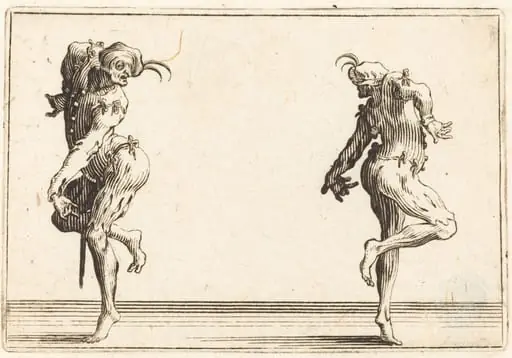
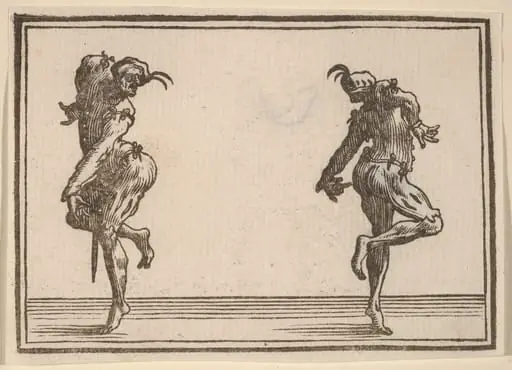
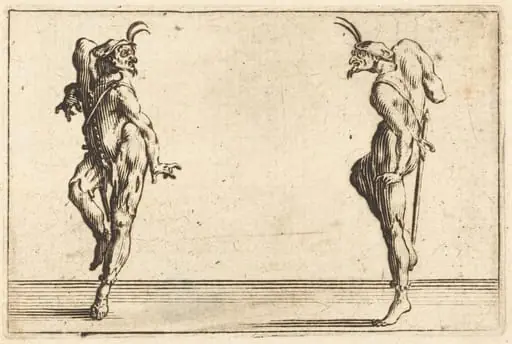
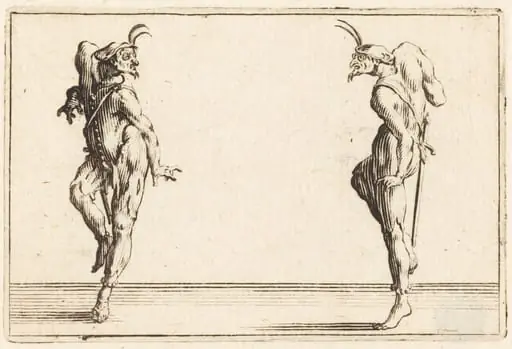
Two Pantaloons Dancing
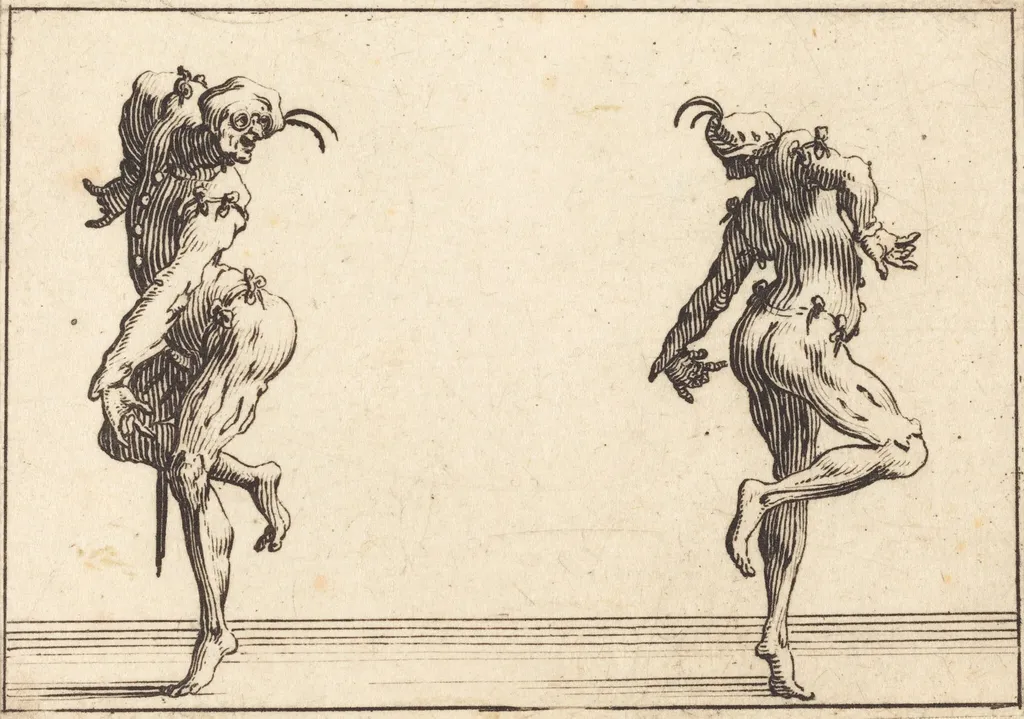
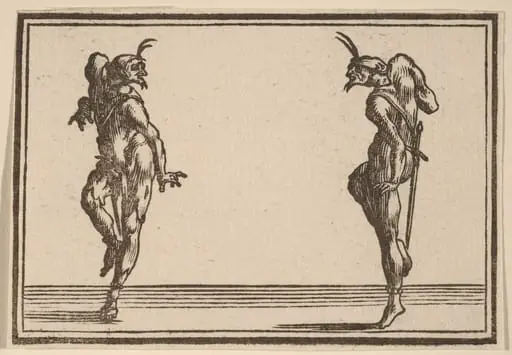
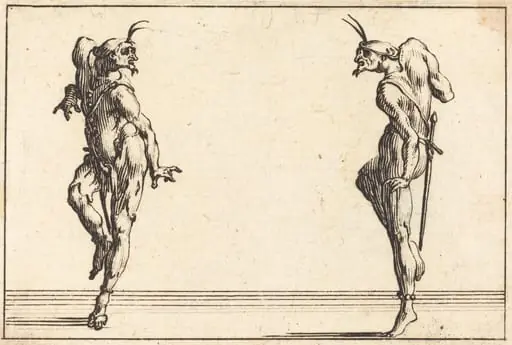
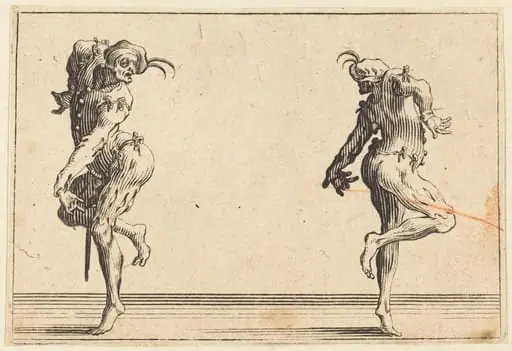
Two Pantaloons Dancing is an ink print by the Baroque artist Jacques Callot. It dates from 1617 and is held in the collection of the National Gallery of Art.
About this work
Overview
Created around 1617 by Jacques Callot, this etching on laid paper depicts two figures in exaggerated comic attire engaged in dance. As one of over 1,400 prints produced by the Lorrainer artist, it exemplifies his focus on popular and theatrical subjects. The work belongs to a broader tradition of 17th-century printmaking that valued observation of everyday life, rendered with precision and wit.
Subject & Meaning
The figures are pantaloons—stock characters from Italian commedia dell’arte—wearing oversized trousers and whimsical hats.
The figures are pantaloons—stock characters from Italian commedia dell’arte—wearing oversized trousers and whimsical hats. Their animated postures suggest lively movement, capturing the physical humor associated with these theatrical roles. Callot’s choice of subject reflects contemporary fascination with folk performance and masked comedy, presenting entertainment as both spectacle and social commentary.
Technique & Style
Callot employed fine, controlled etching lines to define the figures’ drapery and facial expressions with remarkable clarity. The simplicity of the line work conveys energy and rhythm, while subtle cross-hatching suggests texture in fabric and shadow. His mastery of the medium allowed for intricate detail without visual clutter, emphasizing gesture and form over elaborate backgrounds.
History & Provenance
The print was made during Callot’s early career, likely in Nancy or Paris, when he was developing his reputation for genre scenes. It circulated among collectors and artists familiar with Northern European print traditions. While its exact early ownership is undocumented, it aligns with the widespread dissemination of his works across Europe in the decades following its creation.
Context
In early 17th-century Europe, etching emerged as a favored medium for documenting social life beyond courtly portraiture. Callot’s depictions of clowns, soldiers, and street performers responded to growing public interest in vernacular culture. This print reflects the influence of Italian theater and the rise of print as a tool for recording popular entertainment across social classes.
Legacy
Callot’s precise etching technique and focus on everyday subjects influenced generations of printmakers, including Rembrandt and Goya. *Two Pantaloons Dancing* remains a representative example of how printmaking could elevate transient, humorous moments into enduring visual records. His work helped establish the genre scene as a legitimate subject in fine art.
Artist & collection
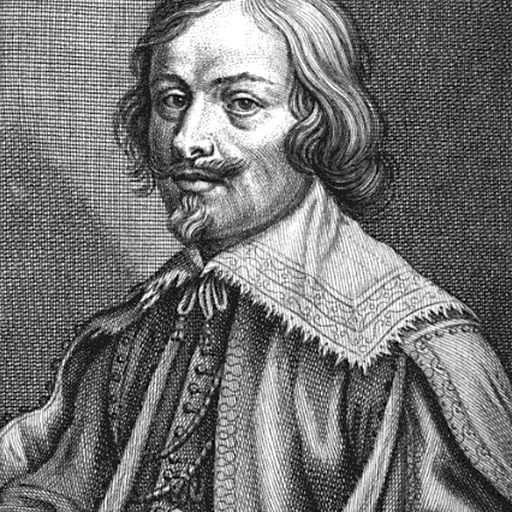
Artist
Jacques Callot was a baroque printmaker and draftsman from the Duchy of Lorraine.

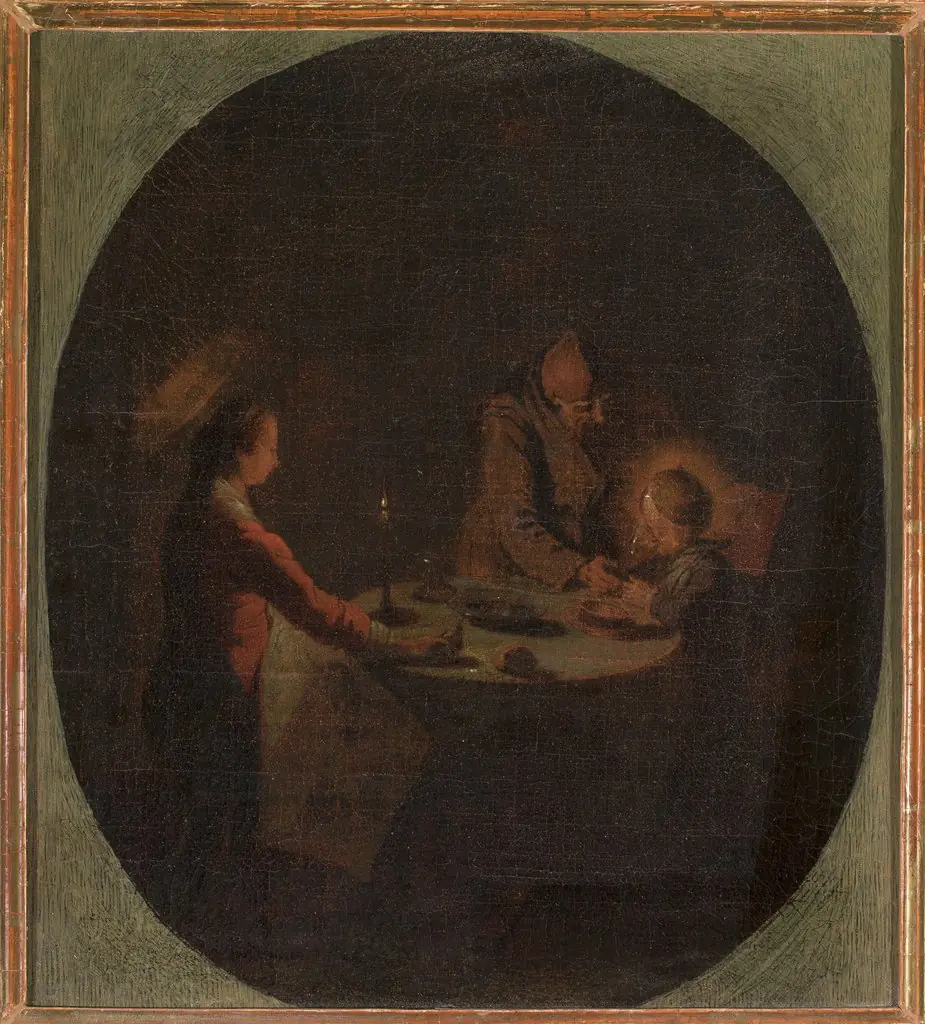 Holy Family at supper
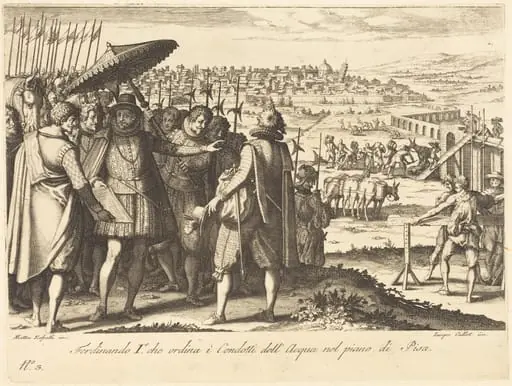 Restoration of the Aqueduct at Pisa
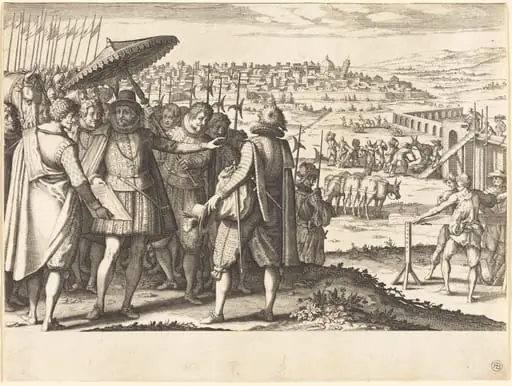 Restoration of the Aqueduct at Pisa
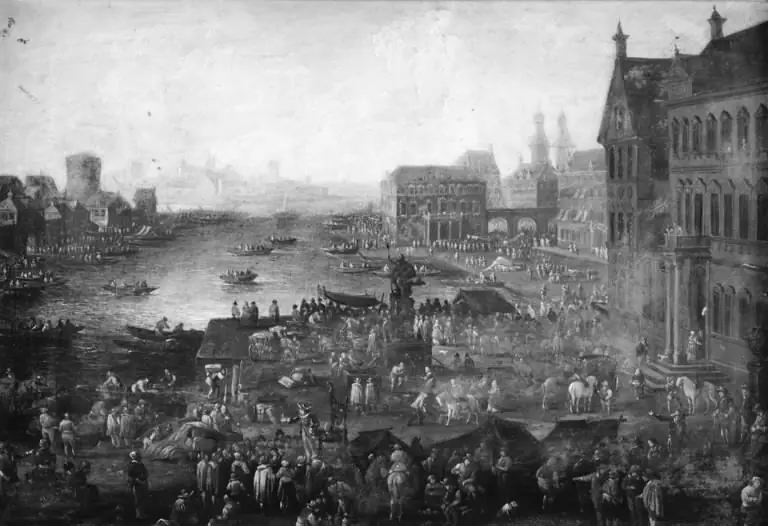 Square in Paris with Many Figures
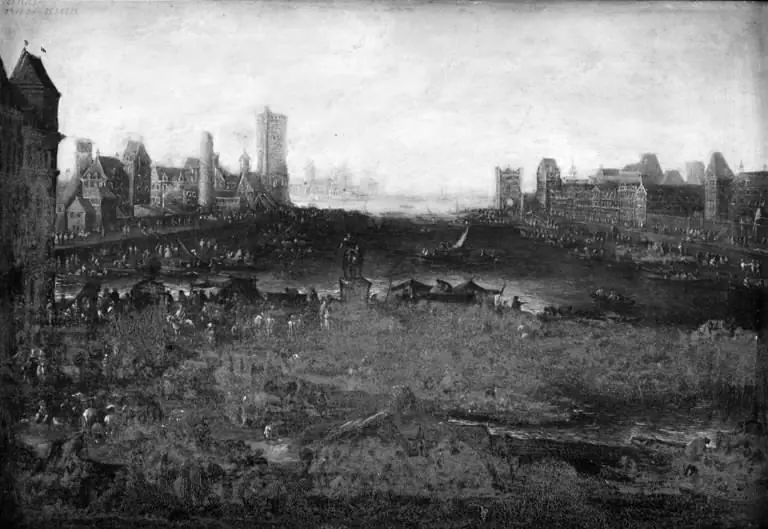 Square in Paris with Many Figures
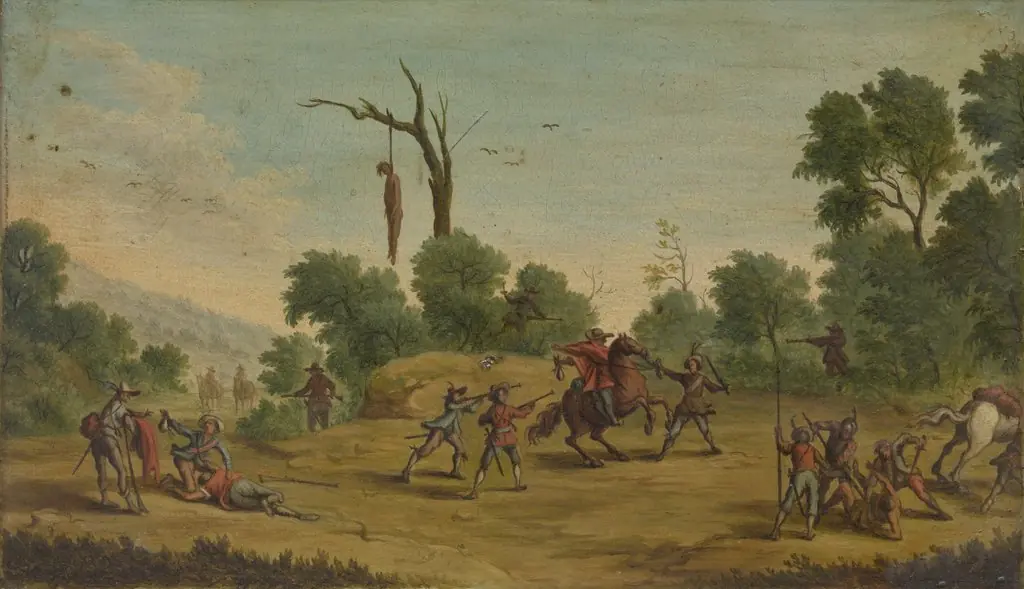 Horsemen Attacked by Robbers
 HOW WILL A COVERED PART BE CORRECTED?HOW WIKA A COVERED HEART DEED CORRECTED?
![Christ Walking on the Water [second plate], by Jacques Callot](https://artifactworldgallery.com/img/jacques-callot--christ-walking-on-the-water-second-plate--2069f3bfe4cb2126-w320.webp) Christ Walking on the Water [second plate]
Christ Walking on the Water [second plate]