Artwork
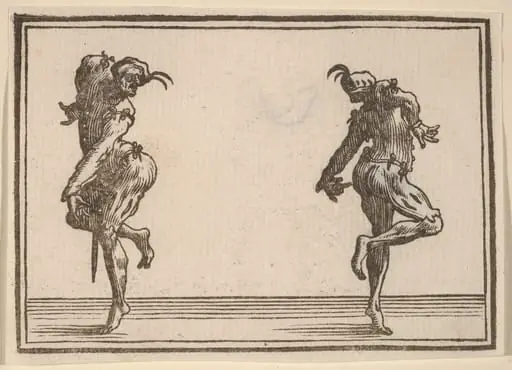
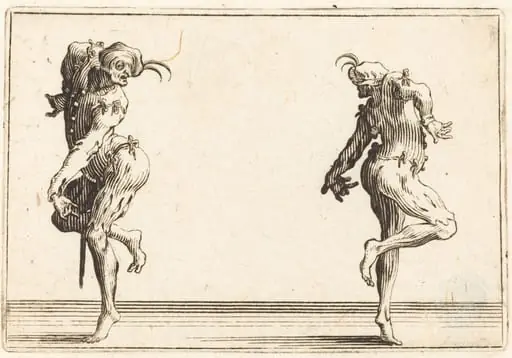
Two Pantaloons Dancing
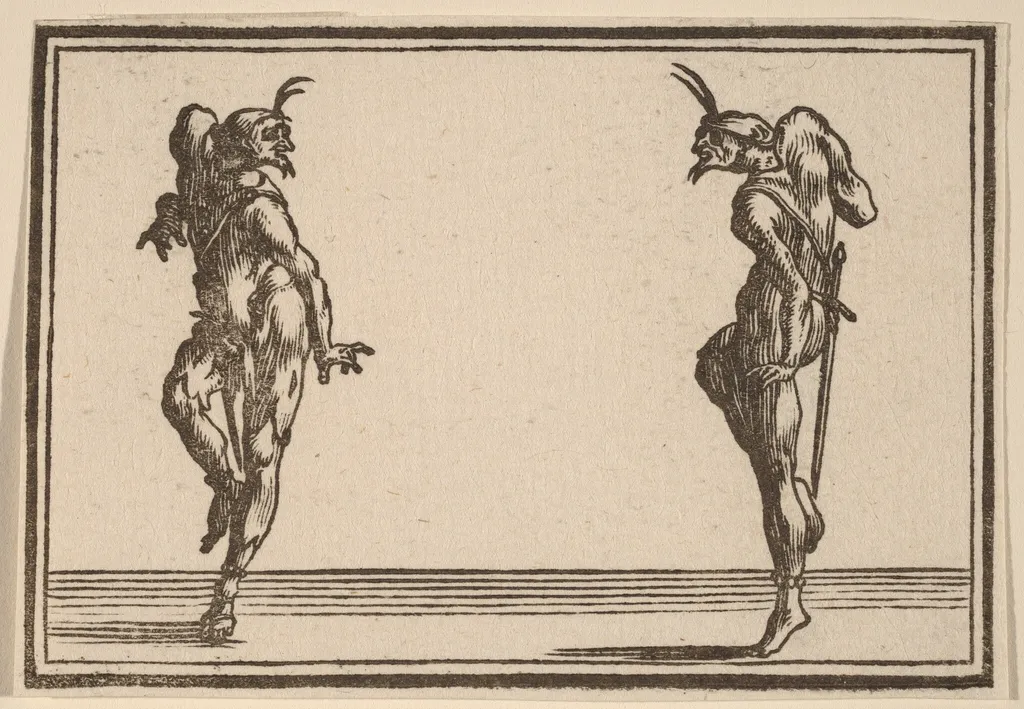
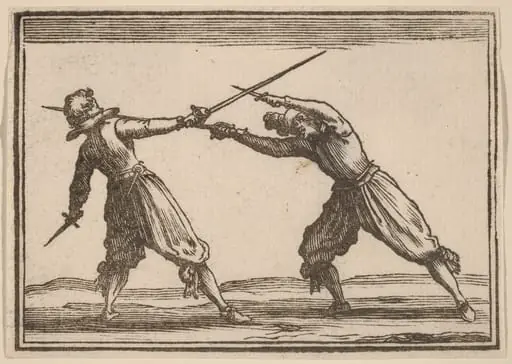
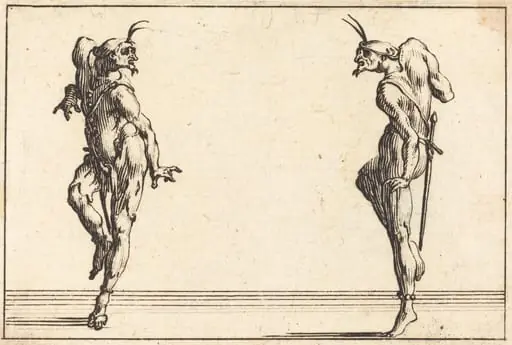
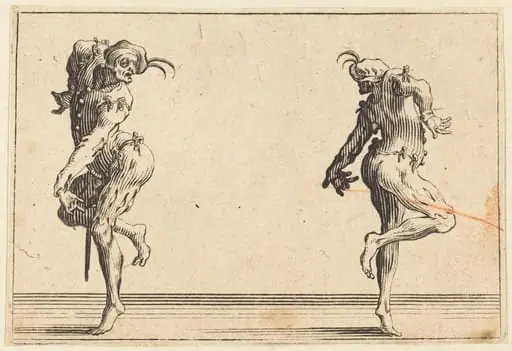
Two Pantaloons Dancing is an ink print by the Baroque artist Edouard Eckman. It dates from 1621 and is held in the collection of the National Gallery of Art. Two Pantaloids Dancing, executed in 1621, is a woodcut print that depicts a pair of figures in exaggerated breeches and oversized headgear.
About this work
Overview
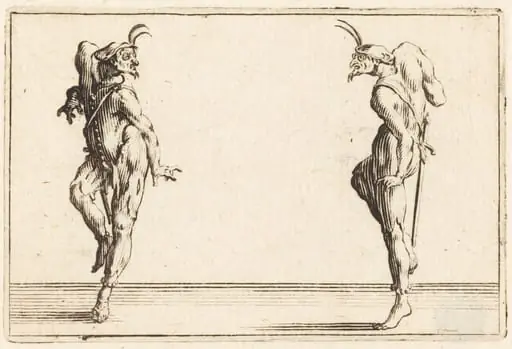
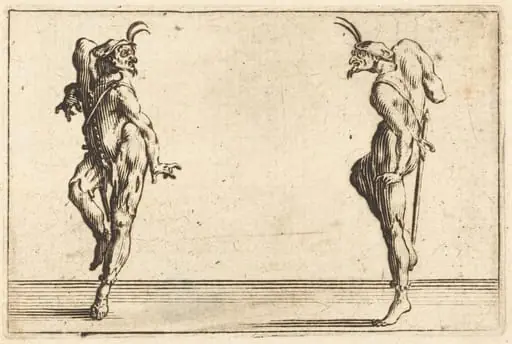
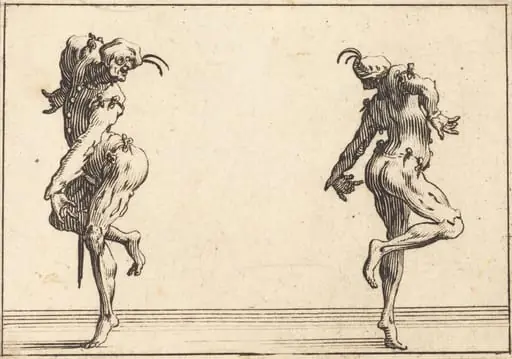
Two Pantaloids Dancing, executed in 1621, is a woodcut print that depicts a pair of figures in exaggerated breeches and oversized headgear. The composition is rendered in bold, linear carving, emphasizing the lively posture of the dancers and the playful interaction between the two characters.
Subject & Meaning
The image presents two men in flamboyant pantaloons, their garments rendered with careful attention to the drapery and the folds of the fabric. Their facial expressions, rendered in simple yet expressive lines, convey a light‑hearted, possibly satirical tone, reflecting contemporary humor about fashion and social affectations.
Technique & Style
Created by carving a design into a block of wood and printing it onto laid paper, the work relies on stark contrasts between black ink and the white support. The artist employs a limited line vocabulary, using bold outlines and minimal shading to suggest movement and texture, characteristic of early 17th‑century European woodcut aesthetics.
History & Provenance
The print is attributed to the German engraver Edouard Eckman, active in the early 1600s. Produced during a period when woodcut remained a popular medium for disseminating humorous and didactic images, the piece likely circulated as part of a series of comic prints intended for a broad audience.
Artist & collection