Artwork
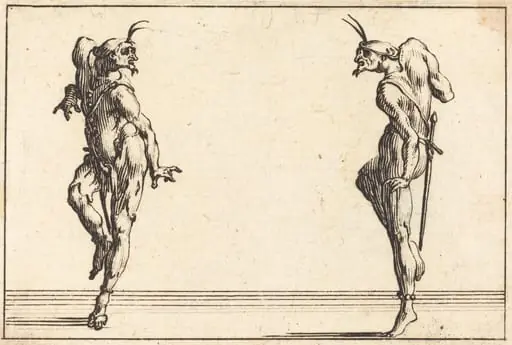
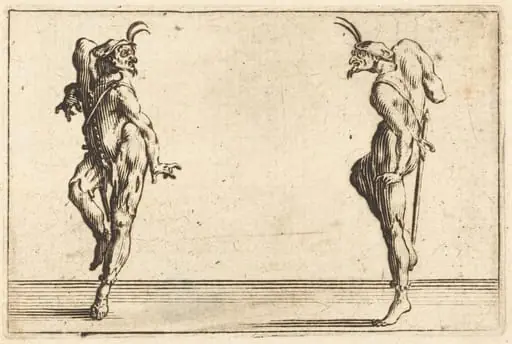
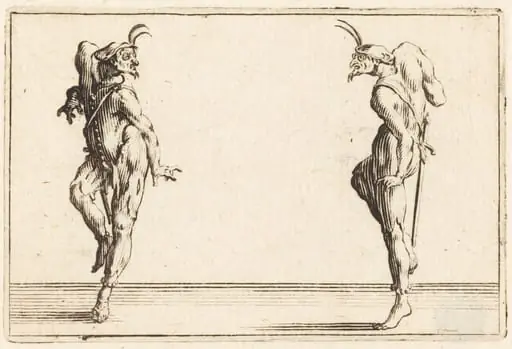
Two Pantaloons Dancing
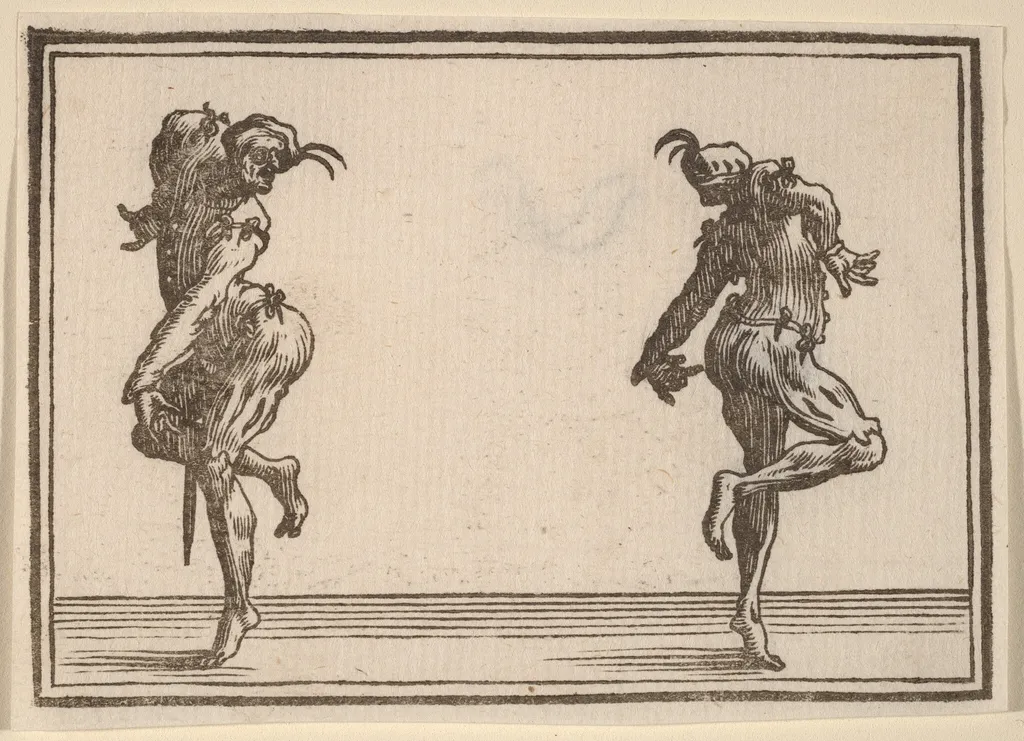
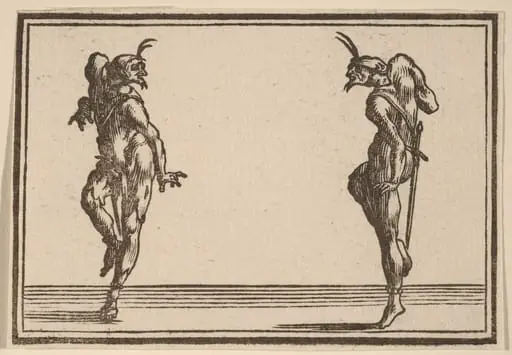
Two Pantaloons Dancing is an ink print by the Baroque artist Edouard Eckman. It dates from 1621 and is held in the collection of the National Gallery of Art.
About this work
Overview
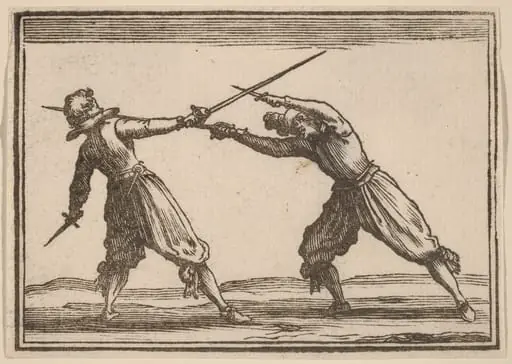
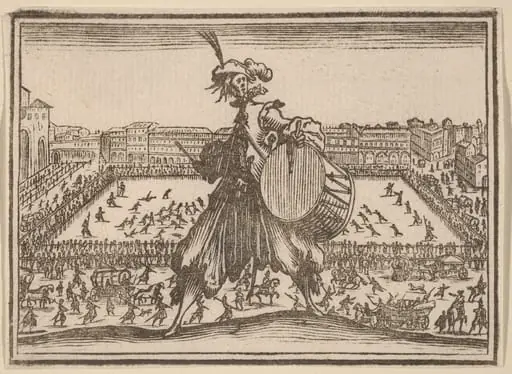
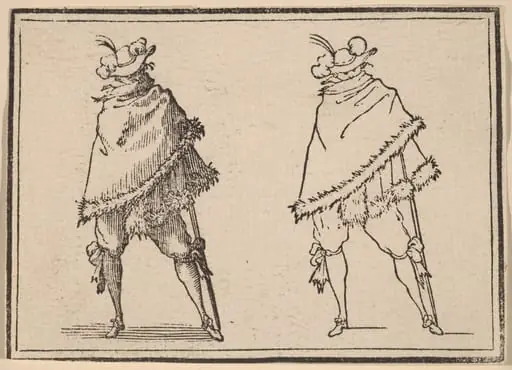
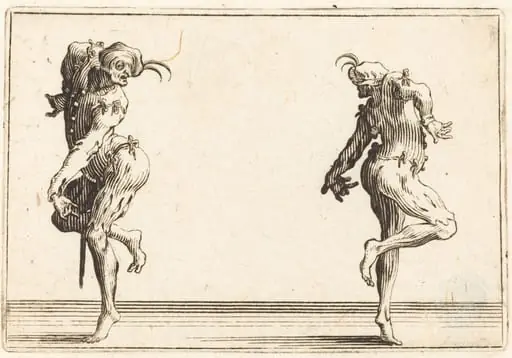
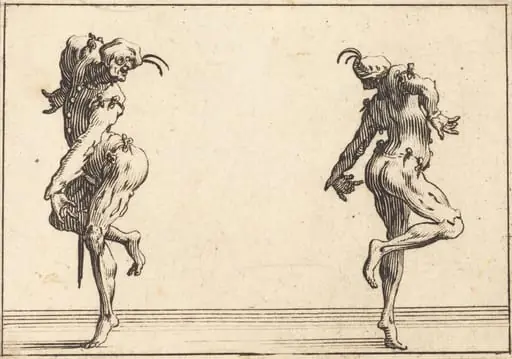
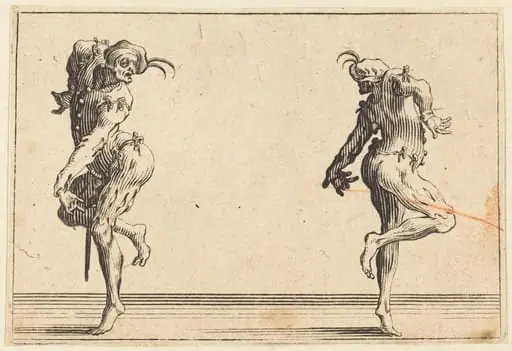
Two Pantaloons Dancing is a small woodcut print created by Edouard Eckman in 1621. The work depicts two men, dressed in loose, comedic attire, dancing in a circular motion.
Subject & Meaning
The subject focuses on the lively, humorous scene of two pantaloons (characters known for comedic roles) dancing with energetic gestures, including wobbling hats and high-kicking knees. The artwork's meaning may lie in its portrayal of carefree joy or theatrical humor.
Technique & Style
Executed as a woodcut, the print features sharp, scratchy lines reminiscent of rapid sketching. This technique involves applying ink to raised surfaces of a wood block, which is then pressed onto paper to produce the image.
History & Provenance
One of only two known surviving works by Edouard Eckman, Two Pantaloons Dancing was created when the artist was just one year old, before his demise. The other known work is a portrait of a man holding a glove.
Context
Given the artist's extremely brief career due to his early death at age one, contextualizing the work is challenging. However, the subject matter suggests a connection to theatrical or folkloric influences prevalent during the early 17th century.
Legacy
Due to the artist's singular and brief output, the legacy of Two Pantaloons Dancing is more a curiosity of art historical anomaly than a influential work in the broader development of printmaking or art movements.
Artist & collection