Artwork
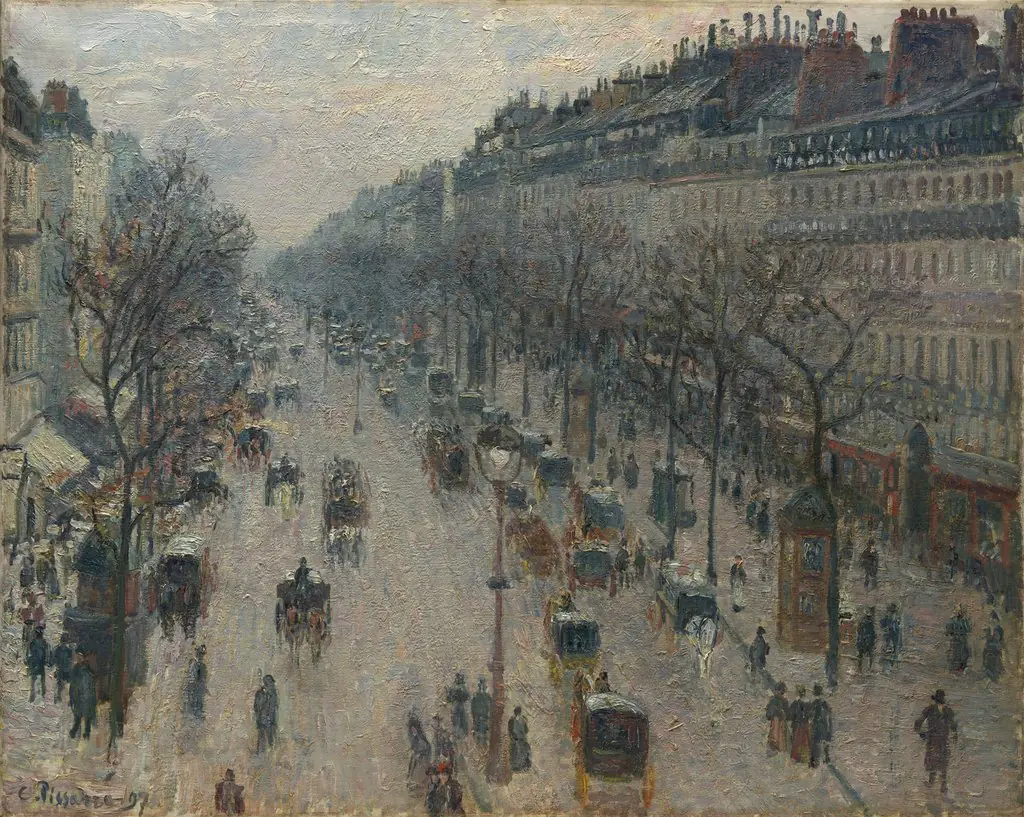
Boulevard Montmartre, sunny afternoon
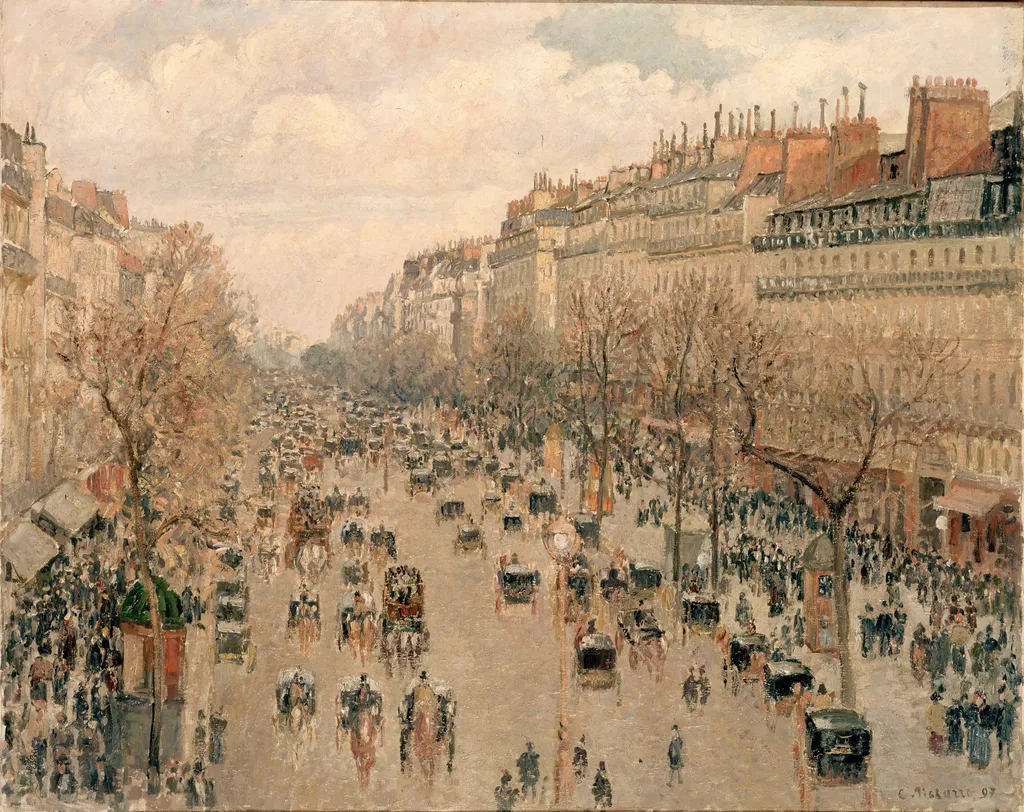
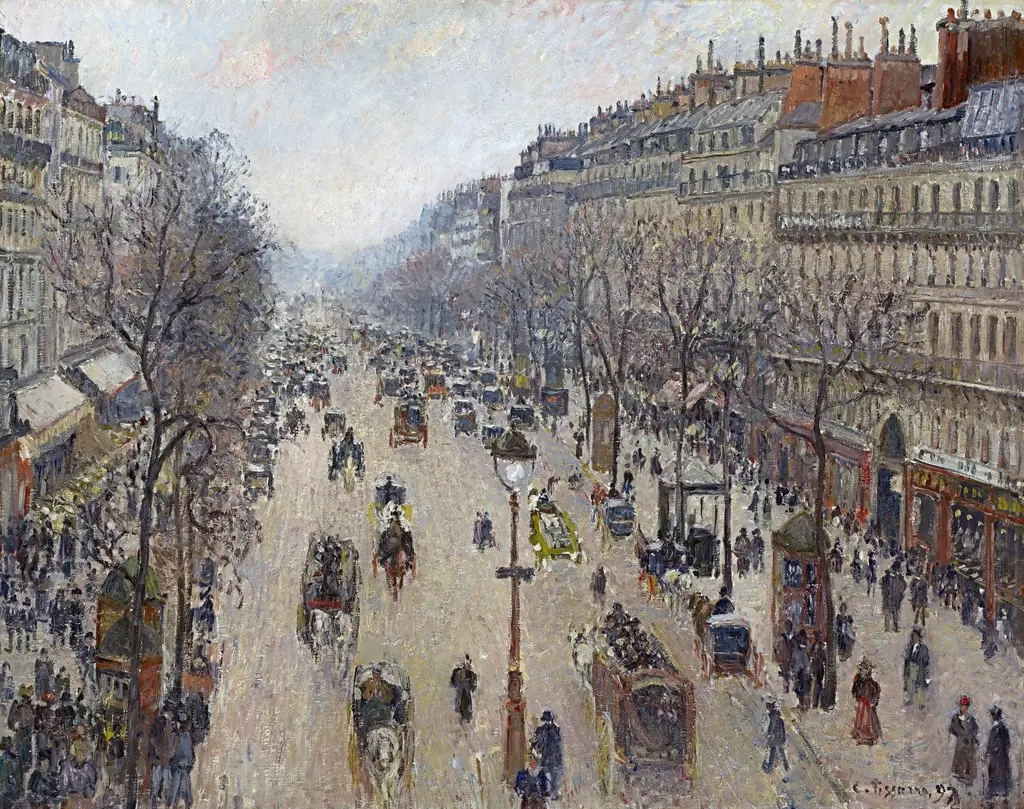
Boulevard Montmartre, sunny afternoon is an oil painting by the Impressionist artist Camille Pissarro. It dates from 1899 and is held in the collection of the Hermitage Museum.
About this work
Overview
The canvas presents a wide street flanked by tall, window‑lined buildings and a row of leafless trees that bisect the avenue.
Camille Pissarro’s 1899 oil painting titled *Boulevard Montmartre, sunny afternoon* captures a lively Parisian thoroughfare. The canvas presents a wide street flanked by tall, window‑lined buildings and a row of leafless trees that bisect the avenue. Pedestrians, horse‑drawn carriages, and idle figures populate the scene beneath a pale sky dotted with soft clouds, conveying the rhythm of urban life in the late nineteenth century.
Subject & Meaning
The work records a moment of everyday activity on one of Paris’s most famous boulevards, emphasizing the flow of people and traffic that defined modern city life. By focusing on ordinary commuters rather than grand historical events, Pissarro underscores the democratizing impulse of Impressionism, inviting viewers to observe the transient qualities of light, movement, and social interaction.
Technique & Style
Executed in oil with a pronounced impasto, the painting features thick, tactile brushstrokes that give texture to the architecture and street surface. Pissarro’s palette is restrained, dominated by earthy browns, muted greens, and grays, while the soft, diffused sky lightens the overall tone. The handling reflects his late‑career synthesis of Impressionist observation with the more structured approach he later explored in Neo‑Impressionism.
History & Provenance
Created toward the end of Pissarro’s long career, the canvas belongs to a series of Montmartre views he painted after returning to France from a period of exile. The artist, born in 1830 on Saint Thomas, had earlier studied with Gustave Courbet and Jean‑Baptiste‑Camille Corot, and later collaborated with Georges Seurat and Paul Signac, influencing his evolving technique.
Context
The painting emerges from a period when Paris was undergoing rapid modernization, with boulevards like Montmartre becoming symbols of the city’s new urban identity. Pissarro’s focus on the boulevard aligns with contemporary interests in depicting contemporary life, a hallmark of both Impressionist and emerging Neo‑Impressionist practices.
Legacy
*Boulevard Montmartre, sunny afternoon* illustrates Pissarro’s transition from pure Impressionism toward a more structured, pointillist‑inspired approach, marking an important moment in the evolution of modern French painting. The work continues to be referenced in studies of urban representation and the development of texture through impasto in late nineteenth‑century art.
Own this work as a print
Artist & collection
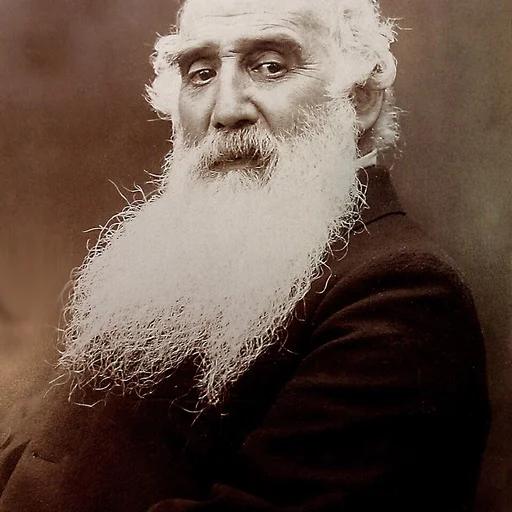
Artist
Jacob Abraham Camille Pissarro ( piss-AR-oh; French: ; 10 July 1830 – 13 November 1903) was a Danish-French Impressionist and Neo-Impressionist painter born on the island of Saint Thomas (now in the US Virgin Islands, but then in the…