Artwork
Boulevard Montmartre
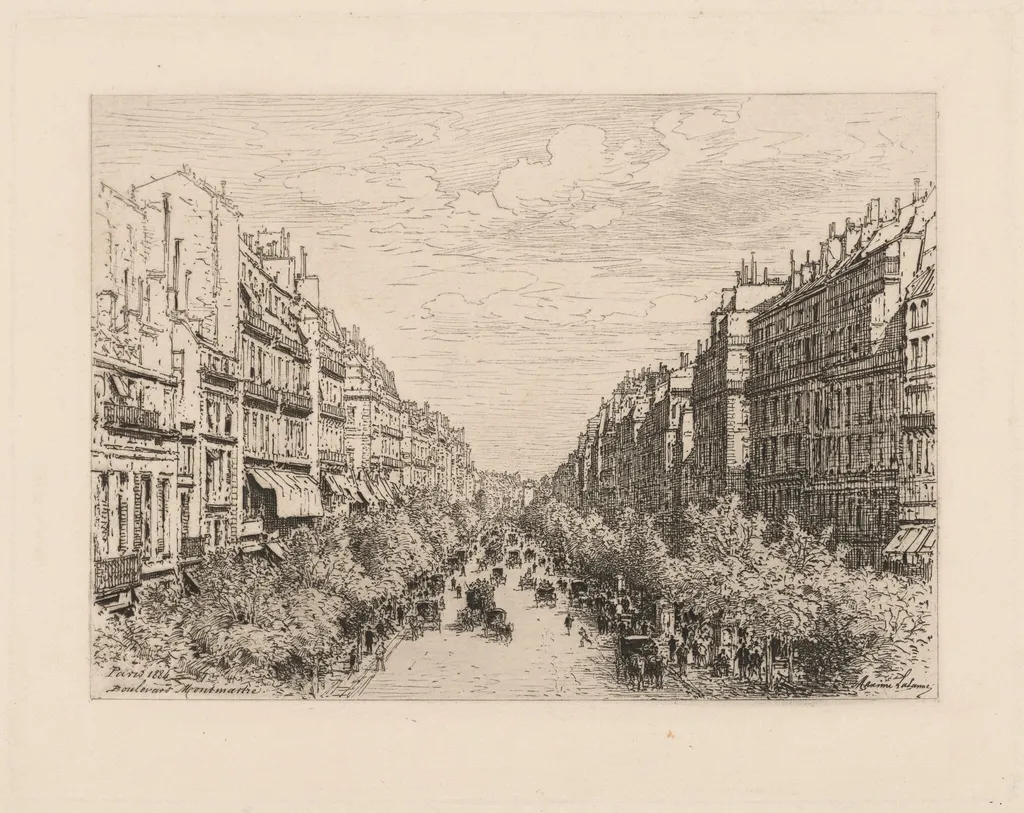
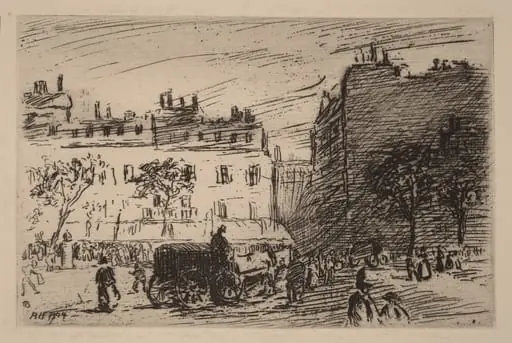
Boulevard Montmartre is an ink print by the Impressionist artist Maxime Lalanne. It dates from 1884 and is held in the collection of the National Gallery of Art.
About this work
Overview
Created in 1884 by French artist Maxime Lalanne, *Boulevard Montmartre* is an etching on laid paper that captures a bustling urban thoroughfare in Paris.
Created in 1884 by French artist Maxime Lalanne, *Boulevard Montmartre* is an etching on laid paper that captures a bustling urban thoroughfare in Paris. The work is part of the National Gallery of Art’s collection in Washington, D.C., and exemplifies Lalanne’s mastery of printmaking. Its detailed composition reflects the rhythm of city life in the late 19th century, rendered through precise line work and tonal contrasts.
Subject & Meaning
The scene depicts Boulevard Montmartre at midday, alive with pedestrians, horse-drawn carriages, and urban architecture. Figures are scattered along the sidewalks, some paused in conversation, others in motion. The trees and lampposts dividing the road suggest order amid chaos, while the layered facades of buildings imply density and social activity. The image conveys the quiet energy of daily life rather than spectacle.
Technique & Style
Lalanne employed etching to achieve fine, controlled lines that define architecture, movement, and texture. The use of laid paper enhanced the print’s subtle grain, complementing the delicate hatching and cross-hatching that model light and shadow. His approach avoids bold strokes, favoring nuanced gradations to suggest depth and atmosphere, giving the scene a sense of immediacy without theatricality.
History & Provenance
The print was produced during a period when Lalanne was actively engaged in documenting Parisian streetscapes. It entered the National Gallery of Art’s collection through established acquisition channels, likely as part of a broader effort to preserve 19th-century French graphic art. Its provenance remains unbroken since its creation, with no record of significant ownership changes.
Context
In the 1880s, Paris was undergoing modernization, and artists increasingly turned to urban subjects. Lalanne’s etching aligns with a tradition of topographical printmaking that valued observation over idealization. Unlike Impressionist paintings of the same streets, this work emphasizes structure and detail, reflecting the printmaker’s interest in precision and the quiet rhythms of the city.
Legacy
Lalanne’s *Boulevard Montmartre* remains a representative example of French etching from the late 19th century. While not widely exhibited, it is studied for its technical discipline and its quiet documentation of urban life. The work contributes to the understanding of printmaking as a medium for social observation, distinct from the more expressive tendencies of contemporary painting.
Artist & collection
Artist
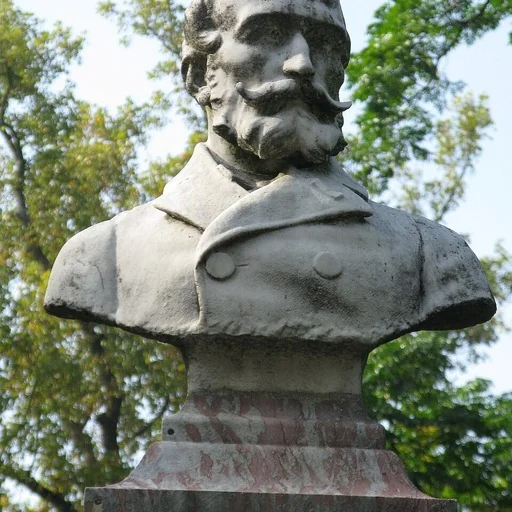
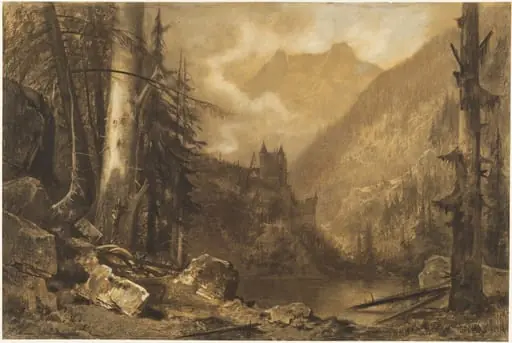
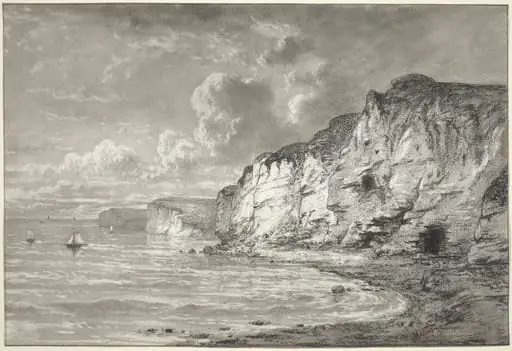
François Antoine Maxime Lalanne (November 27, 1827 – July 29, 1886) was a French artist known for his etchings and charcoal drawings (fusain).

 Paris Street Scene
 Quay Montebello
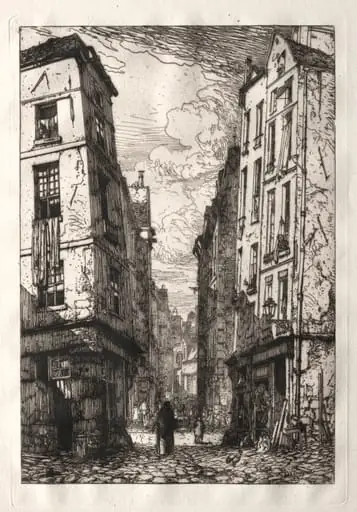 Rue des Marmousets (Old Paris)
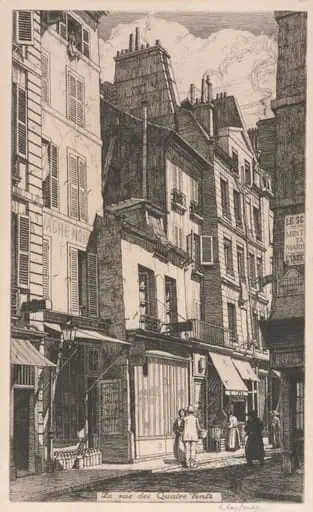 La rue des Quatre Vents
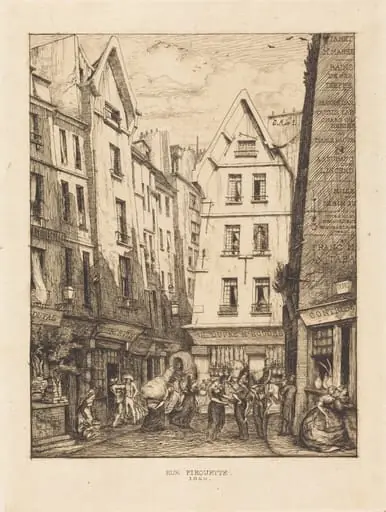 La Rue Pirouette aux halles, Paris (Pirouette Street, Near the Markets, Paris)
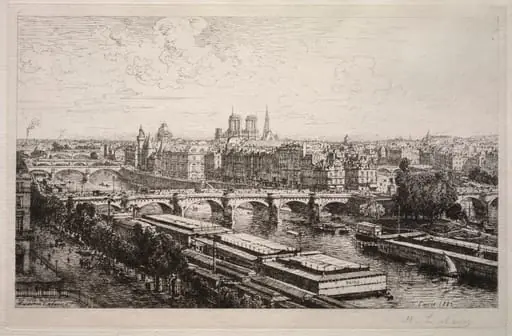 View from the Louvre
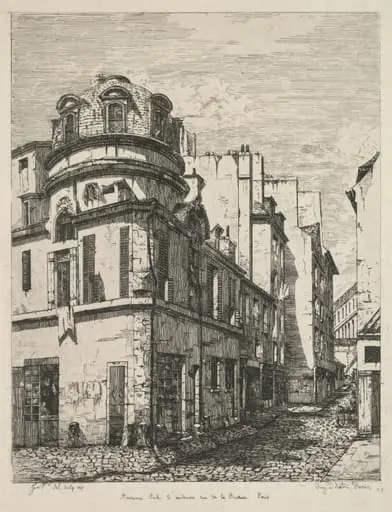 Eaux-Fortes sur le Vieux Paris: Ancienne école de médecine rue de la Bûcherie (Etchings of Old Paris: Former Medical School, rue de la Bucherie)
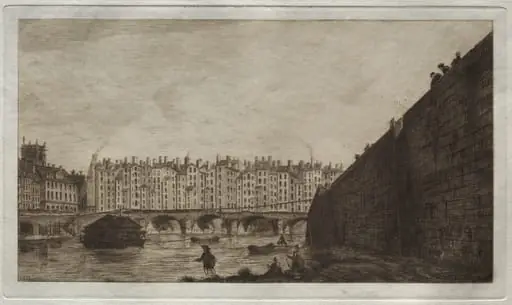 Le Pont-au-change, Paris, vers 1784
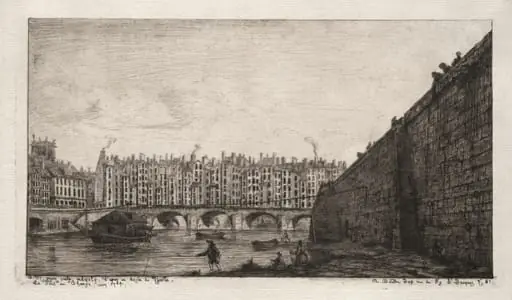 The Exchange Bridge, Paris, about 1784
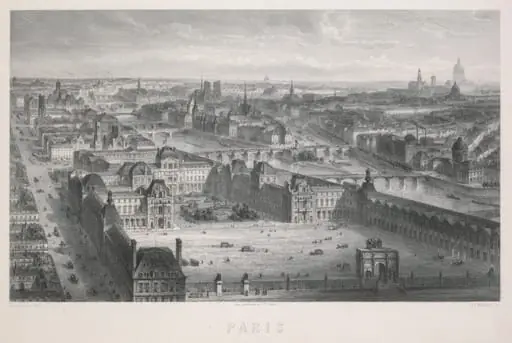 Paris
Paris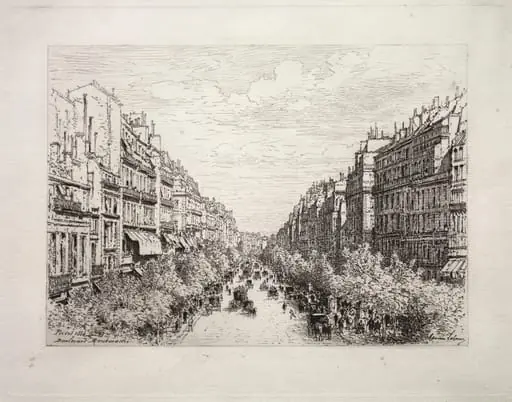 Boulevard Montmartre