Artwork
The Lock at Pontoise
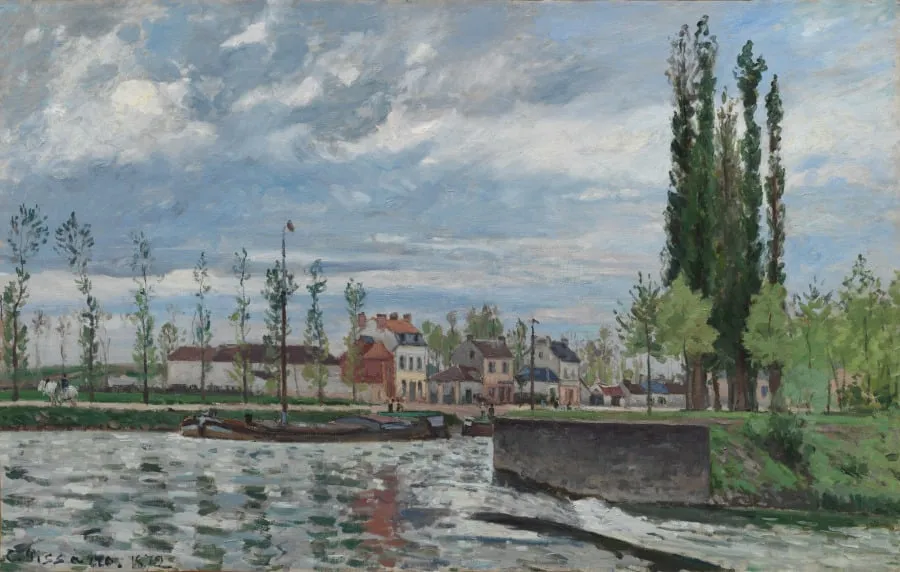
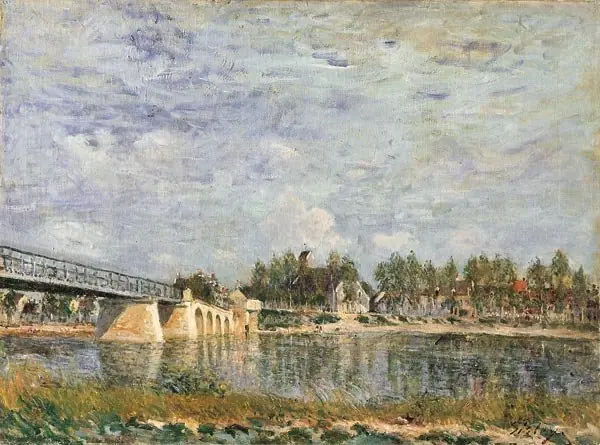
The Lock at Pontoise is an unspecified painting by the Impressionist artist Camille Pissarro. It dates from 1872 and is held in the collection of the Cleveland Museum of Art.
About this work
Overview
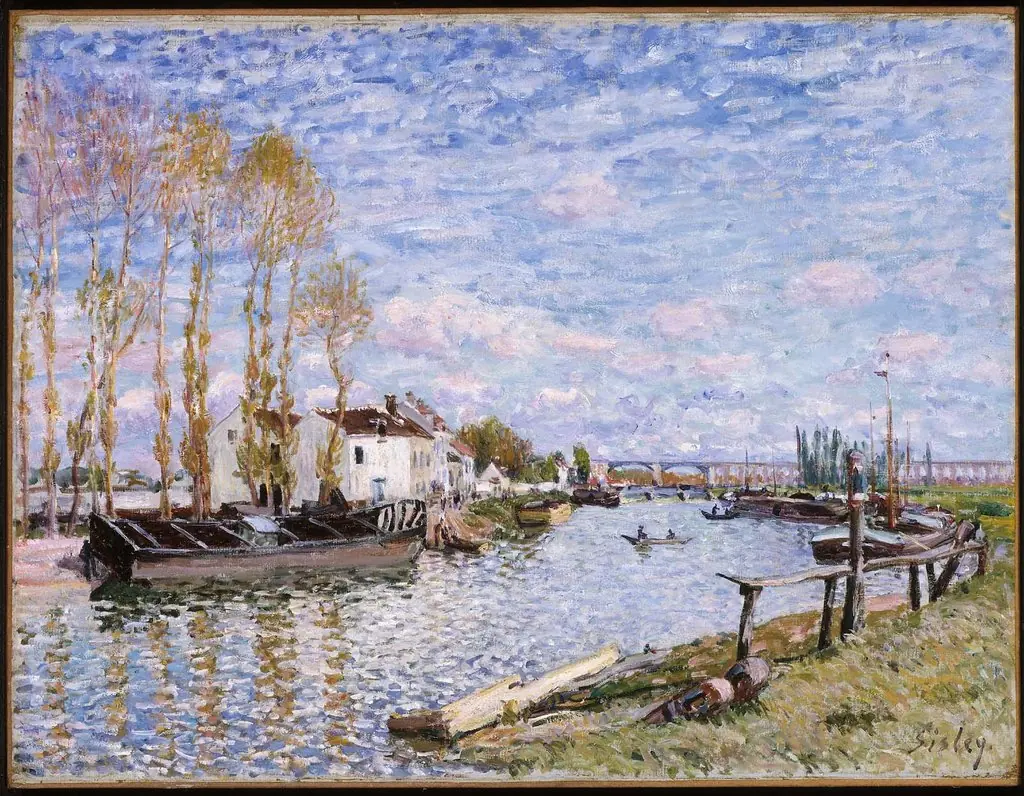
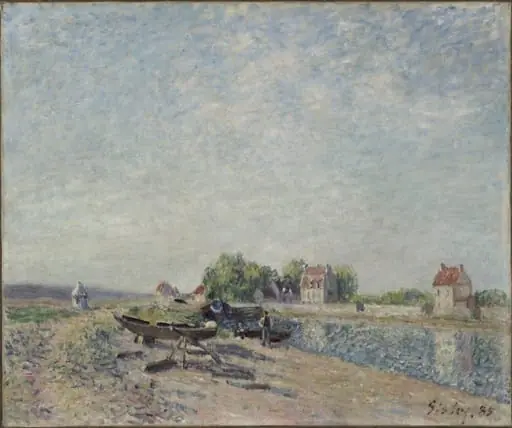
Camille Pissarro’s canvas captures a river lock near his home in Pontoise, a small town northwest of Paris. The scene is set on an overcast day, with water churning beneath a heavy sky. The painting conveys the immediacy of the moment, presenting a fleeting glimpse of light and atmosphere as they shift across the surface.
Subject & Meaning
The composition focuses on the mechanical structure of the lock and the turbulent water it controls, juxtaposed with a muted sky. By emphasizing the movement of water and the subdued tonalities of a cloudy day, the work reflects the everyday labor of rural life while also suggesting the broader relationship between human engineering and natural forces.
Technique & Style
Executed directly on canvas without a preparatory drawing, the piece relies on rapid, fragmented brushstrokes of unmixed pigment. This approach allows color to remain pure, creating a shimmering effect that mimics the play of natural light on moving water. The method aligns with the Impressionist aim of capturing transient visual impressions in a single, swift sitting.
History & Provenance
Created in the early 1870s, the painting emerged during Pissarro’s formative years when he was pioneering outdoor, plein‑air practice. It likely remained in the artist’s possession before entering private collections and eventually being acquired by a public institution, though specific ownership details are limited in the surviving record.
Context
At the time, French art was moving away from studio‑bound academic conventions toward a focus on contemporary scenes and the effects of light. Pissarro’s work exemplifies this shift, situating a modest, industrial subject within a landscape rendered with the immediacy and coloristic experimentation that defined early Impressionism.
Legacy
The painting illustrates the practical application of the Impressionist technique that would influence subsequent generations of landscape painters. Its emphasis on direct observation and swift execution contributed to the broader acceptance of plein‑air painting as a legitimate artistic method, reinforcing Pissarro’s role as a key figure in the movement’s development.
Artist & collection
Artist
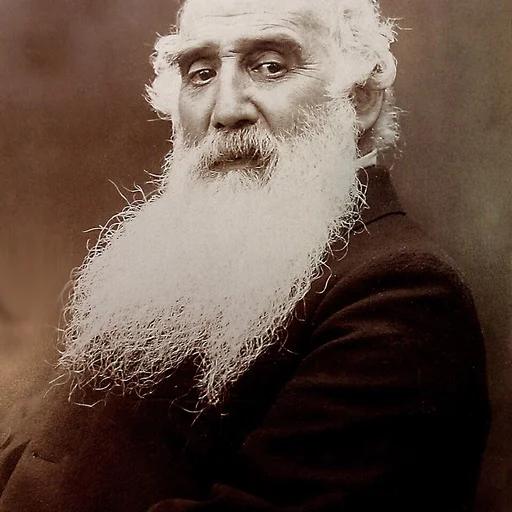
Jacob Abraham Camille Pissarro ( piss-AR-oh; French: ; 10 July 1830 – 13 November 1903) was a Danish-French Impressionist and Neo-Impressionist painter born on the island of Saint Thomas (now in the US Virgin Islands, but then in the…