Artwork
Quayside at Le Havre
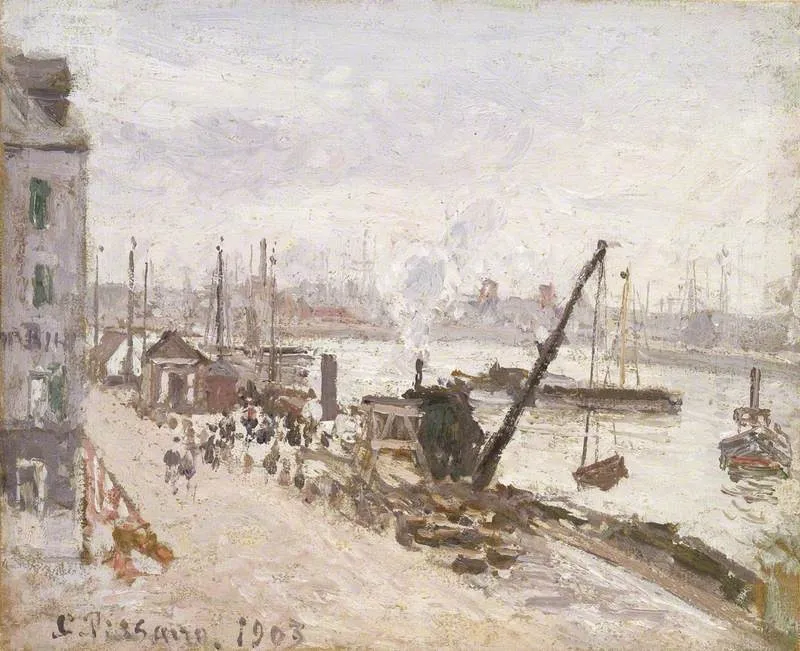
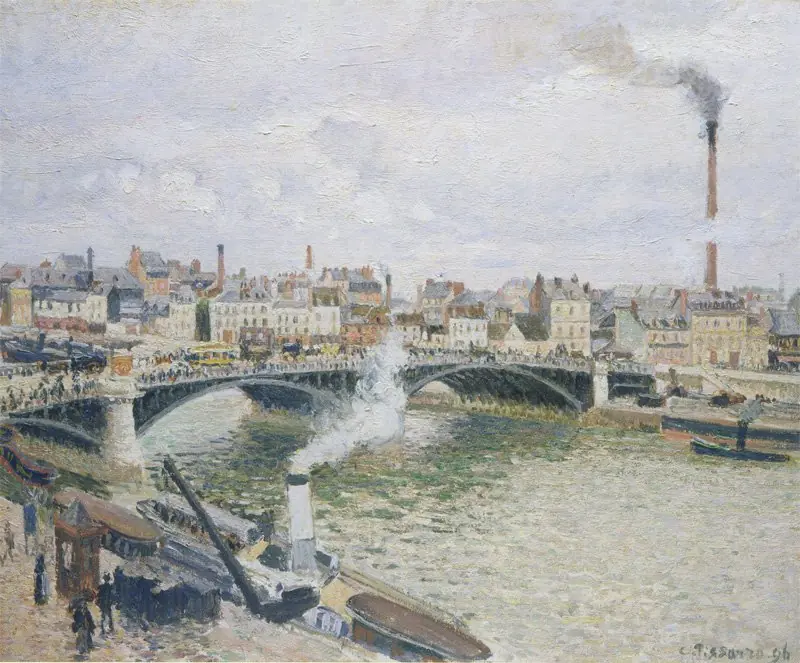
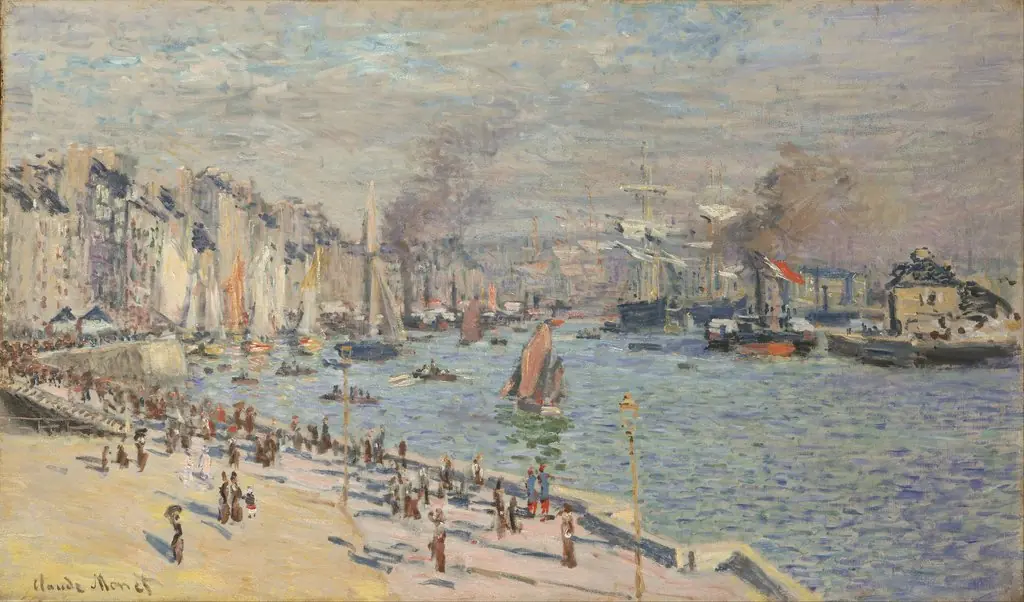
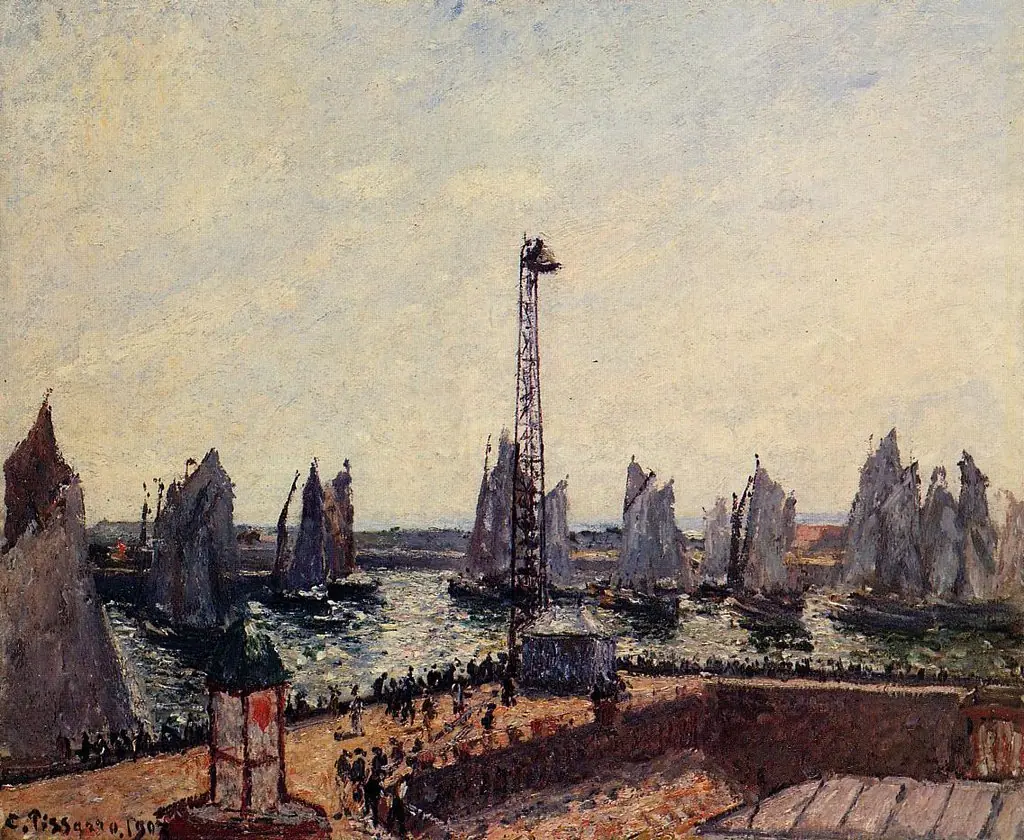
Quayside at Le Havre is an oil painting by the Impressionist artist Camille Pissarro. It dates from 1903 and is held in the collection of the Ashmolean Museum.
About this work
Overview
Painted in 1903, *Quayside at Le Havre* is an oil on canvas work by Camille Pissarro, reflecting his mature engagement with light and urban waterfront life.
Painted in 1903, *Quayside at Le Havre* is an oil on canvas work by Camille Pissarro, reflecting his mature engagement with light and urban waterfront life. Though associated with Impressionism, Pissarro had by this time absorbed elements of Neo-Impressionist technique. The painting captures a quiet moment along the harbor, emphasizing atmosphere over narrative, and exemplifies his lifelong interest in ordinary scenes rendered with observational precision.
Subject & Meaning
The scene portrays a tranquil harbor edge in Le Havre, with figures gathered near the water and moored vessels stretching into the distance. There is no dramatic event—only the quiet rhythm of daily life. Pissarro avoids idealization, presenting laborers and bystanders as part of the landscape. The composition suggests continuity between human activity and the natural environment, reinforcing a sense of unforced harmony.
Technique & Style
Pissarro applied oil paint in loose, deliberate strokes that suggest rather than define forms. Colors are subdued, with soft transitions between sky, water, and shore, avoiding sharp contrasts. The play of light on the water is rendered through broken brushwork, creating subtle shimmer without relying on traditional chiaroscuro. This method aligns with Impressionist goals of capturing transient optical effects through direct observation.
History & Provenance
Created during Pissarro’s final years, the painting reflects his continued commitment to painting en plein air despite declining health. It was likely completed in his studio from on-site sketches, as was his practice. The work remained in private collections after his death in 1903 and entered public ownership in the mid-20th century, though its early provenance remains largely undocumented.
Context
Le Havre, a major port city, was a recurring subject for Pissarro, who returned to it throughout his career. In 1903, industrialization had transformed its waterfront, yet he chose to focus on its quieter, more enduring qualities. His choice to depict this scene amid rapid modernization reflects a deliberate emphasis on continuity and calm, contrasting with the dynamism favored by some contemporaries.
Legacy
Though less celebrated than his earlier works, *Quayside at Le Havre* exemplifies Pissarro’s consistent approach to painting modern life with quiet dignity. It influenced later generations of artists who valued observational integrity over spectacle. The painting remains a quiet testament to his belief in art as a record of everyday experience, grounded in patience and perception.
Artist & collection
Artist
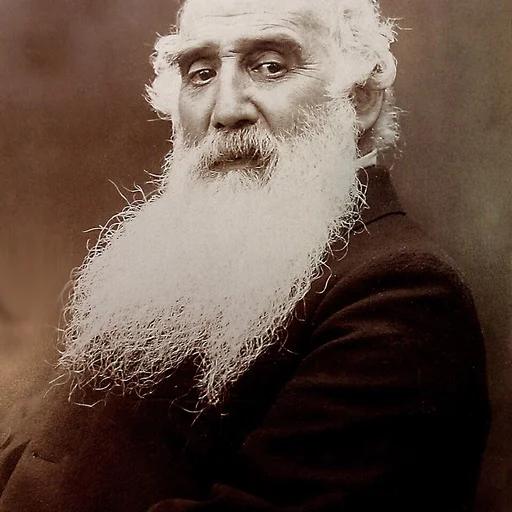
Jacob Abraham Camille Pissarro ( piss-AR-oh; French: ; 10 July 1830 – 13 November 1903) was a Danish-French Impressionist and Neo-Impressionist painter born on the island of Saint Thomas (now in the US Virgin Islands, but then in the…