Artwork
The Road to Osny at Pontoise, Hoar Frost
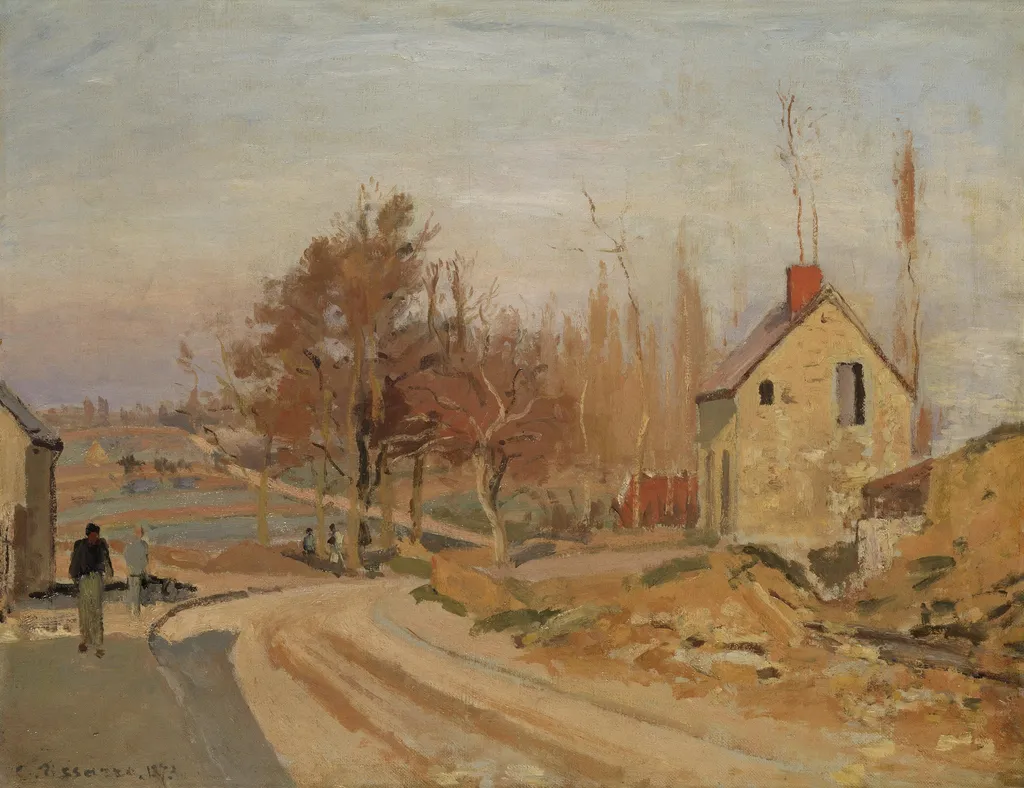
The Road to Osny at Pontoise, Hoar Frost is an oil painting by the Impressionist artist Camille Pissarro. It dates from 1873 and is held in the collection of the Foundation E.G. Bührle Collection.
About this work
Overview
It reflects his commitment to depicting ordinary rural life under changing weather and light conditions, a central concern of the Impressionist circle.
Painted in 1873, *The Road to Osny at Pontoise, Hoar Frost* is an oil-on-canvas landscape by Camille Pissarro, capturing a quiet winter scene near his home in Pontoise. The work belongs to his early Impressionist phase, before his later engagement with pointillism. It reflects his commitment to depicting ordinary rural life under changing weather and light conditions, a central concern of the Impressionist circle.
Subject & Meaning
The painting portrays a frost-covered road leading toward the village of Osny, flanked by bare trees and undulating fields. A handful of figures—likely local laborers or villagers—move along the path, their presence subtle and unembellished. The scene conveys stillness and solitude, emphasizing the quiet rhythm of rural existence in winter, without romanticizing or dramatizing it.
Technique & Style
Pissarro applied oil paint with loose, deliberate brushwork that suggests texture without defining it rigidly. The muted palette of grays, browns, and beiges responds to the pale winter light, while subtle shifts in tone create depth. Visible strokes guide the eye along the road and through the landscape, capturing the transient effects of frost and overcast skies without relying on traditional chiaroscuro.
History & Provenance
Created during Pissarro’s most productive years in Pontoise, the painting was likely made in the early years of the Impressionist movement. It remained in private hands until entering the collection of Kunsthaus Zürich, where it has been held since the mid-20th century. Its provenance reflects its recognition as a representative work of Pissarro’s landscape studies from this period.
Context
In 1873, Pissarro was deeply involved with fellow artists who would soon form the Impressionist exhibitions. He rejected academic conventions, favoring direct observation of nature. This painting aligns with his belief that everyday rural scenes held artistic value. His proximity to Corot and Courbet influenced his tonal sensitivity, though he moved beyond their methods toward a more immediate, plein-air approach.
Legacy
The work exemplifies Pissarro’s foundational role in Impressionism, demonstrating how ordinary landscapes could be rendered with emotional resonance through light and texture. Though less celebrated than his later Neo-Impressionist pieces, this painting remains a key reference for understanding his evolving technique and his quiet, persistent focus on the natural world.
Own this work as a print
Artist & collection
Artist
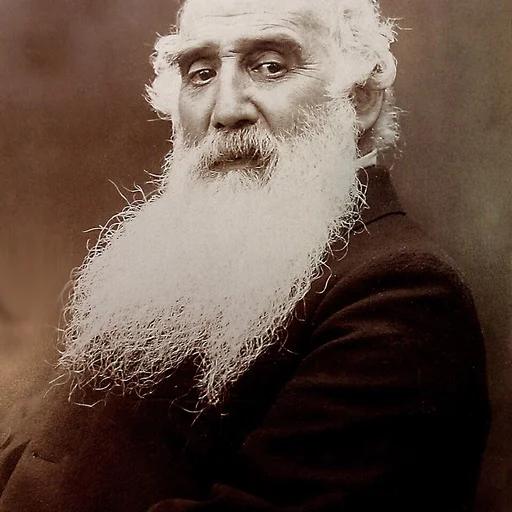
Jacob Abraham Camille Pissarro ( piss-AR-oh; French: ; 10 July 1830 – 13 November 1903) was a Danish-French Impressionist and Neo-Impressionist painter born on the island of Saint Thomas (now in the US Virgin Islands, but then in the…

 A view near Saint-Jean-de-Luz
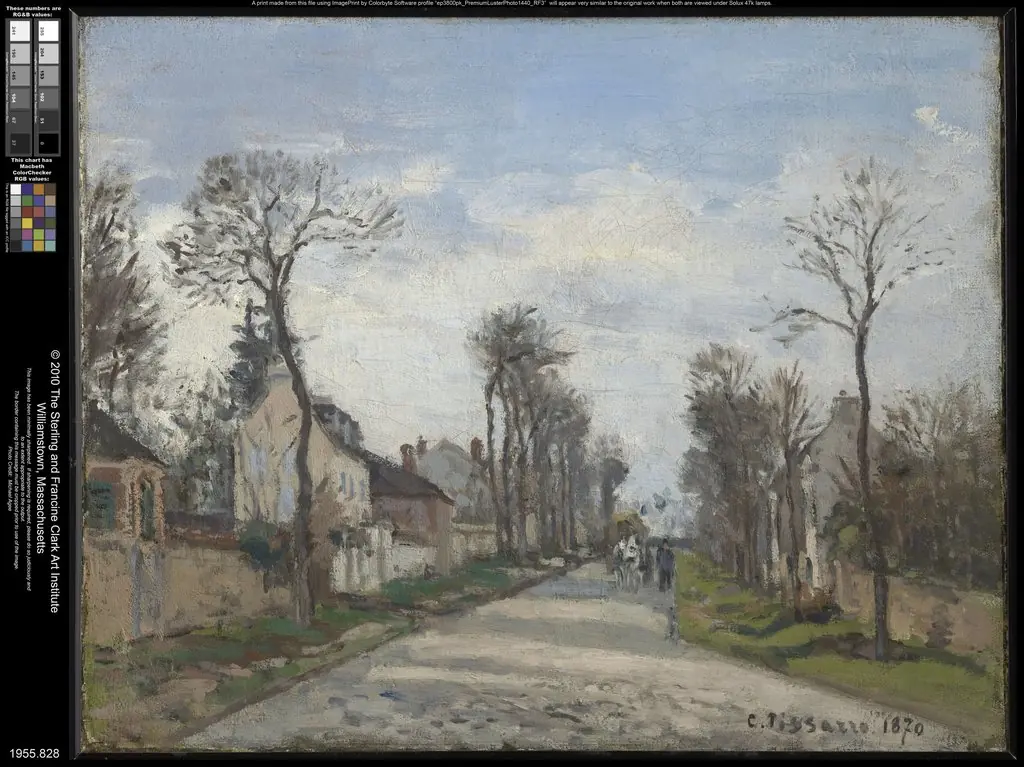 Route de Versailles, Louveciennes
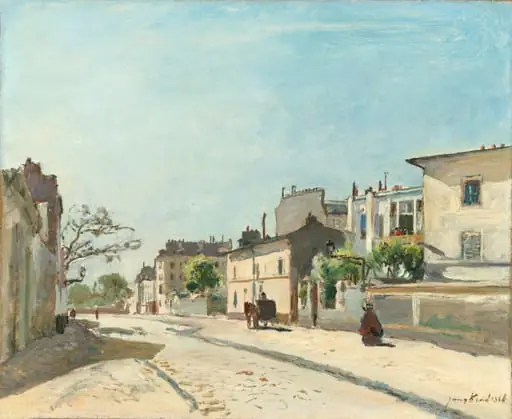 Rue Notre-Dame, Parijs
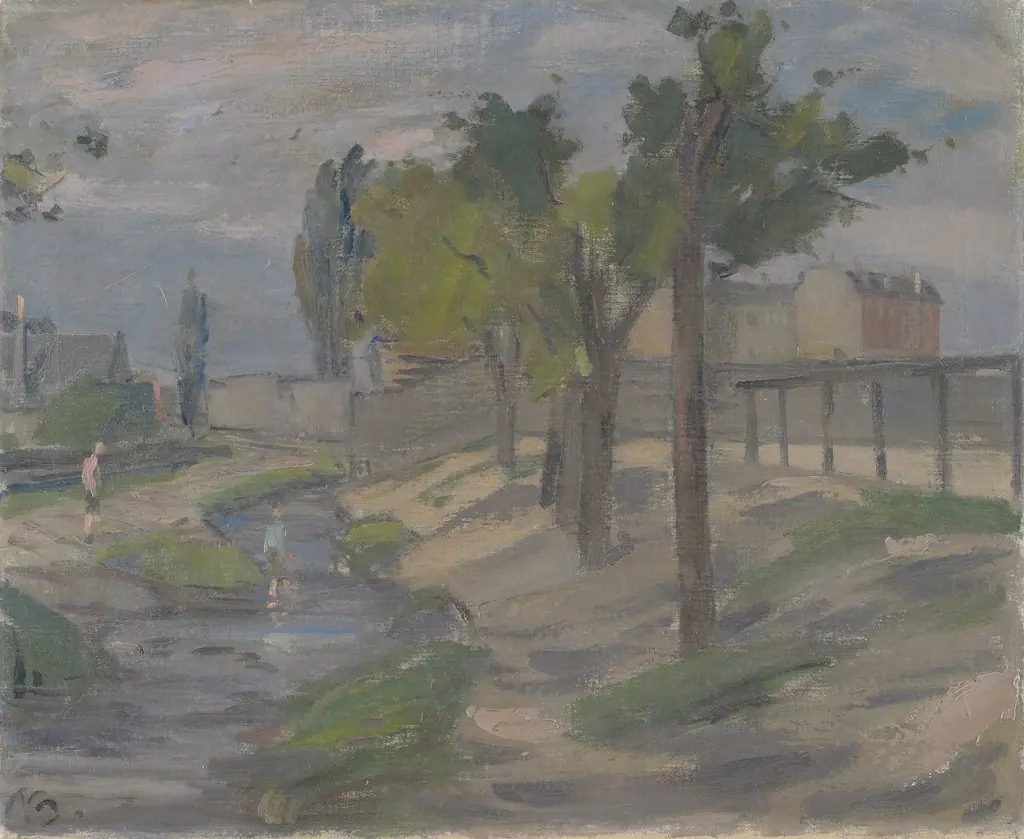 Boys Paddling in the Ladegårds Stream (?).Gables In the Background
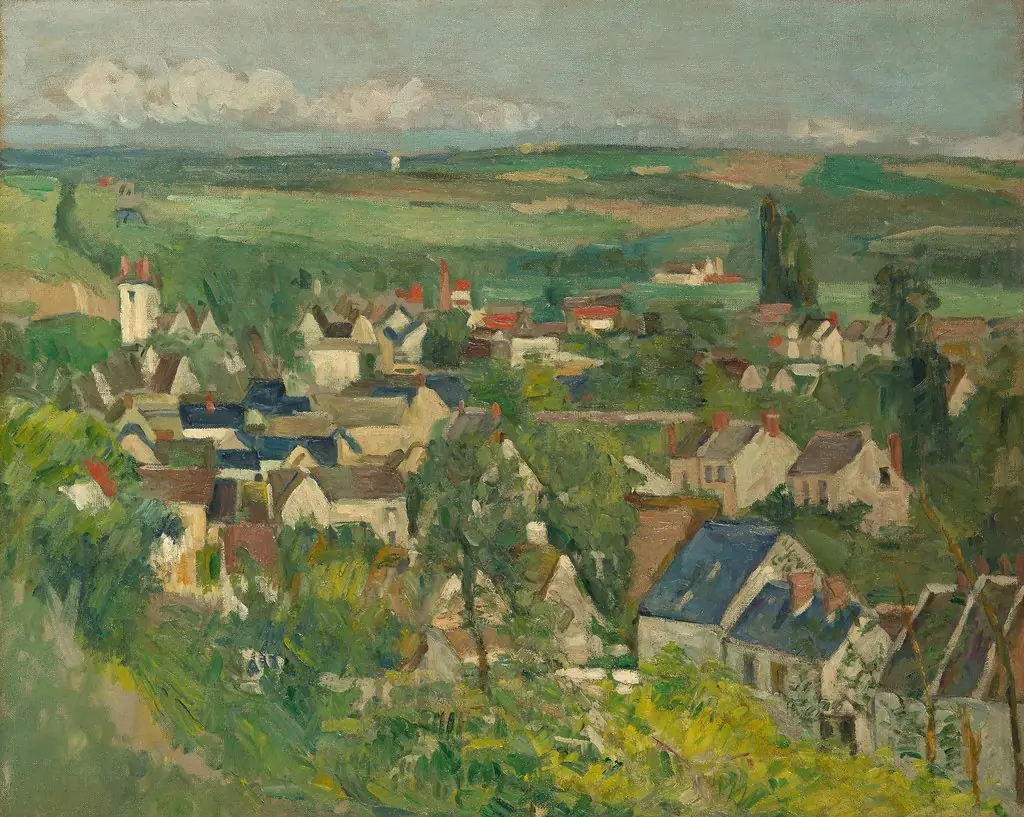 Auvers, Panoramic View
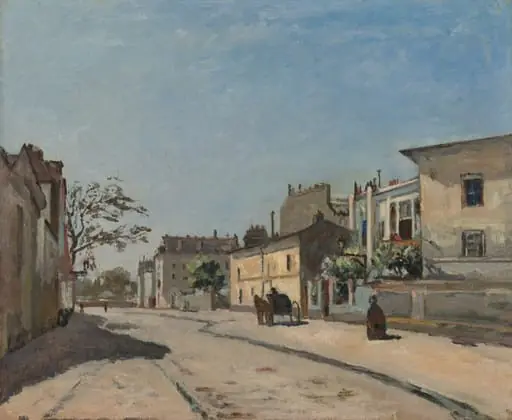 French Street Scene
 Evening
 Kitchen Gardens at L'Hermitage, Pontoise
 Rue Nôtre-Dame, Paris
 Street in Moret
 The Garden of Institution des sourds-muets
 House of Père Lacroix