Artwork
Auvers, Panoramic View
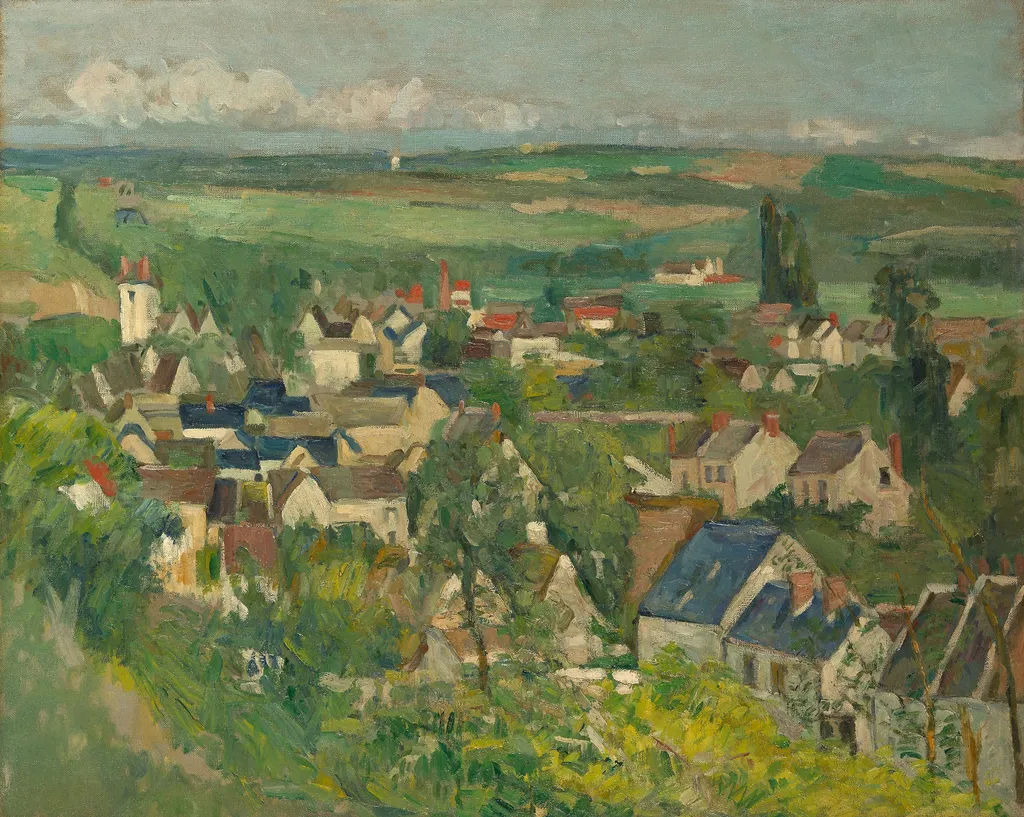
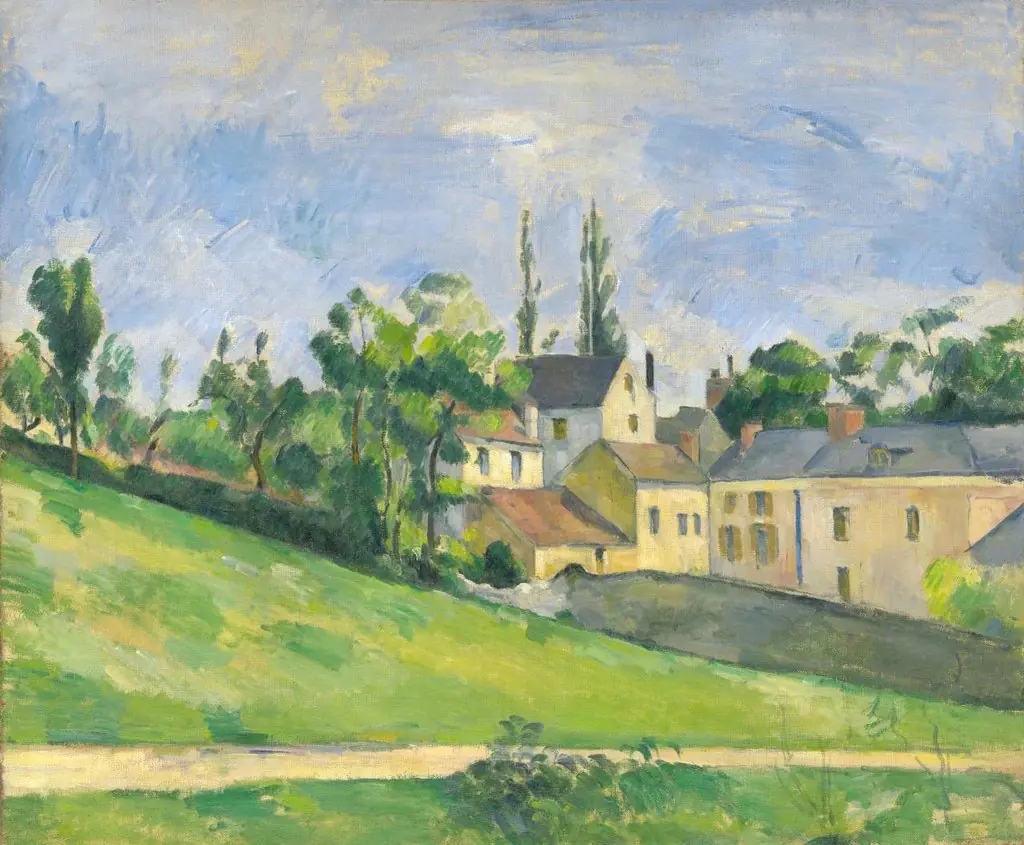
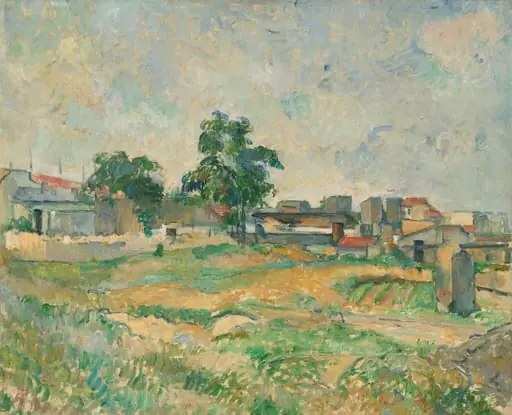
Auvers, Panoramic View is an oil painting by the Post-Impressionist artist Paul Cezanne. It dates from 1874 and is held in the collection of the Art Institute of Chicago. Created in 1874, this oil painting presents a panoramic vista of a modest settlement set within a verdant valley.
About this work
Overview
Created in 1874, this oil painting presents a panoramic vista of a modest settlement set within a verdant valley. The composition balances the clustered white-walled houses with red roofs against a backdrop of trees, fields, and a pale sky dotted with gentle clouds, offering a tranquil rural scene rendered in a distinctly Post‑Impressionist manner.
Subject & Meaning
The work captures a quiet village life, emphasizing the harmony between built structures and the surrounding landscape. By focusing on everyday architecture and natural elements, the artist invites contemplation of the relationship between human habitation and the environment, reflecting a shift away from dramatic narratives toward a more measured observation of place.
Technique & Style
The surface is built up with short, vigorous brushstrokes that leave a palpable texture, a method known as impasto. This tactile application of paint creates a lively surface where color planes interlock, illustrating the artist’s move toward a structured handling of form and hue that characterizes early Post‑Impressionist practice.
History & Provenance
Since its creation, the canvas has entered the collection of the Art Institute of Chicago, where it remains on display. Its acquisition reflects the institution’s commitment to representing pivotal developments in late‑19th‑century French painting and the artist’s evolving approach to landscape.
Own this work as a print
Artist & collection
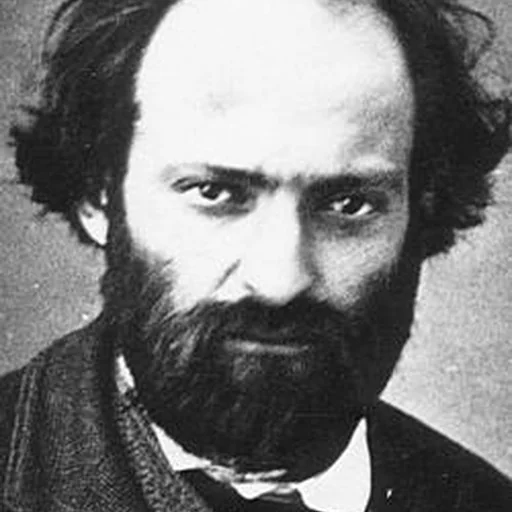
Artist
Paul Cézanne was born on January 19, 1839, in Aix-en-Provence, the son of a hatter turned wealthy banker.

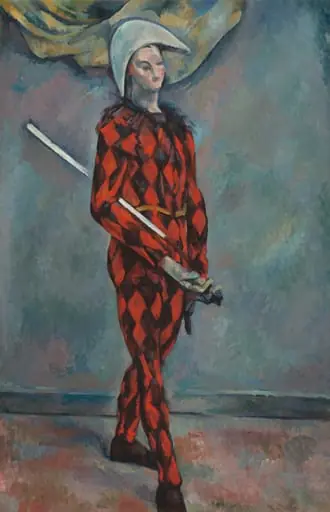 Harlequin
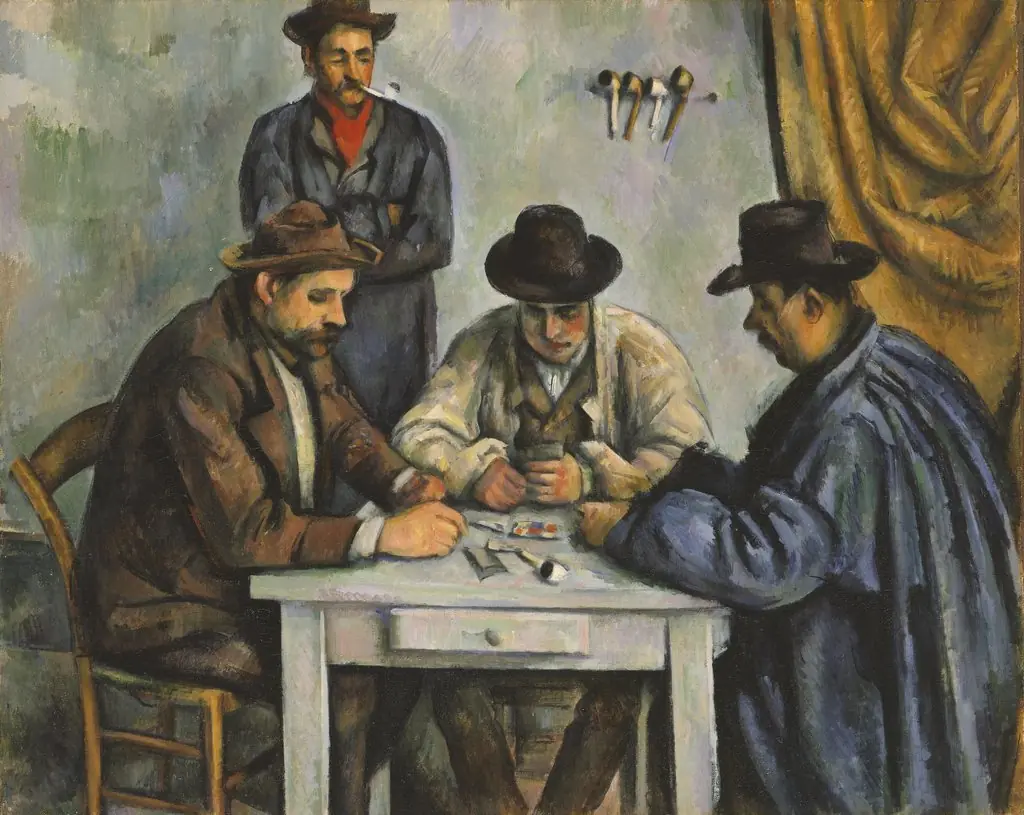 The Card Players
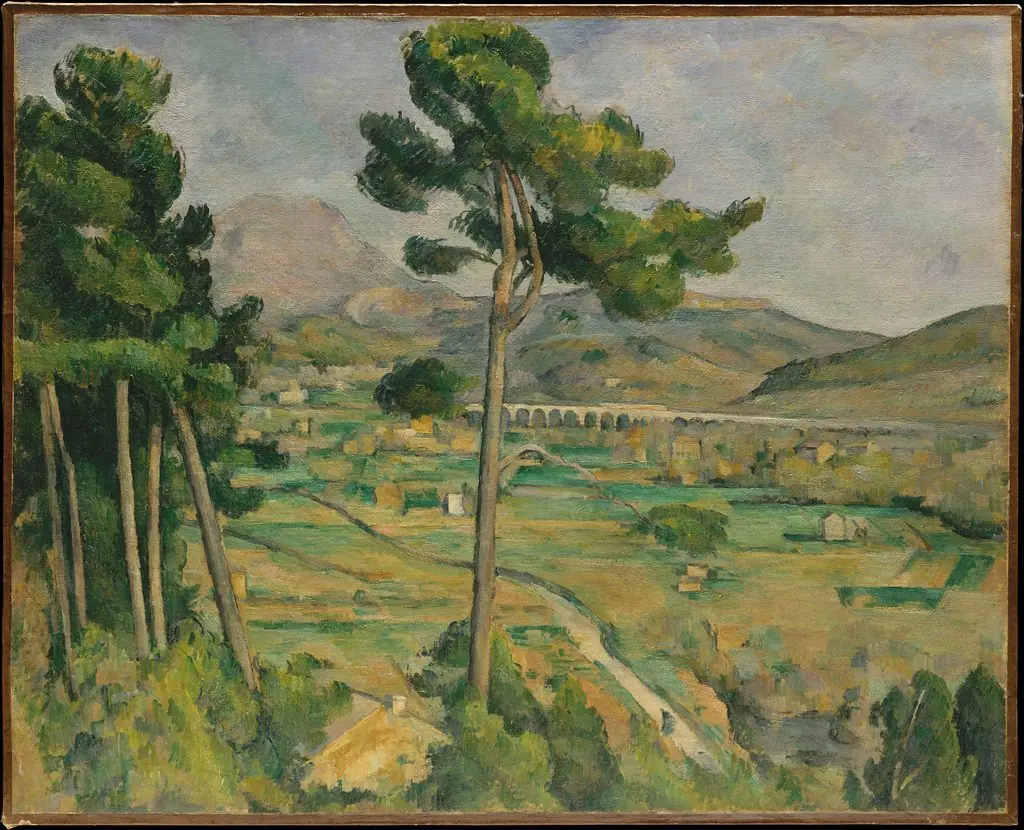 Mont Sainte-Victoire and the Viaduct of the Arc River Valley
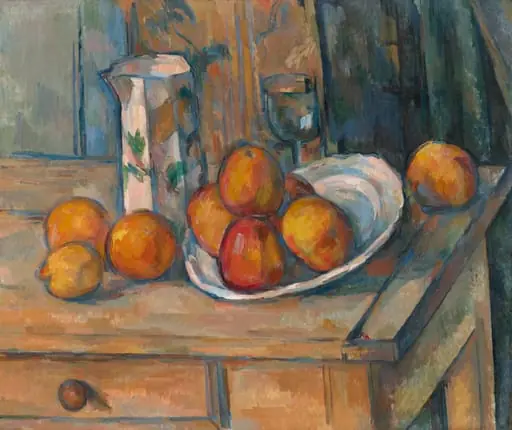 Still Life with Milk Jug and Fruit
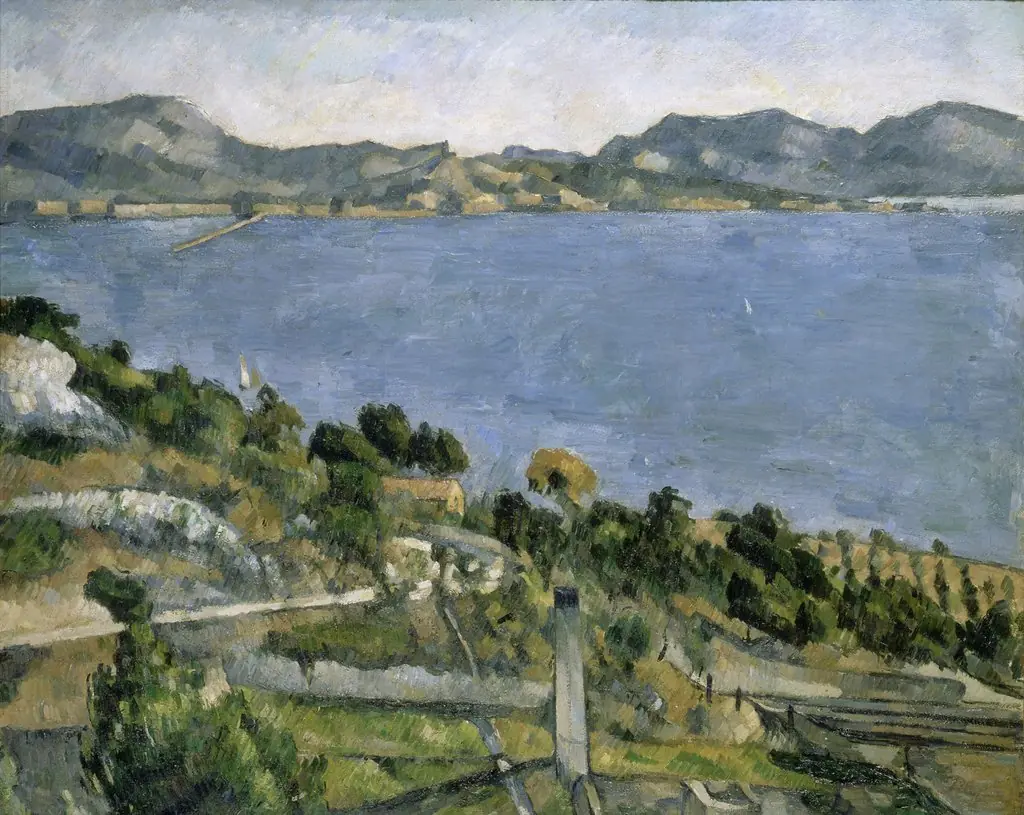 Le Golfe de Marseille vu de l'Estaque (The Gulf of Marseille Seen from L'Estaque)
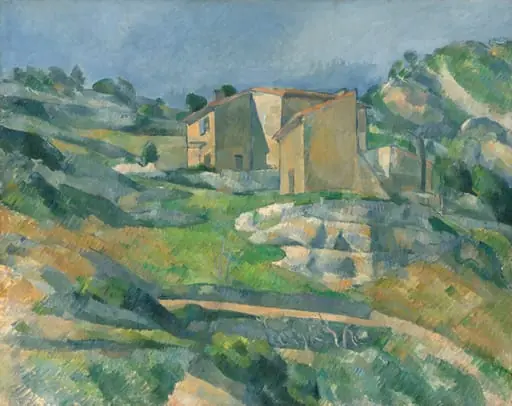 Houses in Provence: The Riaux Valley near L'Estaque
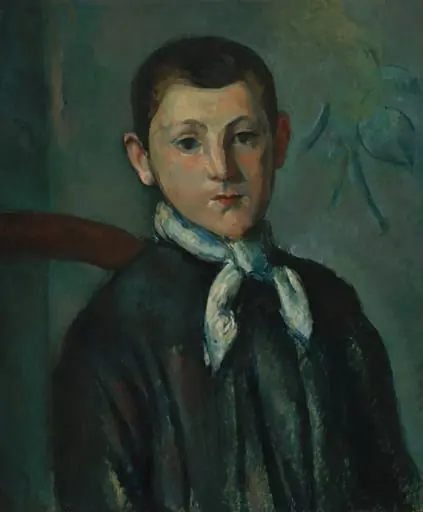 Louis Guillaume
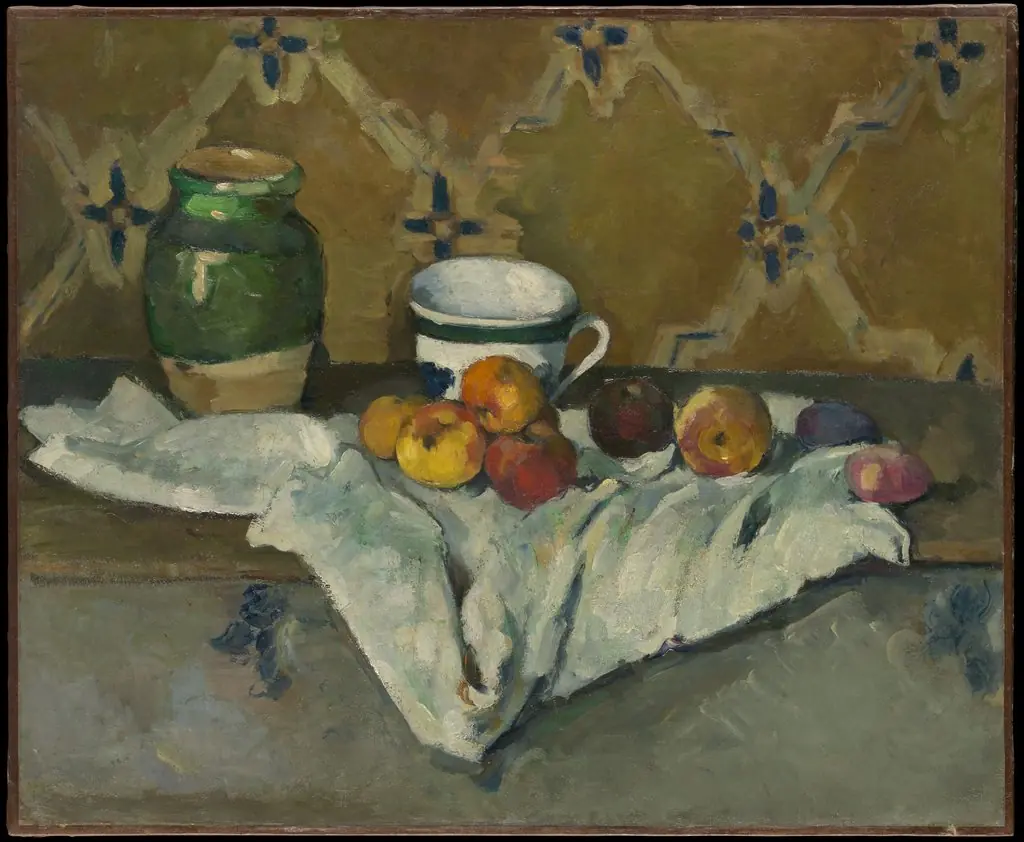 Still Life with Jar, Cup, and Apples