Artwork
A View of Dolo on the Brenta Canal
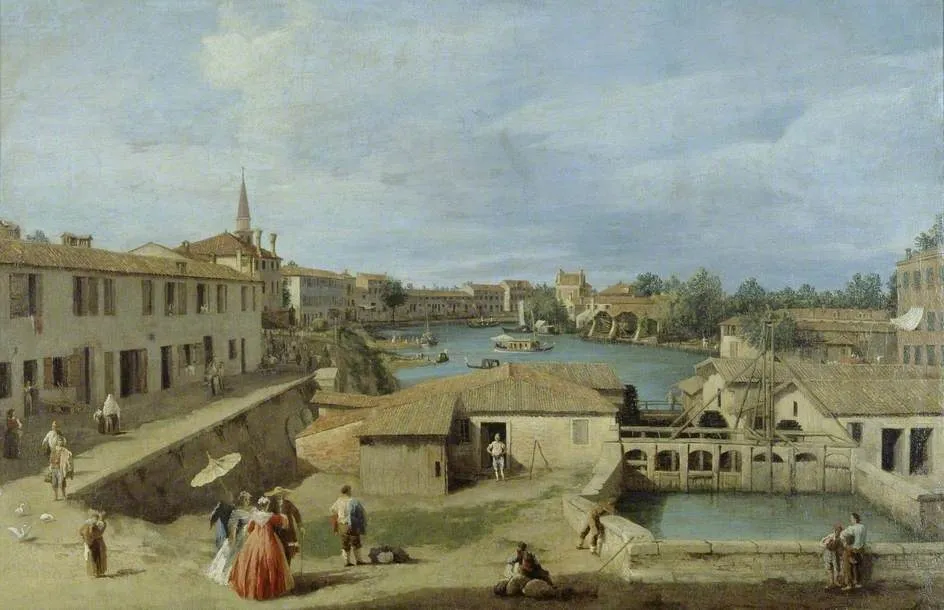
A View of Dolo on the Brenta Canal is an oil painting by the Rococo painting artist Canaletto. It dates from 1727 and is held in the collection of the Ashmolean Museum.
About this work
The work was produced early in Canaletto’s career and was bought by the Ashmolean Museum in 1855 after being donated by Chambers Hall.
A View of Dolo on the Brenta Canal is an oil painting by Canaletto, made around 1727. It shows the town of Dolo in Veneto, on the banks of the Brenta Canal.
Dolo was the gateway to Venice from the north and the canal was lined with fashionable villas. The work was produced early in Canaletto’s career and was bought by the Ashmolean Museum in 1855 after being donated by Chambers Hall. An engraving was later made from the picture.
You can also see more of Canaletto’s work at the Ashmolean Museum.
Overview
Painted around 1727, A View of Dolo on the Brenta Canal is an early work by Canaletto, capturing a quiet stretch of the Brenta Canal in the Veneto region. The scene depicts Dolo, a modest town serving as a northern entry point to Venice, where the canal was flanked by elegant villas. The painting entered the Ashmolean Museum’s collection in 1855 after being donated by Chambers Hall, and remains one of the artist’s earliest documented canal views.
Subject & Meaning
The painting portrays Dolo not as a bustling urban center but as a tranquil transit point along the Brenta, where aristocratic villas lined the waterway. These residences reflected the Venetian elite’s preference for country retreats, accessible by boat from Venice. Canaletto’s focus on architecture and water suggests an interest in the relationship between human habitation and natural geography, rather than overt narrative or symbolism.
Technique & Style
Executed in oil, the work displays Canaletto’s emerging precision in rendering architectural detail and atmospheric perspective. Light falls evenly across the scene, enhancing the clarity of facades and reflections on the canal. Brushwork is controlled, with minimal expressive flourish, aligning with the topographical accuracy that would define his later vedute. The composition is balanced, with horizontal lines reinforcing the calm, orderly character of the landscape.
History & Provenance
The painting was acquired by the Ashmolean Museum in 1855 following its donation by Chambers Hall. A second version resides in the Staatsgalerie in Stuttgart, though the Oxford painting is generally regarded as the original. An engraving was later made from it, extending its reach beyond the canvas. Canaletto revisited the subject decades later in 1763 with The Lock at Dolo, indicating a lasting personal and artistic connection to the site.
Context
In the early 18th century, the Brenta Canal was a key route for Venetian nobility traveling to their countryside estates. Artists like Canaletto and Francesco Guardi documented these landscapes, often responding to each other’s compositions. Canaletto’s view of Dolo reflects a broader trend in Venetian painting: the celebration of civic and architectural order, grounded in observation rather than idealization.
Legacy
The painting helped establish Canaletto’s reputation for precise, serene depictions of Venetian waterways. Its influence extended through reproduction and emulation, notably inspiring Guardi’s own interpretations of the Brenta. Though later works by Canaletto grew more theatrical, this early view retains a quiet documentary quality that underscores his foundational role in the veduta tradition.
Artist & collection
Artist
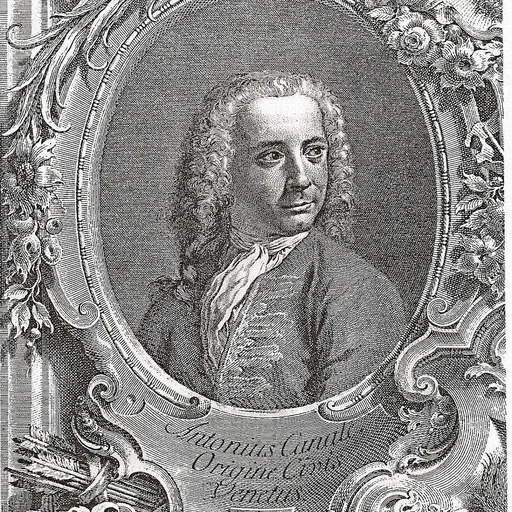
Giovanni Antonio Canal (18 October 1697 – 19 April 1768), commonly known as Canaletto (Italian: ), was an Italian painter from the Republic of Venice, considered an important member of the 18th-century Venetian school.

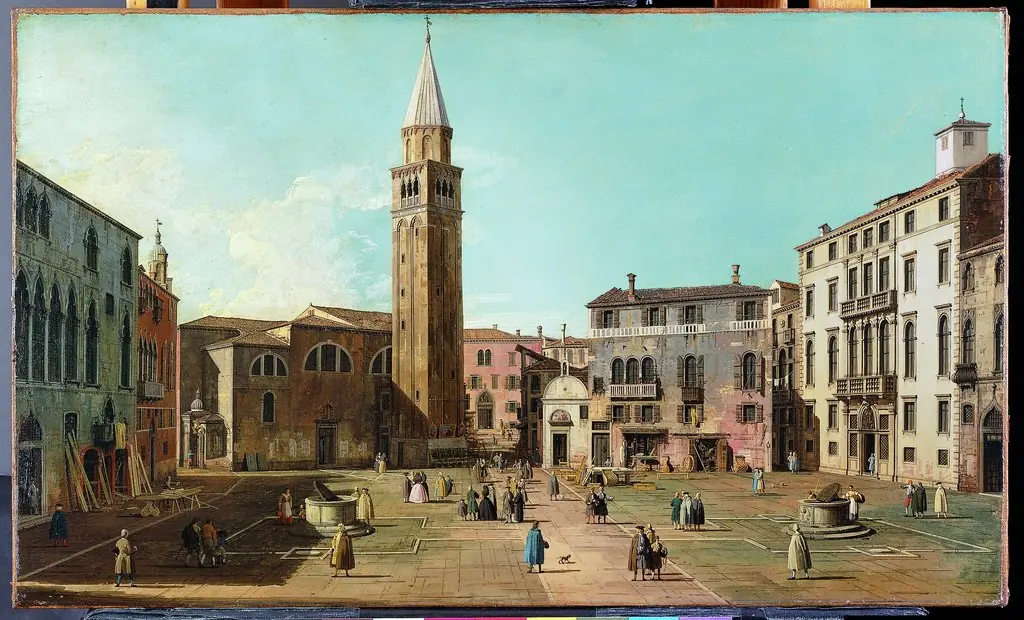
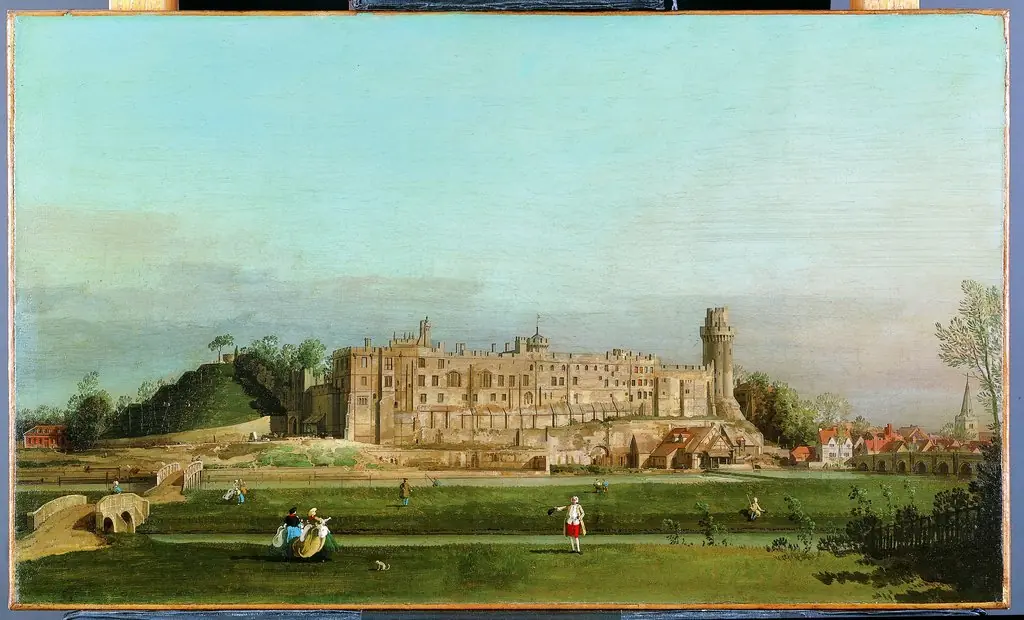
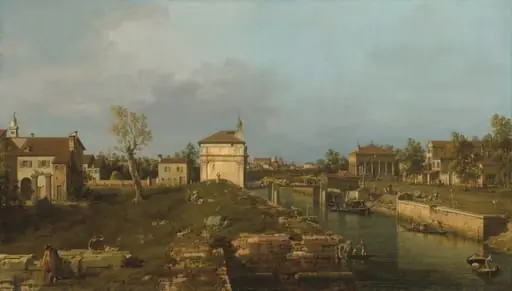
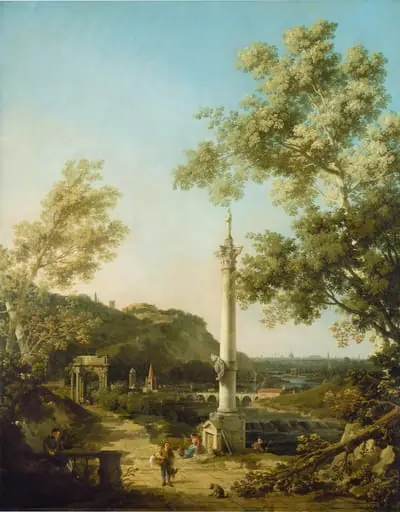
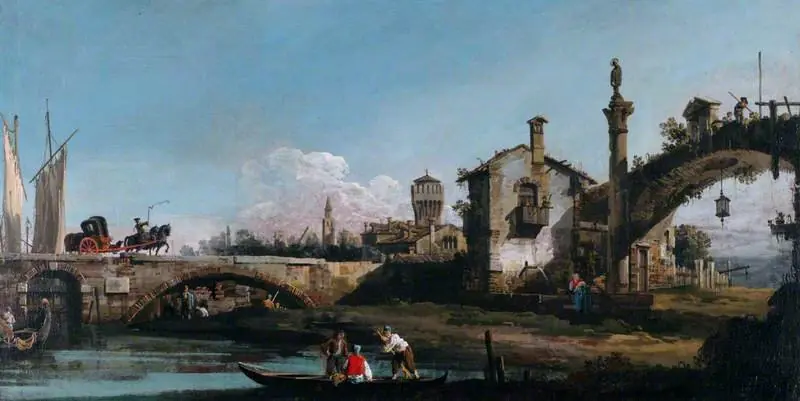 Capriccio with Two Bridges and Figures
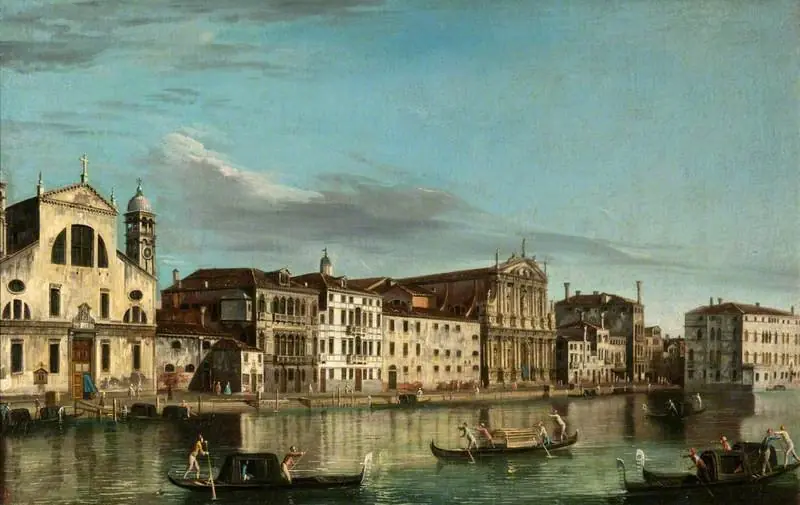 The Grand Canal: Santa Lucia and the Church of the Scalzi, Venice
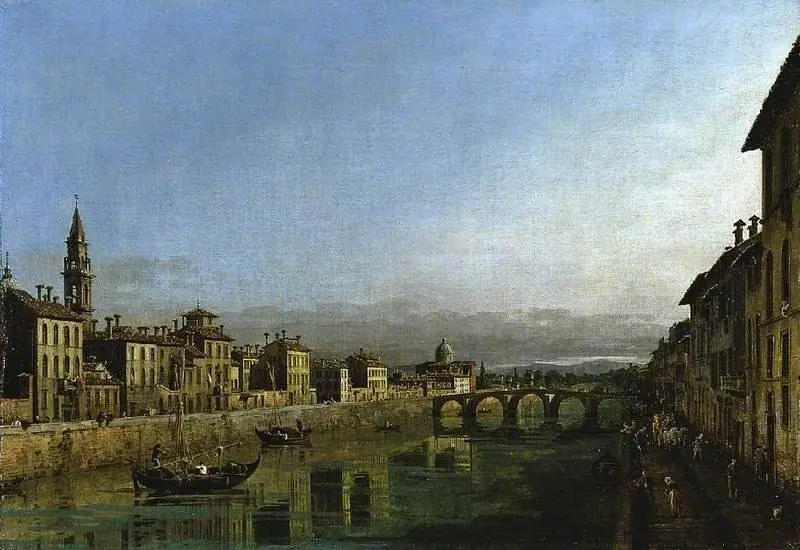 The Arno in Florence with the Ponte Alla Carraia
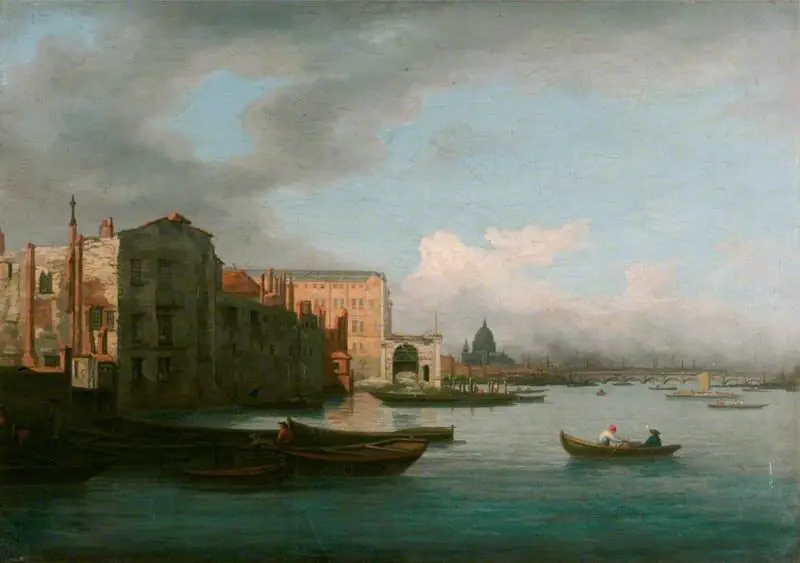 The Thames Looking Eastwards, with Somerset House
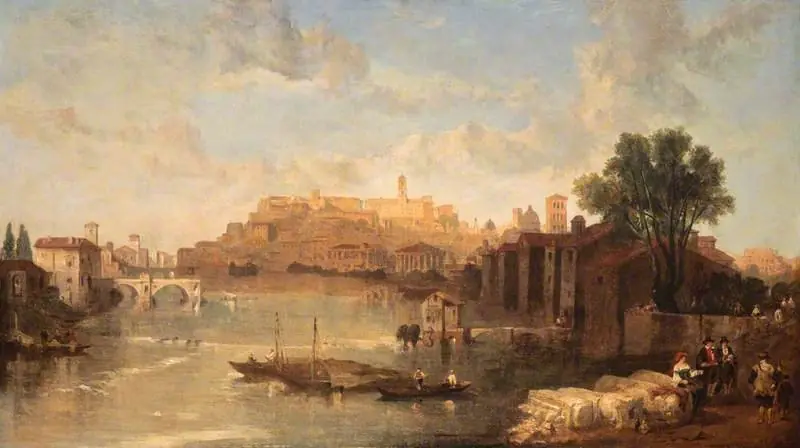 View on the Tiber, Rome
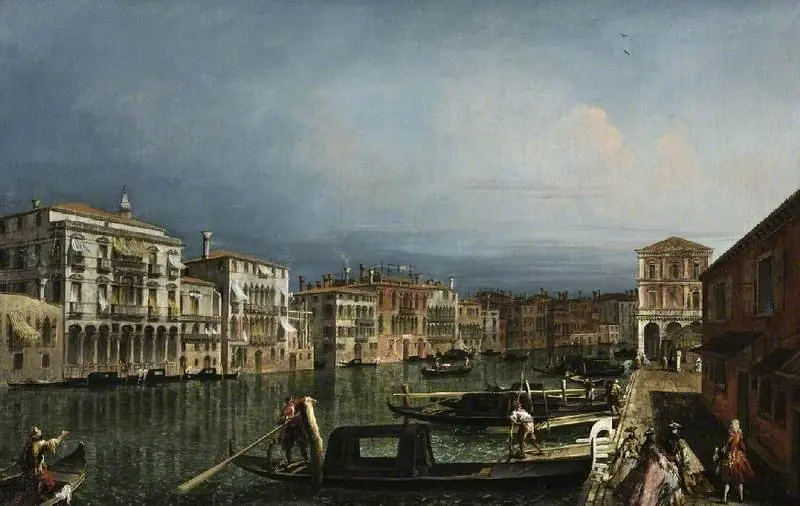 The Grand Canal, Venice, above the Rialto bridge
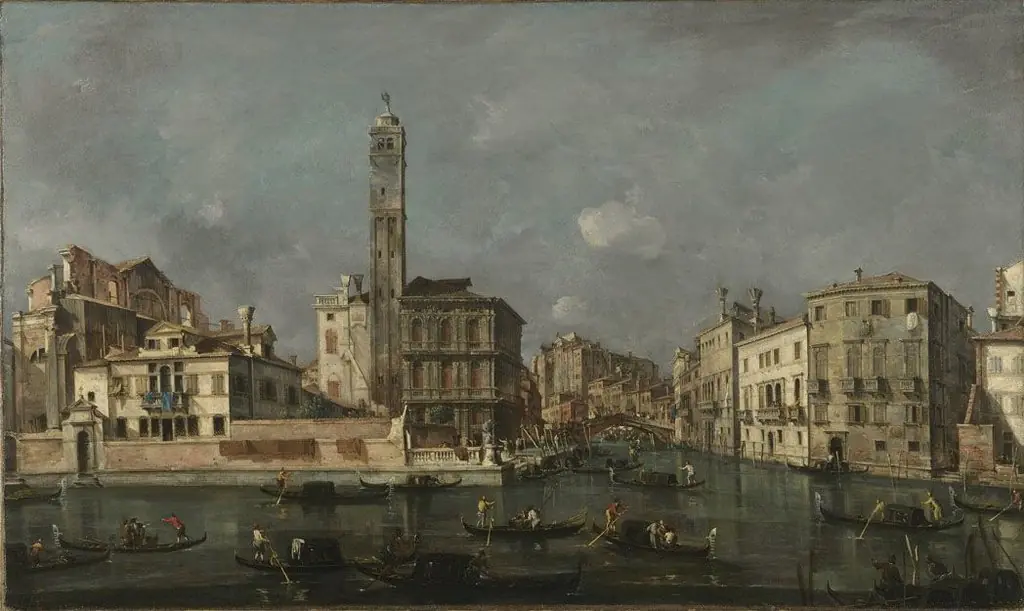 Canal Grande bei San Geremia
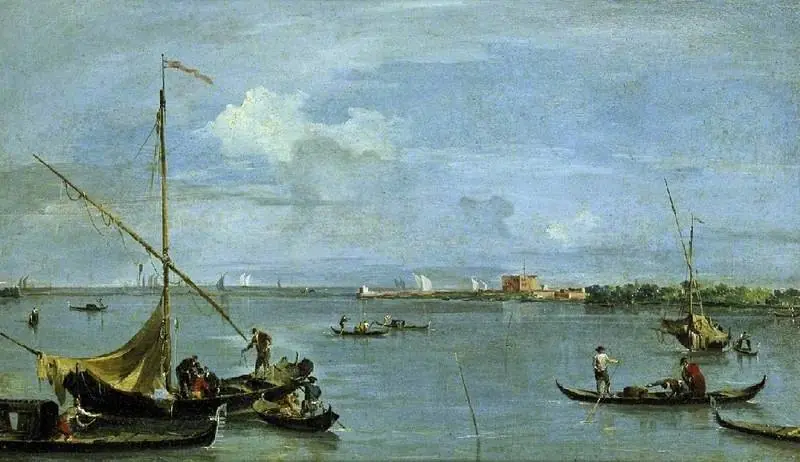 Forte S. Andrea Del Lido, Venice
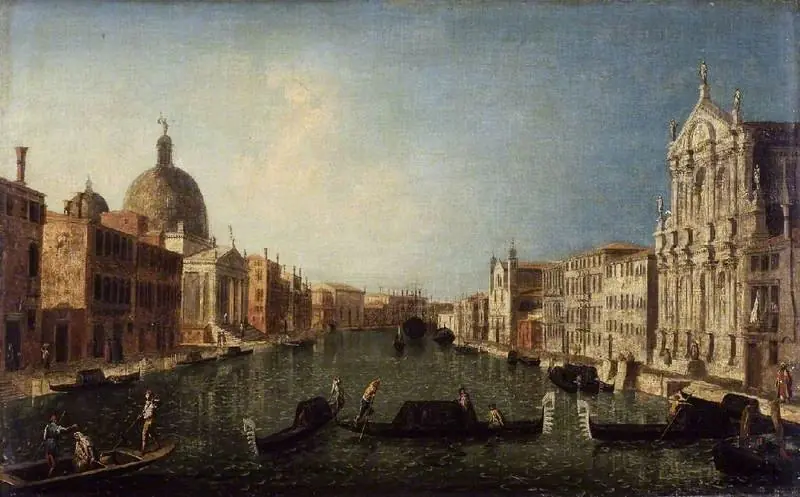 The Grand Canal, Venice, with S. Simeone
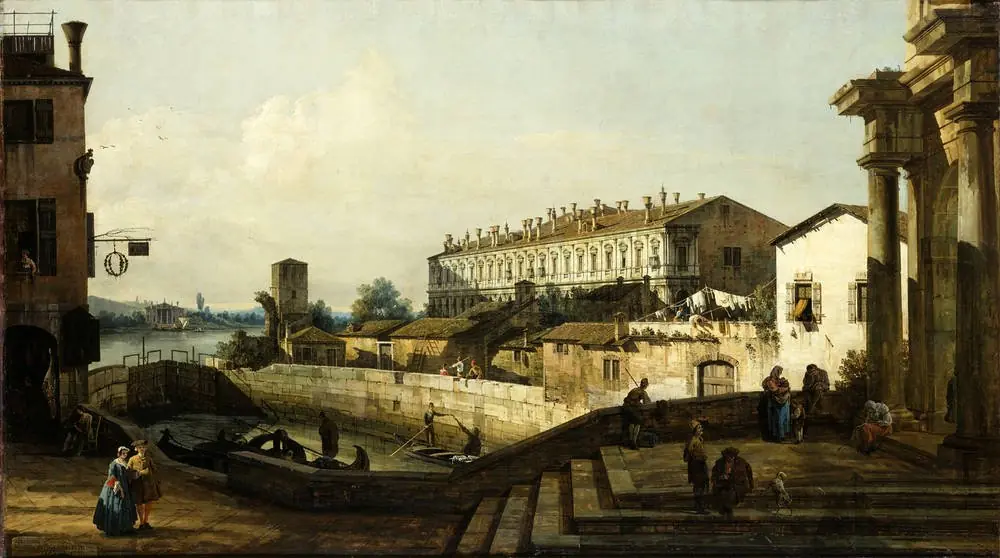 Capriccio with the Dolo lock